Introduction
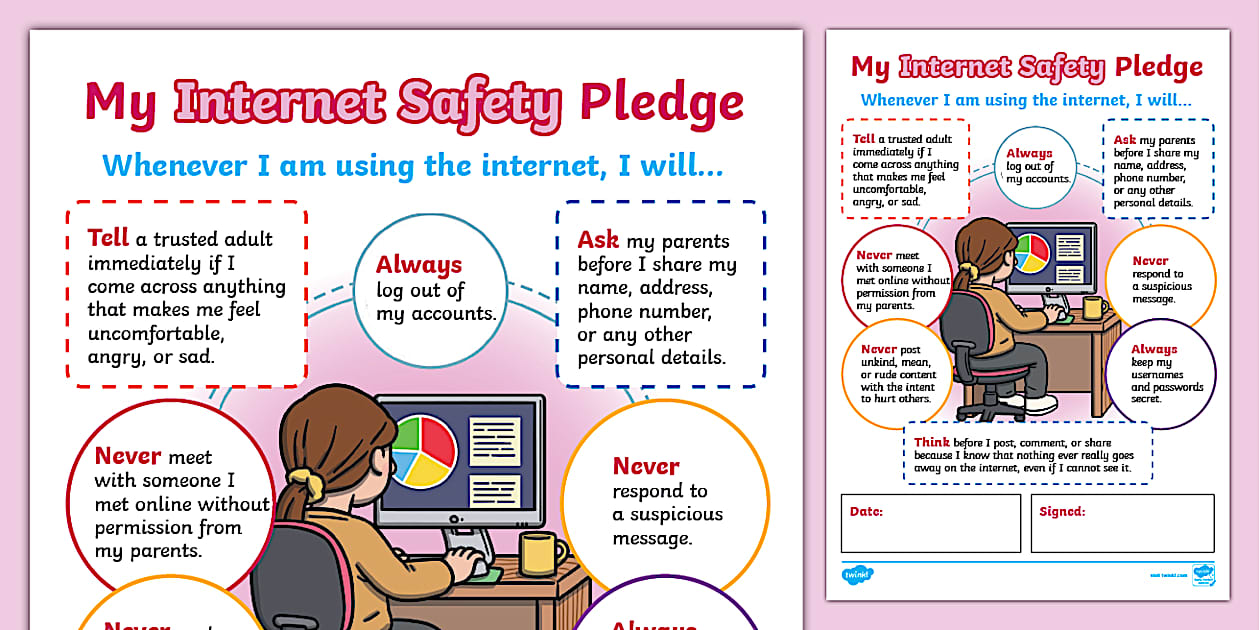
Guiding children through the digital world requires proactive tools that build confidence rather than fear. Young learners encounter connected devices long before reaching adolescence, often navigating shared tablets at the kitchen table or typing messages inside multiplayer gaming lobbies. Classrooms and living rooms alike need practical resources to establish healthy boundaries early. Enter the free printable digital safety pledge for {site_name}. This versatile guide provides clear rules and home or classroom implementation strategies, transforming abstract tech concepts into memorable, actionable habits for kids ages five through twelve.
💡 Educational Key Takeaways:
- Core Skill: Structured Digital Safety Pledge focused on developing pencil grip, stroke control, and early literacy/math confidence.
- Target Scope: Suited for homeschoolers, preschool, kindergarten, and elementary learners.
- Best Recommendation: Practice 10–15 minutes daily with ergonomic writing tools to reinforce muscle memory without hand fatigue.
What This Printable Covers
The printable digital safety pledge acts as a foundational agreement between children and the adults in their lives. It addresses core protective behaviors, such as keeping personal information private, creating strong passwords, and thinking carefully before sharing photos or comments. Instead of relying on restriction alone, the pledge focuses on skill development. Children practice pausing before clicking, recognizing tricky situations, and understanding the core rule that reporting an uncomfortable online experience never results in punishment. According to Common Sense Media, children benefit immensely when adults establish consistent expectations around technology use early in their development. Related guide: Teachers Of Grades 9–12 Should Expand Internet Safety Instruction To Include Which Of The Following Topics?.
Key Learning Outcomes
Working through this pledge helps children internalize four essential digital citizenship pillars. First, learners understand what constitutes private information, including full names, home addresses, and school names. Second, they learn the value of pausing before reacting to video platform comments or in-game chat prompts. Third, the pledge reinforces the absolute necessity of turning to a trusted adult when something feels confusing or wrong. Finally, young users recognize that devices are powerful tools requiring mindful stewardship. It sounds simple, and that’s the point: clear, repeatable commitments pave the way for lifelong safe habits.
How to Use This Printable
Educators and caregivers can seamlessly integrate the pledge into daily routines through guided discussions. Printing physical copies invites children to physically sign their names, creating a sense of personal ownership and responsibility. Teachers often introduce the document during media literacy week or computer lab orientation, while families find success reviewing it during weekly household meetings. Here’s what makes this resource different: it shifts the dynamic from top-down lecturing to a collaborative agreement where children actively articulate why safety matters.
Practical Tips for Parents and Teachers
Adults should approach the signed pledge as an ongoing conversation starter rather than a one-time lecture. Keep the tone calm, empowering, and supportive. Display the completed document near shared family computers or classroom device charging stations as a gentle visual reminder. When children encounter confusing moments on video platforms or shared devices, adults can point back to the signed commitment to guide constructive problem-solving. For additional classroom activities, pairing this printable with relevant student worksheets reinforces vocabulary and comprehension.
Age-Appropriate Recommendations
Tailoring the conversation to a child’s developmental stage ensures maximum retention and engagement. For five-to-eight-year-olds, focus on the basics of asking permission before downloading apps and keeping passwords secret from peers. For nine-to-twelve-year-olds, expand discussions to cover digital footprints, respectful communication in group chats, and recognizing persuasive online design. This structured progression aligns closely with the Common Sense Education Digital Citizenship Curriculum, which emphasizes age-graded competencies for media balance and privacy.
According to Pew Research Center, the vast majority of parents express concern about their children’s screen time and digital interactions, making structured, proactive guidance essential for modern households. — Pew Research Center
Frequently Asked Questions
Navigating digital safety tools raises common questions among educators and families. Clear answers help maximize the impact of every printed resource. Review the frequently asked questions below to get started quickly and effectively.
Explore More Free Kids Online Safety Printables
Expanding a child’s digital literacy toolkit requires diverse resources that address different learning styles. Beyond the core pledge, educators and parents can explore a wide variety of supplemental materials to reinforce online safety concepts. Incorporating creative exercises like themed art activities helps younger learners process safety concepts through visual expression and storytelling. For comprehensive unit planning, browse additional educational modules and specialized guidance materials designed to foster responsible, confident digital citizens across all elementary grade levels.
Developmental Milestone & Activity Table
| Development Stage | Recommended Daily Duration | Primary Learning Objective |
|---|---|---|
| Preschool & Pre-K | 10 – 15 Minutes | Pencil grip development & basic pre-stroke lines |
| Kindergarten | 15 – 20 Minutes | Letter/number formation & spatial line awareness |
| Early Elementary (Grade 1–2) | 20 – 30 Minutes | Fluency, sentence construction & neatness |
Images References