Introduction
Establishing healthy digital boundaries often feels like navigating an uncharted landscape without a map. Children encounter digital environments long before mastering impulse control, frequently stumbling into complex situations through shared family devices, in-game chat features, and autoplay video platforms. Adults need proactive tools rather than reactive bans to guide young minds effectively. A mutual agreement screen time children education resource offers a structured foundation for building these essential habits collaboratively. Safety remains a skill to cultivate through open dialogue, not a constant threat to dread. Printables serve as conversational anchors, transforming abstract rules into tangible commitments that children actively help shape. Related guide: 3Rd Grade Lesson About Inappropriate Photos Online.
💡 Educational Key Takeaways:
- Core Skill: Structured Mutual Agreement Screen Time Children Education focused on developing pencil grip, stroke control, and early literacy/math confidence.
- Target Scope: Suited for homeschoolers, preschool, kindergarten, and elementary learners.
- Best Recommendation: Practice 10–15 minutes daily with ergonomic writing tools to reinforce muscle memory without hand fatigue.
What This Printable Covers
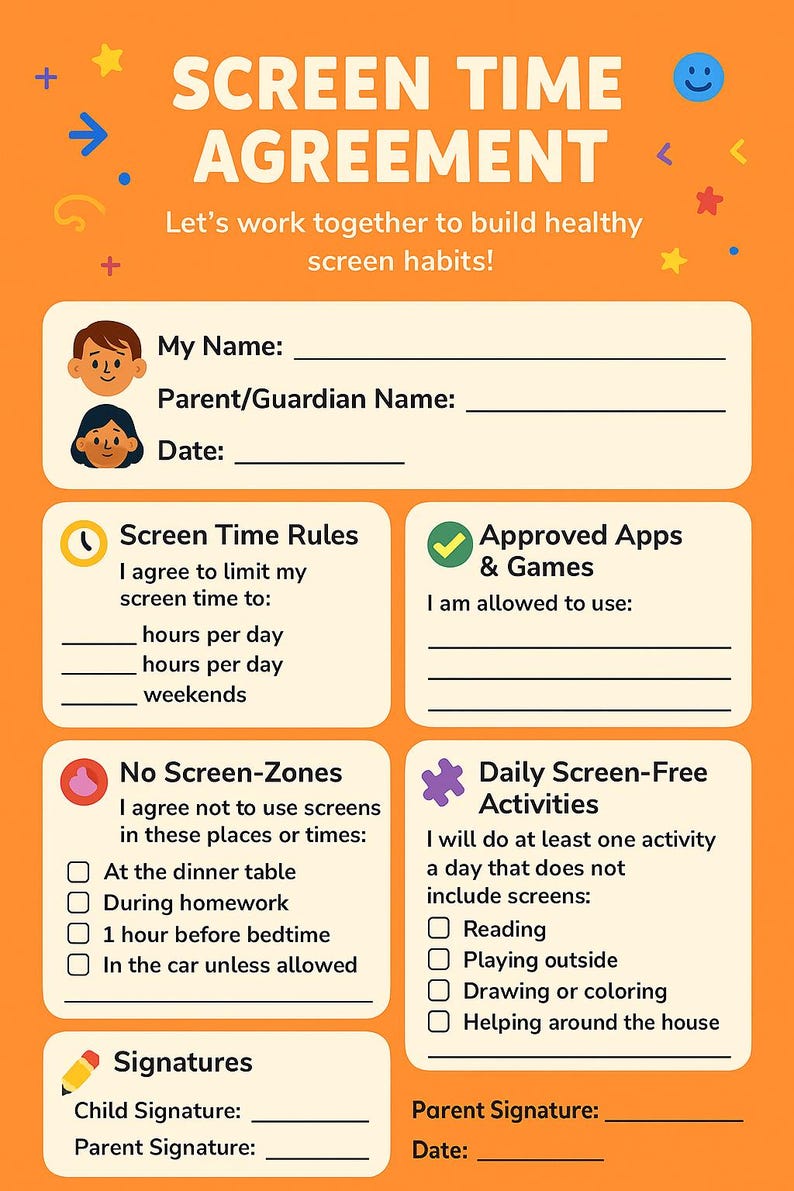
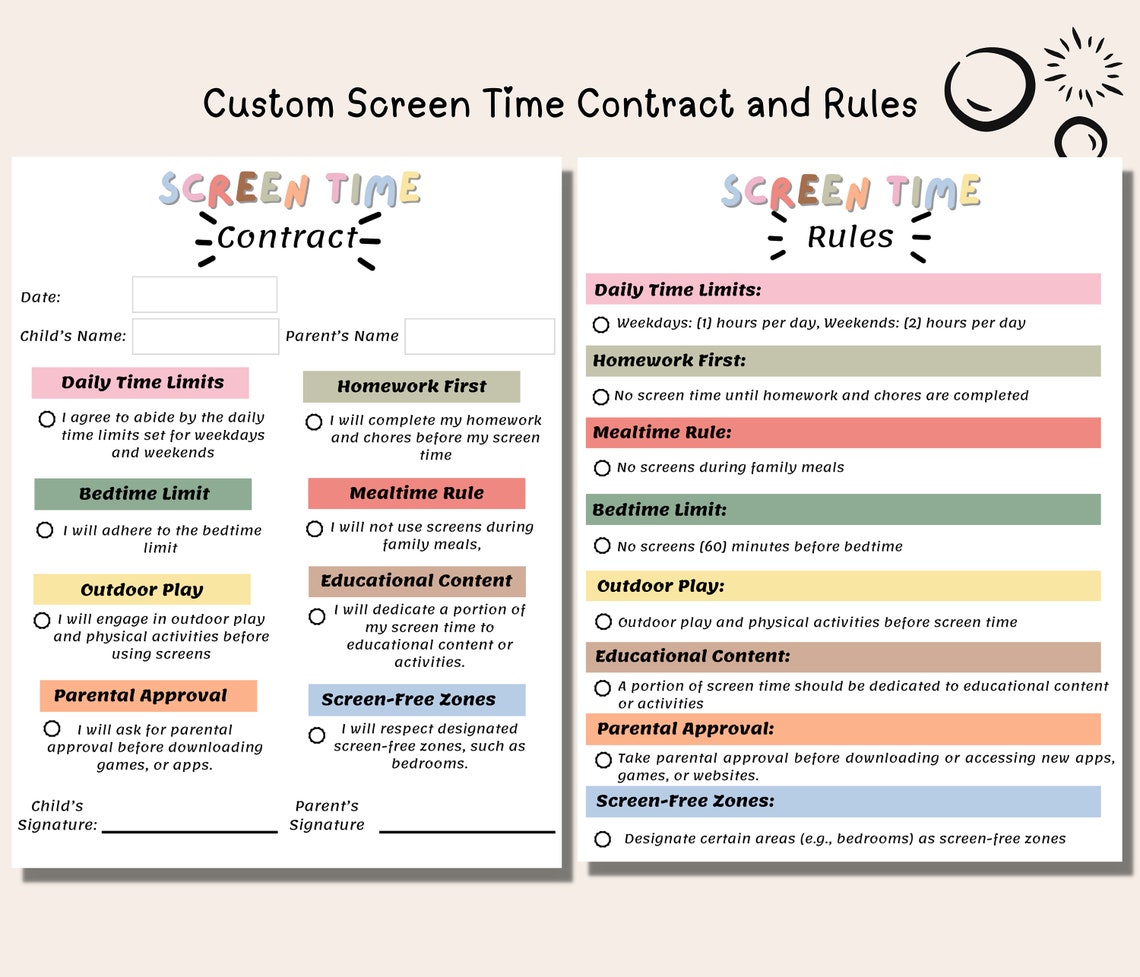
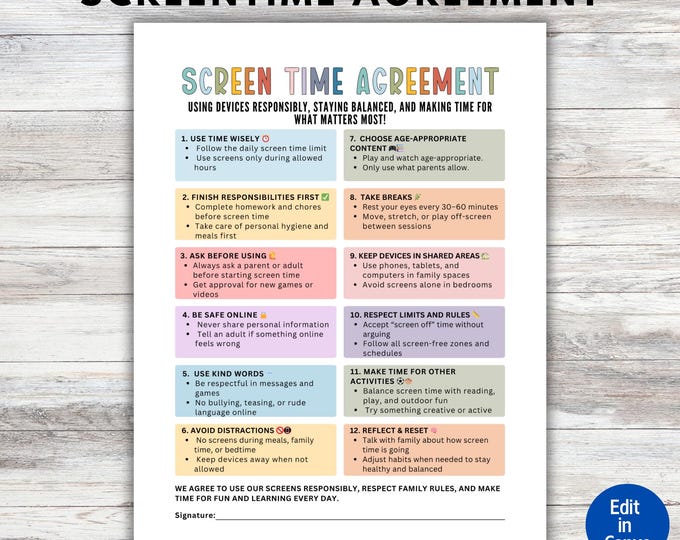
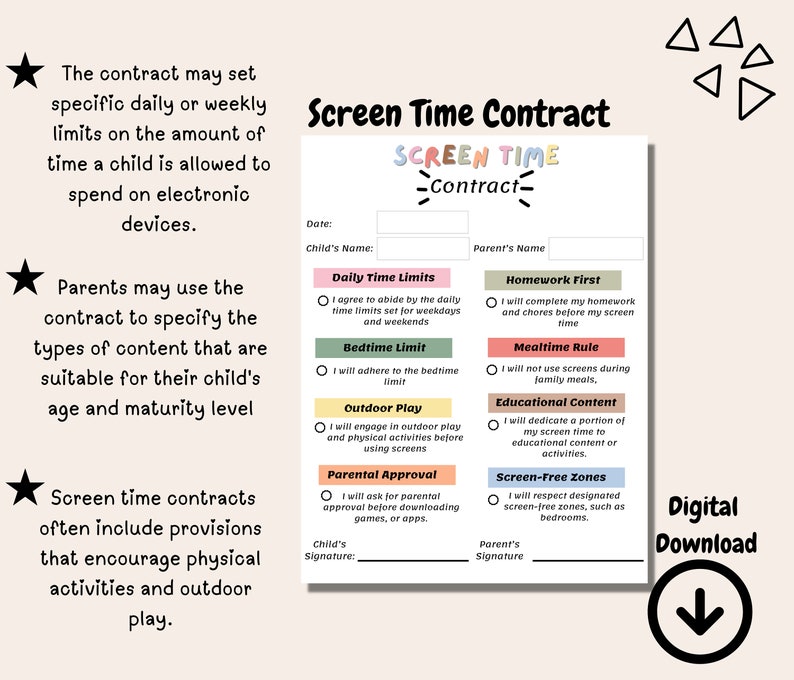
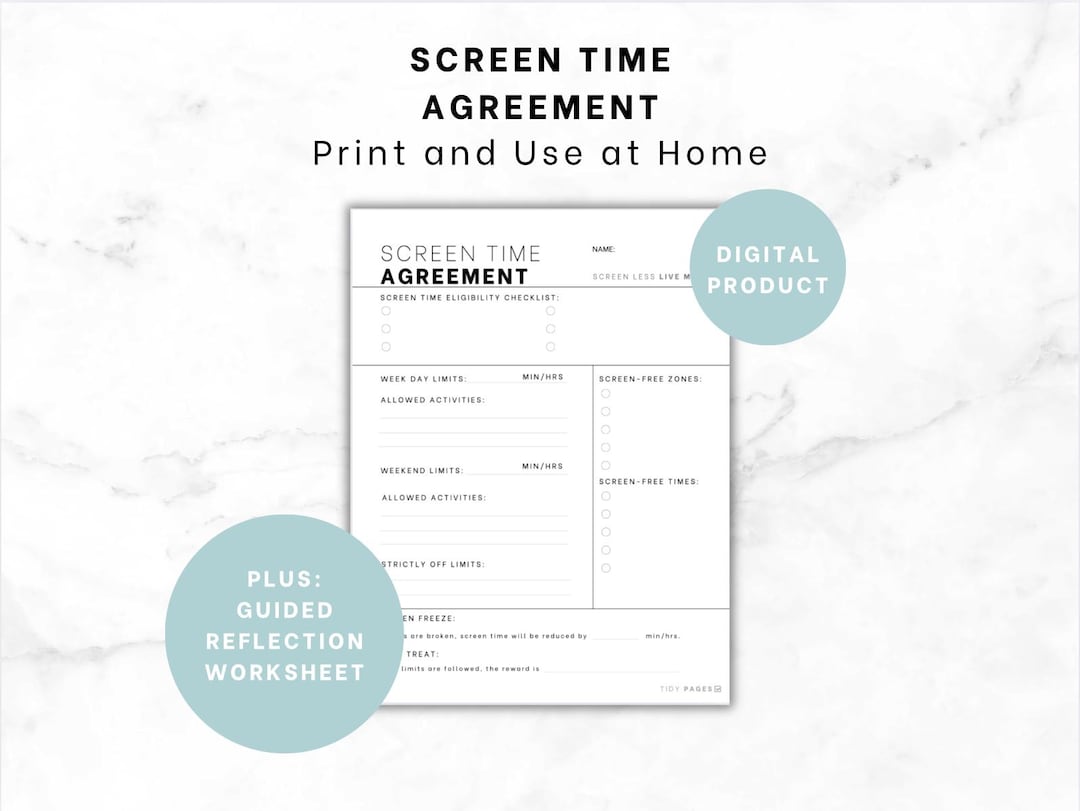
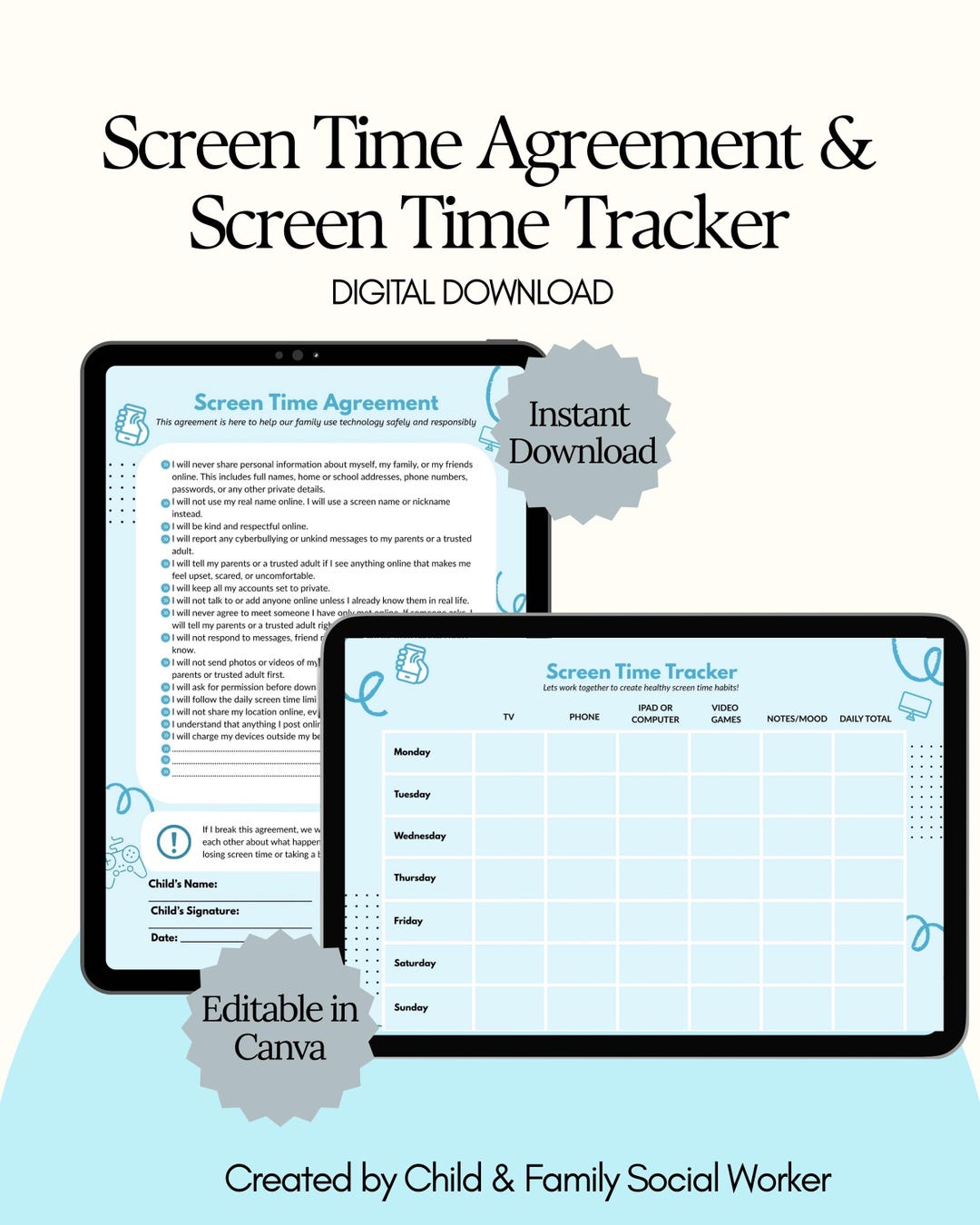
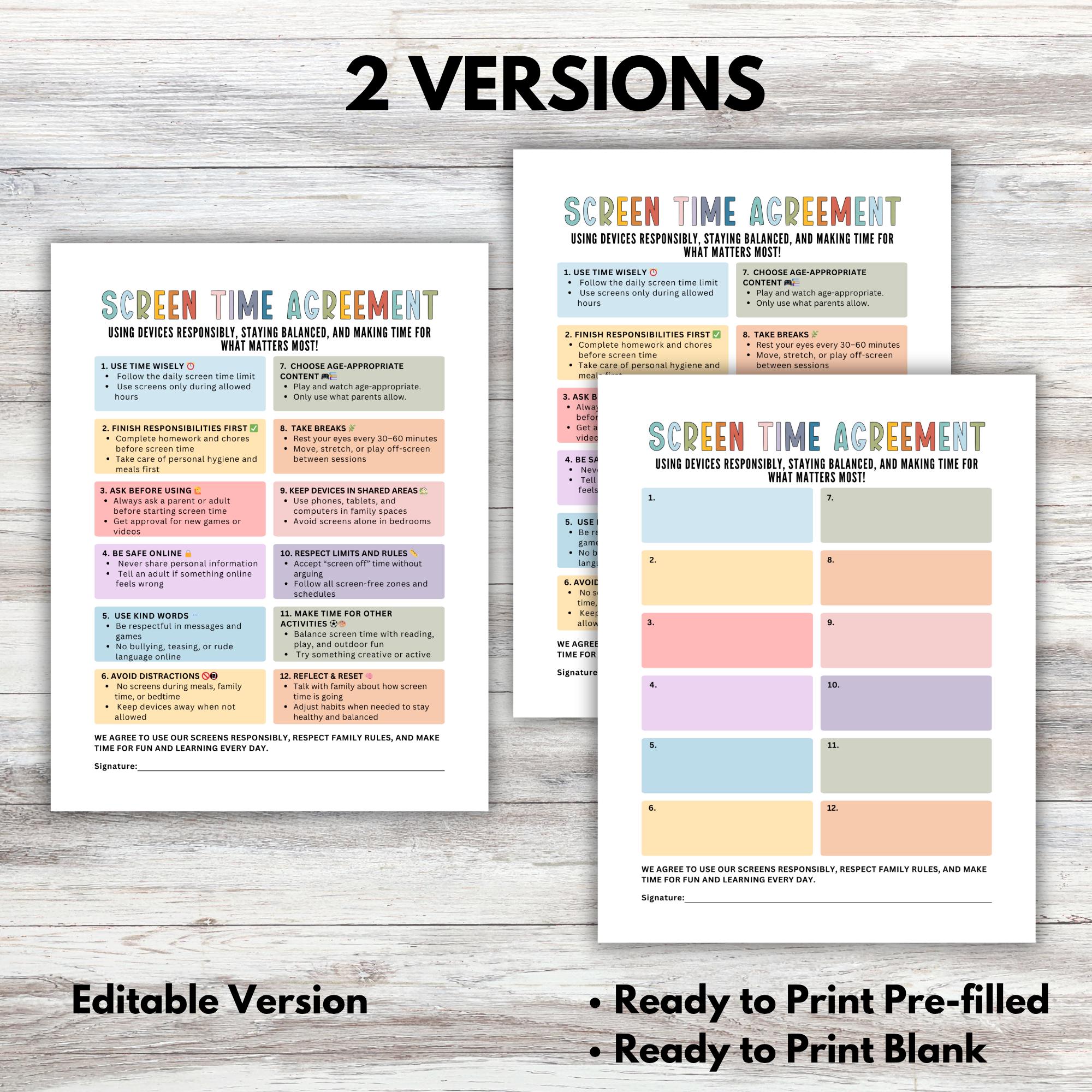
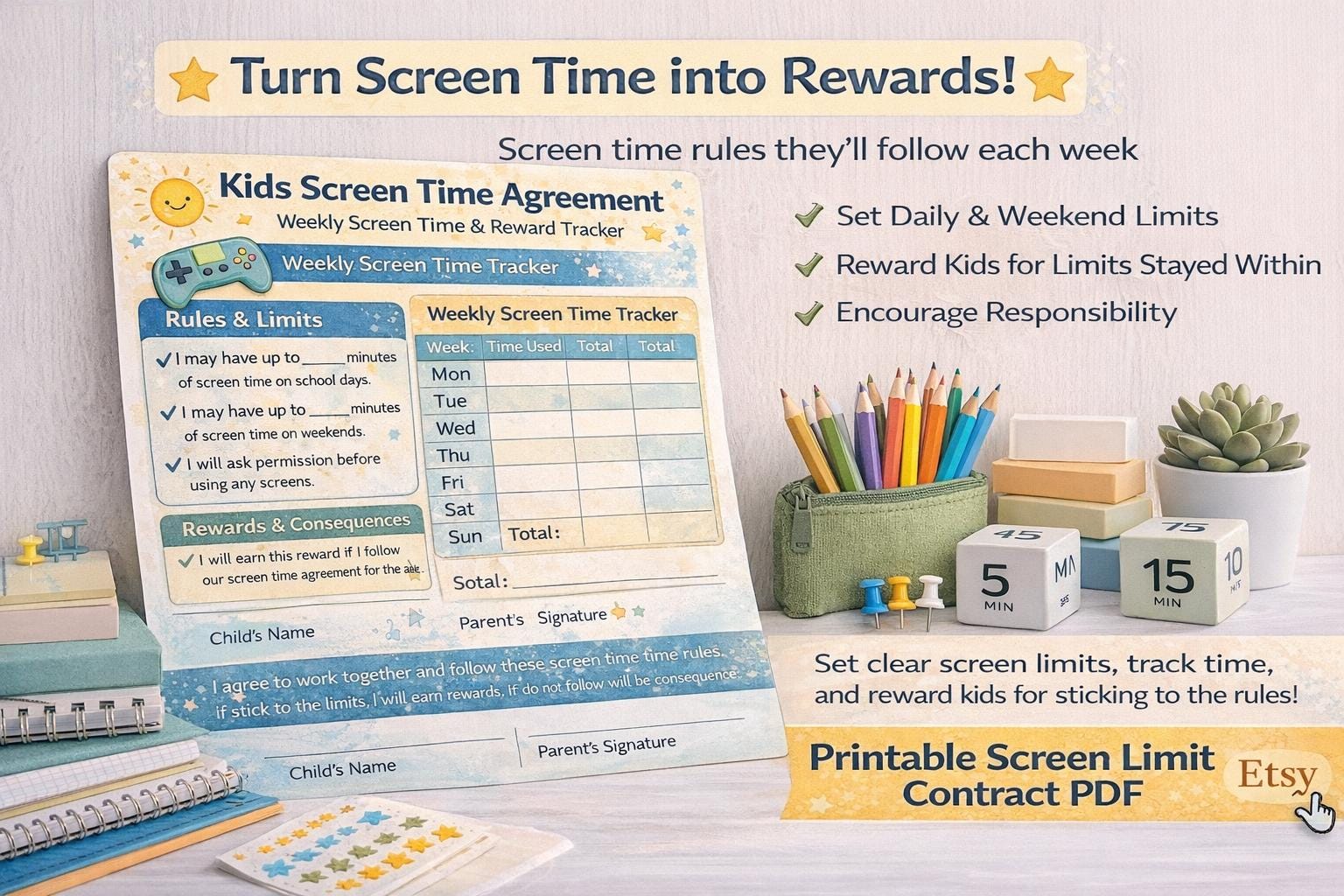
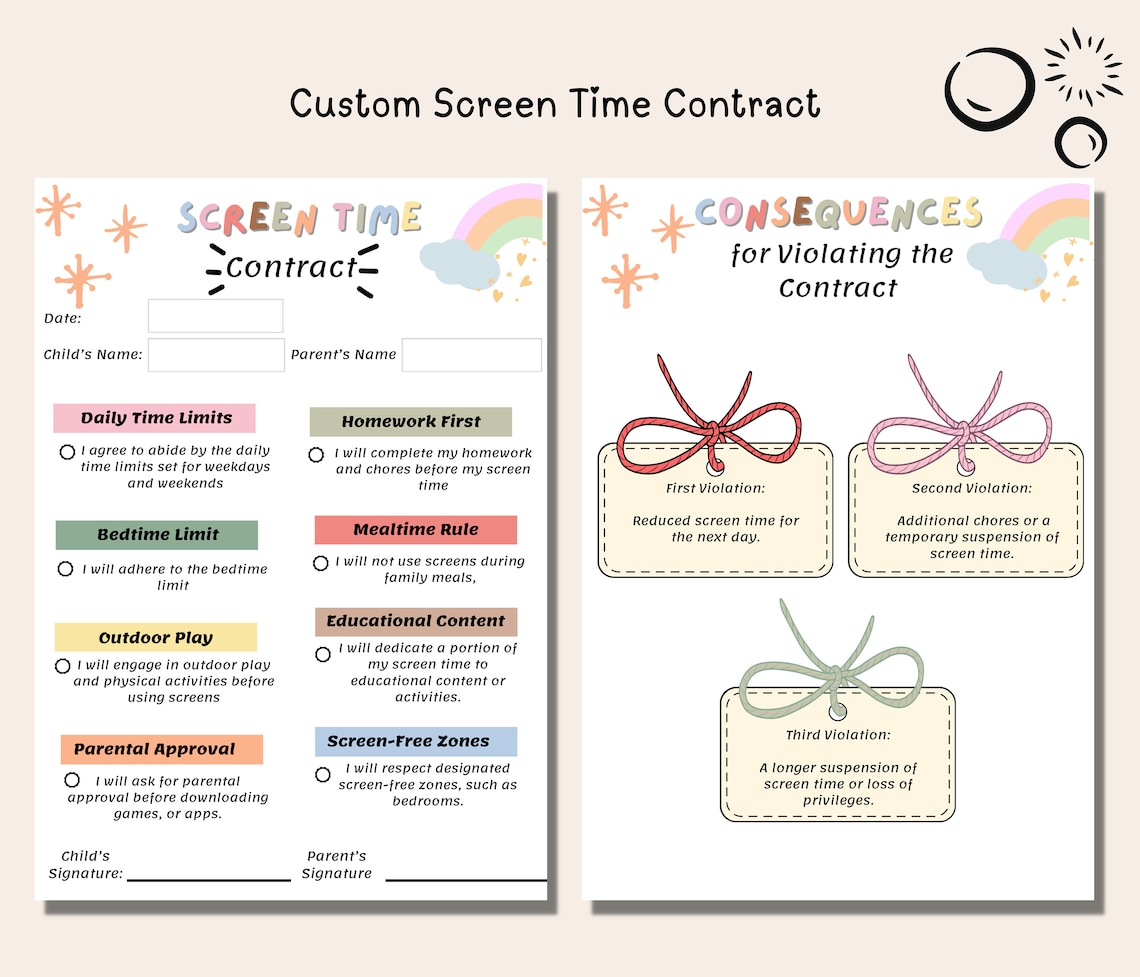
Clarity forms the bedrock of any successful digital citizenship plan. This specific printable establishes clear, collaborative boundaries around device usage, balancing downtime with screen time. It outlines expectations regarding private information, respectful communication, and immediate reporting protocols. When children sit down to co-create these terms, technology transitions from a source of friction into a shared responsibility. The document covers daily time limits, designated screen-free zones, and approved online spaces, ensuring complete transparency between the adults guiding the process and the learners engaging with the tools.
Key Learning Outcomes
Young learners develop critical self-regulation skills by participating directly in boundary-setting exercises. Instead of feeling subjected to arbitrary restrictions, participants understand the reasoning behind balanced media consumption. The resource reinforces core protective habits, including keeping personal details private, recognizing strong passwords, and pausing before sharing content. Most importantly, the agreement reinforces the fundamental rule that children are never in trouble for reporting something uncomfortable or confusing online. Confidence grows when kids know an adult stands ready to listen without immediate judgment.
How to Use This Printable
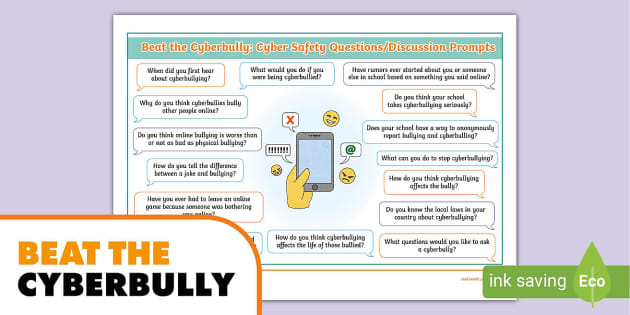
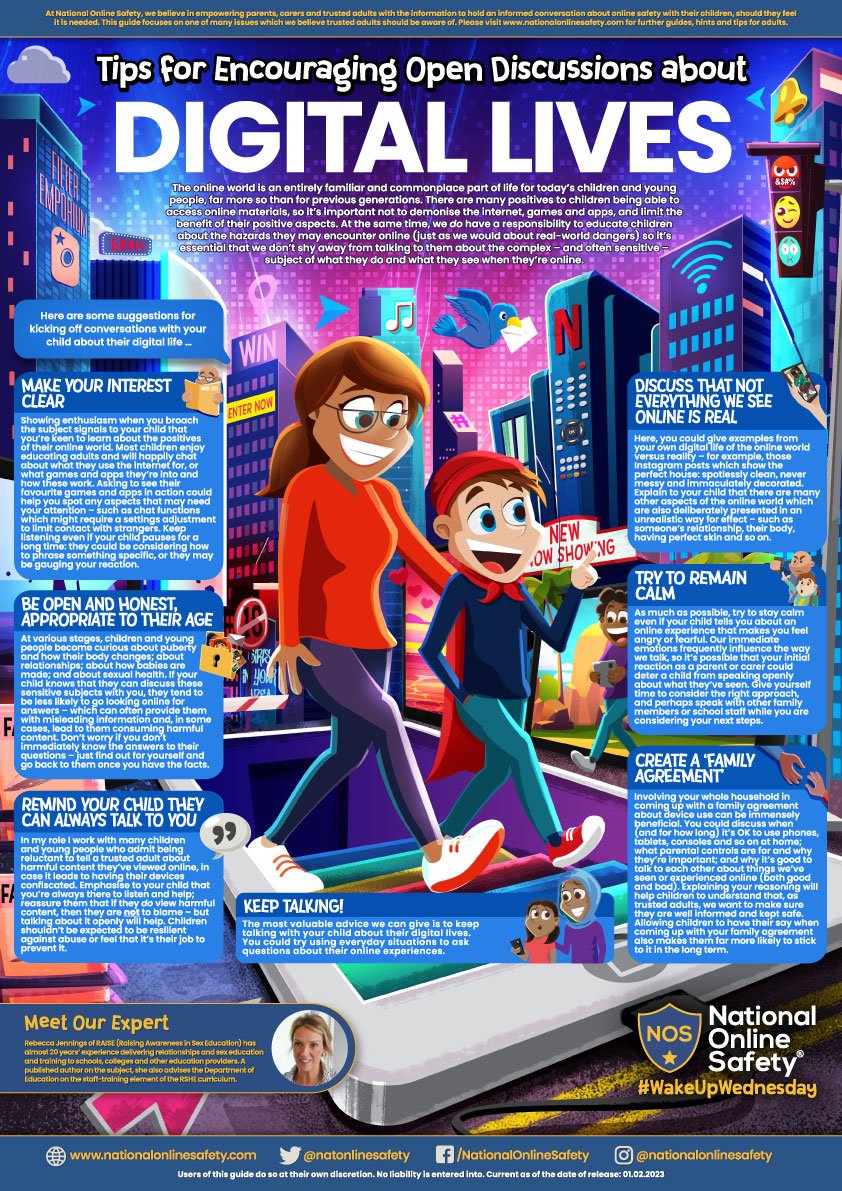
Implementation succeeds through collaborative engagement rather than top-down lectures. Educators and caregivers should print copies for every participant, laying the foundation for a family or classroom meeting. It sounds simple, and that’s the point: sitting side-by-side to discuss expectations removes the adversarial tone often accompanying tech talks. Adults guide the conversation by asking open-ended questions about favorite apps and online boundaries. Once terms are agreed upon, both parties sign the document, cementing a shared pledge that can be revisited as technology use evolves. For additional foundational activities, exploring internet and digital safety resources provides complementary discussion prompts.
Practical Tips for Parents and Teachers
Consistency transforms a piece of paper into a living, breathing guide. Display the completed agreement near charging stations or classroom computer carts where everyone sees it daily. Review the terms monthly to assess whether time limits need adjustment based on growing maturity and changing academic demands. When challenges arise, point back to the signed pledge as a neutral referee instead of resorting to emotional arguments. Integrating related exercises from a collection of educational worksheets helps reinforce these lessons through varied formats, keeping engagement high across different learning styles.
Age-Appropriate Recommendations
Developmental readiness dictates how digital agreements are introduced and enforced. Younger children aged five to eight require concrete rules focused on physical device handling, adult supervision, and immediate reporting of strange pop-ups. Older elementary students aged nine to twelve can handle nuanced discussions about digital footprints, respectful in-game communication, and the importance of strong passwords. Aligning these conversations with the Common Sense Education Digital Citizenship Curriculum ensures that expectations match cognitive development and social readiness, supporting lifelong healthy technology habits.
Children frequently encounter digital risks through shared household tablets, casual in-game messaging systems, and mainstream video streaming platforms. — Common Sense Media
Frequently Asked Questions
Downloading and implementing this educational material is straightforward. Print the document directly from a standard home or school printer, grab some writing utensils, and set aside ten minutes for a focused discussion. The printable supports online safety learning by turning abstract rules into a concrete, visual commitment that children help design. According to the Federal Trade Commission, open and regular communication between adults and children is vital for helping young people navigate digital spaces safely and confidently.
Explore More Free Kids Online Safety Printables
Expanding a digital citizenship toolkit requires a variety of engaging formats to maintain children’s interest. Creative activities help cement foundational lessons through low-stress exercises that spark natural discussions. Discovering more options through curated coloring pages provides a relaxing medium for younger learners to process safety concepts. Furthermore, browsing comprehensive online and digital safety materials ensures that educators and families remain well-equipped for every stage of a child’s digital journey.
Developmental Milestone & Activity Table
| Development Stage | Recommended Daily Duration | Primary Learning Objective |
|---|---|---|
| Preschool & Pre-K | 10 – 15 Minutes | Pencil grip development & basic pre-stroke lines |
| Kindergarten | 15 – 20 Minutes | Letter/number formation & spatial line awareness |
| Early Elementary (Grade 1–2) | 20 – 30 Minutes | Fluency, sentence construction & neatness |
Images References