Why Proactive Digital Literacy Shapes Safer Learners
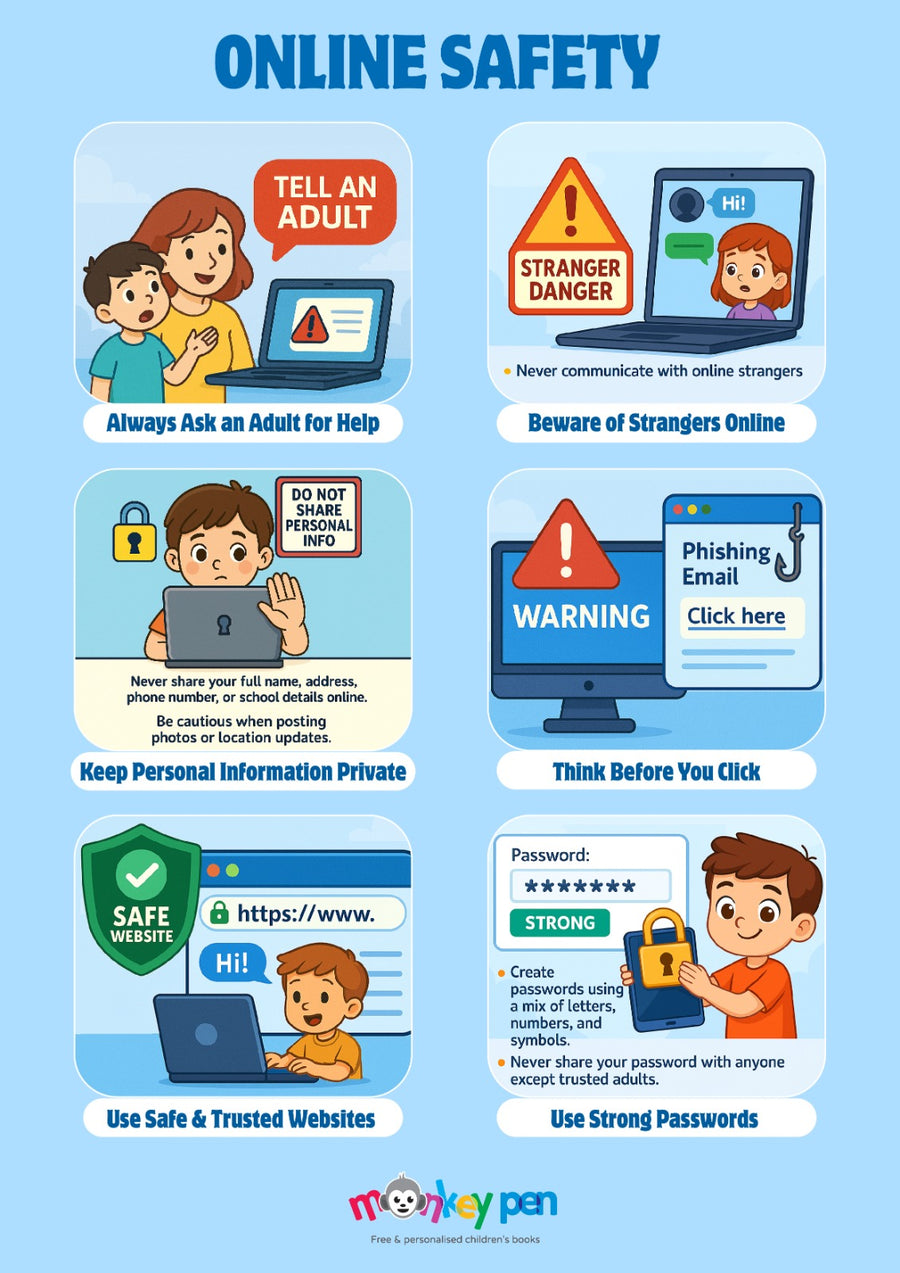
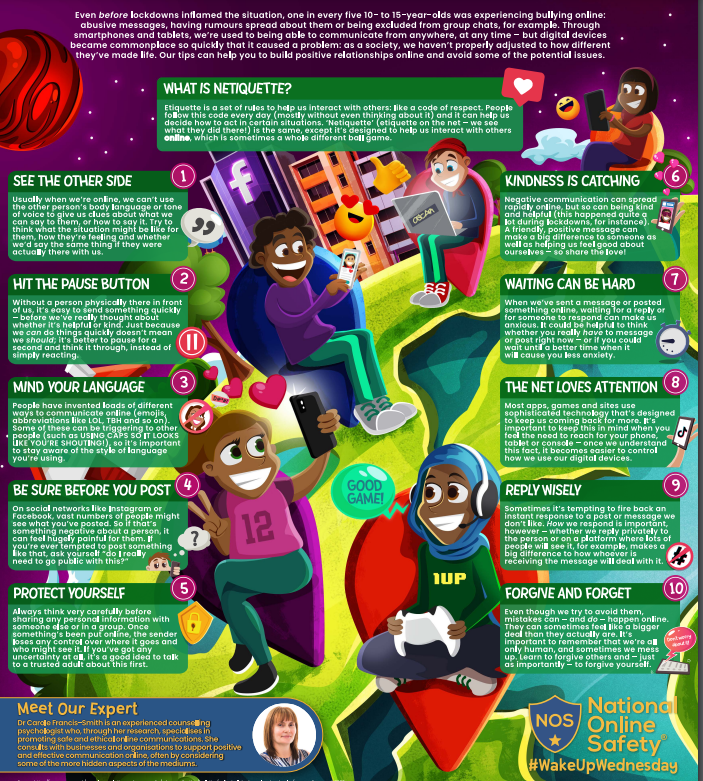
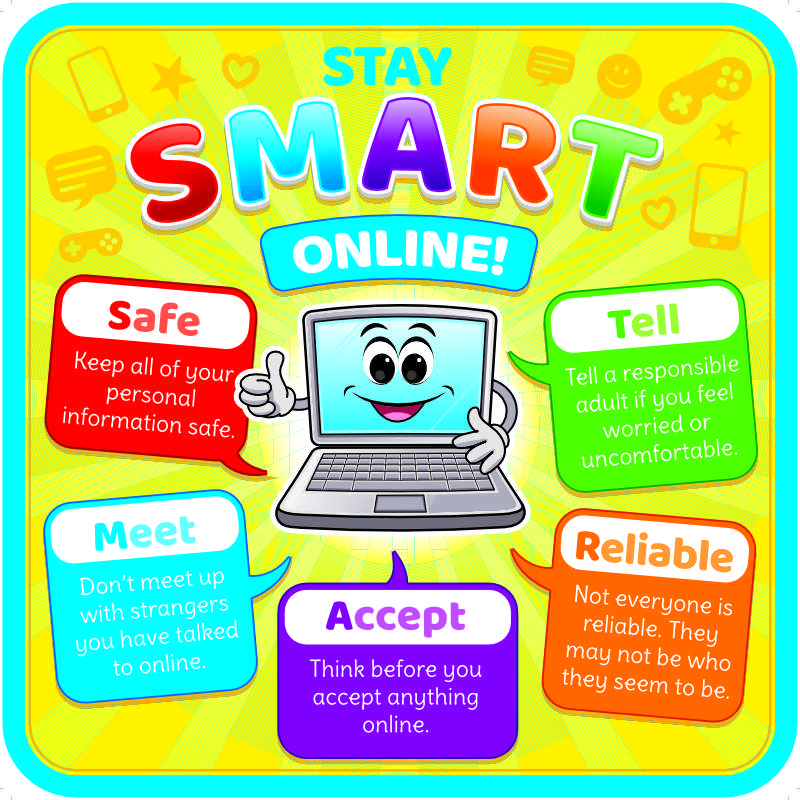
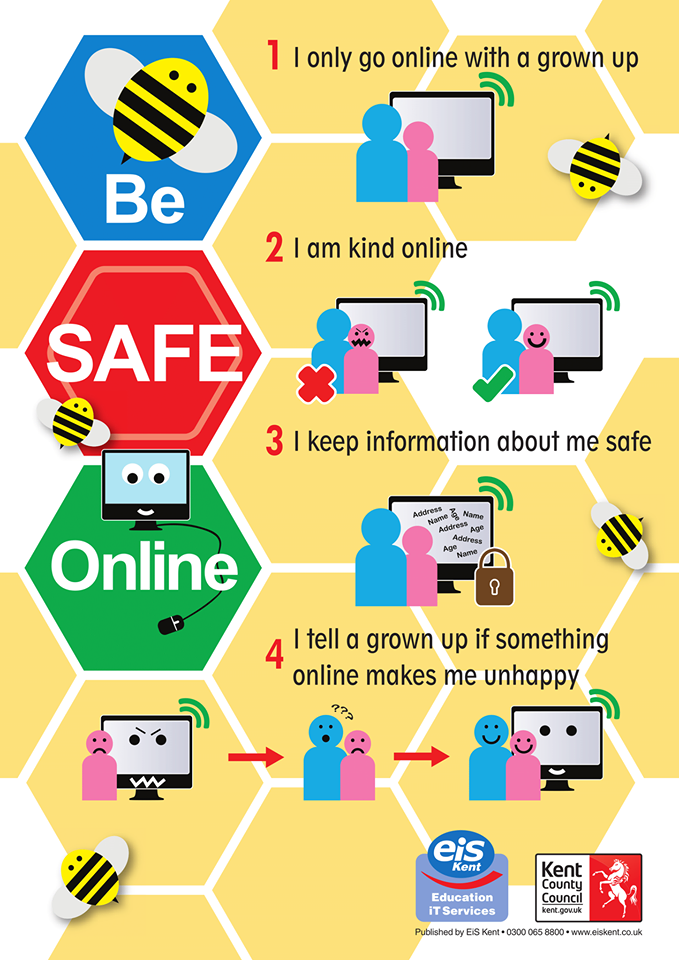
In today’s interconnected learning environments, students navigate everything from classroom tablets to social communication apps before they even reach middle school. Understanding the real-world advantages of online safety awareness helps parents and educators move past fear-based restrictions and toward genuine digital empowerment. Leading organizations like CISA and ConnectSafely emphasize that when children understand the why behind digital guardrails, they are far more likely to make prudent choices, protect their personal information, and seek help immediately when things go wrong online. Related guide: Online Cyber Safety Games.
💡 Educational Key Takeaways:
- Core Skill: Structured Adnantages Of Online Safety Awareness focused on developing pencil grip, stroke control, and early literacy/math confidence.
- Target Scope: Suited for homeschoolers, preschool, kindergarten, and elementary learners.
- Best Recommendation: Practice 10–15 minutes daily with ergonomic writing tools to reinforce muscle memory without hand fatigue.
Balancing Technical Controls and Behavioral Guardrails
While software filters and age-appropriate device controls are essential components of modern device management, technology alone cannot catch every emerging risk. Adults must pair robust backend settings with active observation. The breakdown below highlights common digital environments, the vulnerabilities children frequently encounter within them, and concrete safeguards to mitigate those risks.
| Setting / Context | Common Vulnerability | Practical Safeguard |
|---|---|---|
| Home Devices & Tablets | Unmonitored late-night browsing and accidental access to mature content. | Establish a centralized household charging station in a common area to remove screens at bedtime. |
| School Chromebooks & Portals | Bypassing network filters through unauthorized proxy extensions or game sites. | Reinforce clear classroom policy communication regarding acceptable use and audit extension logs regularly. |
| Social Apps & Chatrooms | Oversharing location data or interacting with unverified peer profiles. | Review privacy settings together, turning off public location sharing and enforcing strict friend lists. |
Actionable Steps for Consistent School and Home Routines
Consistency between school expectations and home habits is the cornerstone of effective digital citizenship. Educators and parents can collaborate by establishing predictable routines that normalize online safety discussions. Start by implementing two-factor authentication on all personal and educational accounts to prevent unauthorized access. Create reporting workflows that rely on open communication rather than punitive threats, ensuring students feel safe reporting cyberbullying or accidental exposure to inappropriate material. Many classrooms also find success incorporating structured Worksheets that prompt kids to evaluate online scenarios critically.
Overcoming Student Workarounds and Handling Pushback
When adults rely solely on hyper-restrictive blocks, tech-savvy students often view security measures as a challenge to circumvent, utilizing VPNs or secondary accounts to dodge oversight. To prevent these workarounds, safety educators recommend pairing technical filters with calm, collaborative check-ins. Acknowledge that curiosity is natural, but explain the mechanics behind security risks clearly. When students understand how phishing schemes or data tracking operate, they develop intrinsic motivation to respect digital boundaries.
Frequently Asked Questions on Digital Literacy
At what age should we start talking about digital safety?
Conversations should begin as soon as children handle interactive devices, often in preschool or kindergarten. Keep early lessons simple by focusing on device sharing, screen time limits, and asking an adult before downloading apps.
How do we handle a child who hides their online activity?
Instead of immediately confiscating devices, approach the situation with curiosity and calm reassurance. Explain that privacy is important, but safety comes first, and establish shared expectations that secretive behavior breaks trust.
Where can I find engaging material to reinforce these lessons?
Integrating creative activities like targeted Coloring Pages can help younger students grasp abstract digital concepts in a fun, pressure-free environment.
Explore More Digital Citizenship Resources
Building a resilient digital community requires ongoing education, shared toolkits, and reliable guidance for both home and classroom environments. To discover further strategies, lesson plans, and expert advice on protecting youth online, visit us at SafeWiredSchools.org.
Visual Reference Gallery