Introduction
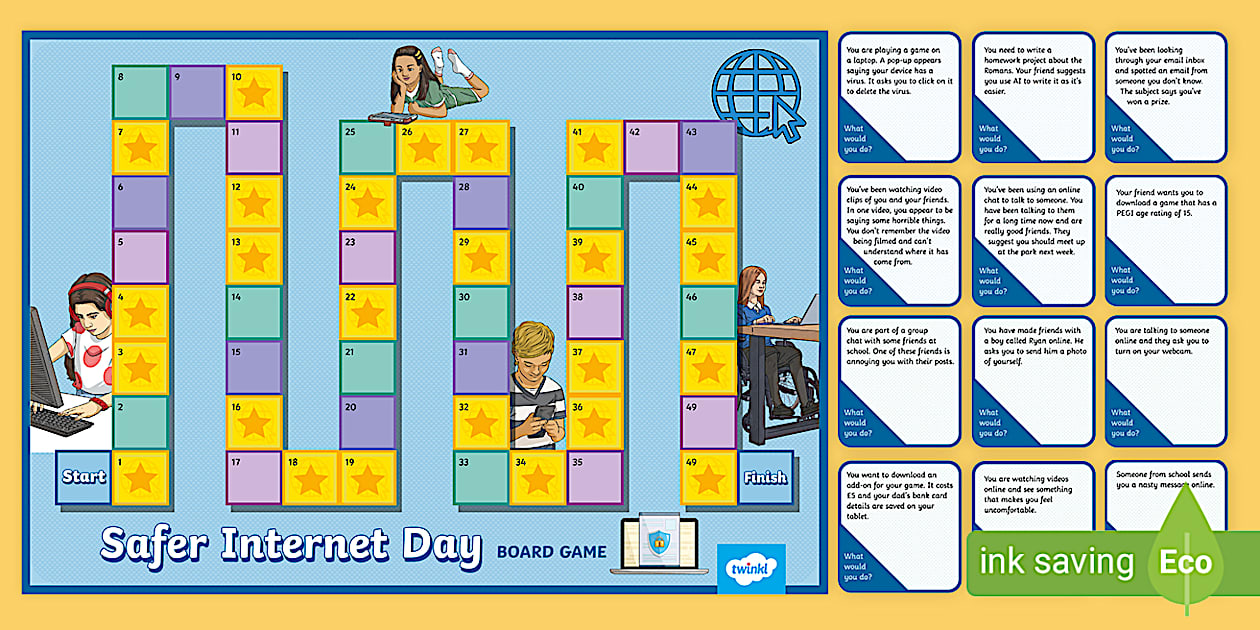
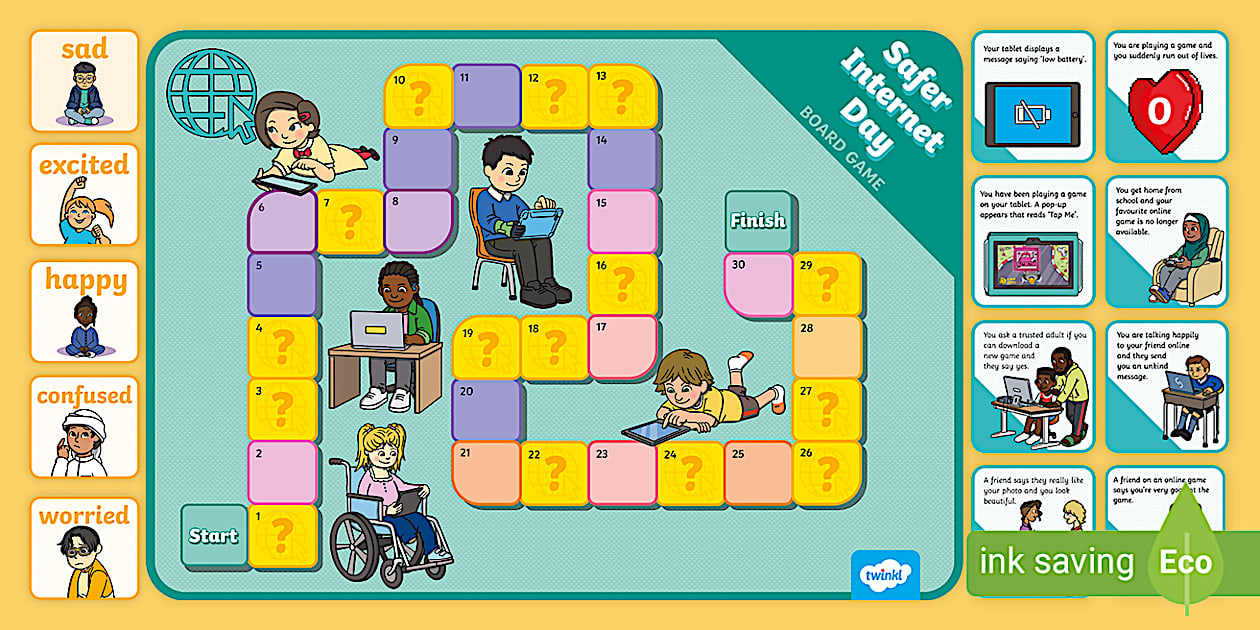
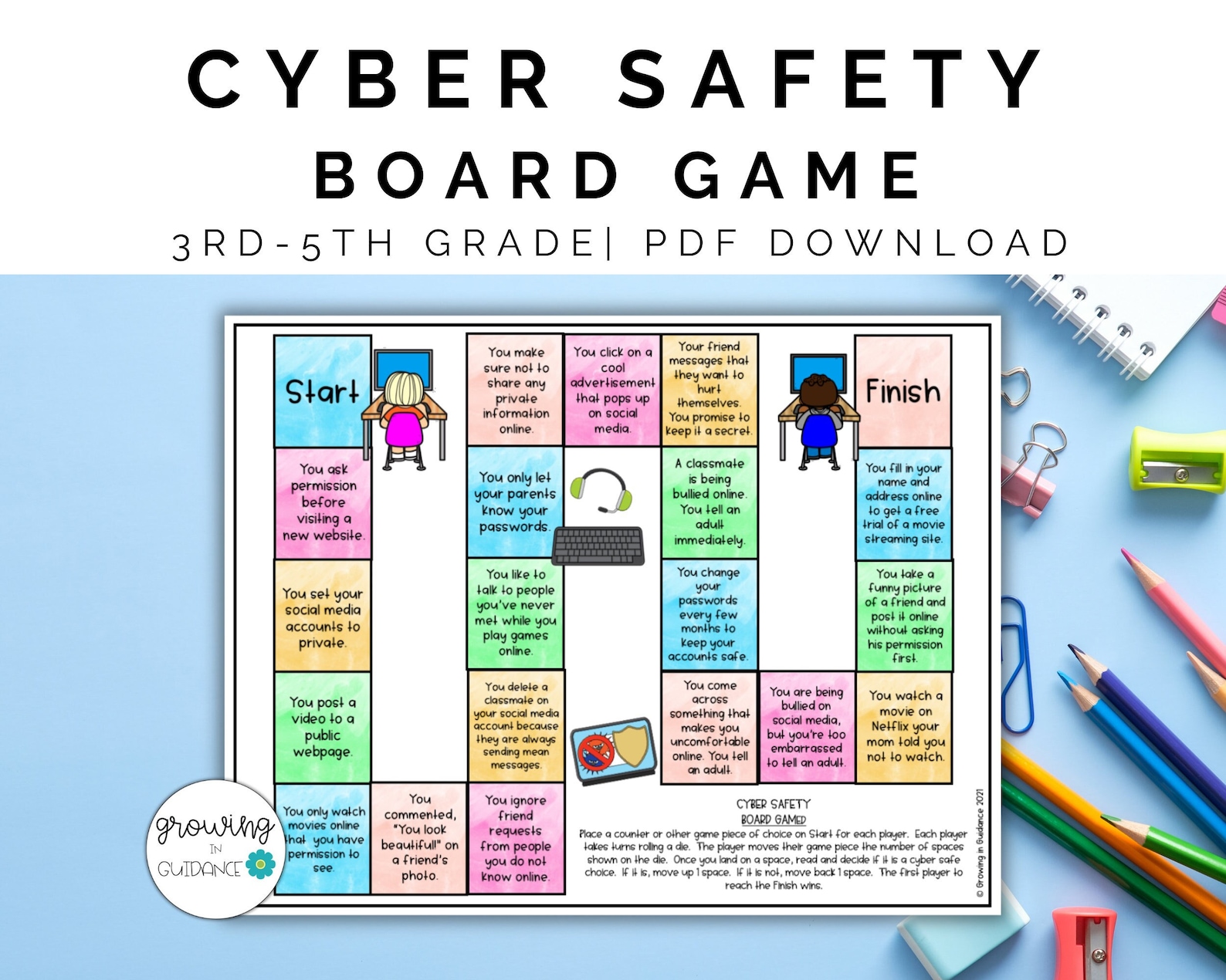
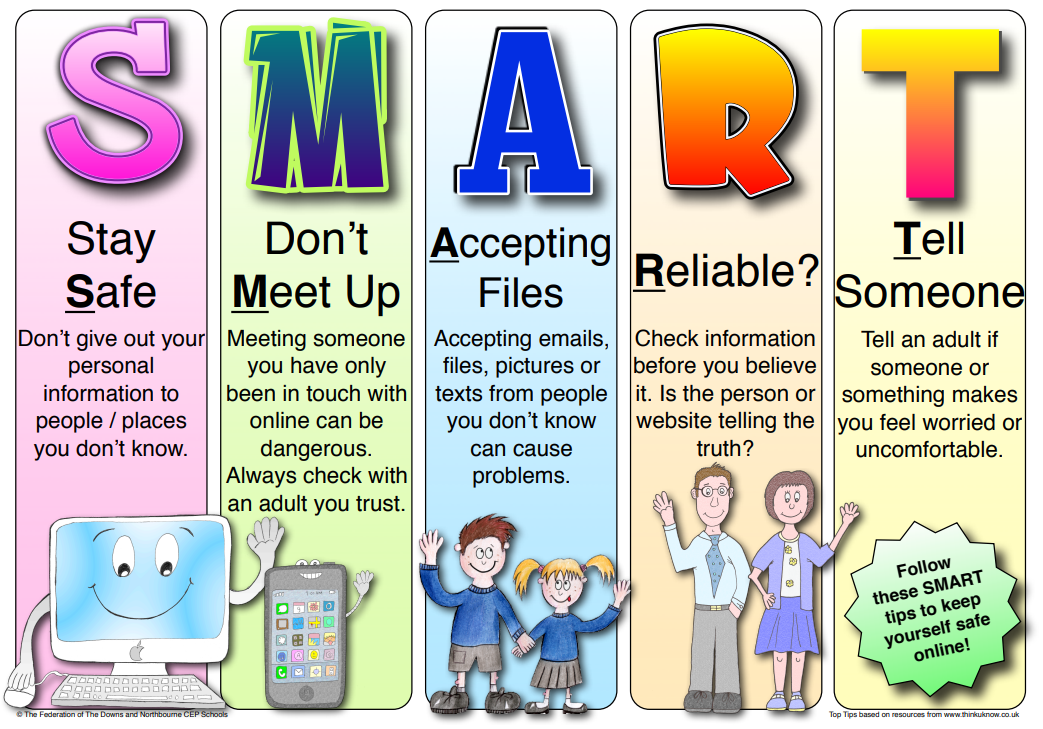
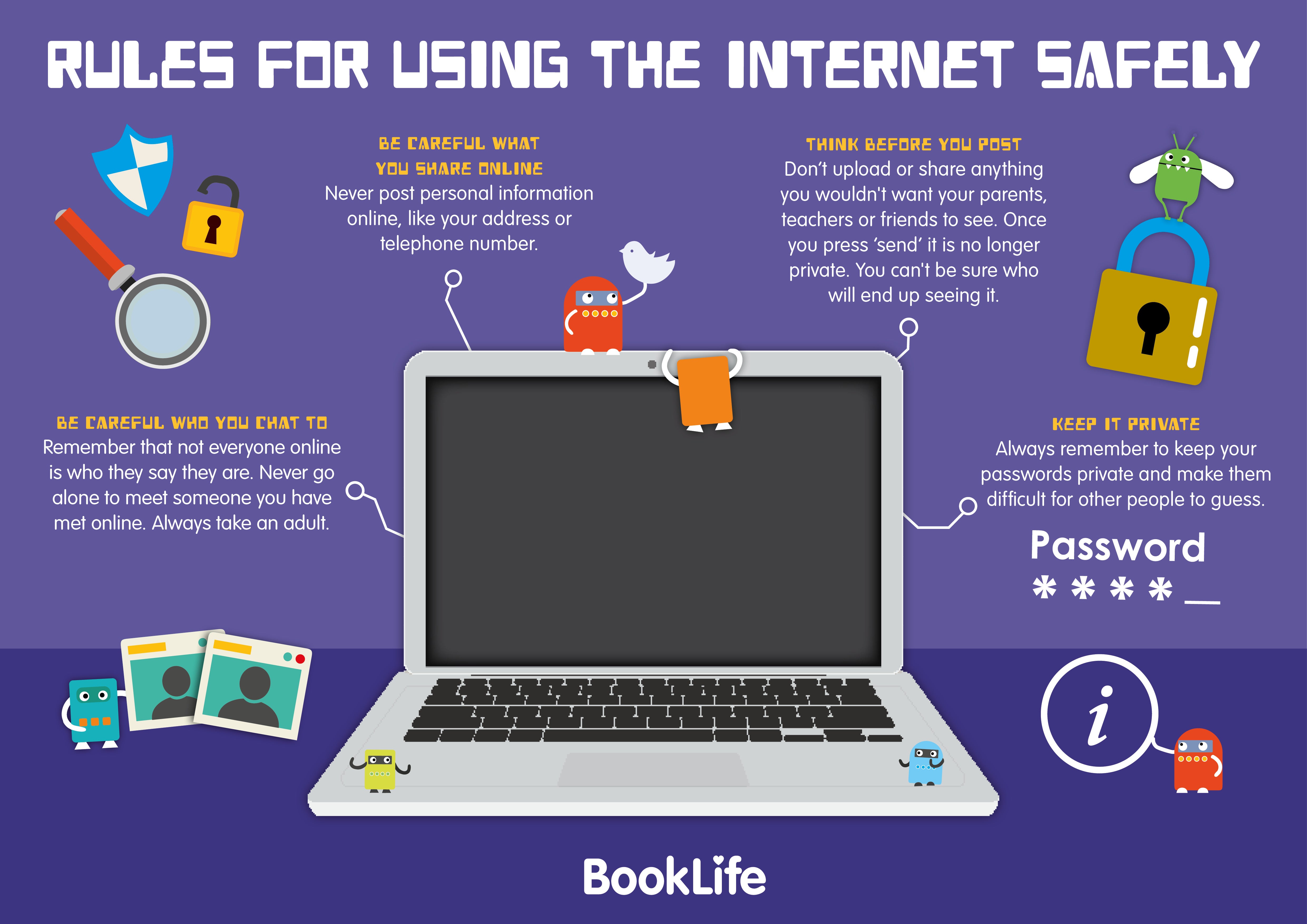
Online cyber safety games are interactive educational digital tools that teach middle school students essential internet protection, privacy management, and responsible technology use through gamified scenarios. According to the Cybersecurity and Infrastructure Security Agency (CISA), embedding interactive digital literacy tools into educational routines significantly improves student retention regarding online threats. Educators, school administrators, and parents increasingly rely on these gamified experiences to transform abstract cybersecurity concepts into engaging, memorable lessons. By exploring foundational lessons found within the broader Internet and Digital Safety curriculum, schools establish resilient defense strategies against modern digital risks.
Digital Safety Snapshot:
- Core Focus: Gamified instruction for student cybersecurity, privacy management, and device hygiene.
- Target Scope: Middle school classrooms, digital citizenship programs, and home environments.
- Key Recommendation: Integrate scenario-based play to reinforce digital footprint awareness and anti-bullying behaviors.
Core Principles and Detailed Overview
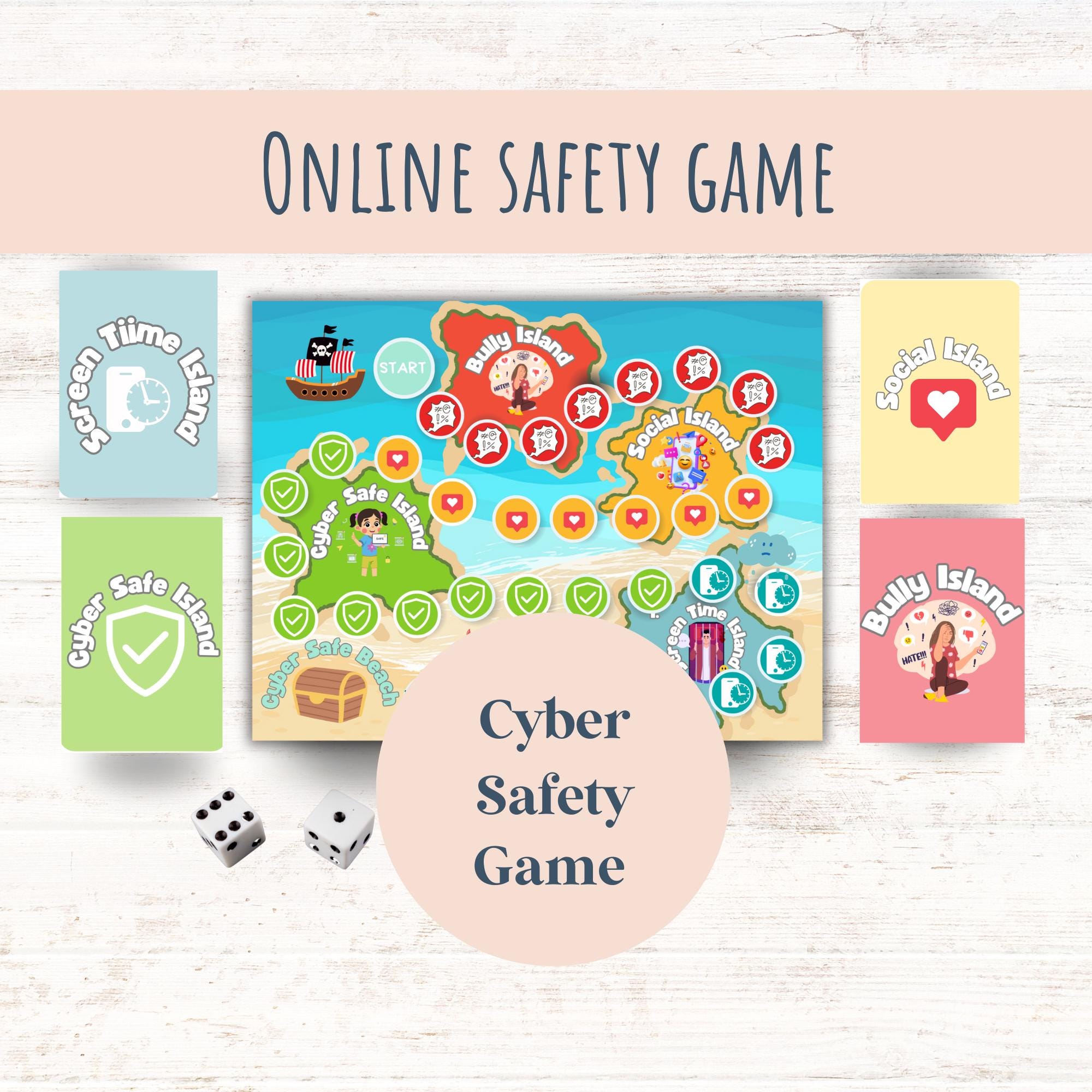
Online cyber safety games operate by immersing students in simulated virtual environments where digital choices yield immediate, consequence-driven outcomes. Direct answer: These interactive modules effectively reinforce student internet safety, digital footprint curation, cyberbullying prevention, device hygiene, and healthy classroom screen balance without inducing fear. When middle school students navigate simulated phishing emails, peer harassment dilemmas, or unsecured public Wi-Fi networks in a controlled game setting, critical thinking skills naturally develop. Integrating these interactive exercises with complementary Worksheets bridges theoretical digital rules with real-world application, ensuring comprehensive digital citizenship mastery across all grade levels.
Key Specifications and Breakdown
| Safety Pillar | Digital Risk Factor | Actionable Protective Habit |
|---|---|---|
| Digital Footprint | Permanent storage of inappropriate text or images | Verify audience privacy settings before posting content online |
| Cyberbullying | Harassment and exclusion within multiplayer chat platforms | Block perpetrators and report malicious behavior immediately |
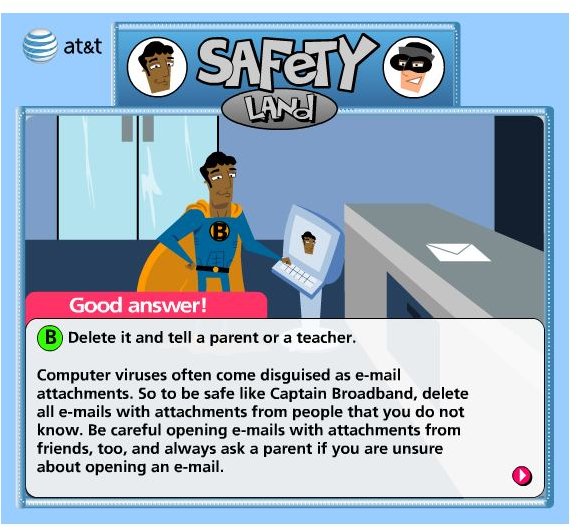
| Device Hygiene | Malware infection via unsecured downloads and weak passwords | Utilize strong passphrases and update operating systems regularly |
Interactive gamification significantly improves hazard recognition and threat mitigation behaviors among adolescent internet users by turning passive instruction into active decision-making practice. — Cybersecurity & Infrastructure Security Agency (CISA)
Step-by-Step Practical Application and Guidelines
Implementing online cyber safety games successfully requires a structured, multi-phase approach that aligns gameplay with specific school curriculum benchmarks. Direct answer: Educators should first assess student baseline knowledge, select curriculum-approved simulation software, facilitate guided gameplay sessions, and conclude with reflective group discussions regarding real-world digital encounters. Schools maintain optimal classroom screen balance by limiting digital simulation sessions to targeted educational windows, thereby preventing digital fatigue while maximizing instructional impact. Reinforcing these concepts through periodic reviews ensures that students consistently apply safe device hygiene and empathetic communication standards across all connected platforms.
Common Challenges and How to Avoid Them
Common challenges associated with deploying digital safety games include student disengagement, trivialization of serious risks, and inadequate transfer of gameplay knowledge into everyday behavior. Direct answer: Overcome these obstacles by pairing simulations with open-ended classroom discussions, establishing strict behavioral accountability during multiplayer activities, and continuously monitoring individual student progress. Educators must ensure that gaming platforms do not inadvertently minimize severe issues such as online exploitation or targeted harassment. Establishing clear reporting channels ensures students know how to seek immediate adult intervention when encountering genuine online threats outside the simulated environment.
💬 Frequently Asked Questions
Explore More Kids Safety and Digital Citizenship Guides on SafeWiredSchools
Advancing student digital citizenship requires a continuous commitment to comprehensive educational resources, proactive policy enforcement, and community collaboration. Educators, administrators, and parents can discover additional strategies, lesson plans, and instructional tools by exploring the extensive archives maintained at Safe Wired Schools.
Visual Reference Gallery