Introduction
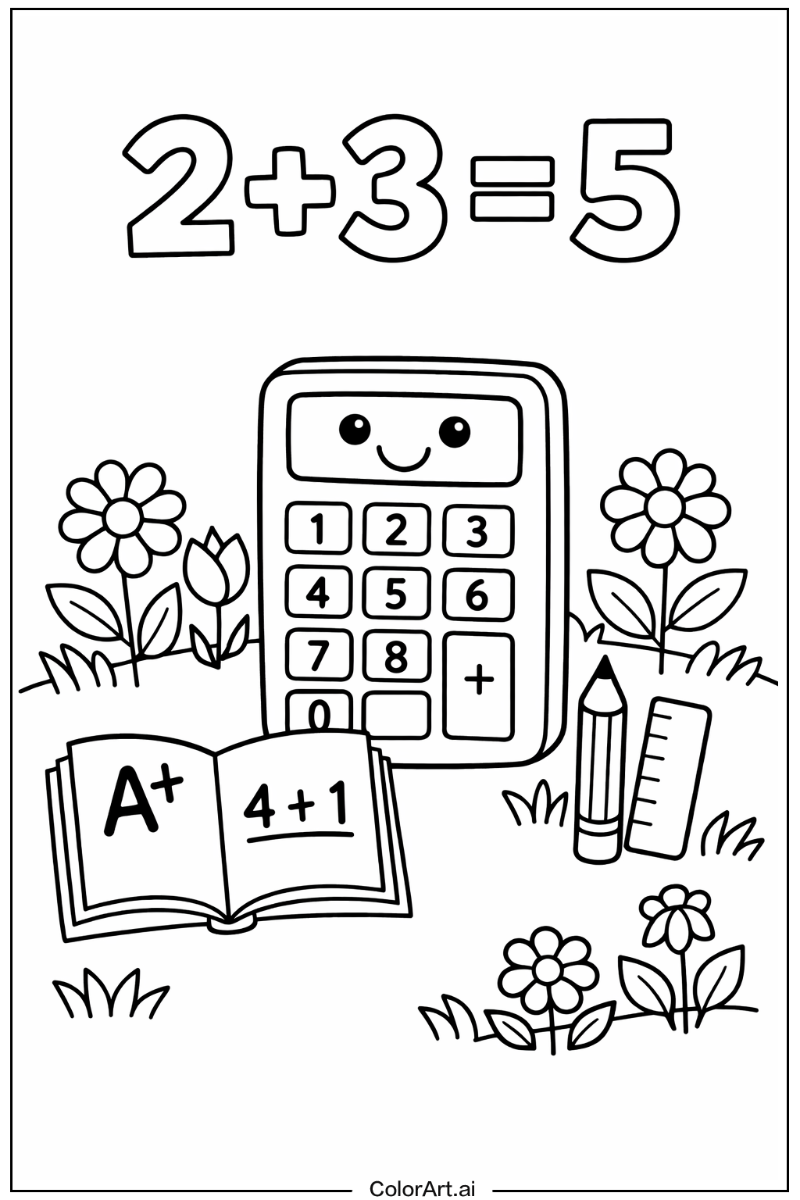
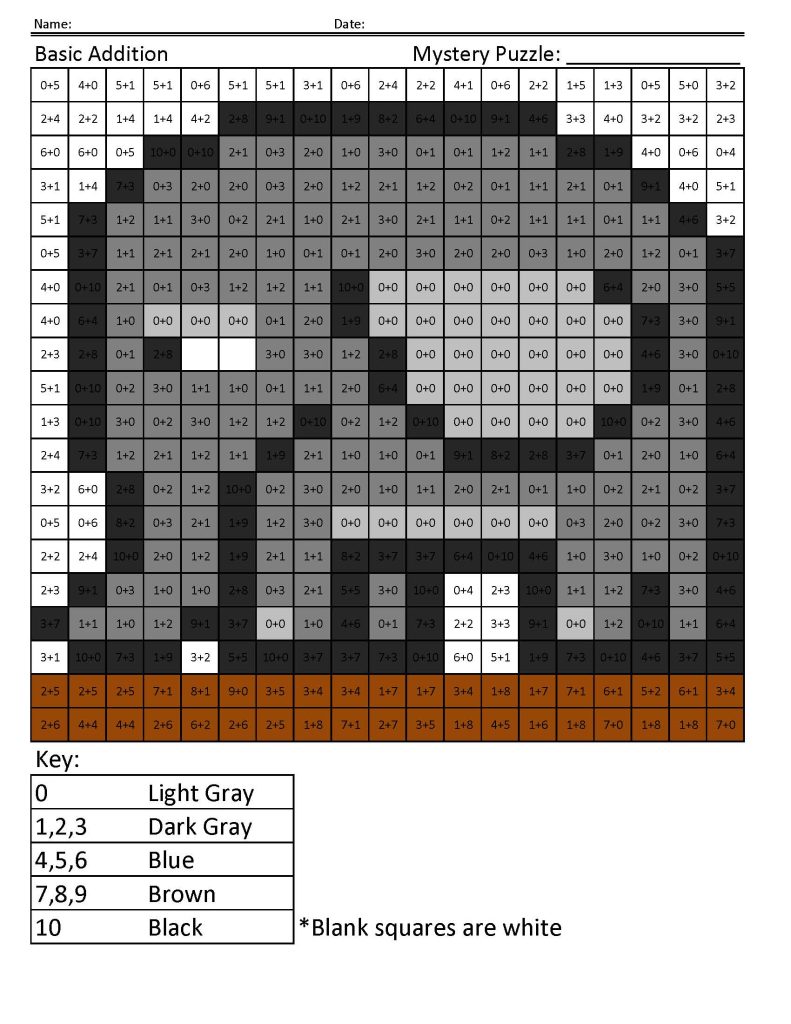
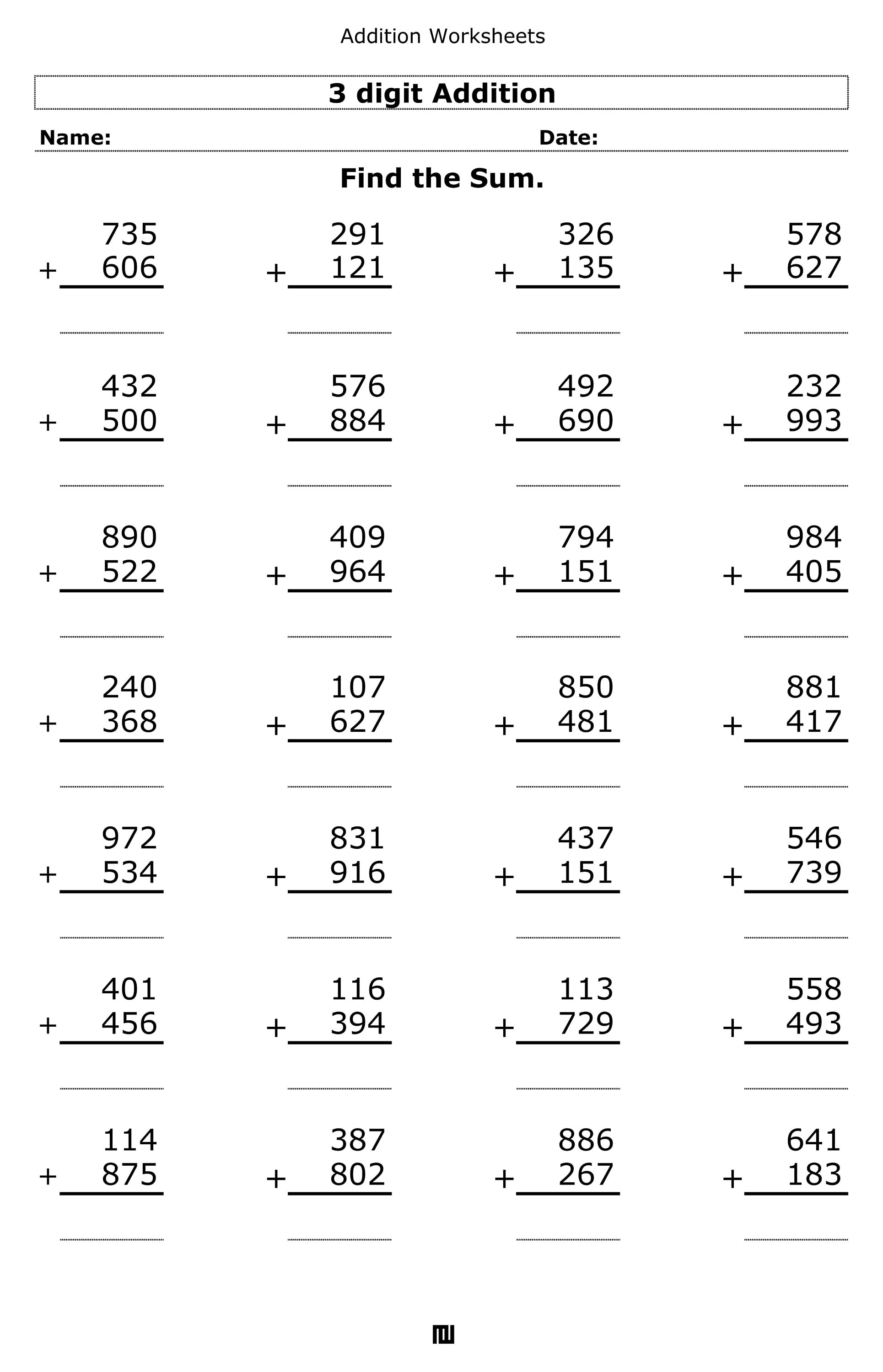
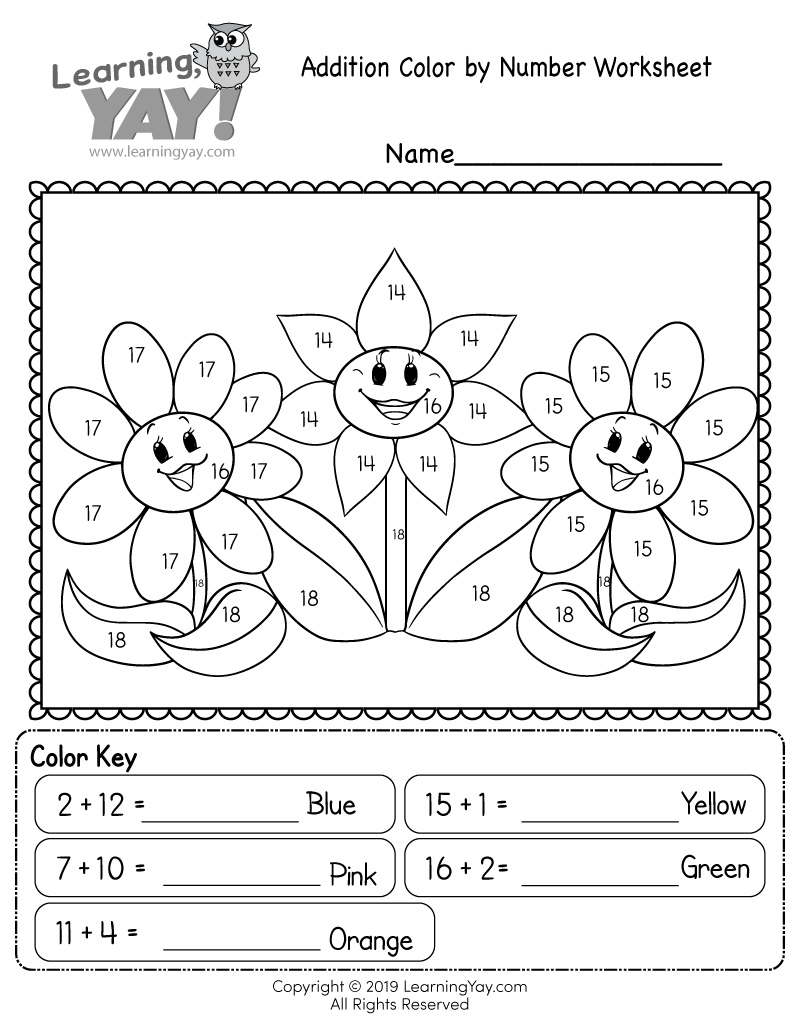
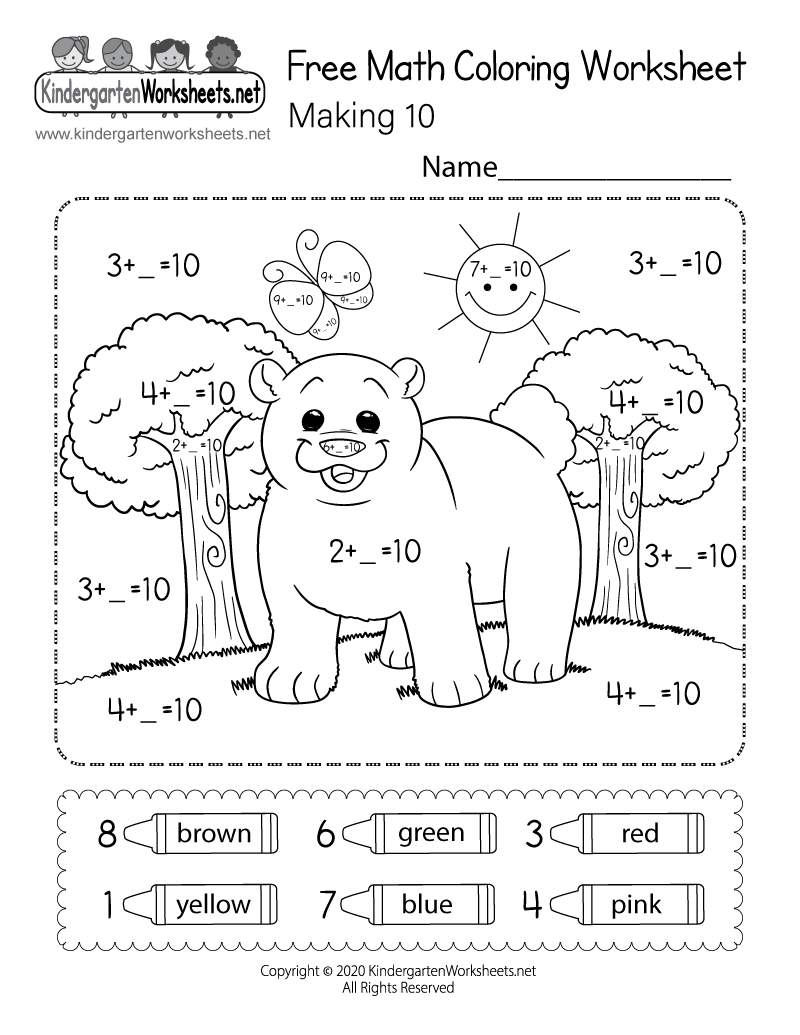
Coloring math worksheets represent structured educational printables that blend arithmetic problem-solving with artistic color-coding to reinforce cognitive concepts while keeping screen exposure balanced. According to ConnectSafely, integrating offline kinetic learning materials significantly reduces unwarranted digital screen exposure and minimizes vulnerable online touchpoints for school-aged children. Parents, educators, and school administrators utilize these hybrid activities to maintain robust device hygiene, deter excessive continuous browsing, and foster healthy offline engagement. Emphasizing tangible assignments within the curriculum prevents accidental exposure to unvetted web applications and curbs the proliferation of unnecessary digital footprints. Academic environments leverage physical printables alongside curated resources like Worksheets to protect student privacy and ensure regulatory compliance under children’s online safety standards.
Digital Safety Snapshot:
- Core Focus: Blending offline math computation with coloring tasks to promote screen-free cognitive development.
- Target Scope: Middle school classrooms, remote learning balance plans, and household device-free zones.
- Key Recommendation: Substitute unverified digital puzzle apps with verifiable printed exercises to mitigate tracking risks.
Core Principles and Detailed Overview
Offline educational media such as math-based artistic exercises actively fortify cybersecurity posture by reducing the volume of connected devices operating simultaneously in unsupervised settings. Digital classrooms increasingly face challenges involving cyberbullying, accidental data collection through unverified web platforms, and browser fingerprinting. Transitioning routine arithmetic drills from online portals to paper-based formats neutralizes these digital vulnerabilities entirely. Furthermore, educators utilize creative arithmetic tasks to maintain classroom focus without inviting distractions from embedded advertisements, push notifications, or unauthorized peer-to-peer messaging functions found on commercial educational software. Integrating structured printable tools directly supports comprehensive frameworks managed through Online and Digital Safety policies.
Key Specifications and Breakdown
| Safety Pillar | Digital Risk Factor | Actionable Protective Habit |
|---|---|---|
| Screen Balance | Digital eye strain and behavioral dependency | Rotate device-based lessons with tangible paper activities |
| Data Privacy | Third-party tracker injection on web apps | Download static PDF printables instead of using browser games |
| Cyber Bullying | Unmoderated chat features in study software | Isolate learning sessions to offline or closed-network tools |
Minimizing unnecessary device connectivity during foundational learning tasks directly curtails corporate data harvesting and protects juvenile digital identities. — Cybersecurity & Infrastructure Security Agency (CISA)
Step-by-Step Practical Application and Guidelines
Executing a secure hybrid curriculum requires intentional planning to separate internet-dependent research from offline practice drills. Educators and parents must first audit existing math applications to verify compliance with privacy laws before assigning any web-based arithmetic modules. Following this audit, schools should establish dedicated offline intervals where students complete coloring math worksheets using physical writing instruments. This methodology ensures that children develop fundamental computational fluency without exposing personal metadata to tracking cookies or behavioral analytics software. Administrators can complement these physical practices by sharing guidance from Internet and Digital Safety modules with the broader school community.
Common Challenges and How to Avoid Them
Resisting the urge to default to screen-heavy gamified platforms remains a primary challenge for modern educators seeking engaging math practice. Schools often encounter pushback when replacing interactive tablet games with static printables, as students have grown accustomed to immediate digital feedback loops. Overcoming this hurdle involves pairing offline math sheets with collaborative classroom discussions or hands-on peer review rather than solitary digital quizzing. Additionally, educators must ensure that downloaded printable files originate exclusively from reputable institutional repositories rather than unvetted web searches that might expose school networks to malicious redirects or misleading advertisements.
💬 Frequently Asked Questions
Explore More Kids Safety and Digital Citizenship Guides on SafeWiredSchools
Maintaining a secure, balanced educational environment requires continuous access to vetted resources, expert methodologies, and up-to-date digital citizenship policies. Stakeholders are encouraged to explore the complete library of protective resources and instructional guides available at Safe Wired Schools to further support safe student development across all academic settings.
Printable Coloring Page Previews