Introduction
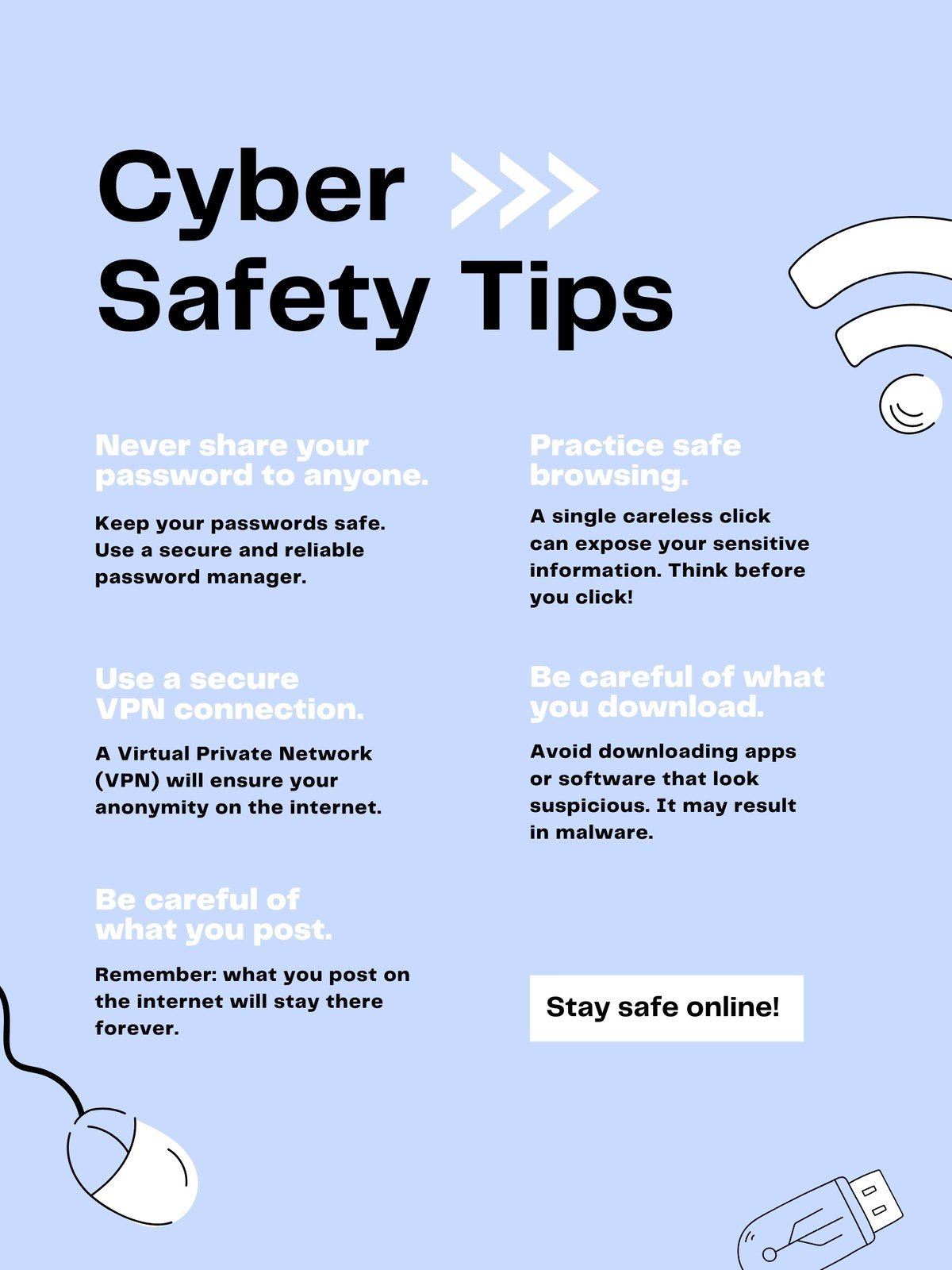
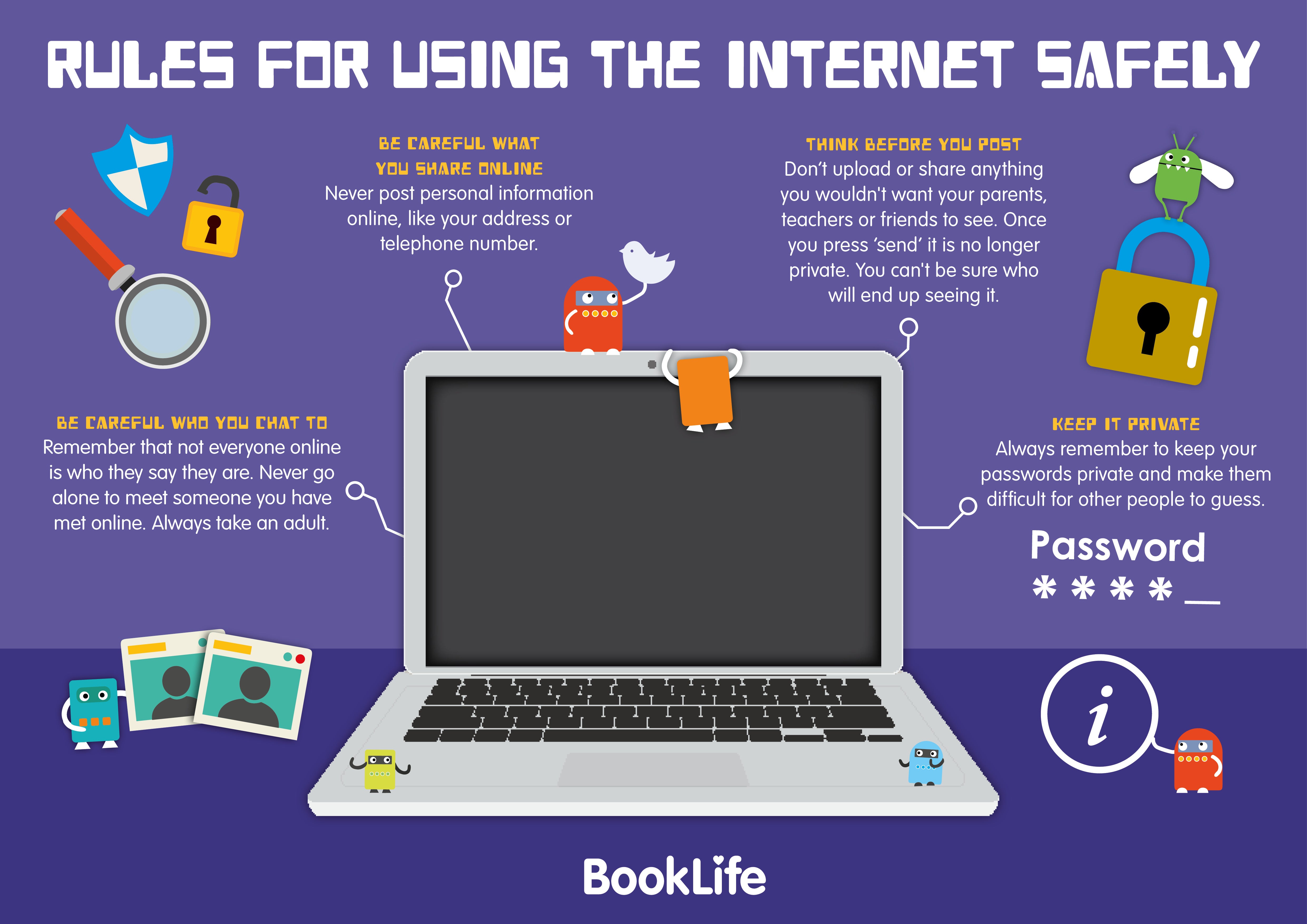
An online cyber safety poster functions as a high-visibility visual communication tool designed to reinforce institutional digital citizenship standards, promote secure device hygiene, and mitigate risks associated with student digital footprints. According to the Cybersecurity and Infrastructure Security Agency (CISA), schools must prioritize the integration of cybersecurity awareness into daily learning environments to protect student data and foster responsible online behavior. These educational assets translate complex digital security policies into actionable, simplified directives for middle school students, teachers, and administrators.
Digital Safety Snapshot:
- Core Focus: Visual reinforcement of cybersecurity protocols and digital etiquette.
- Target Scope: Classroom, library, and common area deployment within middle school settings.
- Key Recommendation: Utilize high-contrast, text-minimal designs that highlight immediate behavioral shifts.
Core Principles and Detailed Overview
Effective online cyber safety posters utilize cognitive priming to reduce digital vulnerability by emphasizing specific, repeatable safety habits rather than broad, abstract concepts. By anchoring visual cues in high-traffic zones—such as computer labs or charging stations—educational institutions create a persistent reminder of the Internet and Digital Safety standards required for academic success. These posters focus on three critical domains: the permanence of the digital footprint, the social implications of cyberbullying, and the technical necessity of device hygiene. Integrating these visual prompts assists in shifting the culture from reactive security measures to proactive digital citizenship.
Key Specifications and Breakdown
| Safety Pillar | Digital Risk Factor | Actionable Protective Habit |
|---|---|---|
| Digital Footprint | Permanent reputation damage | Think before posting content |
| Cyberbullying | Social and emotional harm | Report, block, and seek help |
| Device Hygiene | Malware and account breach | Log out of shared devices |
Cybersecurity Awareness Principle: Security is a shared responsibility; individuals must adopt a “Stop. Think. Connect.” approach to verify the legitimacy of digital interactions before sharing personal identifiers. — Cybersecurity and Infrastructure Security Agency (CISA)
Step-by-Step Practical Application and Guidelines
Implementing an effective poster campaign requires a systematic approach that aligns visual content with existing curriculum and Worksheets to ensure longitudinal retention. Administrators should first conduct a digital risk assessment of the school environment to identify the most frequent student infractions, such as unauthorized file downloads or social media misuse. Once identified, posters must be placed at eye level in proximity to the specific hardware or software being protected. Teachers are encouraged to dedicate five minutes of class time to deconstruct the poster’s message, ensuring students understand the underlying rationale rather than viewing the imagery as mere decoration. Consistent rotation of these materials prevents “poster blindness,” ensuring the information remains relevant to emerging digital trends.
Common Challenges and How to Avoid Them
Ineffective posters often fail due to excessive text density, contradictory messaging, or placement in low-visibility areas that do not interrupt the student’s digital workflow. Avoid creating posters that rely on fear-based tactics, as research indicates that empowering, habit-focused messaging yields higher compliance in adolescent populations. Maintenance involves regular audits to ensure physical posters remain legible, undamaged, and aligned with current school policies regarding Online and Digital Safety. When a poster becomes obsolete due to software updates or policy changes, immediate removal is necessary to maintain the integrity and authority of the school’s safety communication strategy.
💬 Frequently Asked Questions
Explore More Kids Safety and Digital Citizenship Guides on SafeWiredSchools
For additional resources to support a comprehensive school safety program, explore the extensive library of materials available at Safe Wired Schools. Access supplementary Coloring Pages and structured guides to continue building a robust culture of digital awareness within the educational community.
Visual Reference Gallery