Introduction
Evaluating the advantage and disadvantage of online and offline shopping requires examining consumer habits through the dual lenses of convenience and cybersecurity protection. According to the Federal Trade Commission (FTC Consumer Advice), digital transactions expose consumers to targeted advertising, data harvesting, and fraudulent merchant profiles, whereas physical marketplaces eliminate browser-tracking vectors while introducing distinct personal safety considerations. Navigating modern commerce demands a comprehensive understanding of how digital purchasing platforms impact student data footprints, device security hygiene, and peer-to-peer social dynamics within educational communities.
Digital Safety Snapshot:
- Core Focus: Analyzing the structural risks and operational benefits of digital versus brick-and-mortar retail environments for youth.
- Target Scope: Parents, educators, school administrators, and middle school students managing digital commerce exposure.
- Key Recommendation: Implement rigorous device hygiene and parental controls before authorizing any online retail engagement.
Core Principles and Detailed Overview
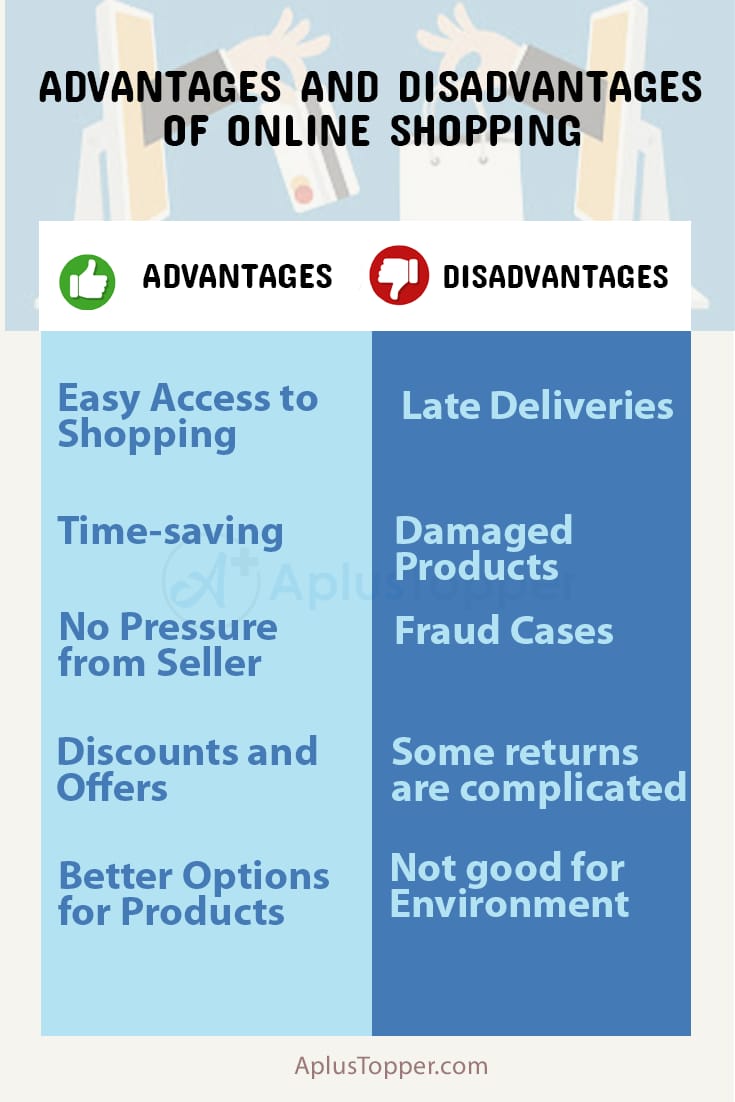
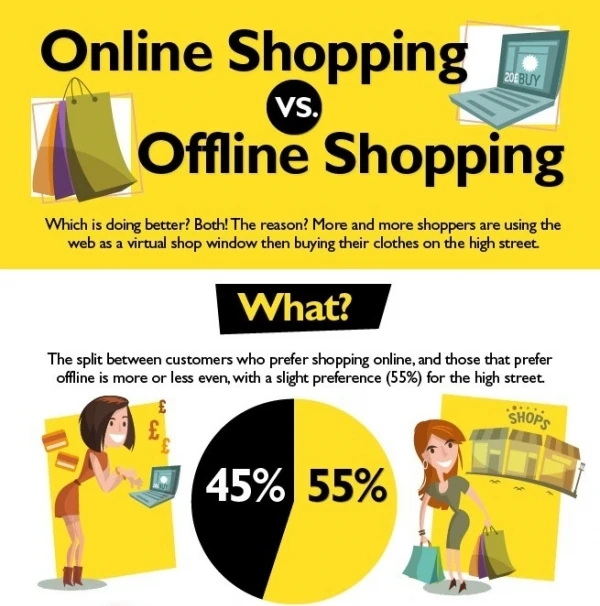
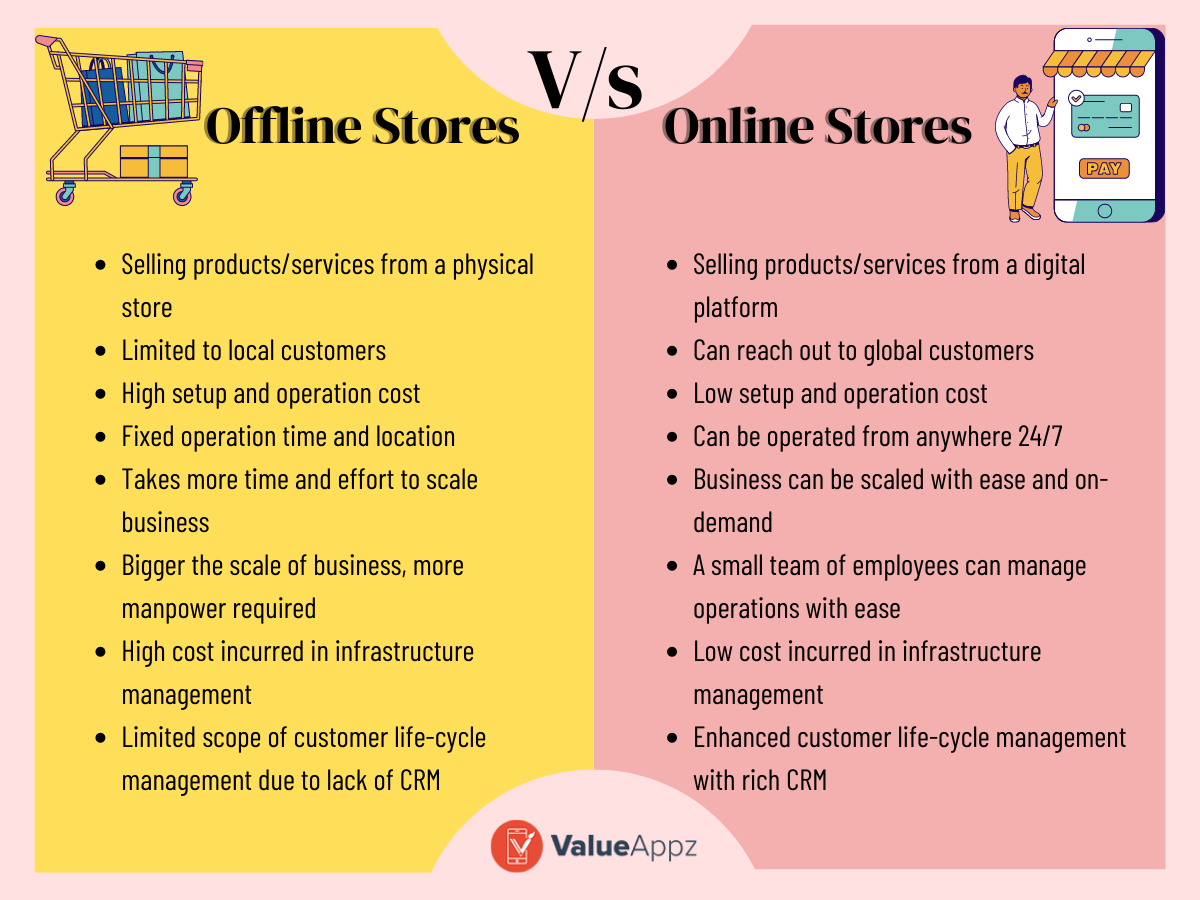
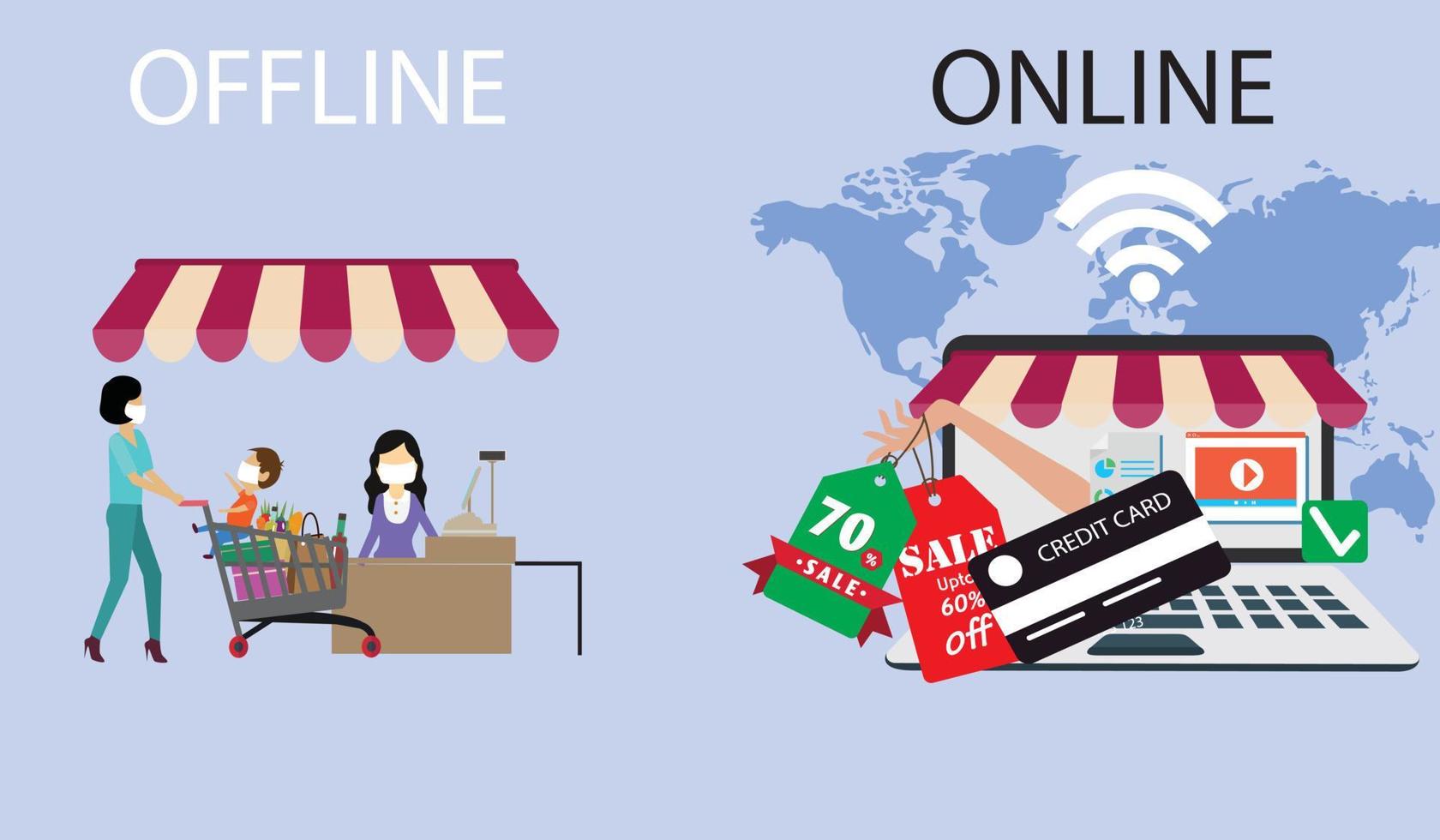
Assessing the advantage and disadvantage of online and offline shopping centers on balancing frictionless digital access against robust physical privacy safeguards. Online shopping delivers unmatched convenience, global inventory access, and immediate price comparison tools, yet it simultaneously creates lasting digital footprints through persistent cookies, behavioral tracking, and targeted marketing algorithms that can expose underage users to inappropriate products or deceptive scams. Conversely, offline shopping requires physical presence and cash or secure card transactions, completely neutralizing online phishing vectors, credential stuffing attacks, and malicious tracking pixels while encouraging healthy offline screen balance.
Key Specifications and Breakdown
| Safety Pillar | Digital Risk Factor | Actionable Protective Habit |
|---|---|---|
| Data Privacy | Aggressive tracking and behavioral profiling by retail apps | Disable personalized ads and clear browser cache regularly |
| Financial Security | Phishing pop-ups and fraudulent e-commerce storefronts | Use virtual prepaid cards and verify official domain certificates |
| Cyberbullying | In-game marketplace scams and targeted peer harassment | Restrict in-app purchasing and enable strict chat filters |
Digital commerce security protocols must prioritize the minimization of persistent tracking cookies and the rigorous protection of minors’ personally identifiable financial information during every transaction — Cybersecurity & Infrastructure Security Agency (CISA)
Step-by-Step Practical Application and Guidelines
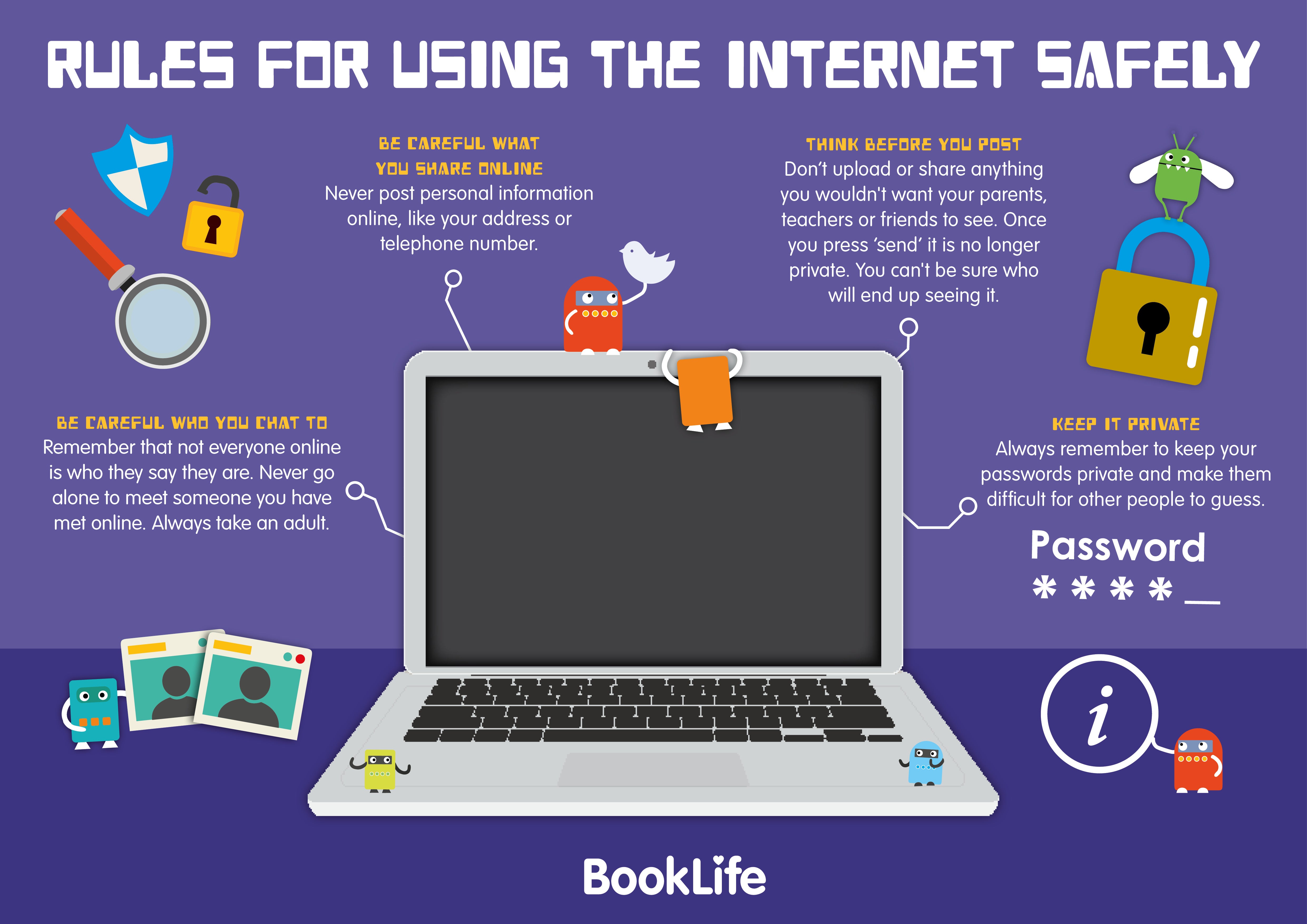
Establishing secure retail habits involves enforcing structured device governance, strict payment isolation, and proactive educational discussions in both homes and classrooms. Parents and educators must guide students to recognize unverified pop-up advertisements, resist impulse purchases driven by manipulative design patterns, and protect account credentials across all digital platforms. Furthermore, integrating lessons on commercial digital citizenship helps students understand how e-commerce sites monetize user data, reinforcing broader concepts found within the Online and Digital Safety curriculum.
Common Challenges and How to Avoid Them
Overcoming the pitfalls of modern retail environments requires mitigating common digital vulnerabilities such as accidental subscription sign-ups, saved credit card autofill risks, and exposure to unregulated social media marketplaces. Educational institutions and households prevent unauthorized transactions by locking down device app store permissions, disabling auto-save payment features on school-managed or personal tablets, and utilizing interactive Worksheets to reinforce safe purchasing behaviors among middle school students.
💬 Frequently Asked Questions
Explore More Kids Safety and Digital Citizenship Guides on SafeWiredSchools
Empowering students to navigate digital and physical marketplaces safely requires continuous education, robust parental oversight, and proactive school policies. Discover additional resources, lesson plans, and foundational safety guidelines by exploring the complete library at Safe Wired Schools.
Visual Reference Gallery