Introduction
Safe information for students is strictly defined as any non-identifiable digital data that cannot be leveraged by malicious actors to locate, contact, or impersonate a minor. According to the Federal Trade Commission (FTC Consumer Advice), safeguarding student privacy requires establishing rigorous barriers against the collection and exposure of personally identifiable information in educational technology platforms and public forums. Educational institutions, instructors, and parents must collaboratively define these data boundaries to ensure optimal safety during online learning and digital socialization, reinforcing comprehensive Internet and Digital Safety practices across all school-issued devices.
Digital Safety Snapshot:
- Core Focus: Safe information encompasses anonymous, aggregate, and non-sensitive educational inputs that preserve student anonymity.
- Target Scope: Middle school students, classroom educators, school administrators, and supervising parents navigating connected environments.
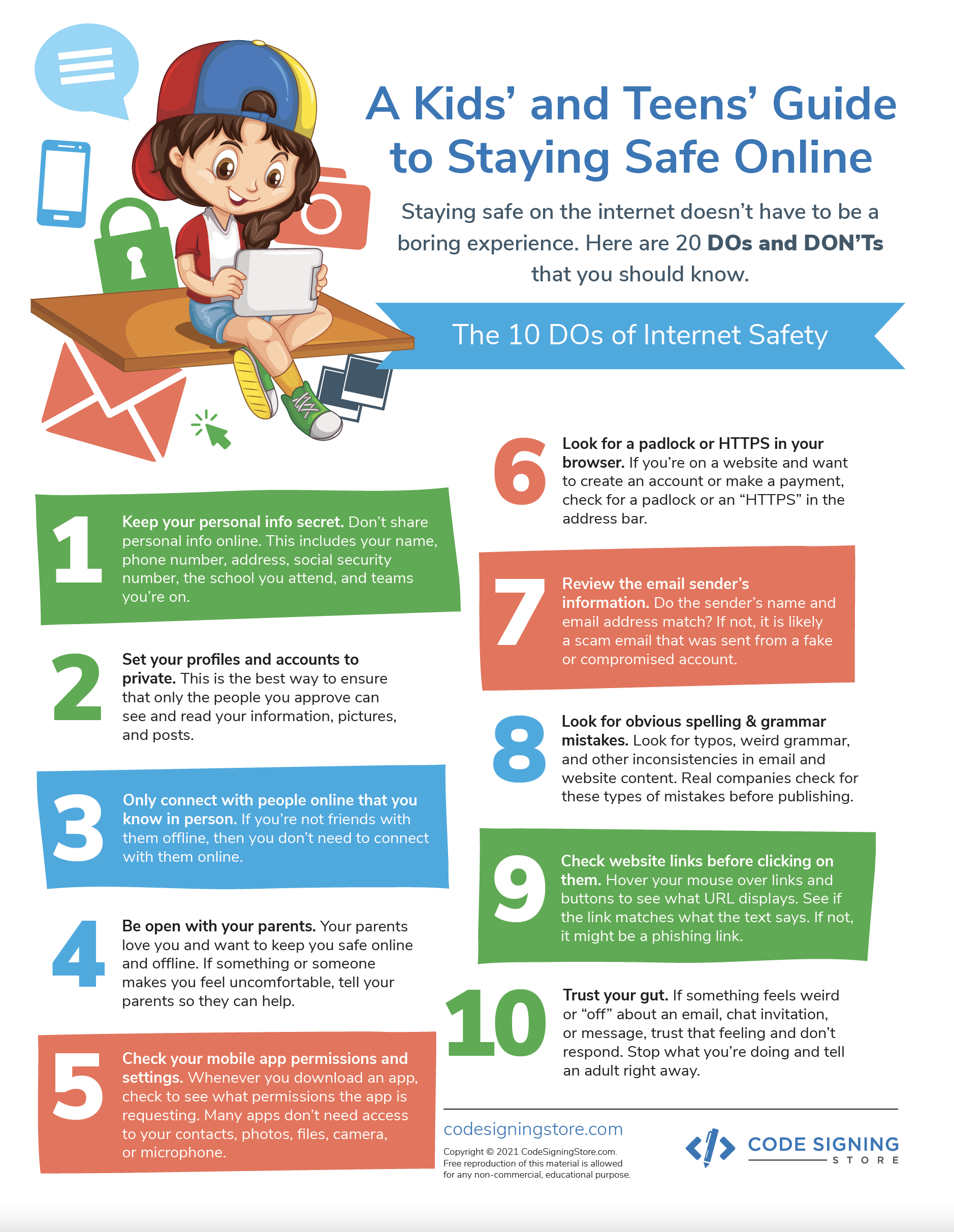
- Key Recommendation: Enforce strict data-sharing protocols that prohibit publishing full names, home addresses, phone numbers, and geolocation metadata online.
Core Principles and Detailed Overview
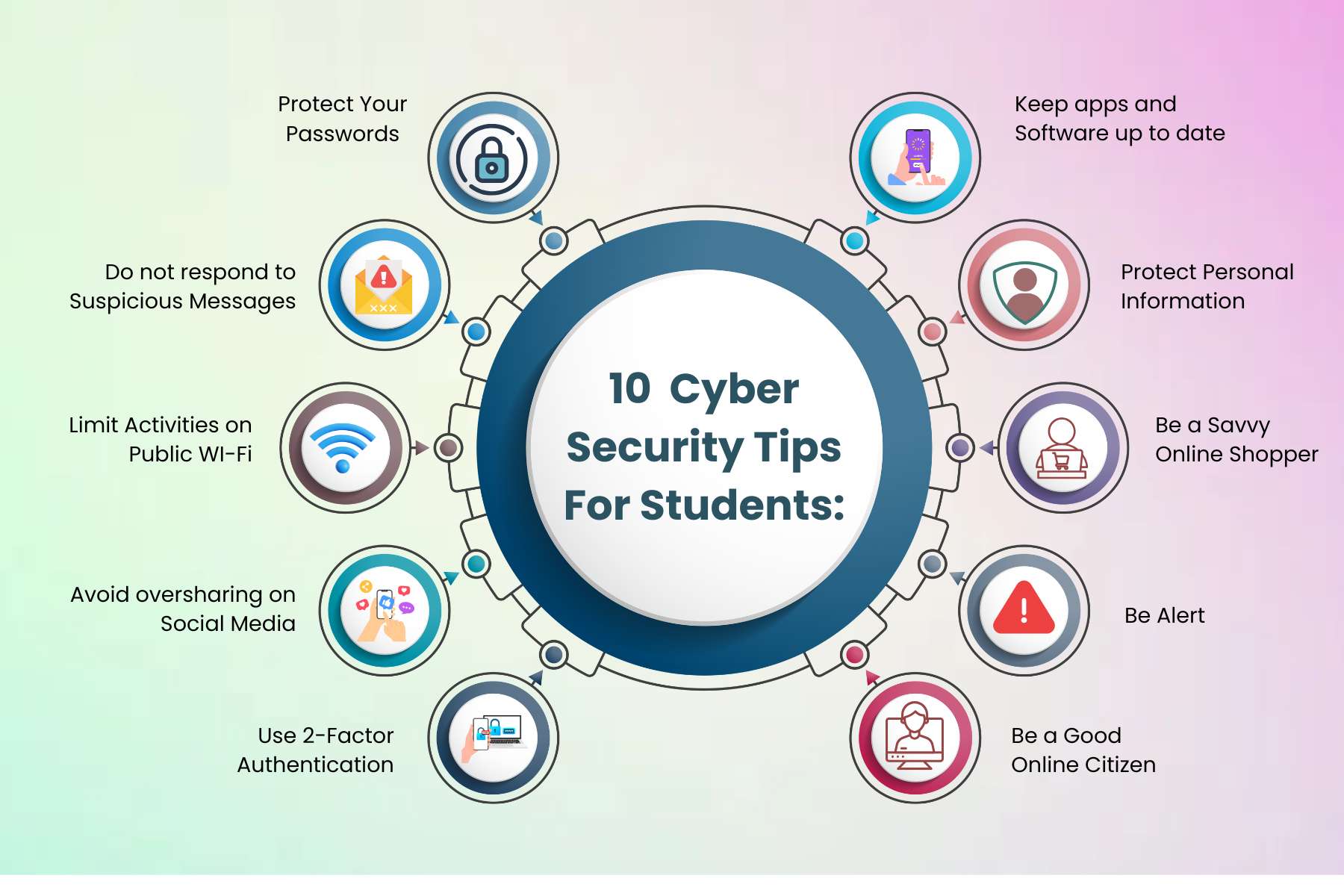
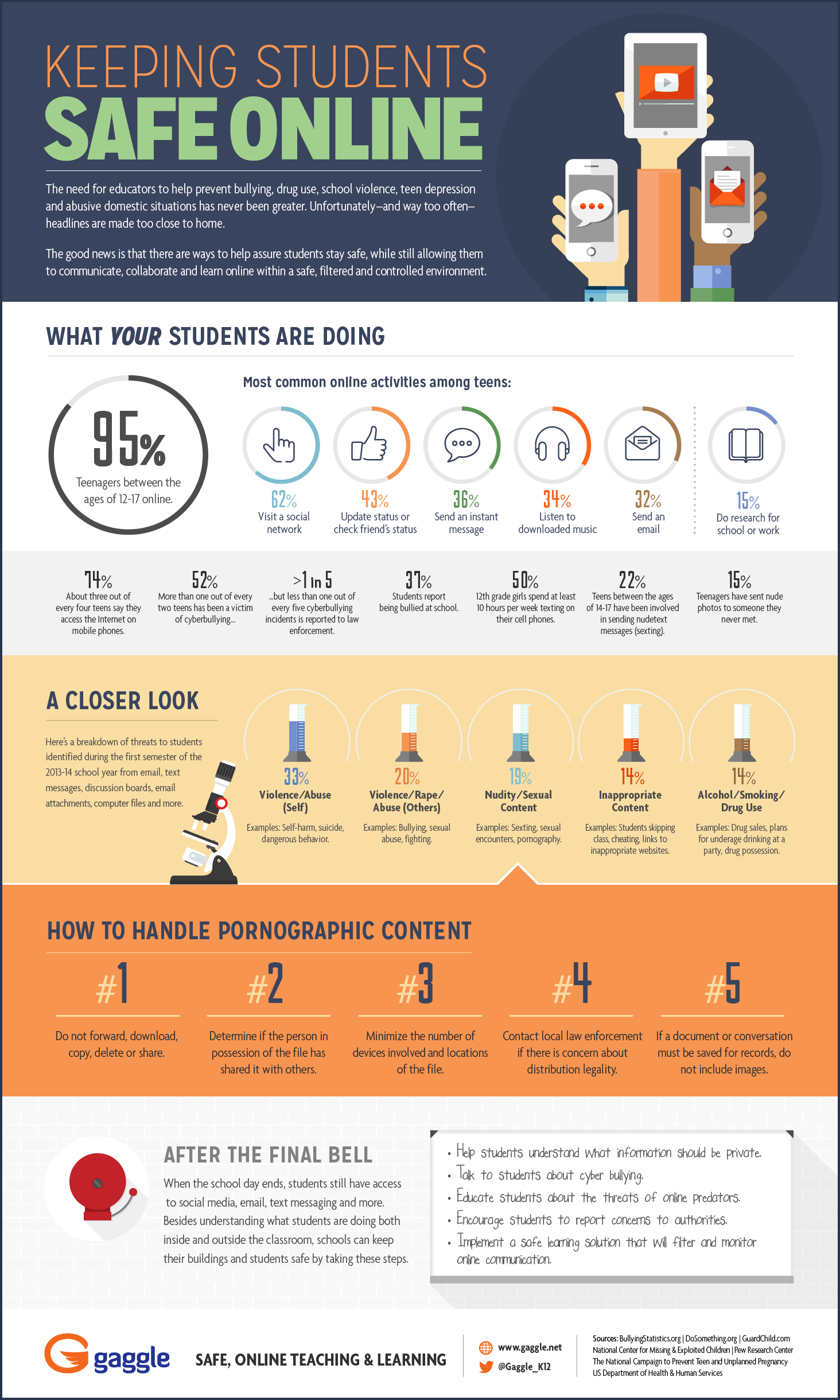
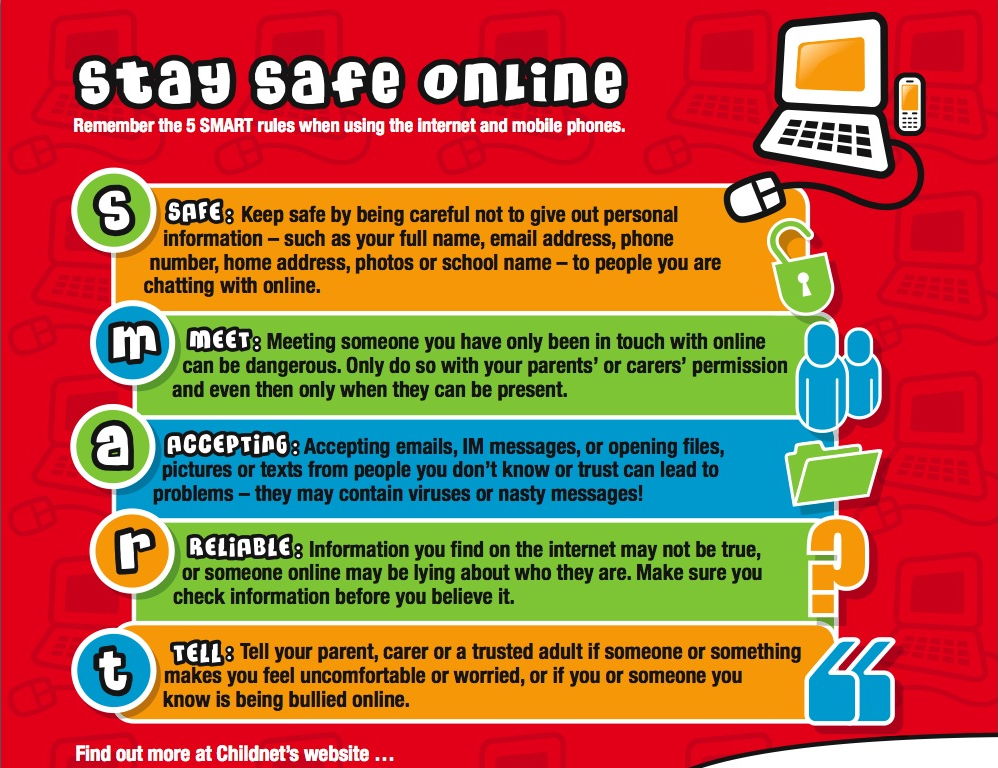
Safe information for students consists exclusively of generalized academic content, pseudonymous handles, and school-approved project work that contains zero tracking markers. Protecting student digital footprints demands a profound understanding of the boundary separating safe public sharing from vulnerable personal exposure. Middle school students frequently encounter platforms that prompt for birthdays, geographic locations, and contact details under the guise of profile personalization. Educational frameworks must teach learners to recognize that sharing a school mascot or a favorite academic subject constitutes safe engagement, whereas posting residential addresses, schedule routines, or real-time geolocation violates fundamental safety protocols. Furthermore, maintaining proper device hygiene ensures that background metadata—such as device serial numbers and automated time zone logs—does not inadvertently leak sensitive location markers during remote learning assignments.
Key Specifications and Breakdown
| Safety Pillar | Digital Risk Factor | Actionable Protective Habit |
|---|---|---|
| Identity Masking | Exposure of full names and profile photos | Utilize teacher-approved screen names and avatar icons |
| Location Privacy | Unintentional geotagging on school projects | Disable GPS metadata sharing on all digital media exports |
| Credential Defense | Phishing attacks targeting student accounts | Implement unique passphrases without personal birthdate identifiers |
Minimizing data collection to strictly non-identifiable academic metrics remains the gold standard for institutional student data defense. — Cybersecurity & Infrastructure Security Agency (CISA)
Step-by-Step Practical Application and Guidelines
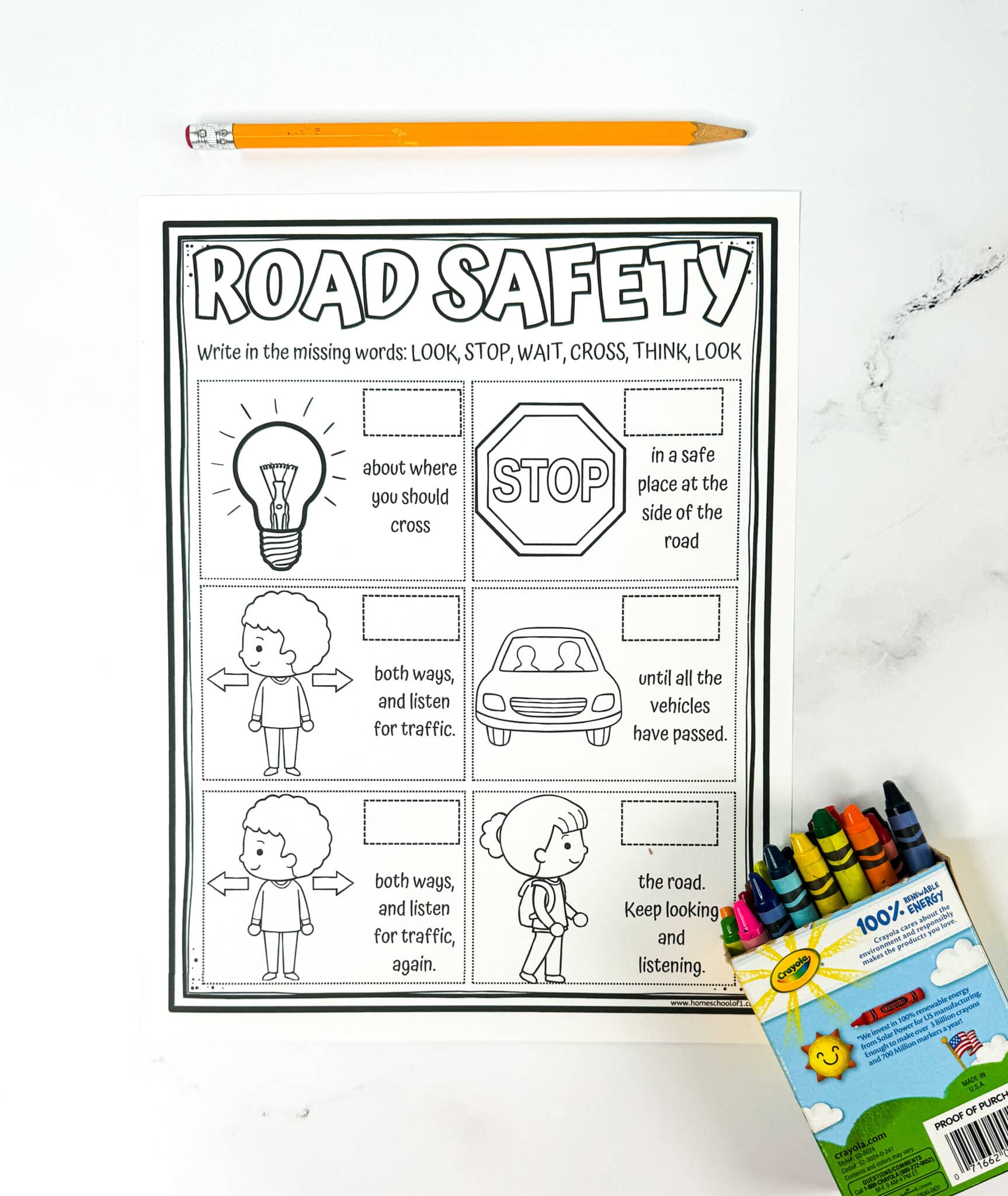
Implementing robust safety standards requires a structured approach to evaluating what data is permissible to publish on school networks and public portals. First, educators must audit all assigned applications to confirm compliance with student privacy regulations before allowing classroom deployment. Second, students need direct instruction on reviewing their digital output through interactive modules found within curated Worksheets designed to test privacy awareness. Third, school administrators must establish clear disciplinary and restorative pathways for addressing accidental disclosures of sensitive information. Finally, balancing screen time through structured offline intervals reduces the likelihood of careless data sharing driven by digital fatigue, fostering healthier cognitive habits across the student body.
Common Challenges and How to Avoid Them
Peer pressure and sophisticated social engineering represent the primary hurdles preventing students from consistently recognizing safe information boundaries. Adolescents often share personal details in collaborative multiplayer games or chat rooms to gain social validation, mistakenly believing closed peer circles offer permanent immunity from data harvesting. Educators and parents must actively counter this vulnerability by conducting regular digital citizenship workshops that deconstruct the permanence of online actions. By addressing cyberbullying vectors and establishing transparent device monitoring policies, schools can successfully mitigate the risks associated with accidental oversharing while empowering students to navigate connected environments with confidence.
💬 Frequently Asked Questions
Explore More Kids Safety and Digital Citizenship Guides on SafeWiredSchools
Empowering the next generation requires continuous education, proactive monitoring, and access to authoritative instructional materials. Educators, parents, and administrators seeking deeper insights into safeguarding minors can explore the comprehensive library housed at Safe Wired Schools, where specialized resources on Online and Digital Safety provide actionable strategies for building resilient, secure school communities.
Visual Reference Gallery