Breaking Down Cyber Bullying Definition For Kids in a Digital World
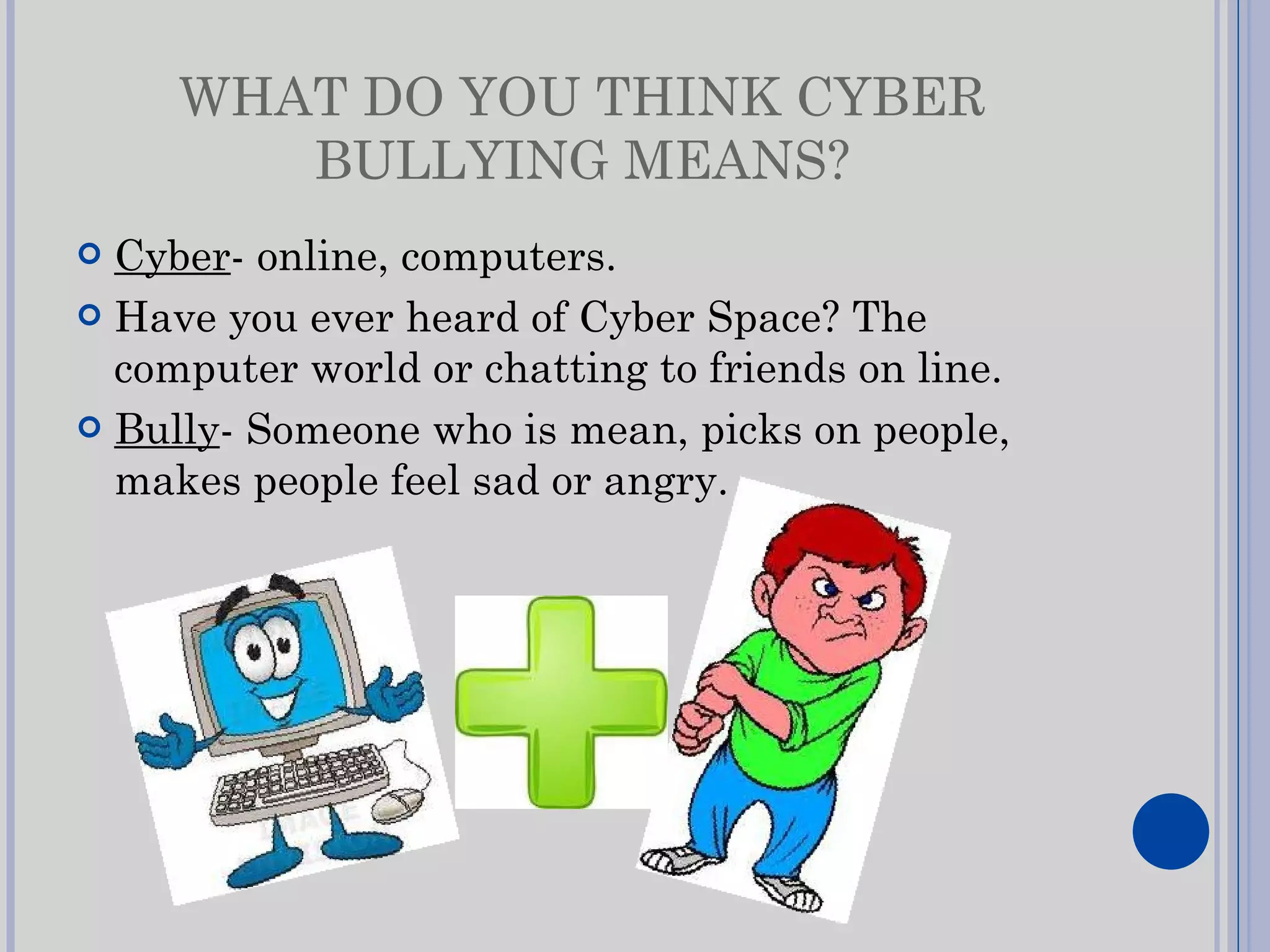
When students navigate the web, understanding what constitutes online cruelty is the first step toward building a healthy digital culture. As K-12 educators and parents, ensuring children grasp a clear cyber bullying definition for kids helps them identify hurtful behavior before it escalates. According to youth safety insights from organizations like ConnectSafely and the Cybersecurity and Infrastructure Security Agency (CISA), online meanness is distinct from face-to-face conflict because digital messages can spread rapidly, remain visible indefinitely, and feel inescapable. Grounding children in these concepts allows them to spot intentional exclusion, hurtful comment threads, and impersonation across smartphones, school laptops, and gaming consoles. Related guide: Online Safety Role Play.
💡 Educational Key Takeaways:
- Core Skill: Structured Cyber Bullying Definition For Kids focused on developing pencil grip, stroke control, and early literacy/math confidence.
- Target Scope: Suited for homeschoolers, preschool, kindergarten, and elementary learners.
- Best Recommendation: Practice 10–15 minutes daily with ergonomic writing tools to reinforce muscle memory without hand fatigue.
Spotting Digital Risk Signals and Guardrails
Recognizing the difference between rough-and-tumble gaming banter and targeted online harassment requires active monitoring of both technical settings and behavioral cues. Adults need to watch for sudden changes in device habits, such as a child abruptly closing browser windows or withdrawing from favorite online games. Integrating resources like Internet and Digital Safety modules helps classrooms establish clear boundaries, while home filters reinforce those lessons. The breakdown below details common vulnerability points and the practical safeguards adults can implement immediately.
| Setting / Context | Common Vulnerability | Practical Safeguard |
|---|---|---|
| Home Mobile Devices | Unfiltered direct messaging apps and late-night scrolling without supervision. | Establish a centralized nighttime charging station outside bedrooms and turn off app notifications after dark. |
| School Chromebooks & Tablets | Using shared document comment sections or school chat features for off-topic gossip. | Configure strict district-level content filters and review acceptable use policies at the start of each grading period. |
| Multiplayer Gaming Chats | Anonymous text or voice channels where exclusion and aggressive language thrive. | Disable open public chat features, encourage squad play only with known peers, and teach kids how to use block and mute tools. |
Building Sustainable Safety Routines at Home and School
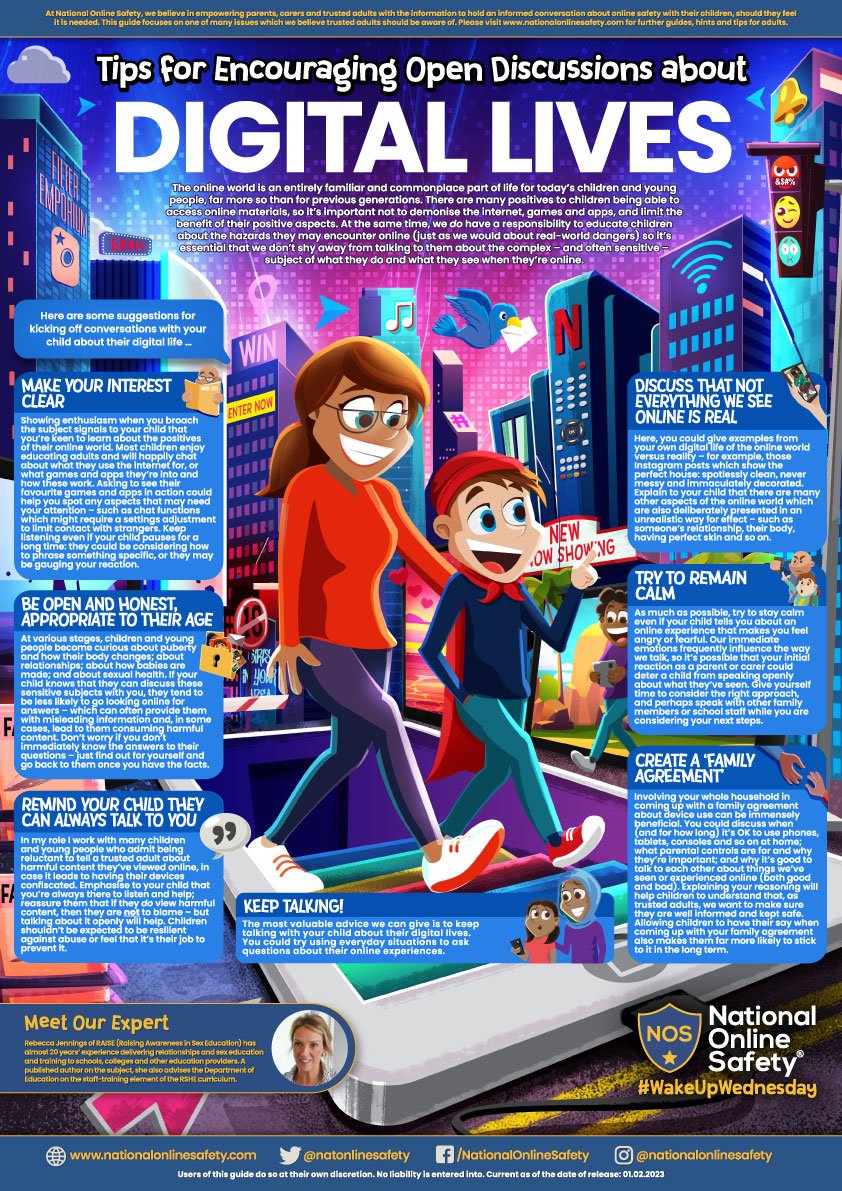
Translating policies into daily habits requires predictable routines that remove shame from the reporting process. For younger students exploring fundamental concepts, incorporating structured Worksheets into digital citizenship lessons makes identifying safe online behavior tangible and engaging. At home, families should practice calm, non-punitive conversations so children feel safe admitting when someone has been mean to them online. Rather than threatening to take away devices entirely—which often drives kids to hide future incidents—adults should frame device restrictions as a temporary safety pause while an issue is resolved.
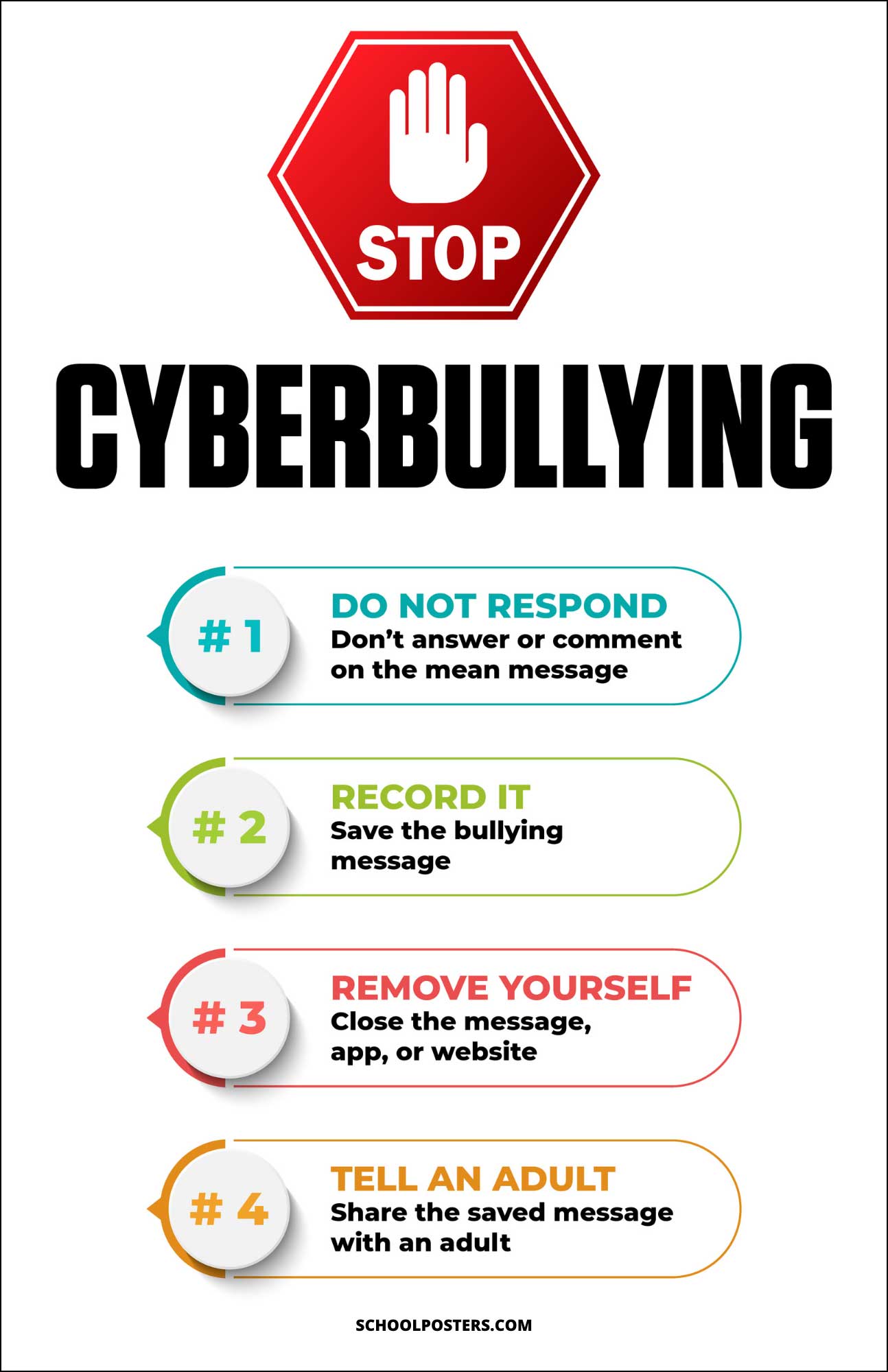
Children are remarkably resourceful when adults implement rigid digital blockades, often utilizing hidden messaging apps, alternate accounts, or peer-to-peer file sharing to bypass filters. Overly restrictive measures often backfire by eroding student trust and driving online behavior entirely underground. Instead of trying to monitor every single click, educators and parents achieve better outcomes by teaching digital resilience. Pairing technical safeguards with open check-ins empowers students to evaluate tricky online situations independently, ensuring they know exactly how to screenshot evidence, block offenders, and report harmful content to a trusted adult.
Frequently Asked Questions About Online Harassment
How early should we introduce the cyber bullying definition for kids?
Children encounter digital communication as soon as they play multiplayer games or use school tablets, typically by late elementary school. Introducing basic concepts of kindness, privacy, and online boundaries early ensures they have the vocabulary to speak up when something feels wrong.
What is the best way to encourage a child to report cyberbullying?
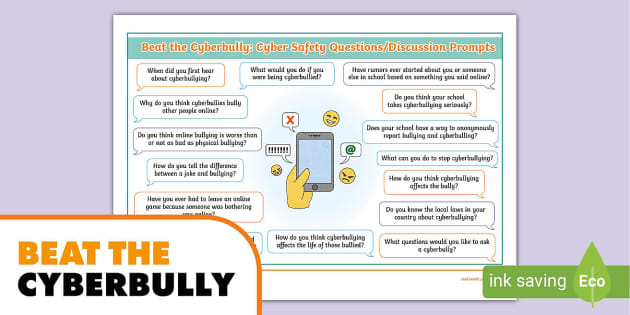
Emphasize that reporting is about safety, not getting friends in trouble, and reassure them that their device privileges will not be revoked for coming forward. Practicing what to say or utilizing classroom Online and Digital Safety scenarios gives them rehearsal steps for real-world stress.
Should parents monitor every message their child sends?
Complete surveillance is neither practical nor effective for older youth, as it stunts the development of independent decision-making skills. Active guidance—such as spot-checks, open dialogue, and keeping devices in common areas—strikes the ideal balance between privacy and protection.
Explore More Digital Citizenship Resources
Keeping kids safe in a connected world is an ongoing partnership between educators, parents, and community leaders. Discover additional lesson plans, printable guides, and expert toolkits by visiting SafeWiredSchools.org to empower your entire school community.
Visual Reference Gallery