Introduction
Teaching children how to navigate modern digital spaces often feels overwhelming for the adults guiding them. Educators and families frequently search for concrete tools that transform abstract internet concepts into understandable habits. The crossing the street safely printable bridges that gap by connecting familiar physical safety routines with online awareness. Children easily grasp the rules of looking both ways before stepping onto a road. Translating that cautious pause into digital environments helps young learners build vital protective instincts. It sounds simple, and that is the point. Safety is not about fear; it is about building reliable habits. Related guide: Online Cyber Safety Games.
💡 Educational Key Takeaways:
- Core Skill: Structured Crossing The Street Safely Printable focused on developing pencil grip, stroke control, and early literacy/math confidence.
- Target Scope: Suited for homeschoolers, preschool, kindergarten, and elementary learners.
- Best Recommendation: Practice 10–15 minutes daily with ergonomic writing tools to reinforce muscle memory without hand fatigue.
What This Printable Covers
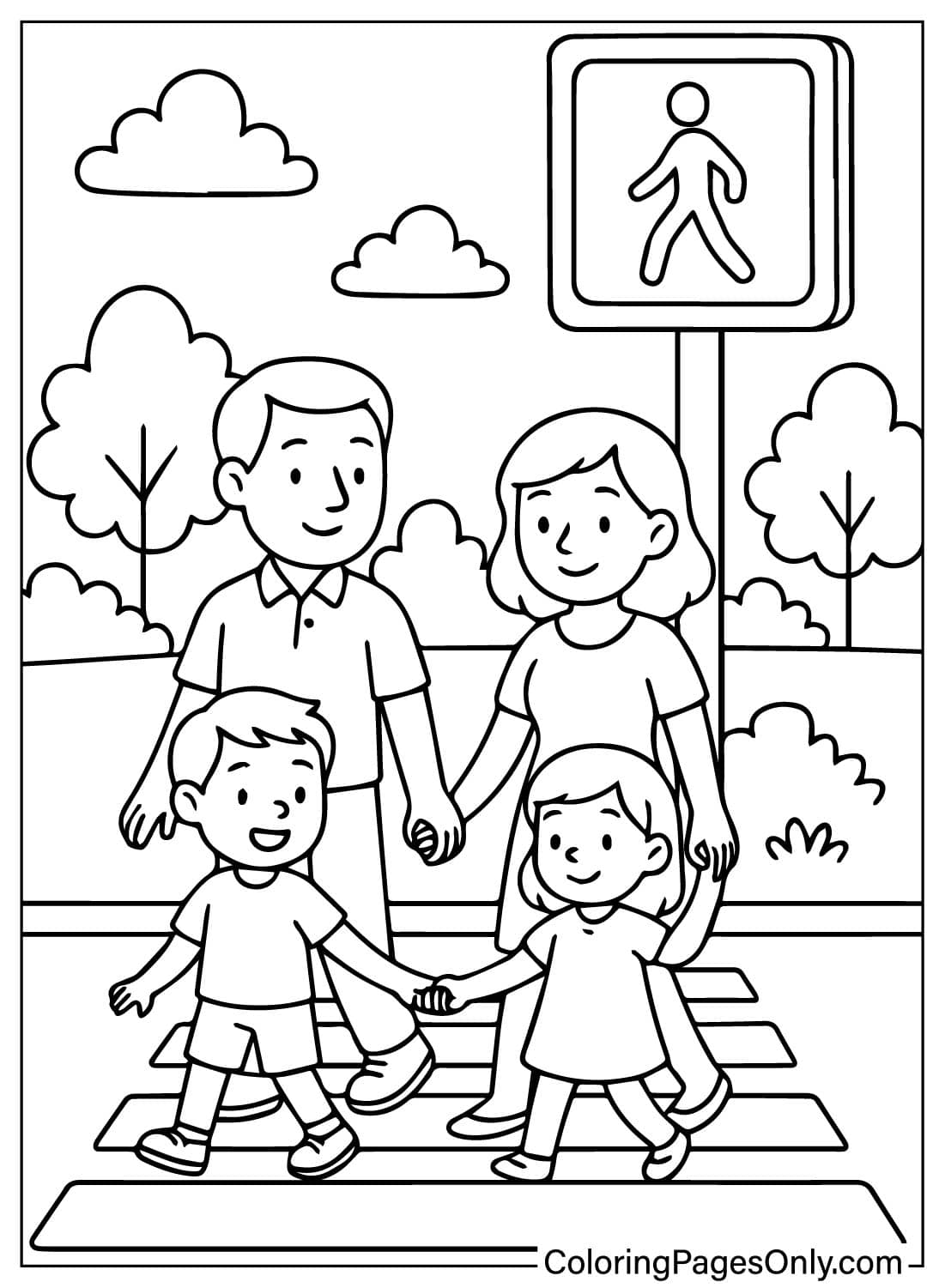
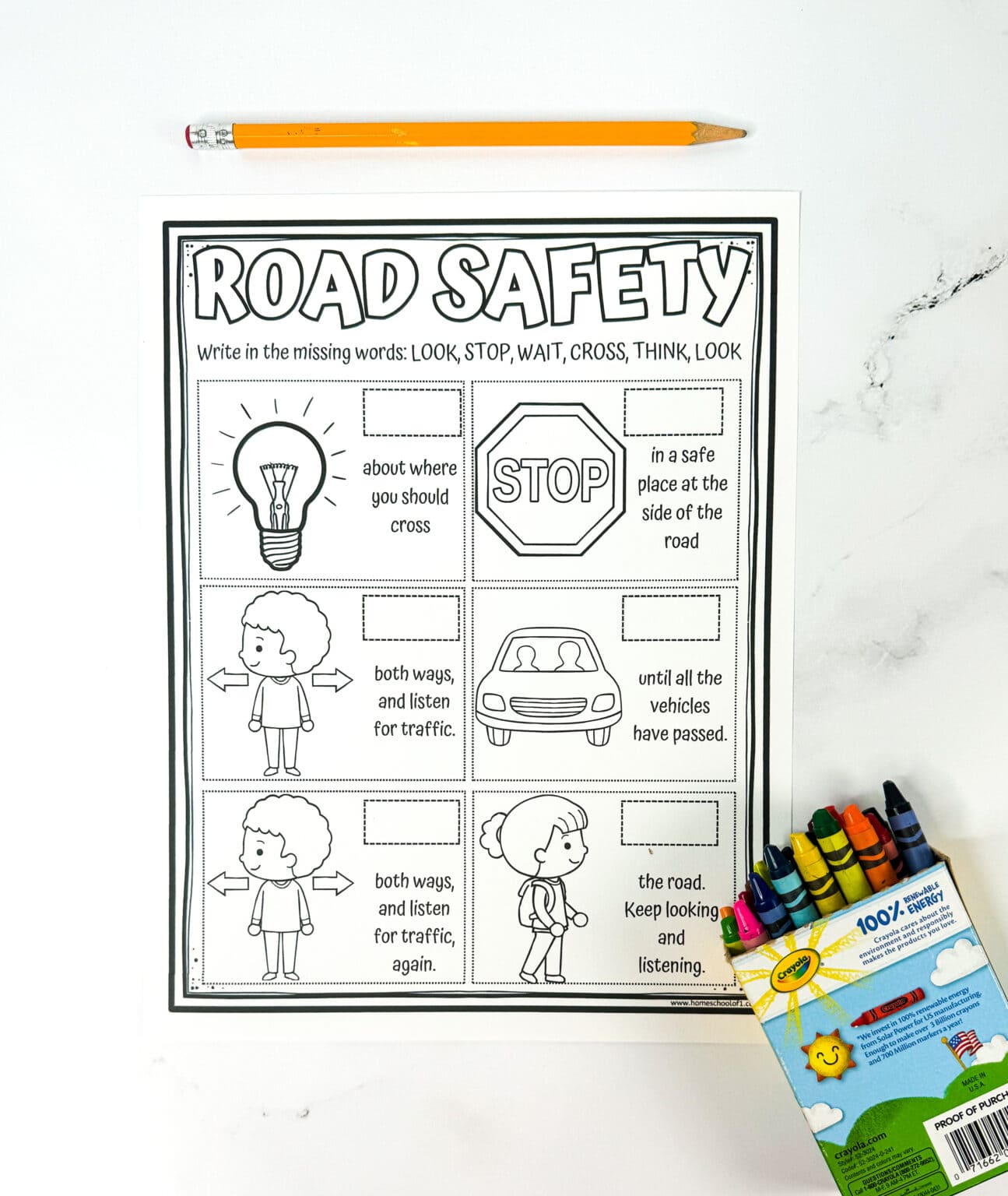
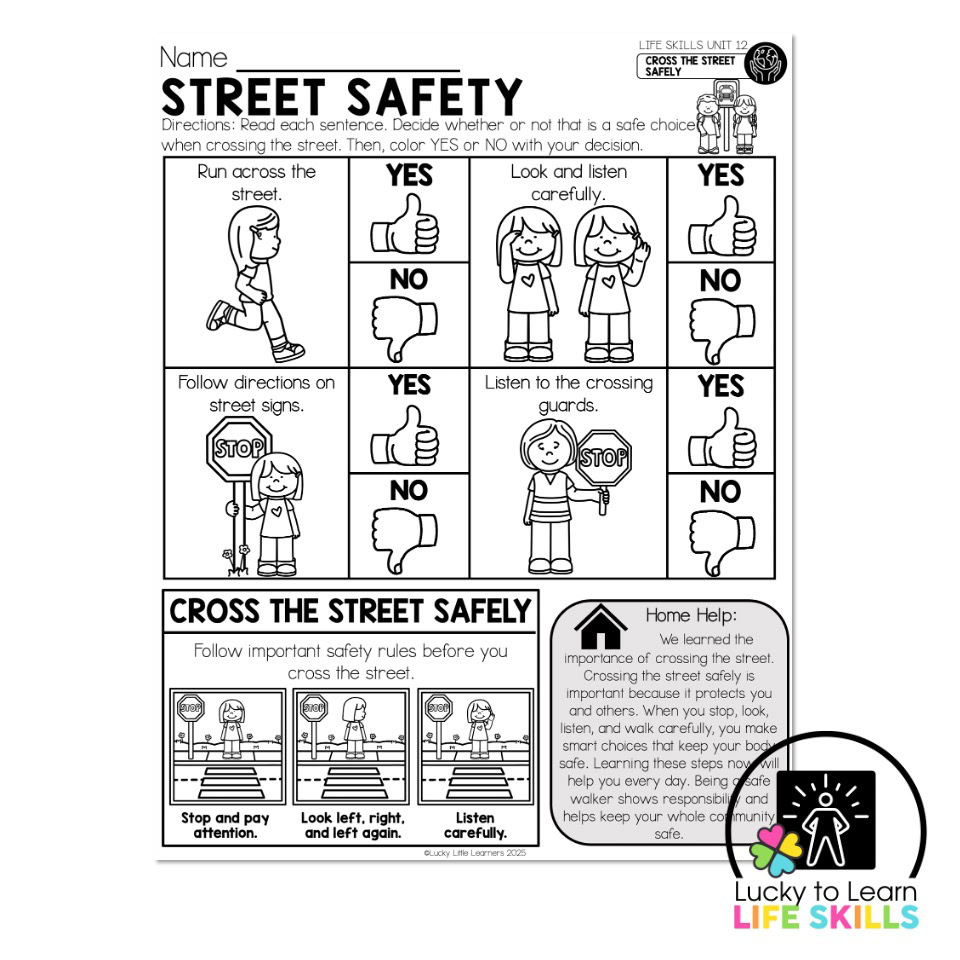
This educational resource uses the metaphor of physical street crossing to illustrate core concepts found in comprehensive Internet and Digital Safety curricula. Young users examine scenarios involving shared family tablets, open-world gaming platforms, and vibrant video-streaming chats where unfamiliar contacts might appear. The material highlights essential protective habits, including keeping personal information private, creating strong passwords, and pausing to think before sharing a photo or comment. Children learn that stopping, looking, and listening in digital spaces looks very similar to crossing a busy intersection. Adults often find that exploring these ideas through a creative lens sparks deeper conversations without raising anxiety.
Key Learning Outcomes
Working through the pages reinforces several foundational digital citizenship skills. Learners identify safe stopping points, recognize digital caution signs, and practice telling a trusted adult when something feels uncomfortable. Crucially, the lessons emphasize that children are never in trouble for reporting a confusing online encounter. This reassurance fosters open communication between kids and the adults in their lives. Repeated practice solidifies these cognitive pathways, preparing young minds to make careful choices independently.
How to Use This Printable
Coloring reinforces safety messages and opens conversation in a low-pressure environment. As pencils move across the page, natural opportunities arise to talk about everyday technology use. Teachers can integrate these sheets into morning meetings, while homeschoolers and parents can review them during quiet afternoon sessions. For additional activities that reinforce these habits, exploring various educational Worksheets provides structured practice tailored to different age groups. Here is what makes this resource different: it relies on tactile engagement rather than another screen-based lecture.
Practical Tips for Parents and Teachers
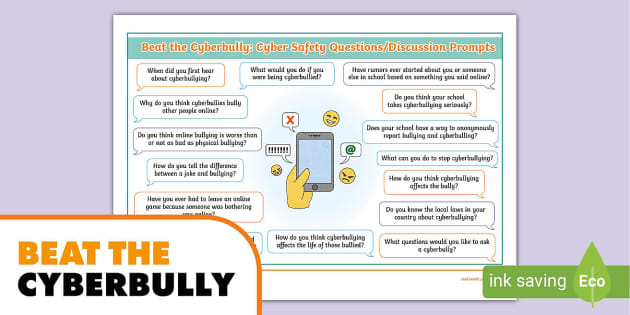
Guiding children through these exercises requires patience and active listening. Adults should ask open-ended questions about what characters on the page might do next, encouraging children to articulate the reasoning behind their choices. Keep the tone calm and empowering rather than warning-heavy. Establishing a predictable routine for discussing digital habits normalizes online safety as a standard part of daily life, much like buckling a seatbelt or washing hands.
Age-Appropriate Recommendations
Children aged five to seven benefit most from focusing on basic boundary-setting, such as keeping names and locations private. Older elementary students aged eight to twelve can dive deeper into recognizing digital warning signs during in-game chat and understanding the permanence of shared content. According to the Common Sense Education Digital Citizenship Curriculum framework, progressive learning targets ensure that expectations match developmental readiness. Tailoring the conversation to the child’s exact age prevents unnecessary confusion while building essential competency over time.
According to Common Sense Media research, a significant percentage of children begin using mobile devices and shared family screens before entering elementary school, making early habit-building essential. — Common Sense Media
Frequently Asked Questions
Getting started with downloadable educational materials is straightforward. Clear answers to common questions help adults maximize the value of these resources.
Explore More Free Kids Online Safety Printables
Expanding a child’s digital toolkit requires a variety of engaging resources. Adults can browse additional downloadable materials by visiting the main hub for creative Coloring Pages. For broader lessons on positive digital interactions, reviewing resources within Online and Digital Safety ensures comprehensive preparation for today’s connected youth.
Developmental Milestone & Activity Table
| Development Stage | Recommended Daily Duration | Primary Learning Objective |
|---|---|---|
| Preschool & Pre-K | 10 – 15 Minutes | Pencil grip development & basic pre-stroke lines |
| Kindergarten | 15 – 20 Minutes | Letter/number formation & spatial line awareness |
| Early Elementary (Grade 1–2) | 20 – 30 Minutes | Fluency, sentence construction & neatness |
Images References