Why Responsible Digital Habits Matter for Every K-12 Student
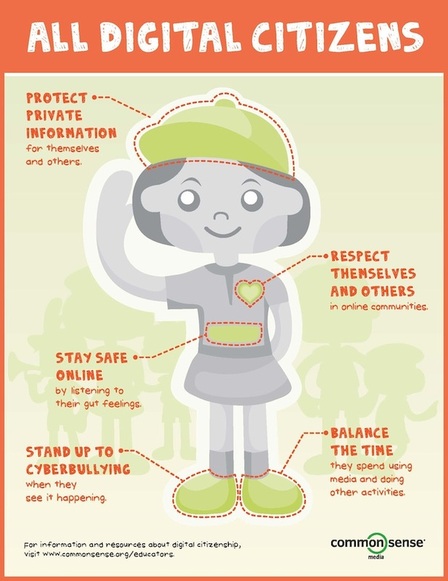
As screens become fixtures of modern learning and social interaction, understanding Why Is Digital Citizenship Important has never been more urgent for educators and families. Children are logging onto school Chromebooks, gaming platforms, and chat apps at younger ages than ever before, navigating complex digital landscapes without an instruction manual. Organizations like the Cybersecurity and Infrastructure Security Agency and ConnectSafely emphasize that digital safety is not just about blocking malicious websites; it is about cultivating empathy, critical thinking, and resilient online habits. By treating digital citizenship as an essential life skill, parents and teachers can bridge the gap between classroom technology policies and unsupervised home screen time, transforming device usage into a positive, empowering experience. Related guide: Wat Is Ransomeware Simple For Kids.
💡 Educational Key Takeaways:
- Core Skill: Structured Why Is Digital Citizenship Important focused on developing pencil grip, stroke control, and early literacy/math confidence.
- Target Scope: Suited for homeschoolers, preschool, kindergarten, and elementary learners.
- Best Recommendation: Practice 10–15 minutes daily with ergonomic writing tools to reinforce muscle memory without hand fatigue.
Identifying potential hazards early prevents minor digital mishaps from escalating into major security or emotional crises. Adults must recognize how everyday tech environments expose young users to privacy leaks, peer pressure, and inappropriate content. Whether you are managing personal tablets at home or district-issued devices in the classroom, understanding these technical settings and behavioral cues ensures proactive intervention. Use this breakdown to align your monitoring strategies with established youth online safety standards.
| Setting / Context | Common Vulnerability | Practical Safeguard |
|---|---|---|
| Home Devices & Smartphones | Unrestricted app downloads and location sharing on social media | Enable parental control pins, disable location tracking by default, and review privacy settings monthly. |
| School Chromebooks & Tablets | Bypassing web filters or sharing login credentials with peers | Enforce strict password hygiene and utilize the Internet and Digital Safety tools provided by your district. |
| Social Apps & Multiplayer Chat | Contact from strangers, cyberbullying, or oversharing personal details | Keep gaming in common family areas, turn off direct messaging on non-educational apps, and practice open communication. |
Actionable Steps to Build Healthy Tech Boundaries at Home and School
Translating digital citizenship theories into daily routines requires consistency across both home and school environments. Schools can communicate clear device policies through handbooks and digital citizenship Worksheets that prompt students to reflect on their online footprint. At home, families should establish a centralized charging station in a common living area to eliminate late-night scrolling and encourage natural screen breaks. Pair these technical guardrails with calm, shame-free reporting workflows so children know they can come to an adult immediately if they encounter cyberbullying, accidental exposure to adult content, or suspicious messages without fear of losing device privileges entirely.
Overcoming Student Workarounds and Adult Frustration
When adults implement overly restrictive bans—such as blocking all entertainment or cutting off internet access entirely—children often respond by finding clever technical workarounds, like using proxy sites or hiding secondary device usage. Effective digital citizenship acknowledges that perfection is impossible, focusing instead on resilience and self-regulation. Instead of reacting with anger when a boundary is tested, use the moment as a teachable scenario. Ask guiding questions about why a rule exists and how digital choices impact their reputation and mental well-being, reinforcing that online safety protects their long-term autonomy and digital footprint.
Frequently Asked Questions About Online Safety and Digital Literacy
At what age should children begin learning digital citizenship concepts?
Children can start learning foundational concepts like screen time balance, kindness, and online privacy as early as kindergarten through interactive Coloring Pages and guided storytelling. As they grow into middle and high school, lessons should naturally evolve to cover cybersecurity, digital footprints, and media literacy.
How can teachers enforce digital citizenship without overwhelming their lesson plans?
Educators do not need to build entirely separate curriculums; digital citizenship can be seamlessly integrated into existing writing, history, and science lessons by discussing source evaluation, online collaboration etiquette, and respectful debate.
What is the best way to handle a child who experiences cyberbullying?
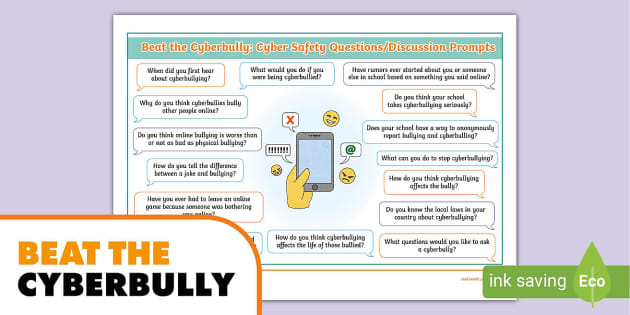
Remain calm, validate their feelings immediately, and instruct them not to delete or engage with the harmful messages. Take screenshots as evidence, block the offending account, and report the incident to the school administration or platform moderators.
Explore More Digital Citizenship Resources
Fostering safe, responsible digital habits is an ongoing journey that requires continuous collaboration between teachers, administrators, and parents. To discover additional lesson plans, expert guides, and printable safety toolkits, visit SafeWiredSchools.org and empower your community today.
Visual Reference Gallery