Introduction
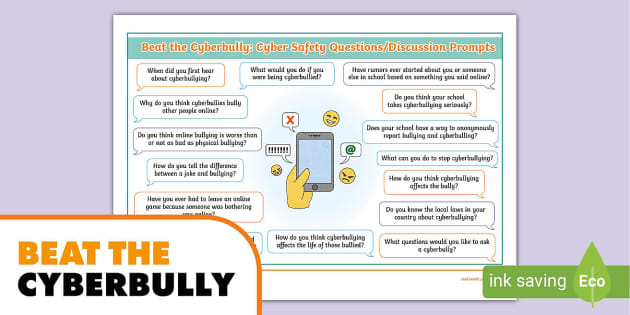
Navigating the digital landscape alongside growing children requires proactive tools that bridge the gap between classroom instruction and home routines. Long before students reach upper secondary levels, foundational concepts regarding digital citizenship must be established to ensure mindful online participation. Shared household tablets, immersive in-game chat features, and rapidly expanding video platforms mean youth encounter digital dilemmas earlier than previous generations. Building positive habits early transforms screens from unpredictable hazards into manageable learning environments. Framing online safety as an essential life skill rather than a source of constant dread empowers youth to navigate virtual spaces with confidence and resilience. Printable materials serve as accessible gateways for meaningful dialogues about internet habits, offering structured prompts that make abstract concepts concrete for developing minds. Related guide: Cctv Introduction Lesson For Grade 4.
💡 Educational Key Takeaways:
- Core Skill: Structured Explain Why Digital Citizenship Is Important For Grade 11 Learners focused on developing pencil grip, stroke control, and early literacy/math confidence.
- Target Scope: Suited for homeschoolers, preschool, kindergarten, and elementary learners.
- Best Recommendation: Practice 10–15 minutes daily with ergonomic writing tools to reinforce muscle memory without hand fatigue.
What This Printable Covers
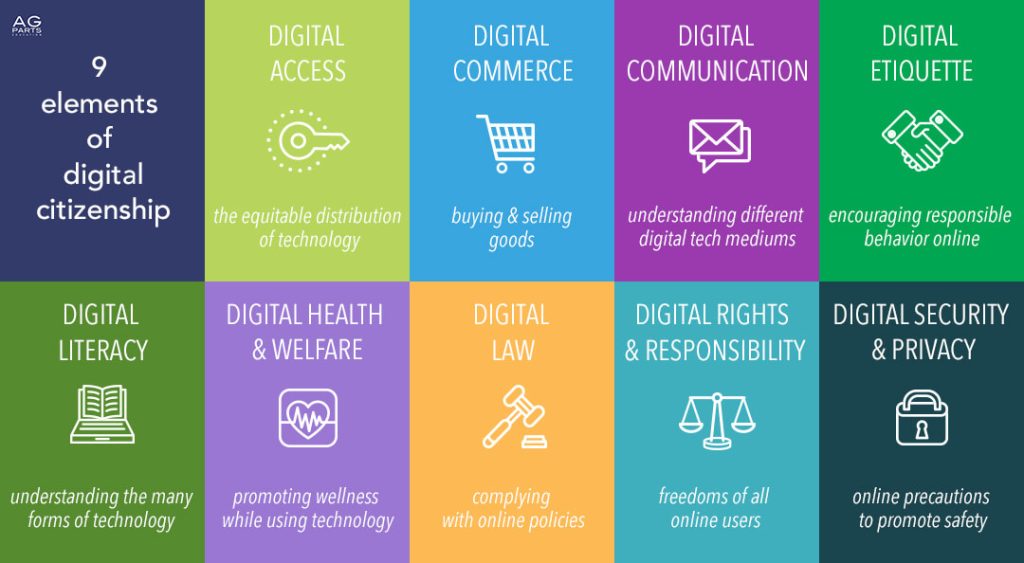
The free printable explain why digital citizenship is important for grade 11 learners tackles core concepts through targeted exercises designed to stimulate critical thinking. It addresses the fundamental reasons why responsible online behavior matters, moving beyond simple rule-following to explore the broader impacts of digital footprints, respectful communication, and ethical content sharing. Activities within the document prompt students to articulate their responsibilities in virtual communities, examining how choices made behind a screen affect real people. Rather than relying on rigid restrictions, the material encourages learners to analyze scenarios, weigh potential consequences, and identify constructive pathways for digital interaction. Children often face tricky situations through in-game chat rooms or video platforms where peer pressure influences quick decisions. This educational resource provides the vocabulary needed to address these moments calmly, reinforcing protective practices like safeguarding personal details and pausing before posting. Exploring these topics through structured student exercises allows educators and families to establish clear boundaries while fostering intrinsic motivation for safe online behavior.
Key Learning Outcomes
Working through these exercises helps youth connect everyday screen time with long-term digital reputation management. Participants learn to recognize the value of keeping private information confidential, understanding that passwords and personal details remain secure assets. Another critical outcome involves reinforcing the vital safety rule that children are never in trouble for reporting something uncomfortable, confusing, or frightening they encounter online. Open communication channels strengthen when youth know adults respond with support rather than punishment when digital trouble arises. The material also emphasizes thoughtful engagement, teaching participants to evaluate the digital content they consume and produce for accuracy, kindness, and safety.
How to Use This Printable
Integrating this resource into daily routines requires minimal preparation and yields maximum conversational value. Teachers can easily slide the pages into morning advisory periods, computer lab introductions, or media literacy units. Families find success reviewing the prompts during relaxed weekend moments or evening discussions around shared family devices. It sounds simple, and that’s the point: consistency matters far more than lengthy lectures when building lasting digital habits. Adults guide the process by asking open-ended questions derived from the printable prompts, allowing students to articulate their own reasoning rather than simply repeating memorized rules.
Practical Tips for Parents and Teachers
Maximizing the impact of this educational tool involves creating a non-judgmental environment where young learners feel safe sharing their virtual experiences. Adults should model positive digital citizenship by demonstrating mindful screen use and respectful online communication. Here’s what makes this resource different: it shifts the focus from policing device usage to empowering children to self-regulate and make sound independent choices. Pairing the printed activity with broader discussions found in comprehensive safety guides ensures a well-rounded approach to modern citizenship education.
Age-Appropriate Recommendations
Aligning digital lessons with developmental stages ensures messages resonate without overwhelming young learners. Grounded in the Common Sense Education Digital Citizenship Curriculum framework, this resource supports progression from basic safety rules in early elementary years to complex ethical evaluations in upper grades. Younger children benefit from concrete examples focusing on kindness and device sharing, while older students explore privacy, digital footprints, and respectful discourse. Tailoring the conversation to current developmental milestones prevents anxiety and builds steady, dependable competence across all digital environments.
According to Pew Research Center, the vast majority of teens and pre-teens access the internet daily through mobile devices and shared household tablets, making early digital citizenship education essential for everyday navigation. — Pew Research Center
Frequently Asked Questions
Finding clear answers regarding digital safety resources helps educators and families implement them efficiently. The following frequently asked questions address common inquiries about accessing, utilizing, and maximizing the benefits of safety printables.
According to Common Sense Media, structured classroom discussions about online dilemmas significantly improve children’s willingness to report uncomfortable digital interactions to trusted adults. — Common Sense Media
Explore More Free Kids Online Safety Printables
Expanding your digital citizenship toolkit unlocks additional opportunities for continuous learning at home and in the classroom. Discover creative approaches through visual safety coloring pages that reinforce protective habits for younger learners, or browse our complete library of online and digital safety resources designed to support every developmental stage.
Developmental Milestone & Activity Table
| Development Stage | Recommended Daily Duration | Primary Learning Objective |
|---|---|---|
| Preschool & Pre-K | 10 – 15 Minutes | Pencil grip development & basic pre-stroke lines |
| Kindergarten | 15 – 20 Minutes | Letter/number formation & spatial line awareness |
| Early Elementary (Grade 1–2) | 20 – 30 Minutes | Fluency, sentence construction & neatness |
Images References