Introduction
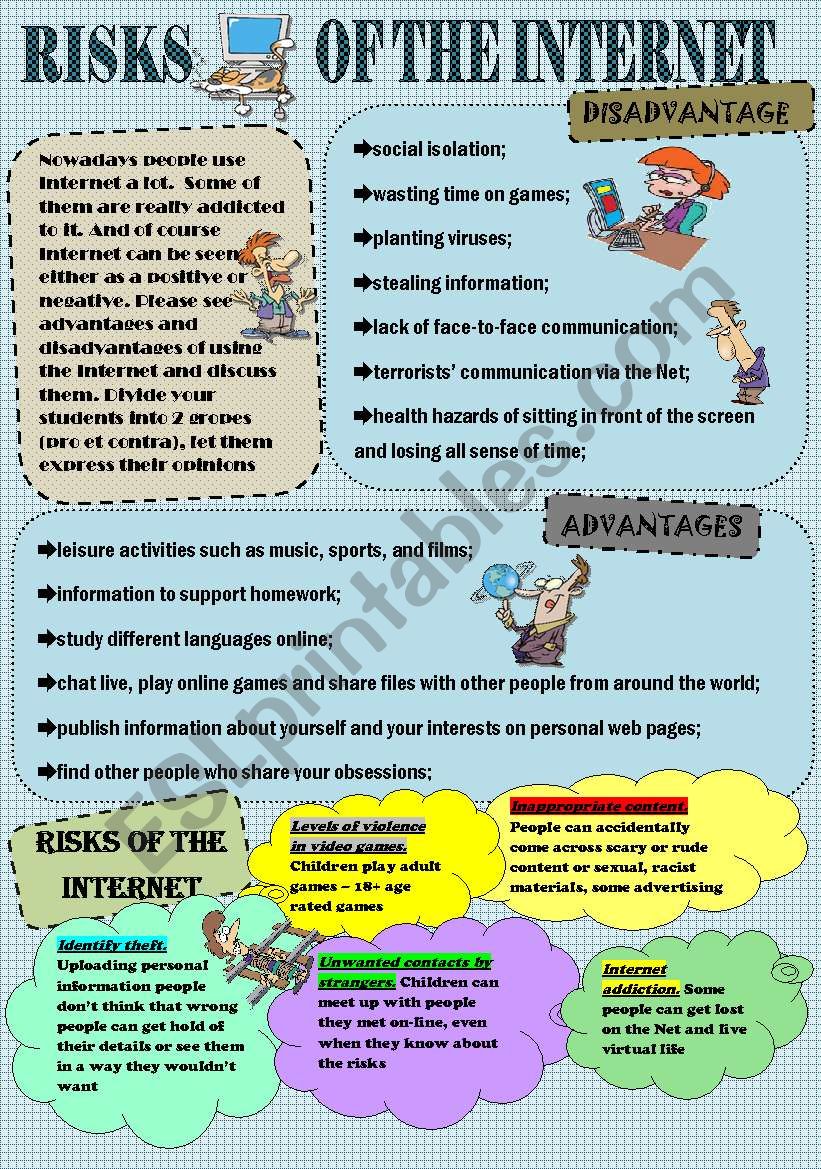
Unregulated early digital exposure introduces permanent digital footprints and accidental exposure to inappropriate content, representing the primary two dangers associated with the irresponsible use of internet grade 1. According to ConnectSafely, establishing proactive digital boundaries during primary school development prevents lifelong security vulnerabilities and fosters positive online habits. Educators, school administrators, and parents must recognize that foundational digital literacy directly shapes how young students navigate connected classroom environments. Integrating structured guidance via Internet and Digital Safety resources ensures compliance with modern educational technology standards while safeguarding developing minds from premature network risks.
Digital Safety Snapshot:
- Core Focus: Mitigating permanent digital footprints and inappropriate content exposure for primary grade students.
- Target Scope: Classroom device management, school network policies, and parental oversight.
- Key Recommendation: Implement strict content filtering and continuous adult supervision during all connected learning activities.
Core Principles and Detailed Overview
Managing the two dangers associated with the irresponsible use of internet grade 1 requires a comprehensive understanding of early childhood cognitive limitations regarding online permanence and age-inappropriate media. Young learners lack the developmental capacity to evaluate online credibility, making them highly susceptible to malicious algorithms, predatory interactions, and accidental data sharing. Schools and households must prioritize strict device hygiene, limiting unmonitored browsing and reinforcing classroom screen balance. Comprehensive instruction found in Online and Digital Safety modules provides actionable frameworks for mitigating these specific network vulnerabilities.
Key Specifications and Breakdown
| Safety Pillar | Digital Risk Factor | Actionable Protective Habit |
|---|---|---|
| Data Privacy | Permanent digital footprint creation via accidental sharing | Enforce strict account creation bans and educator-only logins |
| Content Integrity | Accidental exposure to unvetted media or inappropriate sites | Deploy strict district-level web filters and verified educational portals |
| Device Balance | Sedentary classroom screen fatigue and compulsive usage | Integrate structured offline interactive Worksheets |
Proactive supervision and robust network filtering remain the most effective defenses against early childhood digital hazards — Cybersecurity & Infrastructure Security Agency (CISA). Related guide: Teachers Of Grades 9–12 Should Expand Internet Safety Instruction To Include Which Of The Following Topics?.
Step-by-Step Practical Application and Guidelines
Mitigating the two dangers associated with the irresponsible use of internet grade 1 involves establishing immediate, enforceable device protocols across all learning environments. Educators should first configure classroom tablets and laptops with locked-down browser profiles that restrict external navigation. Second, schools must educate parents on mirroring these security standards at home to maintain consistency. Third, instructional designers should supplement digital lessons with tactile learning tools, such as engaging Coloring Pages, to reduce excessive screen time while reinforcing positive behavioral concepts.
Common Challenges and How to Avoid Them
Overcoming policy enforcement gaps prevents accidental safety breaches caused by unsupervised student navigation during busy instructional periods. A frequent challenge involves young children bypassing basic browser restrictions by clicking on embedded advertisements within educational games. To counter this, IT administrators must implement aggressive ad-blocking extensions and conduct weekly audits of classroom web history. Maintaining open communication channels between teachers and technology coordinators ensures rapid identification of emerging online threats.
💬 Frequently Asked Questions
Explore More Kids Safety and Digital Citizenship Guides on SafeWiredSchools
Navigating digital citizenship requires continuous education, robust policy implementation, and dedicated resources tailored to every developmental stage. Exploring the comprehensive library at Safe Wired Schools empowers educators, administrators, and parents to protect young minds effectively while fostering safe, responsible, and productive digital learners.
Visual Reference Gallery