Introduction
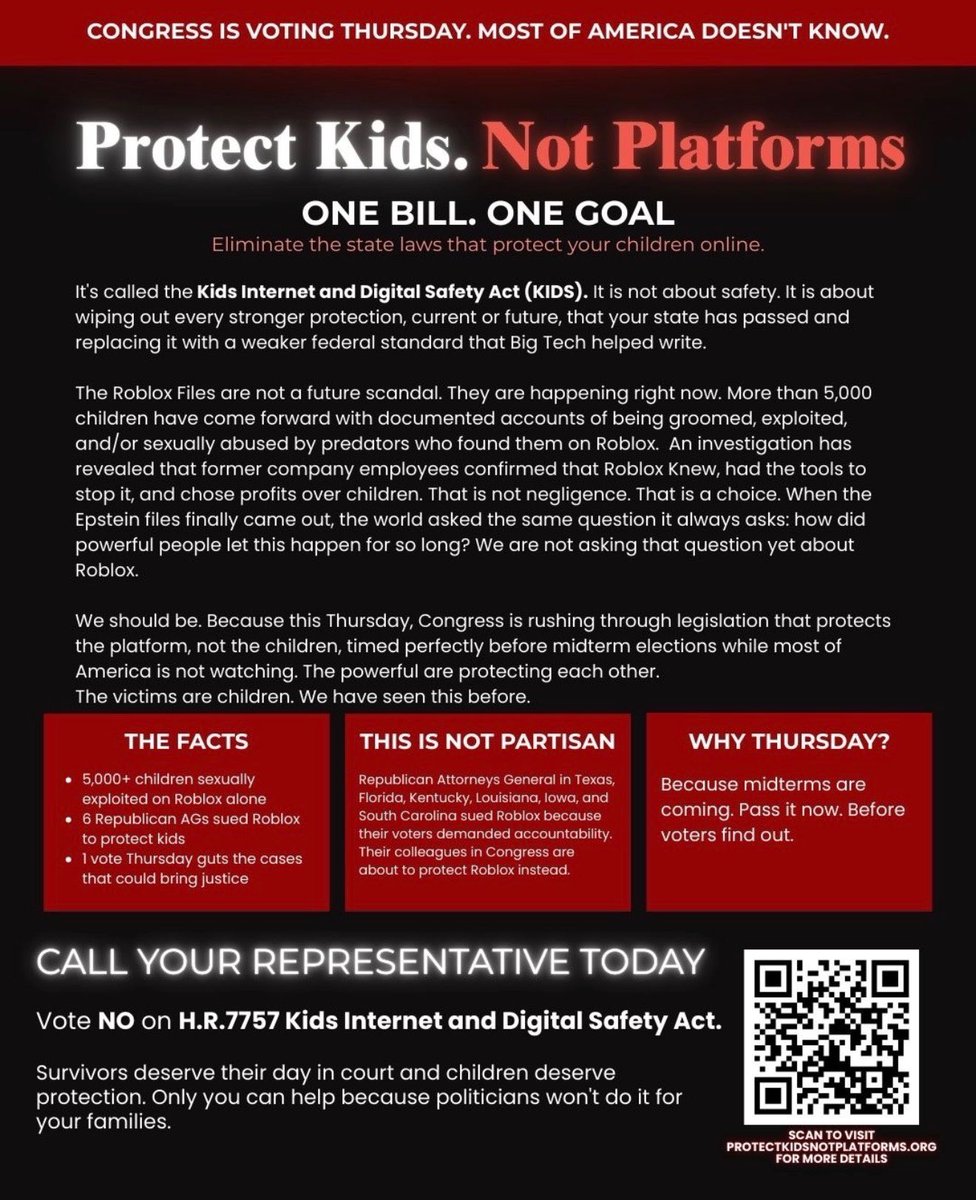
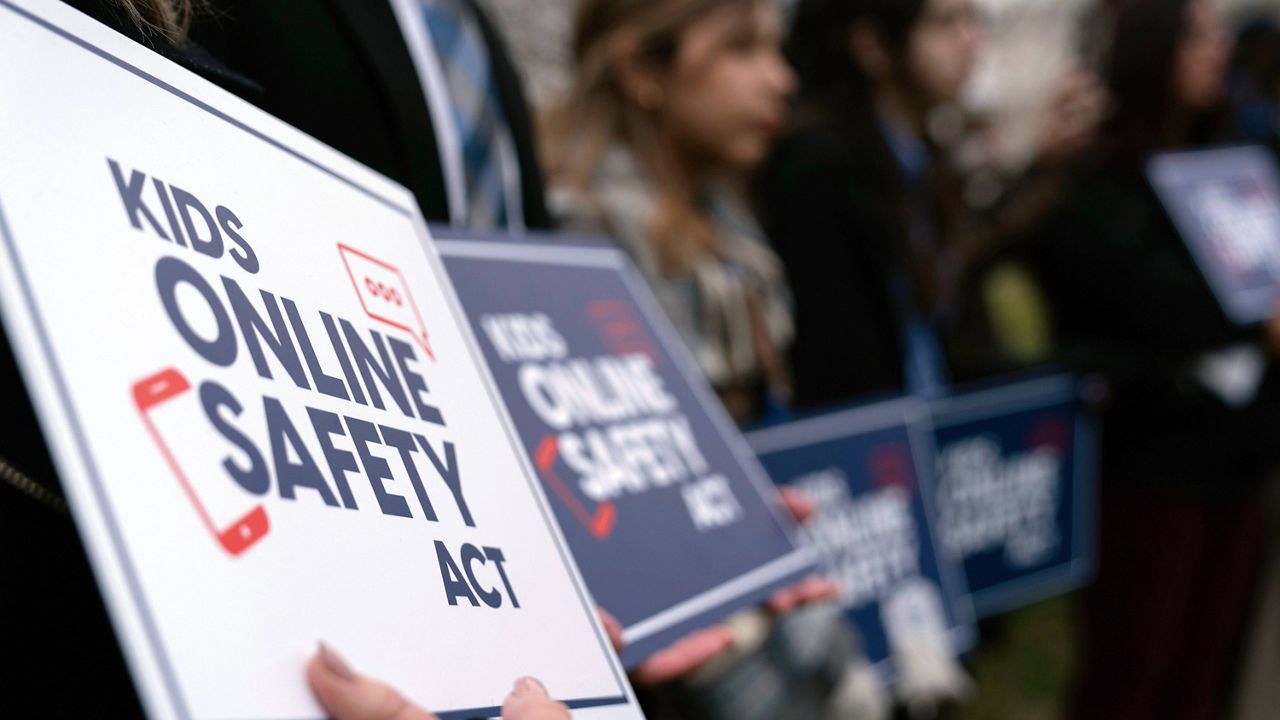
The kids internet and digital safety act establishes essential legislative frameworks designed to protect minors from predatory digital tracking, harmful online content, and exploitative algorithmic profiling within educational and residential environments. According to ConnectSafely, proactive digital safety education combined with statutory protections significantly reduces the exposure of minors to cyber threats and toxic online interactions. Understanding these regulatory boundaries empowers schools, families, and communities to cultivate secure virtual spaces. Navigating these modern digital environments requires clear frameworks found within comprehensive resources like Internet and Digital Safety guidelines.
Digital Safety Snapshot:
- Core Focus: Statutory minor protection, parental consent controls, and platform accountability standards.
- Target Scope: K-12 educational institutions, families, and adolescent technology users.
- Key Recommendation: Enforce strict device hygiene and clear boundary settings across all connected learning tools.
Core Principles and Detailed Overview
Comprehensive digital safety mandates require strict platform transparency, limitation of targeted advertising toward minors, and default-high privacy settings across all digital ecosystems utilized by students. Educational institutions and households must align their operational protocols with federal and state safety benchmarks to prevent data harvesting and unauthorized profiling. By integrating structured lesson plans such as those available in Worksheets, educators effectively reinforce vital cyber hygiene concepts during daily instruction. Establishing these boundaries limits distraction and ensures compliance with statutory safety requirements.
Key Specifications and Breakdown
| Safety Pillar | Digital Risk Factor | Actionable Protective Habit |
|---|---|---|
| Data Privacy | Exploitative behavioral profiling | Enforce default-high privacy configurations |
| Cyberbullying Defense | Harassment via direct messaging | Monitor communication channels and report abuse |
| Device Hygiene | Malware ingress through insecure apps | Regularly update firmware and restrict installations |
Minors require default-high privacy settings, strict limitations on algorithmic data harvesting, and comprehensive institutional safeguards to ensure robust cyber resilience — Cybersecurity & Infrastructure Security Agency (CISA). Related guide: 5 Cyber Safety Tips Symbols That Can Be Read By The Grede 7 Students.
Step-by-Step Practical Application and Guidelines
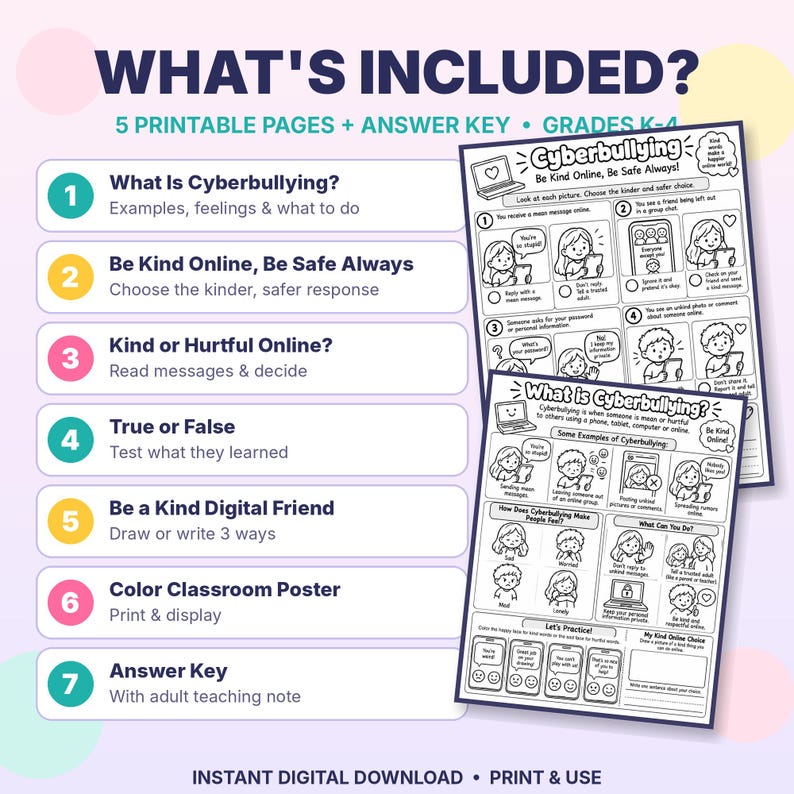
Implementing robust safety measures involves auditing software inventory, configuring classroom network filters, and establishing transparent reporting protocols for suspicious online activities. Teachers and administrators must conduct regular device checks, disable unvetted peer-to-peer applications, and schedule designated offline intervals to maintain healthy screen balance. Furthermore, engaging middle school students through creative educational modules such as Coloring Pages bridges foundational awareness with practical behavioral habits. Consistent reinforcement across classrooms and households guarantees uniform adherence to digital citizenship standards.
Common Challenges and How to Avoid Them
Frequent oversights in digital safety compliance typically involve neglected software updates, unmonitored shadow IT platforms, and the absence of clear incident response plans for cyberbullying. Educational stakeholders prevent these vulnerabilities by centralizing administrative control over school-issued devices, restricting unauthorized downloads, and conducting recurring digital literacy workshops. Maintaining strict digital boundaries prevents minor exploitation while fostering a productive, distraction-free learning atmosphere.
💬 Frequently Asked Questions
Explore More Kids Safety and Digital Citizenship Guides on SafeWiredSchools
Protecting minors in modern virtual environments demands continuous education, rigorous policy enforcement, and proactive community collaboration across every educational tier. Access comprehensive resources, expert lesson plans, and instructional frameworks by visiting the complete library at Safe Wired Schools to build safer, more resilient digital classrooms.
Visual Reference Gallery