Introduction
Internet safety and responsible digital citizenship encompass the ethical, secure, and constructive navigation of online environments by students, educators, and families within modern educational institutions. According to ConnectSafely, establishing proactive digital safety frameworks ensures that young learners maximize technological educational benefits while actively mitigating digital threats. Comprehensive school safety policies mandate structured approaches to student data privacy, device hygiene, and respectful interpersonal communication across all virtual platforms. Educators and administrators rely on these foundational pillars to cultivate secure learning spaces that bridge the gap between classroom instruction and home connectivity. Comprehensive insights are continuously cataloged under Internet and Digital Safety resources to support evolving school curricula.
Digital Safety Snapshot:
- Core Focus: Direct instruction on secure online behavior, digital footprint awareness, and respectful communication for students.
- Target Scope: Middle school learning environments, educational technology administrators, teachers, and involved parents.
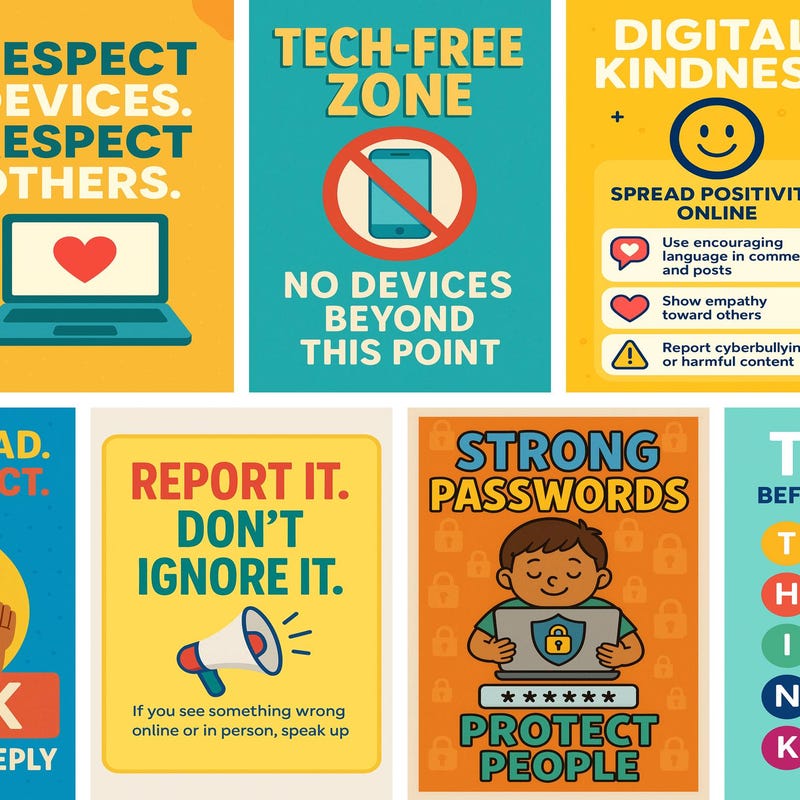
- Key Recommendation: Enforce multi-layered password protections, continuous cyberbullying prevention training, and balanced daily screen usage.
Core Principles and Detailed Overview
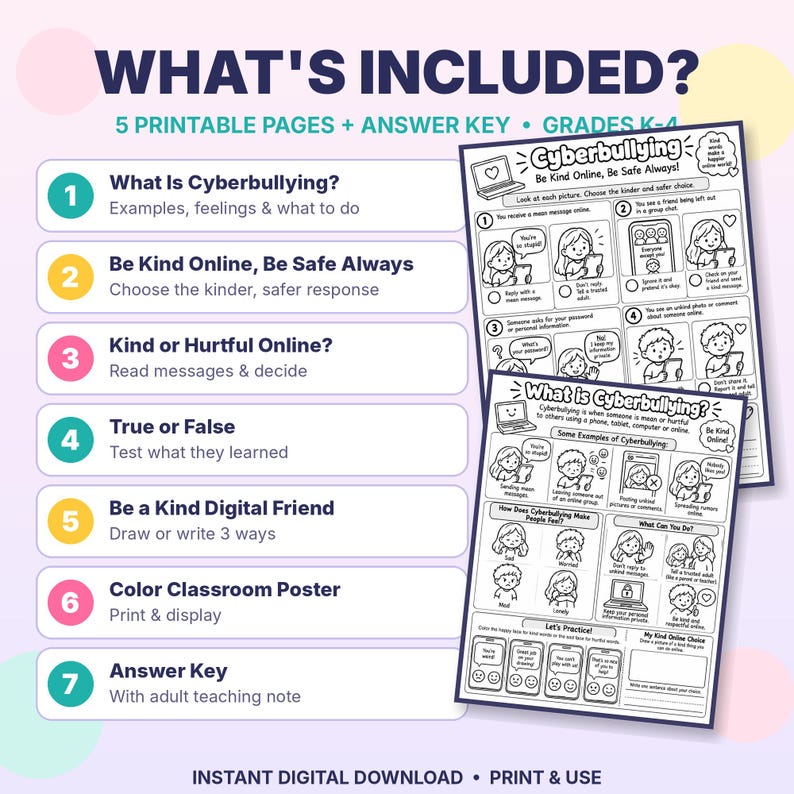
Digital footprint management, robust cyberbullying prevention, and systematic device hygiene form the indispensable triad of modern scholastic technology policies. Maintaining a clean digital footprint requires students to evaluate the permanence of every shared image, comment, and document uploaded to school and personal cloud servers. Educational institutions minimize targeted harassment through strict zero-tolerance anti-cyberbullying protocols, paired with anonymous reporting tools and mandatory digital citizenship workshops. Furthermore, proper device hygiene mandates routine software updates, secure log-out procedures on shared hardware, and the avoidance of unverified third-party applications. Related pedagogical strategies and printable exercises are readily available via Worksheets for classroom integration.
Key Specifications and Breakdown
| Safety Pillar | Digital Risk Factor | Actionable Protective Habit |
|---|---|---|
| Digital Footprint | Permanent public archiving of inappropriate personal content | Audit social privacy settings and pause before posting online |
| Cyberbullying Prevention | Anonymous harassment, exclusion, and targeted peer intimidation | Document malicious messages immediately and report incidents securely |
| Device Hygiene | Unpatched system vulnerabilities and compromised account credentials | Implement strong passphrases and execute routine software updates |
Proactive digital resilience requires continuous education on privacy settings, secure credential management, and respectful virtual discourse across all connected school communities. — Cybersecurity & Infrastructure Security Agency (CISA)
Step-by-Step Practical Application and Guidelines
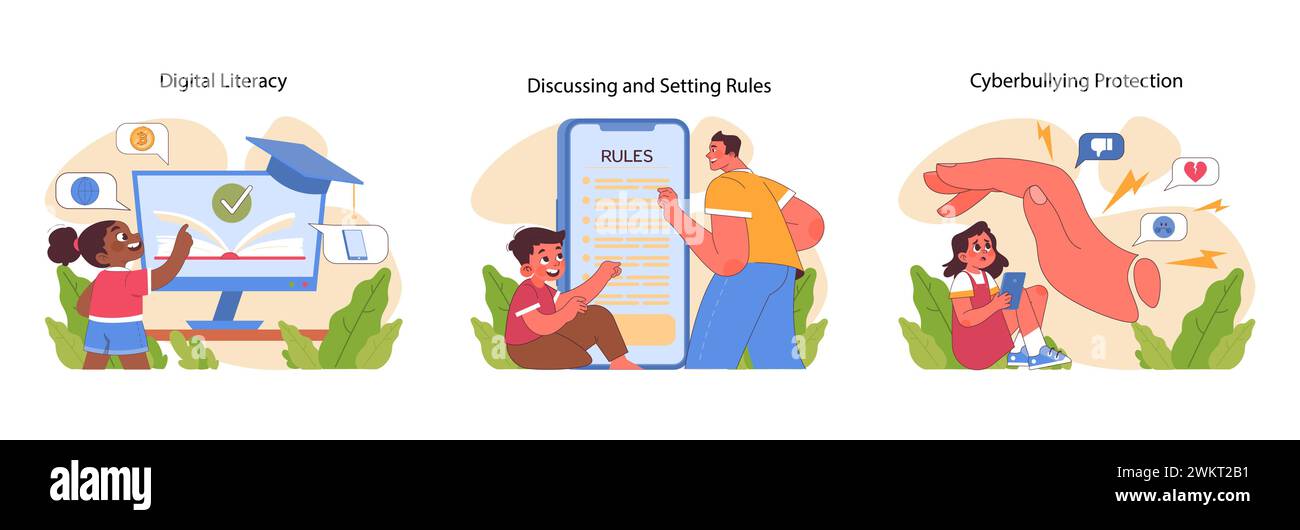
Effective implementation of internet safety protocols begins with standardizing account security practices and establishing explicit classroom screen balance boundaries. Administrators must mandate password managers or complex passphrases across all student-issued devices to prevent unauthorized access. Teachers integrate digital citizenship modules directly into core subject areas, ensuring students understand copyright laws, source verification, and the emotional impact of online interactions. Parents reinforce these lessons at home by setting device-free zones during evening hours and maintaining open dialogues regarding online experiences. Additional creative resources and instructional tools are housed within the Online and Digital Safety category.
Common Challenges and How to Avoid Them
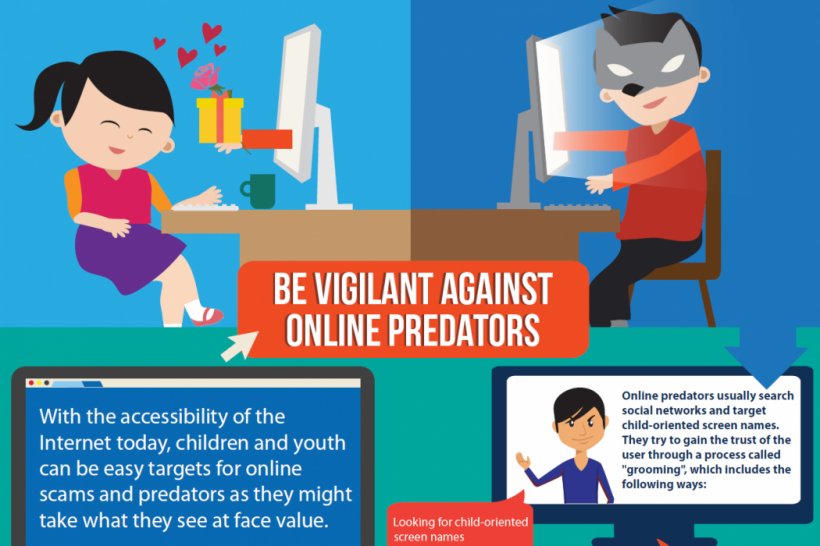
Over-reliance on filtering software and the misconception that middle school students instinctively understand online security represent primary hazards in modern educational technology management. Technical content filters alone cannot substitute for active adult supervision and explicit instruction on navigating dangerous web domains or suspicious links. Educators prevent these oversight gaps by pairing automated network protections with interactive discussions regarding phishing attempts, misinformation, and peer pressure in chat rooms. Establishing clear disciplinary boundaries alongside restorative digital citizenship guidance ensures students learn from minor online mistakes without facing irreversible academic penalties.
💬 Frequently Asked Questions
Explore More Kids Safety and Digital Citizenship Guides on SafeWiredSchools
Protecting students in interconnected learning environments demands an ongoing commitment from educators, administrators, and families alike. By utilizing structured educational frameworks, schools foster environments where young learners thrive securely in virtual spaces. Comprehensive curriculum plans, safety guides, and interactive tools remain fully accessible through the central portal at Safe Wired Schools.
Visual Reference Gallery