Introduction
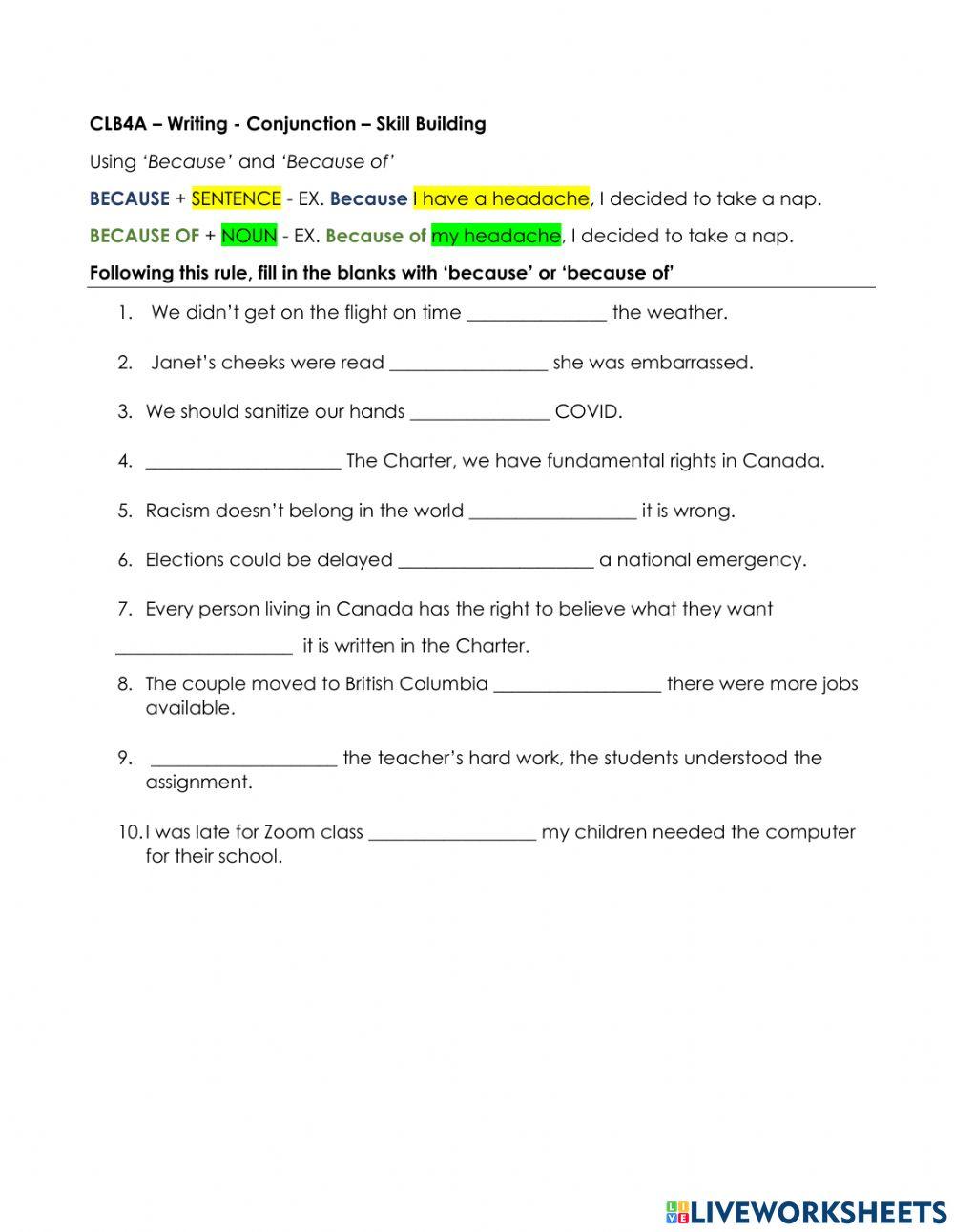
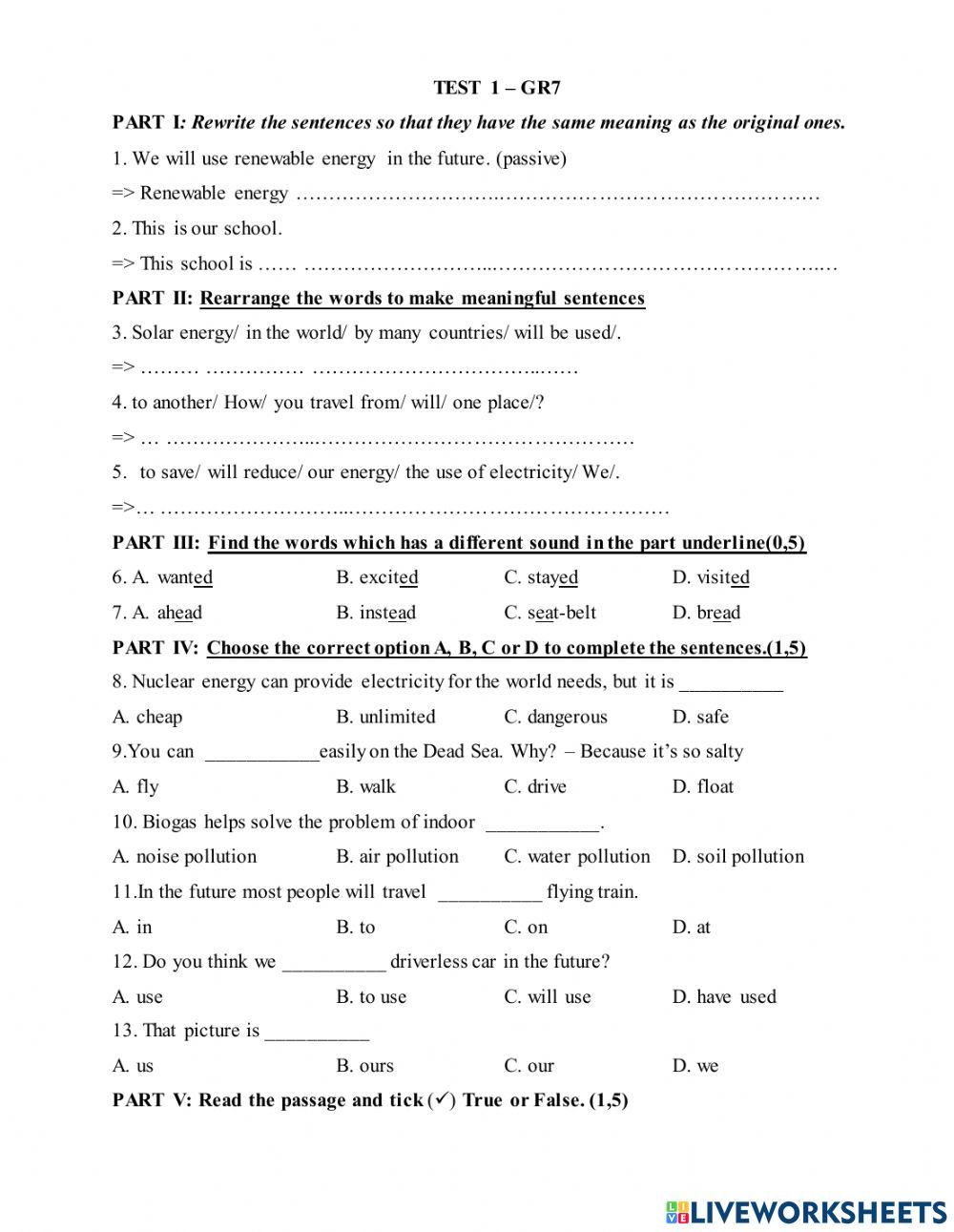
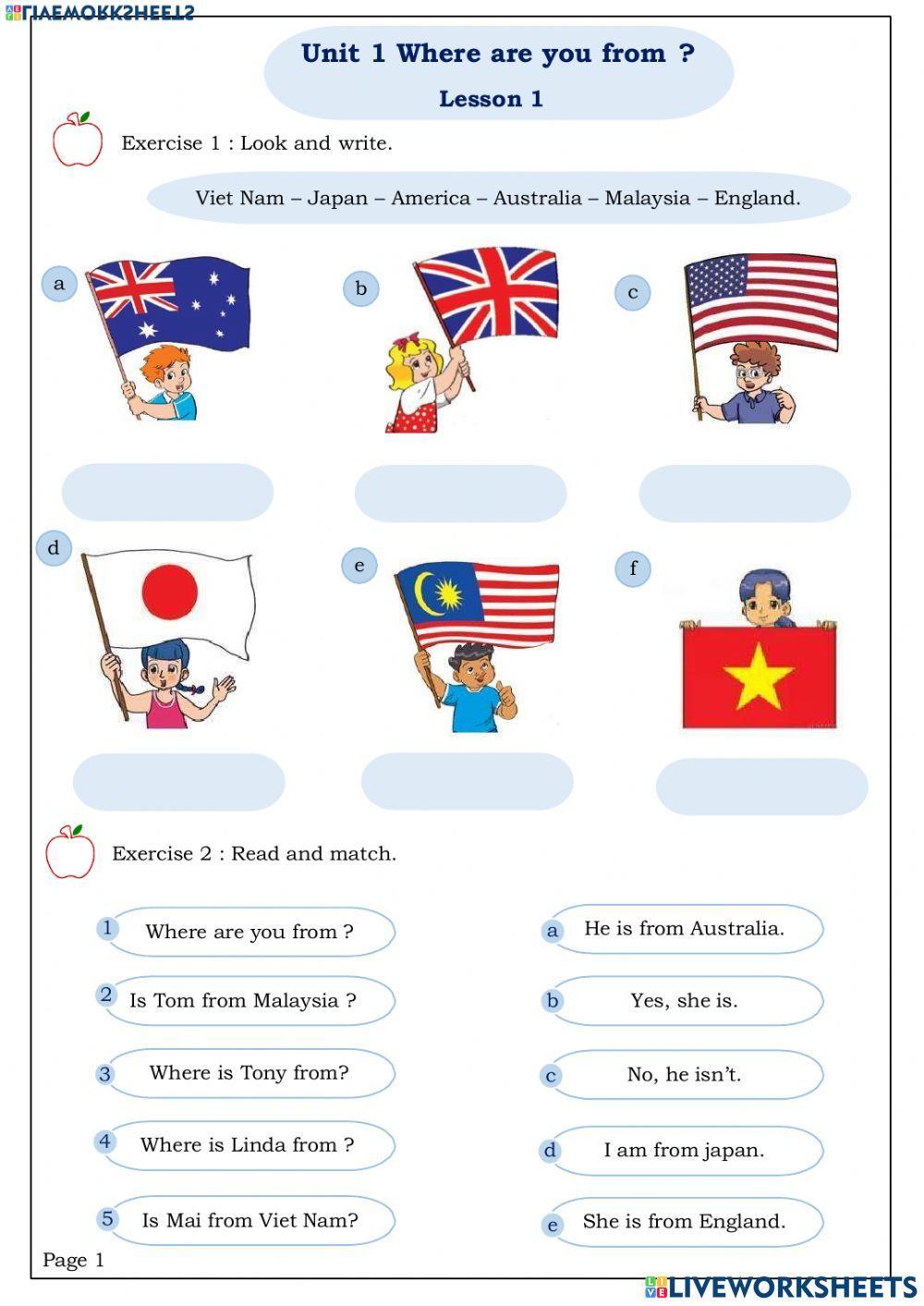
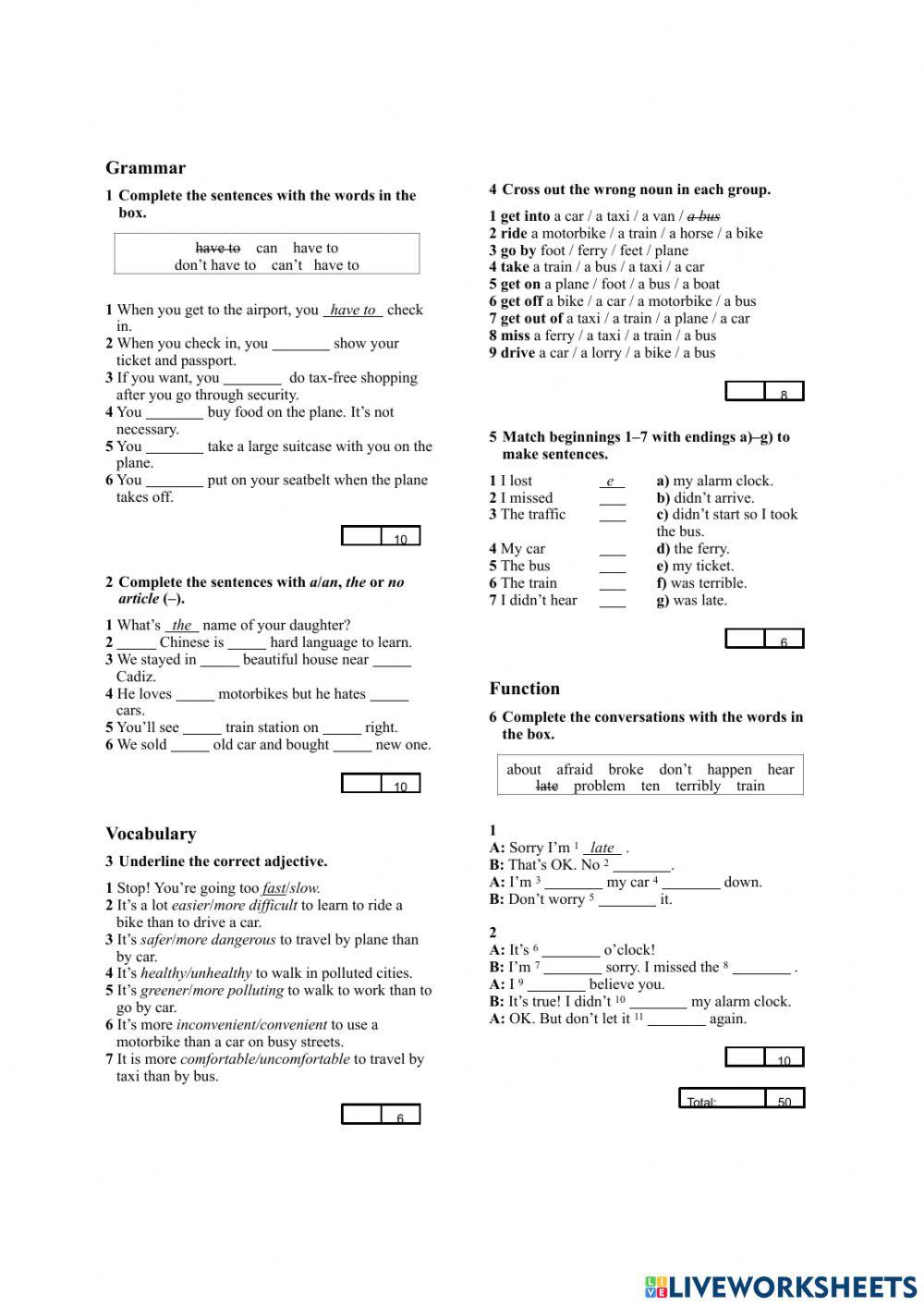
Worksheets english refer to structured educational printouts and digital modules designed to teach language arts while embedding vital digital literacy and cyber safety lessons. According to the Cybersecurity and Infrastructure Security Agency (CISA), integrating secure digital habits into everyday academic curricula drastically minimizes cyber vulnerabilities among adolescent learners. Utilizing specialized Worksheets ensures that middle school students cultivate proper grammar alongside rigorous critical thinking regarding online behaviors, screen time balance, and digital footprints.
Digital Safety Snapshot:
- Core Focus: Blending English language arts pedagogy with internet safety protocols and digital citizenship.
- Target Scope: Middle school classrooms, remote learning environments, and domestic study sessions.
- Key Recommendation: Replace passive screen consumption with active offline and online hybrid writing tasks.
Core Principles and Detailed Overview
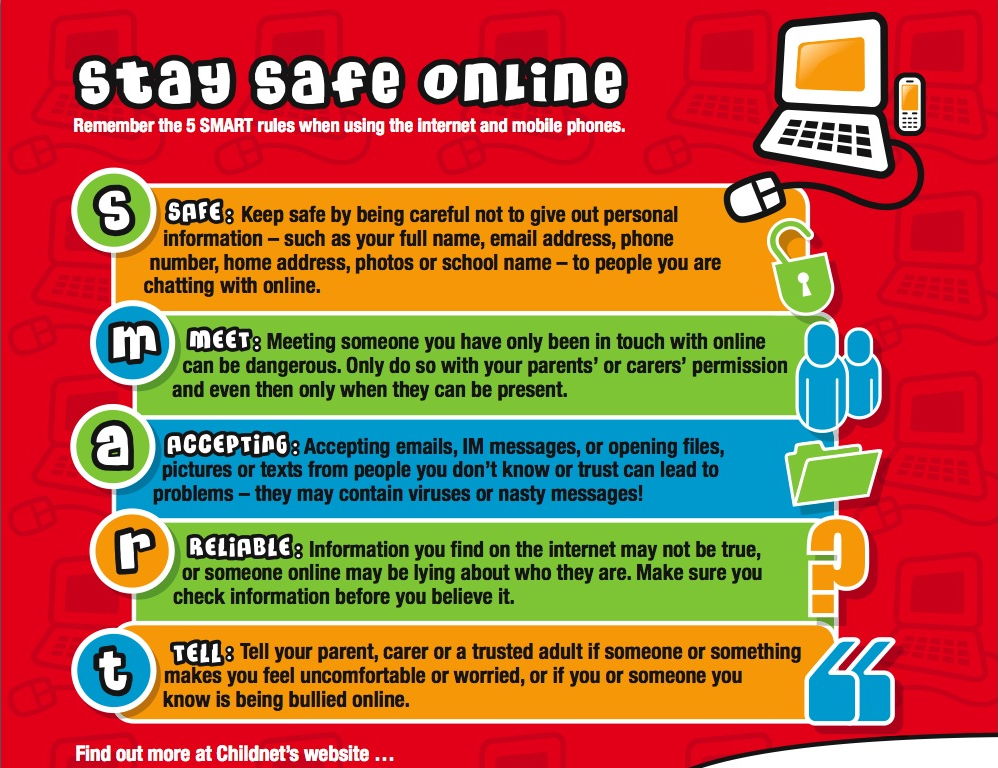
Worksheets english exercises can be deliberately engineered to address contemporary cyber threats like cyberbullying, unauthorized data sharing, and digital distraction. Direct integration of digital citizenship topics into standard reading and writing prompts allows educators to evaluate comprehension while reinforcing safe online boundaries. Because middle school students navigate complex social dynamics across messaging apps and educational portals, structured literacy activities provide a safe sandbox to analyze case studies involving netiquette, password hygiene, and responsible device usage. Strategic implementation of Internet and Digital Safety modules directly into language assignments empowers students to recognize malicious online communication and protect their personal privacy.
Key Specifications and Breakdown
| Safety Pillar | Digital Risk Factor | Actionable Protective Habit |
|---|---|---|
| Digital Footprint | Permanent archiving of careless remarks | Drafting reflective essays on long-term online reputation management. |
| Cyberbullying Defense | Harassment via collaborative doc comments | Analyzing simulated chat logs to identify toxic behavior and report abuse. |
| Screen Balance | Cognitive fatigue from endless scrolling | Transitioning from digital displays to focused, printed reading exercises. |
Comprehensive digital citizenship frameworks successfully mitigate online risks when embedded directly into standard academic subjects like English language arts. — ConnectSafely Research
Step-by-Step Practical Application and Guidelines
Executing effective literacy lessons involving digital safety requires a systematic approach that balances analytical reading with proactive behavior modification. Educators and parents must first audit existing learning materials to identify opportunities where vocabulary lists or reading comprehension passages can feature themes of online privacy. Next, instructors should distribute structured writing prompts that ask learners to evaluate real-world scenarios regarding digital harassment, peer pressure on social networks, and secure password management. Finally, facilitators must conduct guided class discussions to review completed assignments, ensuring students articulate practical strategies for maintaining healthy boundaries and reporting suspicious online interactions to trusted adults.
Common Challenges and How to Avoid Them
Overlooking the intersection between core academic instruction and digital citizenship often results in fragmented learning where students fail to apply safety rules online. A frequent misstep involves treating cyber safety as a standalone, once-a-year lecture rather than reinforcing concepts consistently through daily language arts tasks. Educators can counteract this oversight by intentionally selecting reading materials that mirror modern digital dilemmas, thereby maintaining high student engagement while normalizing conversations about online accountability. Furthermore, balancing screen-based research with tactile assignments prevents digital burnout and preserves classroom focus.
💬 Frequently Asked Questions
Explore More Kids Safety and Digital Citizenship Guides on SafeWiredSchools
Promoting a secure digital environment for developing minds requires continuous education, comprehensive resources, and proactive community engagement. Educators and families seeking additional strategies can explore a wide array of expert-backed curricula by visiting the central hub at Safe Wired Schools. For younger learners or multi-age households, supplementary activities are readily available through the dedicated Online and Digital Safety portal.
Worksheet Previews & Reference Materials