Introduction
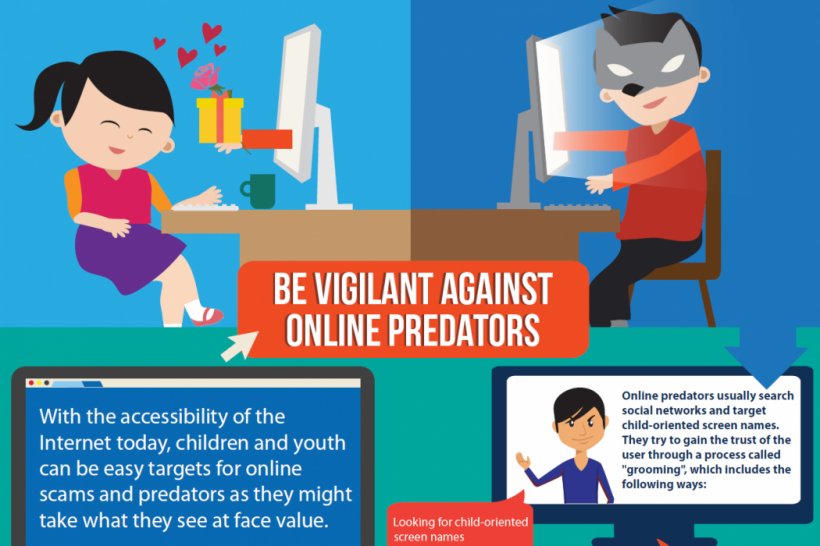
Digital safety and responsible internet use comprise the essential framework of behaviors, technical protocols, and ethical standards required to protect students from online harm while fostering productive academic engagement. According to the Cybersecurity and Infrastructure Security Agency (CISA), maintaining a robust security posture requires the consistent application of layered defenses, including strong authentication practices, regular software updates, and the proactive reporting of suspicious network activity. Establishing these protocols within educational environments minimizes exposure to malware, identity theft, and social engineering attempts while ensuring that the school network remains a secure space for intellectual development.
Digital Safety Snapshot:
- Core Focus: Mitigating cyber risks through proactive behavioral habits and hardened device configurations.
- Target Scope: Integration across middle school curricula, administrative infrastructure, and home oversight.
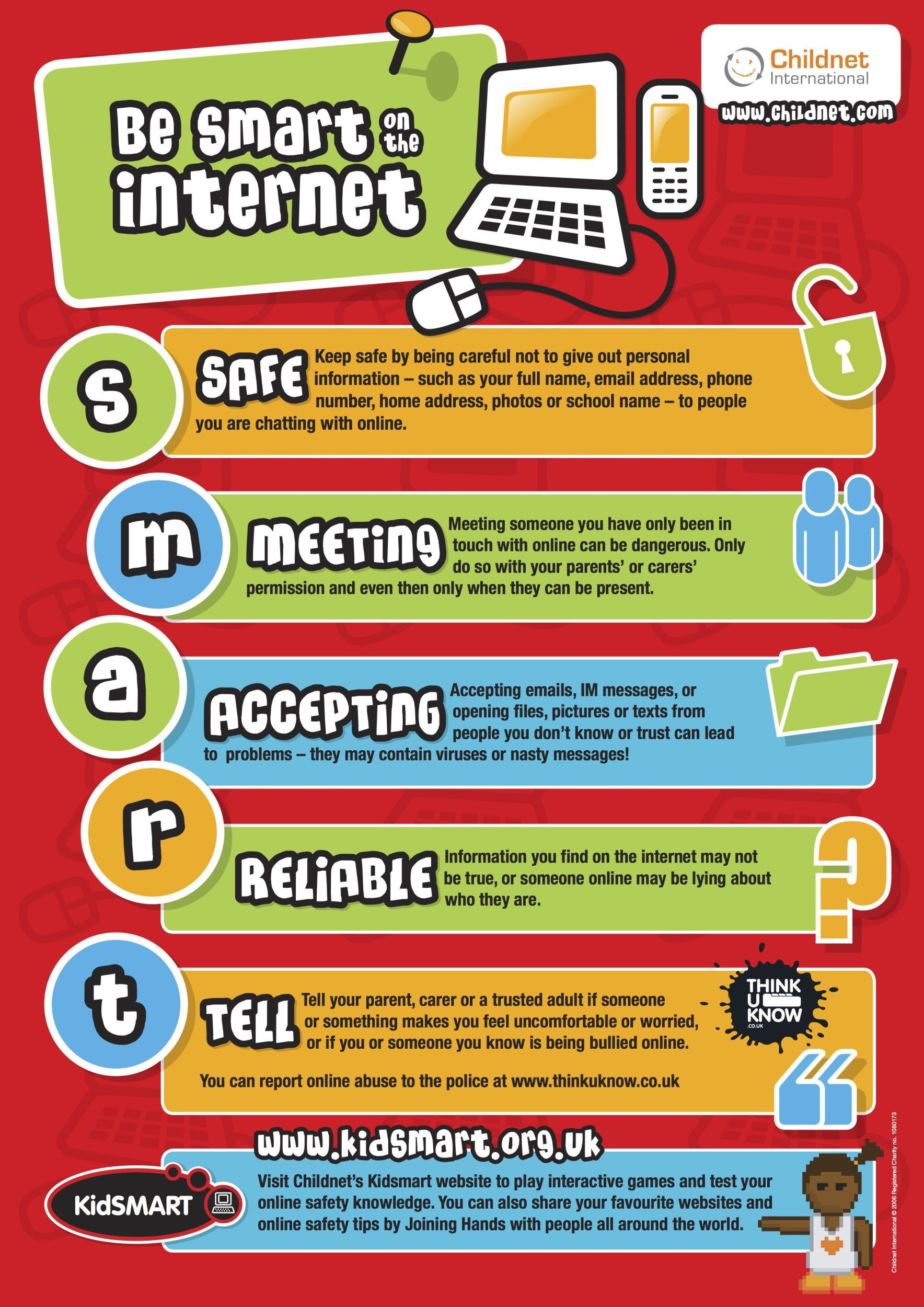
- Key Recommendation: Implement a mandatory “zero-trust” approach to unsolicited links and unidentified email attachments.
Core Principles and Detailed Overview
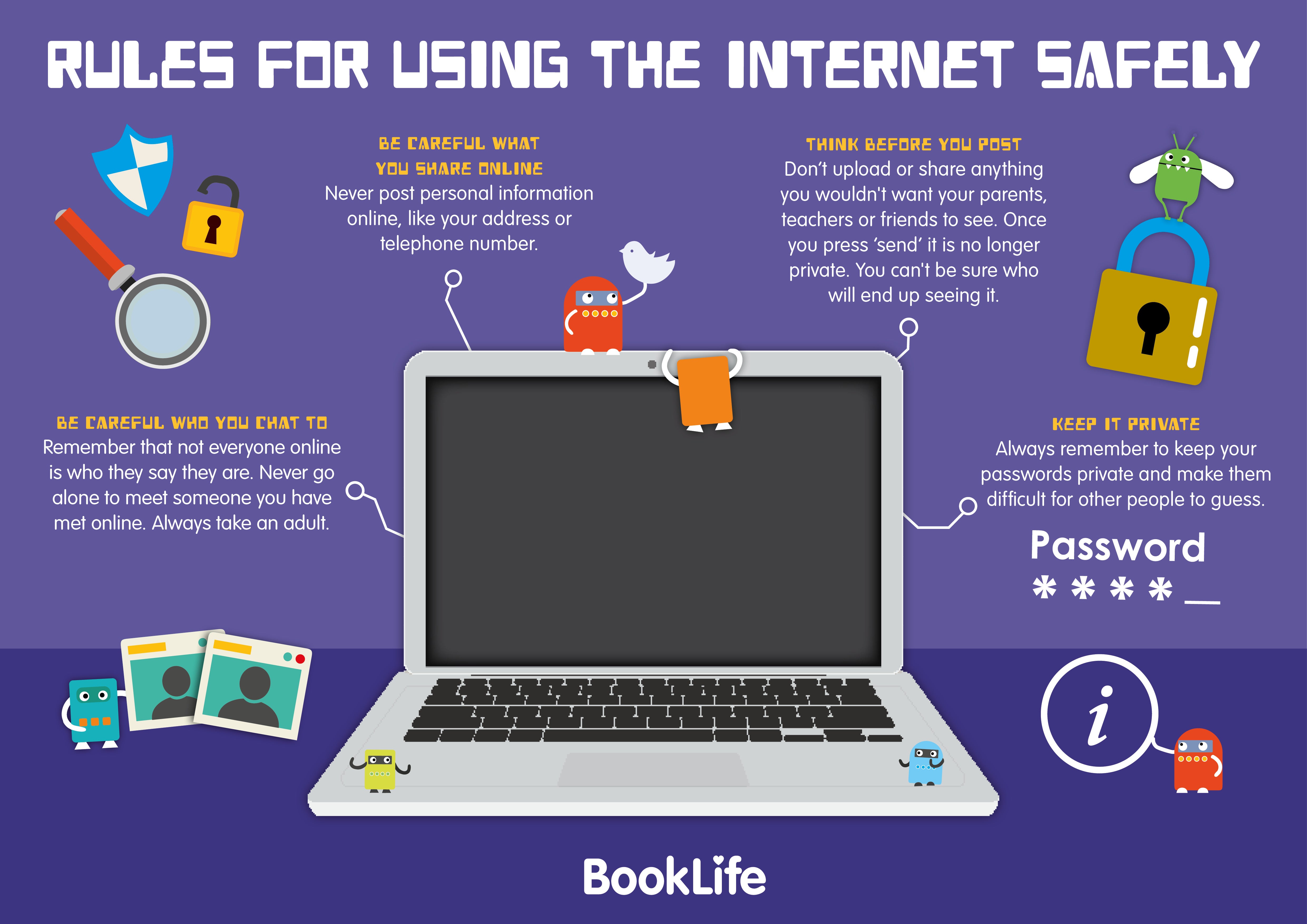
Effective digital safety relies on the synthesis of technical device hygiene, the preservation of a positive digital footprint, and the enforcement of strict anti-cyberbullying policies. A student digital footprint represents the permanent, searchable history of online interactions, which necessitates teaching pupils that every post, comment, or shared image contributes to a long-term professional and personal profile. Classroom screen balance serves as a critical component, ensuring that technology remains a supplementary tool rather than a distraction, thereby reducing the risk of cognitive overload and promoting meaningful human interaction during instructional periods. For more foundational resources, consult the Internet and Digital Safety guidelines.
Key Specifications and Breakdown
| Safety Pillar | Digital Risk Factor | Actionable Protective Habit |
|---|---|---|
| Device Hygiene | Unpatched Vulnerabilities | Enable automatic OS and application updates. |
| Digital Footprint | Permanent Data Exposure | Practice privacy-first social media settings. |
| Cyberbullying | Anonymized Harassment | Document incidents and utilize reporting tools. |
The “Stop, Think, Connect” principle emphasizes that safety is a shared responsibility requiring deliberate evaluation of online actions before engagement — Cybersecurity & Infrastructure Security Agency (CISA)
Step-by-Step Practical Application and Guidelines
Practical application of digital safety involves standardizing device configurations, establishing clear usage boundaries, and integrating comprehensive Worksheets that reinforce responsible online decision-making. Administrators must enforce network-level filtering to block malicious domains, while teachers should mandate that students log out of all accounts upon completing assignments to prevent unauthorized access. Device hygiene requires regular clearing of browser caches and the disabling of unnecessary location services, which minimizes the tracking of student data. By standardizing these actions, schools create a predictable, safe environment that discourages risky behavior and promotes consistent adherence to acceptable use policies.
Common Challenges and How to Avoid Them
Common digital safety failures often stem from the normalization of weak passwords, the oversight of privacy settings, and the lack of immediate intervention during instances of cyberbullying. Avoiding these challenges requires moving away from simple, repetitive passwords toward the use of complex passphrases or institutional multi-factor authentication. Furthermore, proactive cyberbullying prevention necessitates the implementation of anonymous reporting mechanisms, allowing students to report harassment without fear of social retaliation. Addressing these gaps early prevents the escalation of minor technical issues into significant security breaches or social crises within the student body.
💬 Frequently Asked Questions
Explore More Kids Safety and Digital Citizenship Guides on SafeWiredSchools
Maintaining a secure digital environment is an ongoing process that requires collaboration between educators, administrators, and families. For additional materials, including educational Coloring Pages and training modules, visit the Online and Digital Safety section at Safe Wired Schools.
Visual Reference Gallery