Introduction
An online internet safety course for teens provides structured digital literacy instruction designed to protect adolescents from cyber threats, online exploitation, and privacy breaches within educational and personal environments. According to ConnectSafely, digital safety education must emphasize proactive habit formation, critical thinking, and respectful online communication to help adolescents navigate complex virtual landscapes securely. Modern educational settings require comprehensive modules covering everything from secure authentication to responsible social media usage, ensuring that students develop lifelong resilience against online harms. Comprehensive curricula help mitigate risks associated with daily connectivity, empowering educators and parents to cultivate secure, informed digital citizens. This systemic approach is essential for modern institutions utilizing digital tools, and resources such as Internet and Digital Safety provide foundational frameworks for establishing robust classroom boundaries.
Digital Safety Snapshot:
- Core Focus: Equipping adolescents with practical risk-mitigation strategies through structured online modules.
- Target Scope: Middle school students, educators, and parents navigating school-issued and personal devices.
- Key Recommendation: Integrate interactive digital citizenship lessons directly into core curricula to reinforce secure online habits.
Core Principles and Detailed Overview
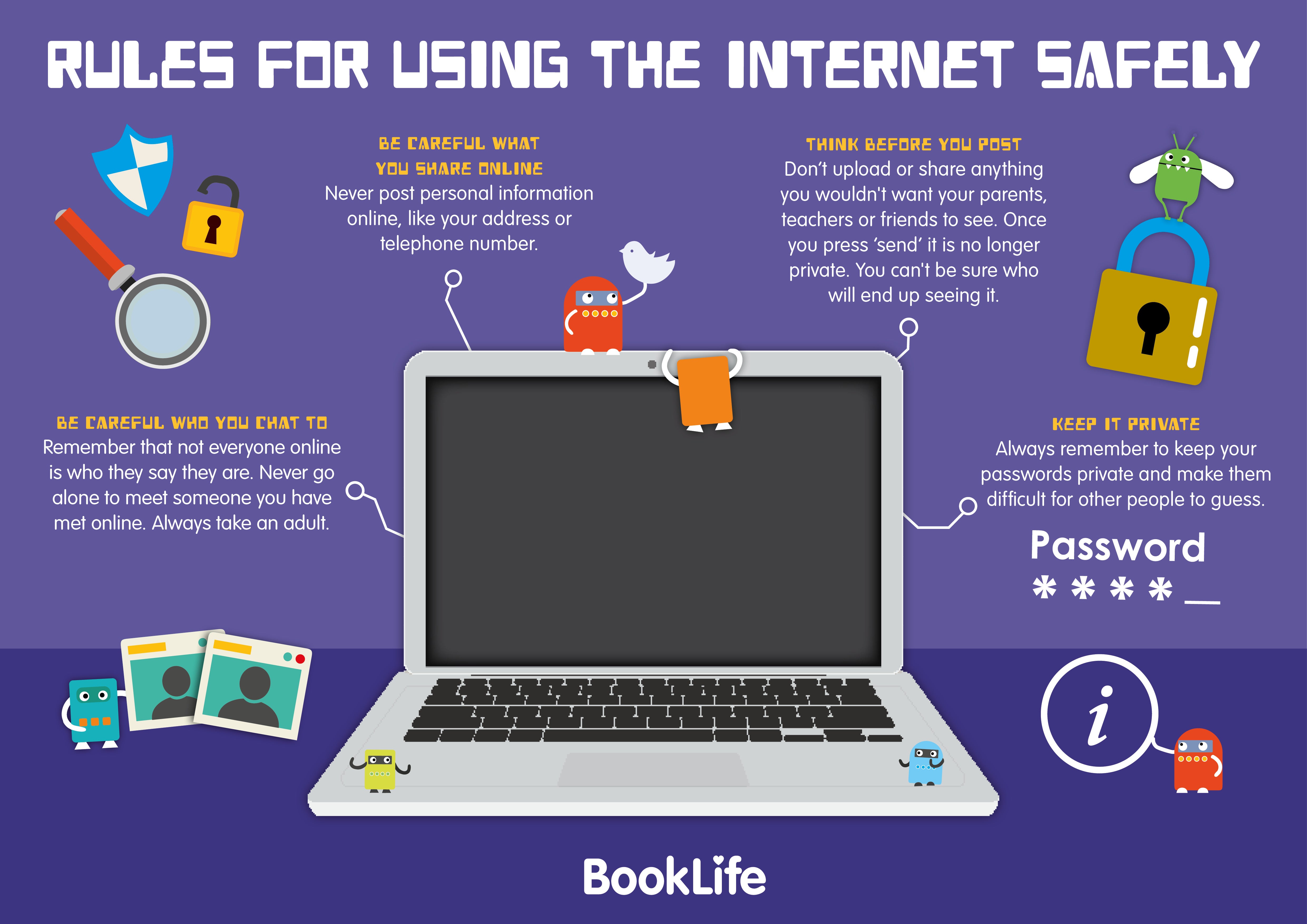
Structured digital safety curricula rely on foundational pillars including digital footprint management, cyberbullying prevention, device hygiene, and balanced screen time utilization. Digital footprint management teaches students that every comment, shared photo, and search query contributes to a permanent online reputation that universities and future employers routinely evaluate. Cyberbullying prevention modules focus on empathy cultivation, bystander intervention techniques, and proper reporting channels within school networks. Device hygiene encompasses password complexity, multi-factor authentication, and immediate software updates to prevent malware infiltration on institutional and personal hardware. Meanwhile, classroom screen balance strategies encourage intentional offline breaks, reducing digital fatigue and fostering healthier psychological boundaries with connected technology. Administrators often supplement these core principles with targeted instructional aids such as downloadable Worksheets to assess student comprehension and retention.
Key Specifications and Breakdown
| Safety Pillar | Digital Risk Factor | Actionable Protective Habit |
|---|---|---|
| Digital Footprint | Permanent public profiling and data harvesting | Utilize privacy settings and audit posted content regularly. |
| Cyberbullying | Harassment, social exclusion, and psychological harm | Block perpetrators, preserve digital evidence, and report incidents. |
| Device Hygiene | Malware installation, phishing, and account compromise | Implement strong passphrases and avoid unverified links. |
Proactive digital citizenship education significantly reduces adolescent exposure to online predators and social engineering threats — Cybersecurity & Infrastructure Security Agency (CISA)
Step-by-Step Practical Application and Guidelines
Implementing an effective online safety curriculum requires a phased rollout that combines technical guardrails with behavioral instruction for growing adolescents. The first phase establishes clear institutional acceptable use policies that outline permitted device behaviors, consequences for policy violations, and immediate reporting protocols for suspicious online encounters. The second phase introduces interactive scenarios where students analyze simulated phishing emails, recognize manipulated media, and practice constructive conflict resolution during digital disputes. The third phase engages parents and educators through collaborative workshops, ensuring home environments reinforce the exact security protocols taught inside school computer laboratories. Educators seeking foundational visual tools for younger cohorts can also explore creative resources like Coloring Pages to introduce basic digital rules safely.
Common Challenges and How to Avoid Them
Overcoming student disengagement and inconsistent enforcement remains the primary hurdle when deploying mandatory digital safety education across diverse middle school populations. Adolescents frequently dismiss generic warning lectures as fear-mongering, necessitating gamified, scenario-based learning models that mirror actual peer-to-peer digital interactions. Another common pitfall is treating internet safety as a one-time annual presentation rather than an ongoing dialogue integrated into daily academic coursework. Educational institutions avoid these gaps by conducting regular curriculum audits, updating threat profiles to reflect emerging communication apps, and rewarding positive digital citizenship within the school community. Consistent reinforcement across all academic subjects ensures that safety guidelines transition from theoretical rules into automatic, subconscious protective habits.
💬 Frequently Asked Questions
Explore More Kids Safety and Digital Citizenship Guides on SafeWiredSchools
Empowering students with robust digital literacy requires continuous access to vetted resources, authoritative educational frameworks, and practical safety guides. Educators, school administrators, and parents can expand their protective strategies by visiting the comprehensive library available at Safe Wired Schools. Ongoing engagement with professional safety documentation ensures that schools remain secure, compliant, and supportive environments for developing digital citizens.
Visual Reference Gallery