Introduction
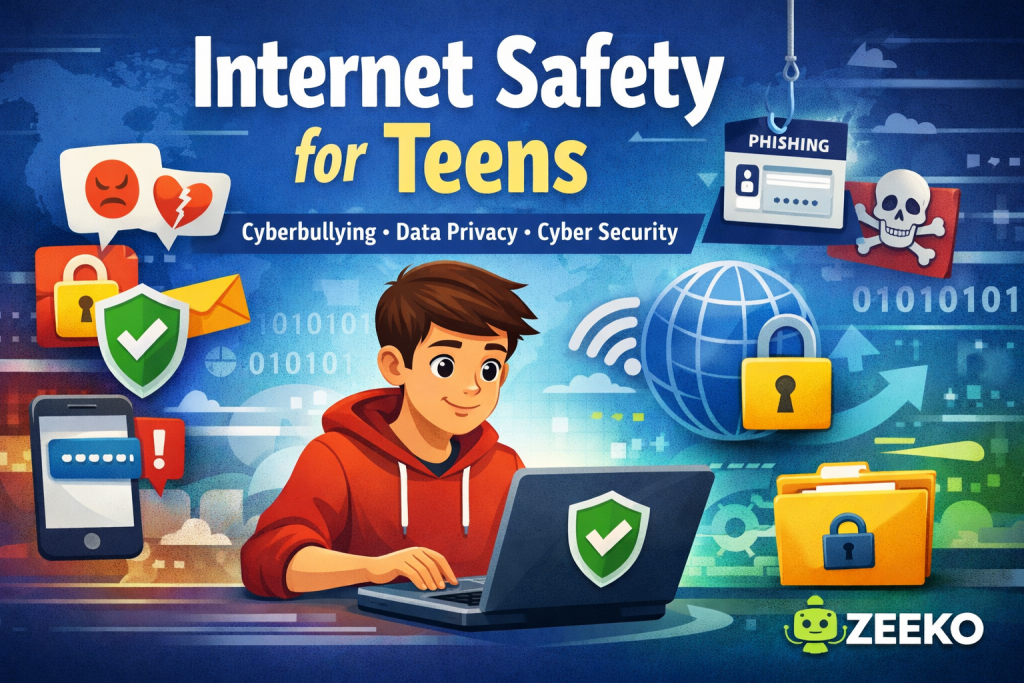
Online internet safety encompasses the policies, educational frameworks, and technical measures required to protect students from digital threats in educational and home environments. According to the Cybersecurity and Infrastructure Security Agency (CISA), proactive cyber hygiene and structured digital literacy programs significantly reduce the vulnerability of minors to online exploitation. Implementing comprehensive protective frameworks safeguards school networks, deters harassment, and fosters responsible digital citizenship across middle school communities.
Digital Safety Snapshot:
- Core Focus: Mitigation of digital risks through structured online internet safety protocols.
- Target Scope: Middle schools, educators, parents, and adolescent student device users.
- Key Recommendation: Enforce multi-layered device security and continuous digital citizenship education.
Core Principles and Detailed Overview
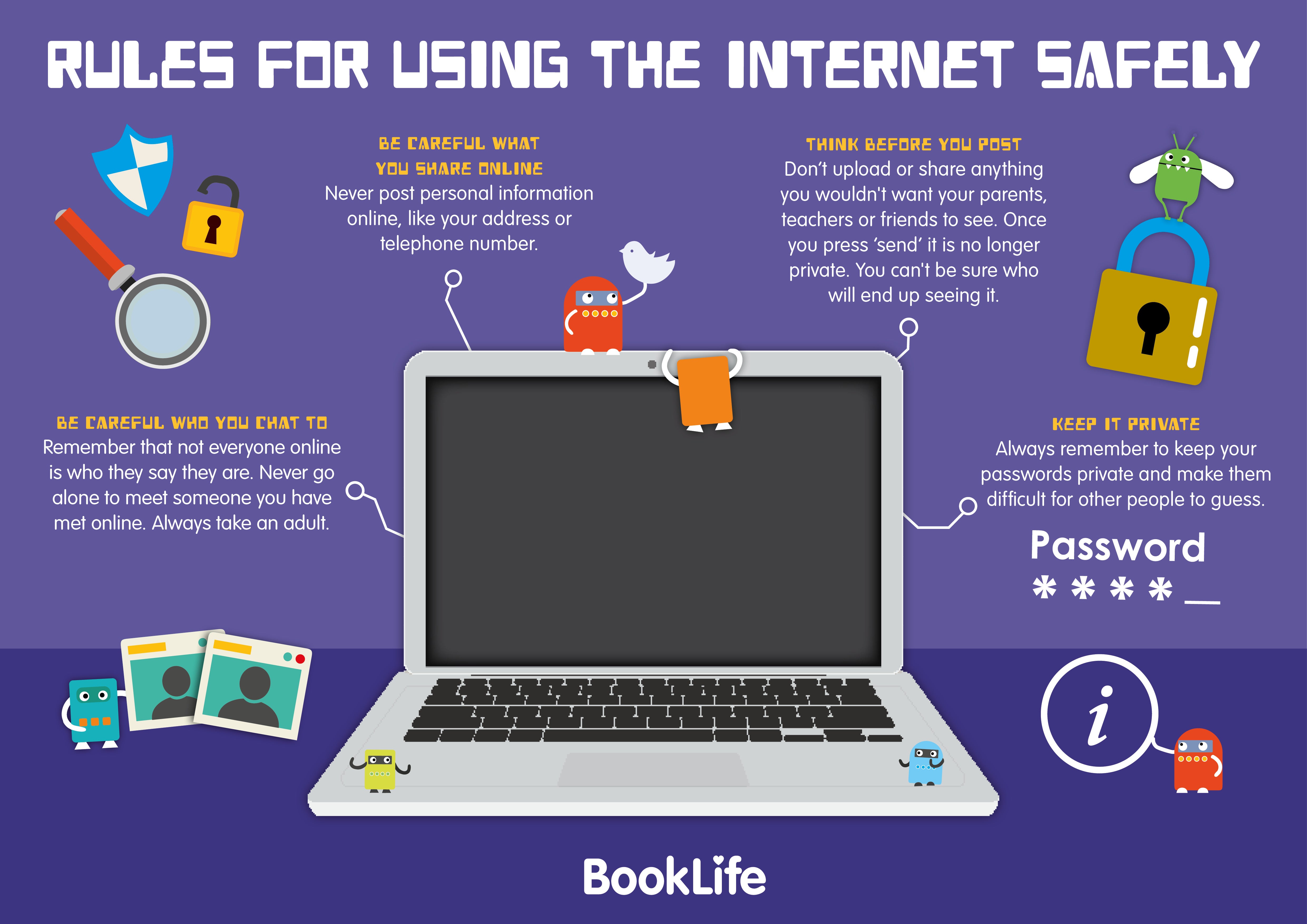
Effective management of Internet and Digital Safety relies on balancing open educational access with rigorous safeguards against emerging digital hazards. School administrators and educators must establish robust environments where students navigate networked learning management systems, research databases, and collaborative platforms without compromising data privacy. Device hygiene practices, including mandatory password rotation, operating system patches, and hardware encryption, form the baseline of institutional cyber defense. Furthermore, understanding the permanence of a student’s digital footprint prevents rash online behavior that could impact future academic or career opportunities. Curricula must explicitly address how seemingly innocuous social media posts, shared geolocation data, and public forum comments contribute to a permanent online identity.
Key Specifications and Breakdown
| Safety Pillar | Digital Risk Factor | Actionable Protective Habit |
|---|---|---|
| Device Hygiene | Malware and compromised school-issued hardware. | Enforce automated firmware updates and strict administrative permissions. |
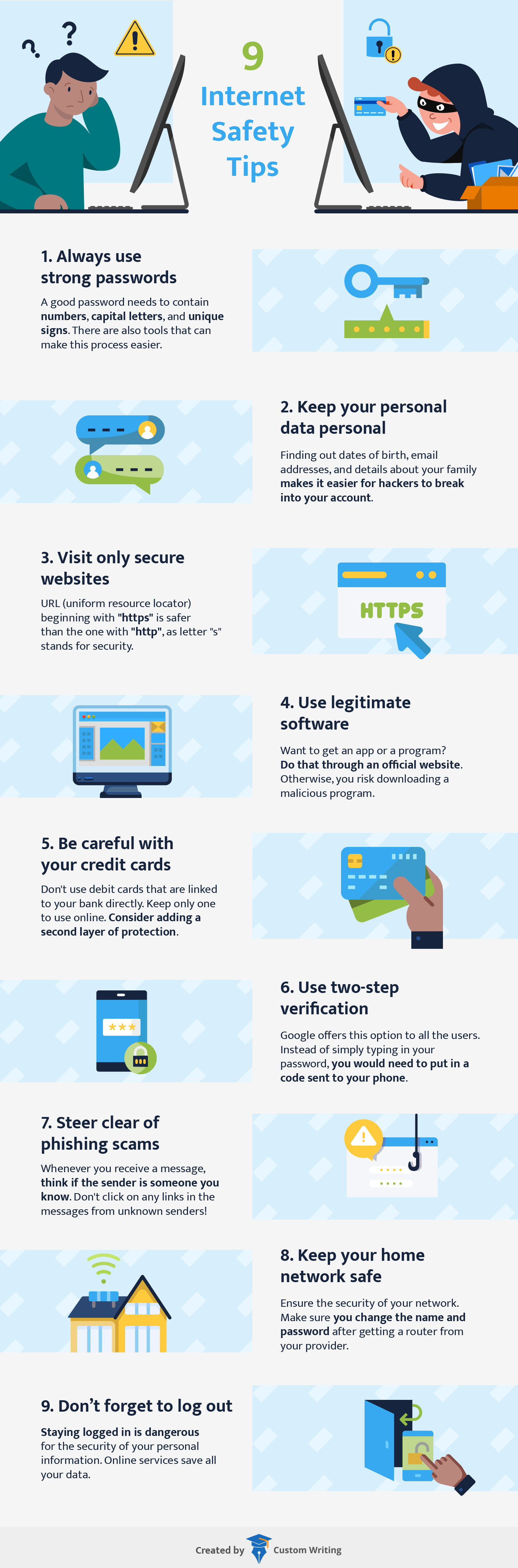
| Digital Footprint | Permanent archiving of indiscreet student posts and images. | Teach students to audit privacy settings and practice self-censorship. |
| Cyberbullying Defense | Harassment occurring across school messaging apps and forums. | Establish anonymous reporting channels and immediate counselor intervention. |
Proactive digital citizenship education combined with rigorous network filtering significantly mitigates online threats to student well-being. — Cybersecurity & Infrastructure Security Agency (CISA)
Step-by-Step Practical Application and Guidelines
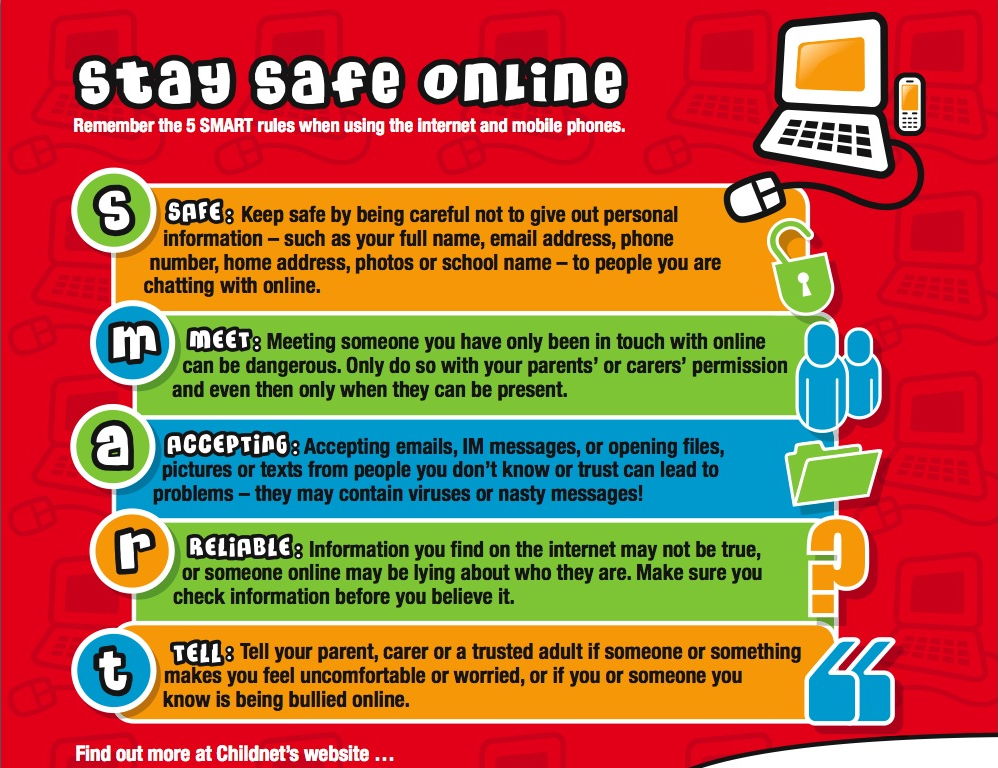
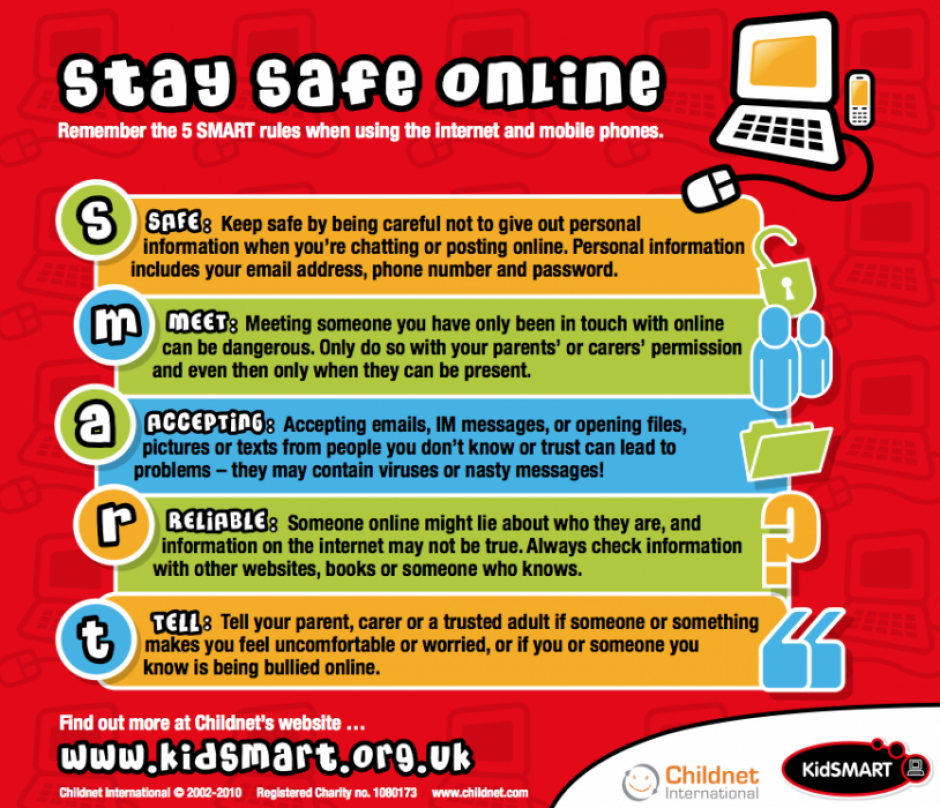
Establishing resilient Online and Digital Safety standards requires a coordinated strategy involving educators, technical staff, and parents. Educational institutions should begin by auditing existing network routers, firewalls, and classroom management software to ensure harmful content is blocked dynamically. Next, schools must integrate specialized lessons focusing on cyberbullying recognition, password complexity, and social engineering awareness into standard classroom rotations. Educators benefit greatly from utilizing supplementary Worksheets designed to reinforce digital ethics and privacy concepts through interactive student exercises. Finally, establishing clear escalation pathways ensures that instances of online harassment or unauthorized data sharing are reported to school administration and parents immediately for rapid resolution.
Common Challenges and How to Avoid Them
Over-reliance on automated filtering without corresponding behavioral education frequently leaves students unprepared to handle unsupervised online environments outside the classroom. Educational institutions often struggle with shadow IT, where students utilize unauthorized proxy networks or personal mobile data hotspots to bypass institutional firewalls. Mitigating this challenge involves educating adolescents on the security risks of unverified network connections rather than relying solely on punitive restrictions. Additionally, addressing cyberbullying requires moving beyond reactive discipline toward restorative practices that encourage bystanders to report malicious online behavior safely. Consistent communication between educators and families ensures that safety policies established at school are mirrored consistently in home environments.
💬 Frequently Asked Questions
Explore More Kids Safety and Digital Citizenship Guides on SafeWiredSchools
Maintaining secure, productive learning environments requires continuous access to vetted educational materials and authoritative guidance. Educators and parents can discover a wide variety of supplemental resources, teaching tools, and creative activities such as Coloring Pages by exploring the complete collection at Safe Wired Schools.
Visual Reference Gallery