Introduction
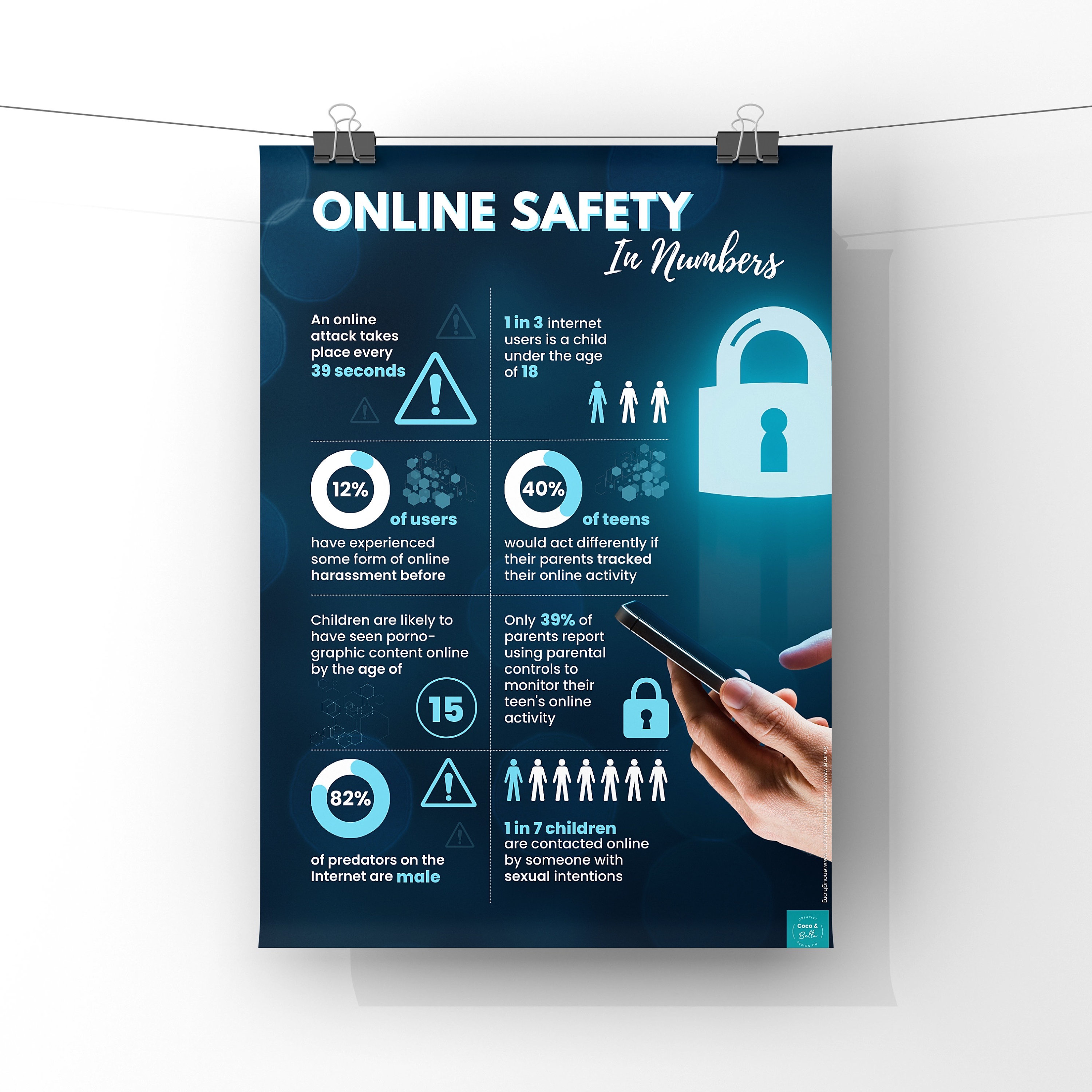
Online cyber safety encompasses the multi-layered practices, protective tools, and behavioral standards required to safeguard individuals from digital threats in educational and domestic environments. According to the Cybersecurity and Infrastructure Security Agency (CISA), proactive cyber hygiene and standardized digital safeguards significantly reduce the vulnerability of school-aged learners to online exploitation, credential theft, and targeted cyber attacks. Educational institutions, instructors, parents, and adolescent learners must collaborate to maintain secure network perimeters, manage personal digital footprints, and foster respectful online interactions across all connected school devices. Accessing structured learning modules via Internet and Digital Safety ensures students acquire foundational defensive competencies early in their academic journey.
Digital Safety Snapshot:
- Core Focus: Implementation of school-wide cyber hygiene, student privacy protocols, and proactive digital footprint management.
- Target Scope: Middle school students, classroom teachers, school administrators, and parents navigating connected learning spaces.
- Key Recommendation: Enforce mandatory multi-factor authentication and regular credential updates across all student-facing portals.
Core Principles and Detailed Overview
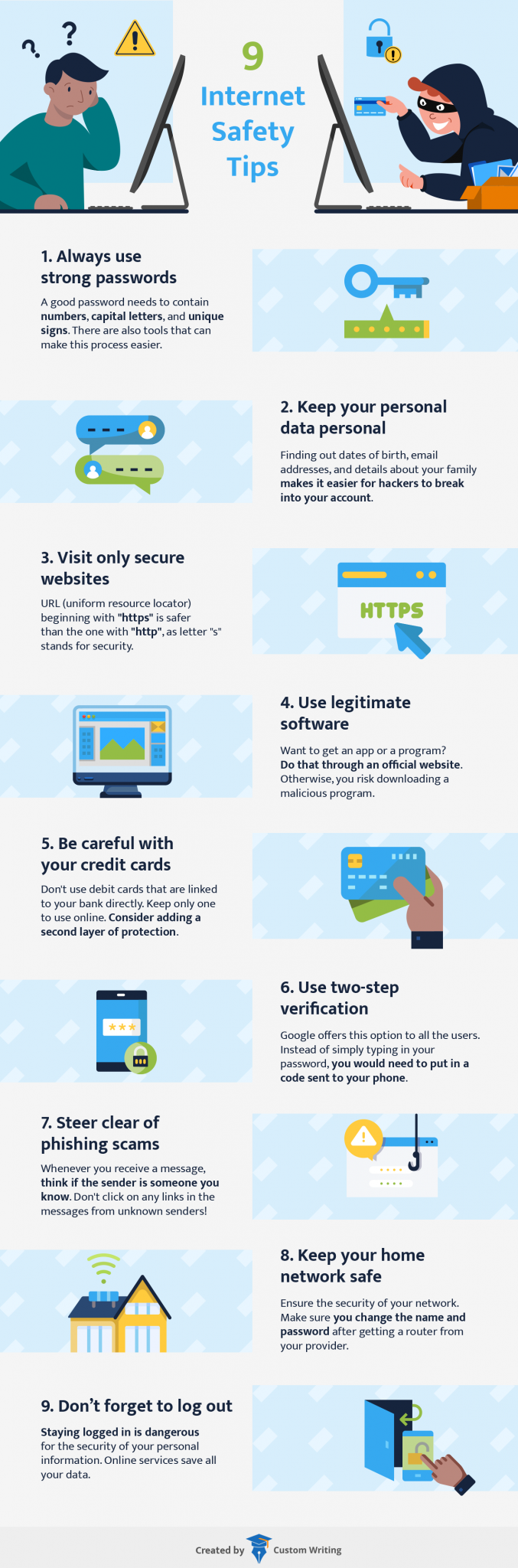
Comprehensive online cyber safety requires integrating technical defenses with behavioral awareness across school networks and personal endpoints. Modern educational institutions face sophisticated threats ranging from unauthorized data harvesting to disruptive cyberbullying incidents that compromise mental well-being and academic focus. Effective risk mitigation relies on strict device hygiene, such as disabling unnecessary network ports, deploying centralized endpoint protection, and enforcing secure password management policies. Additionally, cultivating mindfulness regarding permanent digital footprints prevents students from publishing sensitive personal details or inflammatory remarks that could negatively impact future academic and professional opportunities. Integrating structured pedagogical materials found in Online and Digital Safety reinforces these essential technical boundaries.
Key Specifications and Breakdown
| Safety Pillar | Digital Risk Factor | Actionable Protective Habit |
|---|---|---|
| Device Hygiene | Malware injection and unpatched vulnerabilities | Apply automated software updates and secure operating system configurations nightly. |
| Digital Footprint | Permanent archiving of private text and media | Evaluate the long-term impact before publishing any comment or image online. |
| Cyberbullying Defense | Harassment via anonymous messaging and school chats | Document abusive interactions immediately and report incidents to designated staff. |
Establishing baseline cybersecurity hygiene across educational networks requires continuous vulnerability assessments, strict access controls, and comprehensive digital citizenship training for all active student accounts. — Cybersecurity & Infrastructure Security Agency (CISA)
Step-by-Step Practical Application and Guidelines
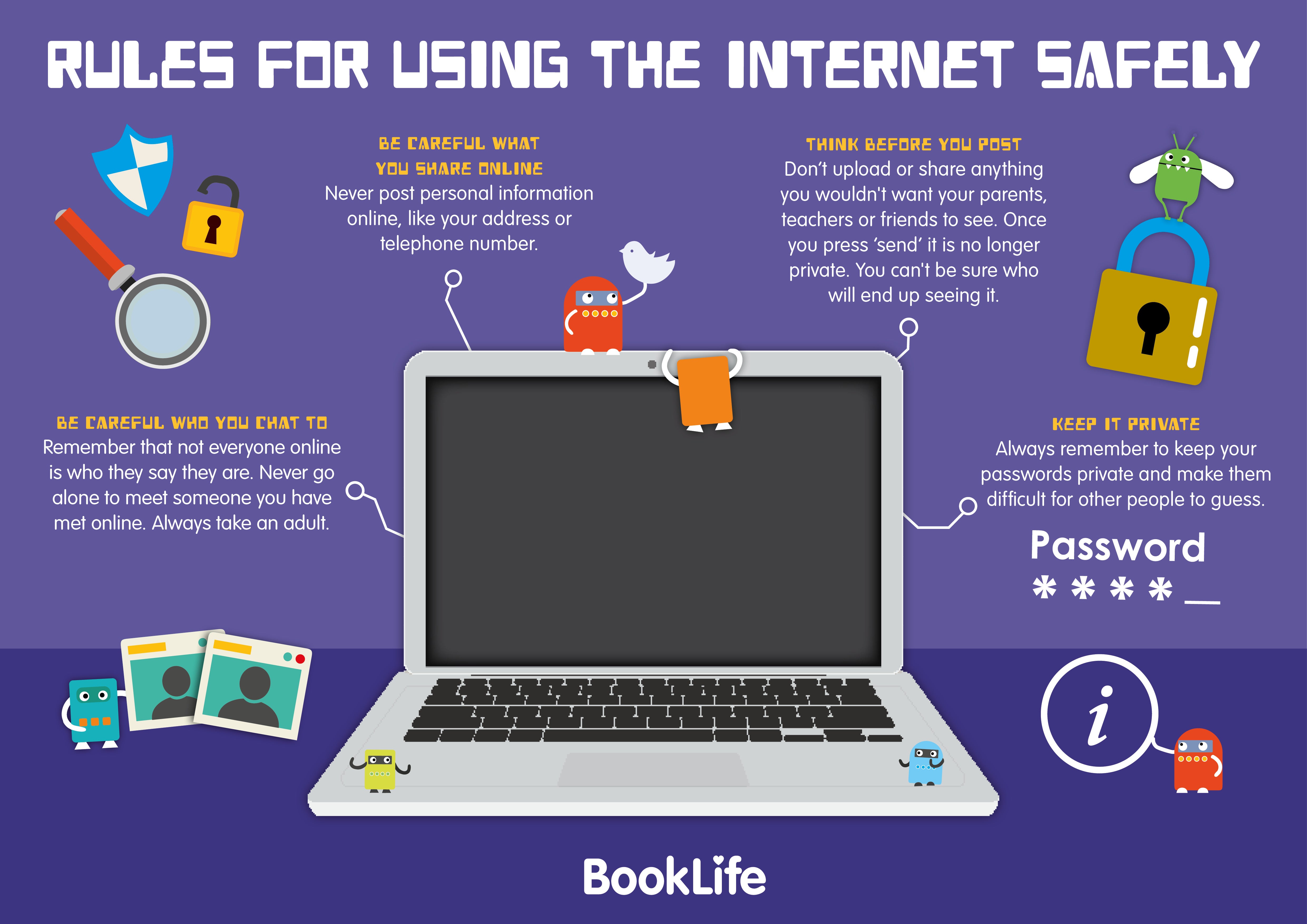
Implementing robust online cyber safety protocols in middle schools involves a systematic rollout of technical safeguards and behavioral guidelines. First, school administrators must establish strict network filtering policies that block malicious domains while permitting authorized educational resources. Second, educators should integrate digital citizenship lessons into daily curricula, teaching students how to identify phishing attempts and verify online sources. Third, parents and teachers must collaborate to enforce healthy classroom screen balance, alternating between digital tasks and offline discussions to prevent cognitive fatigue. Finally, students must adopt personal device accountability by logging out of shared accounts, safeguarding login credentials, and immediately reporting suspicious digital communications to trusted adults.
Common Challenges and How to Avoid Them
Overcoming obstacles in student cybersecurity programs demands anticipating frequent behavioral lapses and technical oversight vulnerabilities. Middle school learners frequently underestimate the permanence of online data, leading to accidental oversharing on social platforms and educational forums. Educators counter this vulnerability by utilizing interactive learning tools and downloadable Worksheets that clearly illustrate how digital traces remain active indefinitely. Another prevalent challenge involves password fatigue, where students reuse weak credentials across multiple platforms. Schools eliminate this vulnerability by deploying centralized password managers and mandatory multi-factor authentication protocols, ensuring unauthorized access attempts are blocked instantly.
💬 Frequently Asked Questions
Explore More Kids Safety and Digital Citizenship Guides on SafeWiredSchools
Maintaining an secure and enriching digital environment requires ongoing education, reliable instructional resources, and active community collaboration. Stakeholders can access a comprehensive repository of expert-reviewed curricula, classroom activities, and informative parent guides by visiting the main portal at Safe Wired Schools, where specialized resources such as creative Coloring Pages help introduce foundational digital safety concepts to younger learners.
Visual Reference Gallery