Introduction
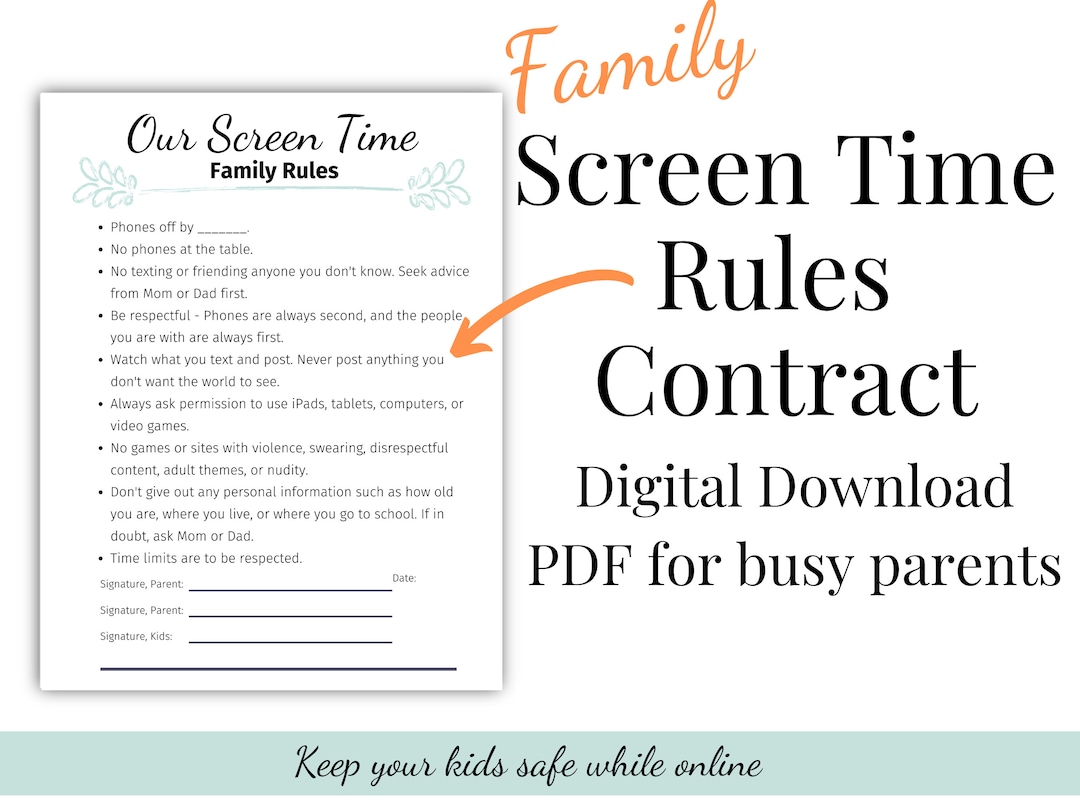
Managing daily screen time often feels like an uphill battle in modern homes and classrooms. Children navigate digital devices for learning, gaming, and socializing long before they reach middle school. Reality shows that children typically encounter online risks not through sophisticated hacks, but through casual moments like open in-game chat windows, shared family tablets, or autoplay video platforms. Establishing healthy boundaries requires more than parental control software or rigid time limits. Adults need collaborative tools that invite young learners into the conversation. The free printable agreement to reduce screen time for {site_name} bridges this gap by turning device management into a shared commitment rather than a battle of wills. Related guide: Cctv Introduction Lesson For Grade 4.
💡 Educational Key Takeaways:
- Core Skill: Structured Agreement To Reduce Screen Time focused on developing pencil grip, stroke control, and early literacy/math confidence.
- Target Scope: Suited for homeschoolers, preschool, kindergarten, and elementary learners.
- Best Recommendation: Practice 10–15 minutes daily with ergonomic writing tools to reinforce muscle memory without hand fatigue.
What This Printable Covers
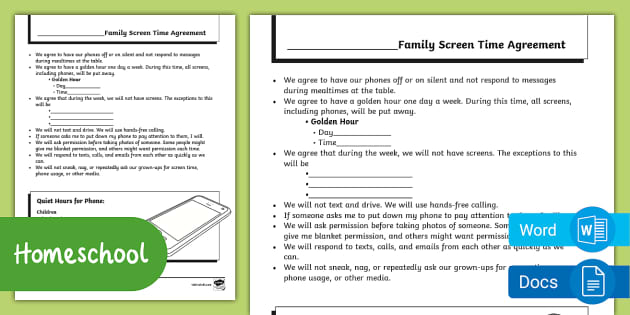
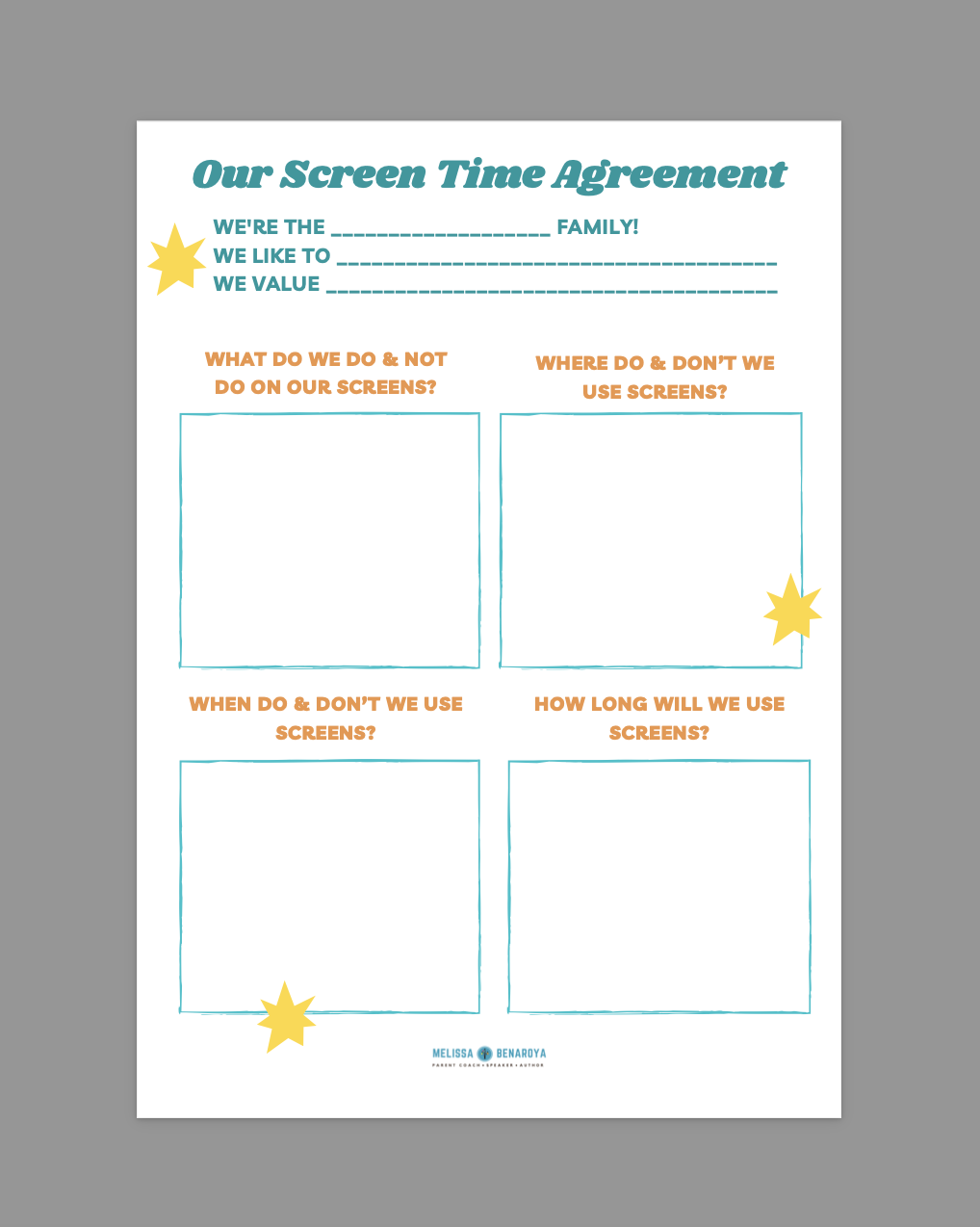
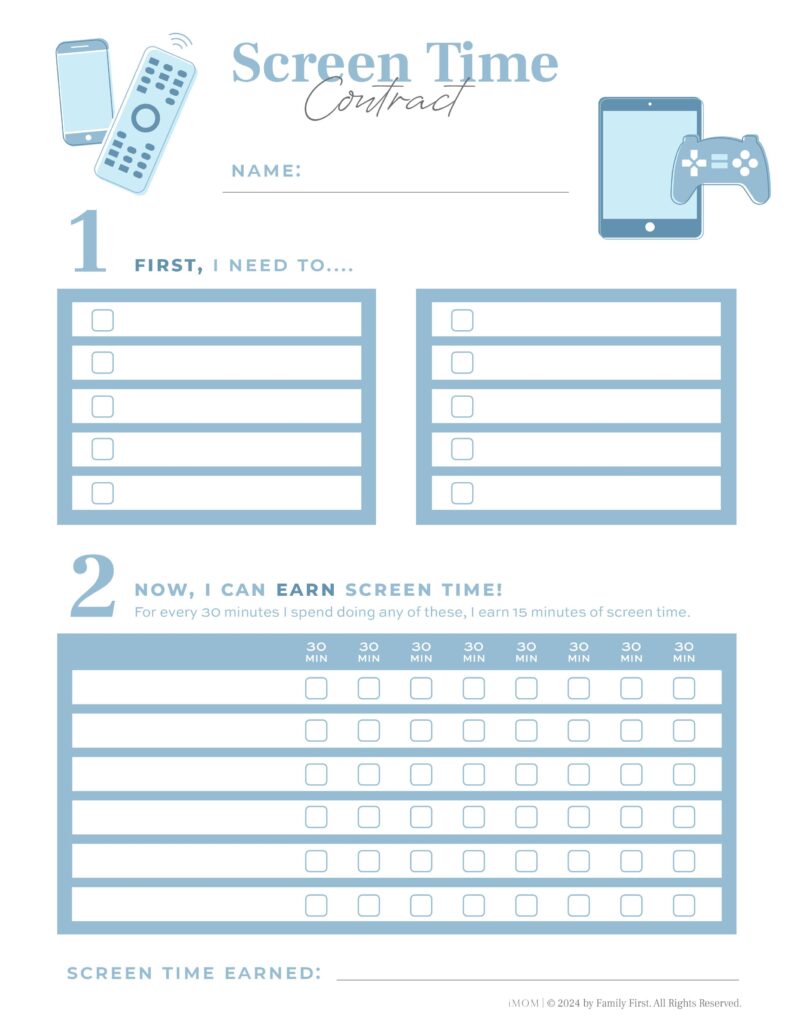
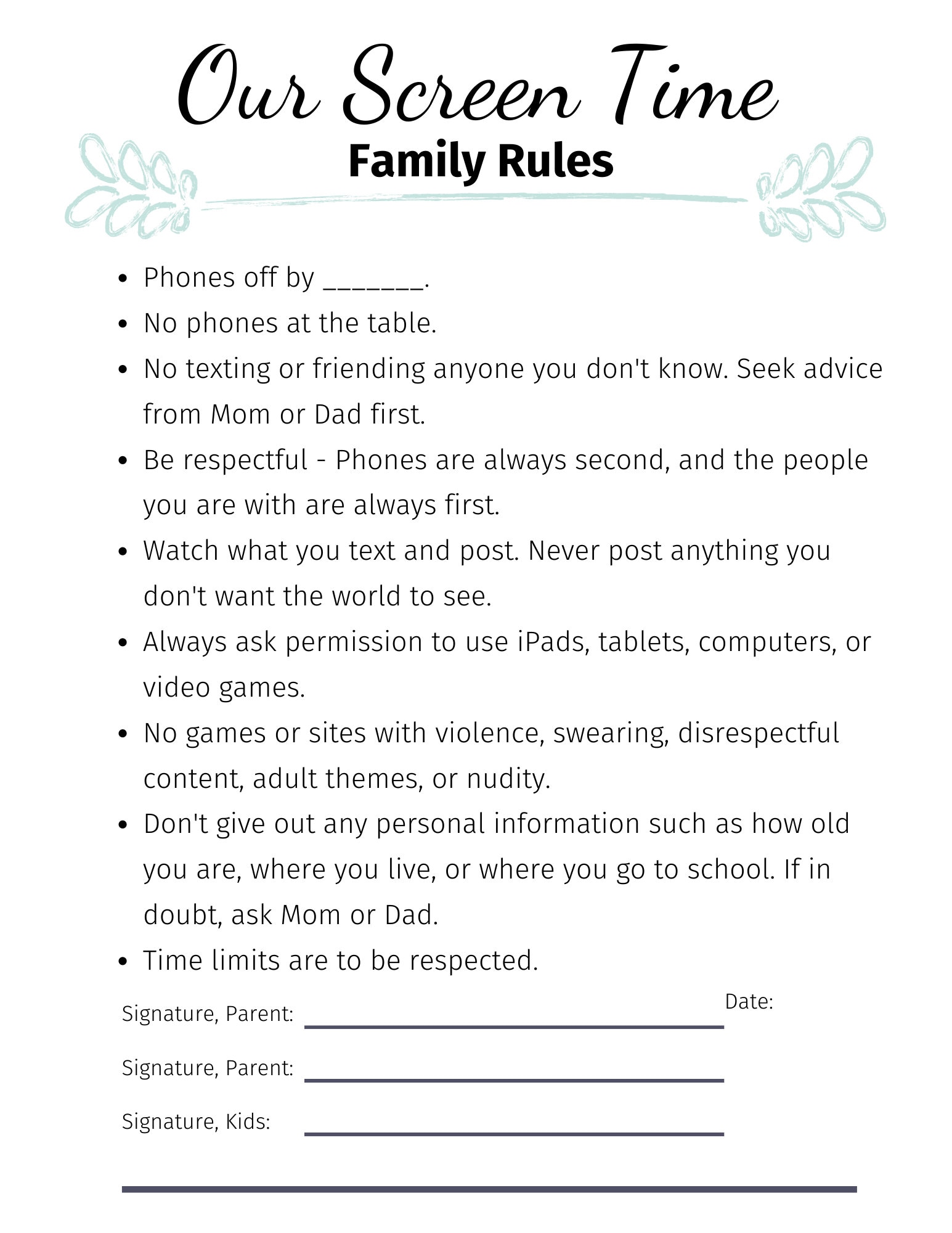
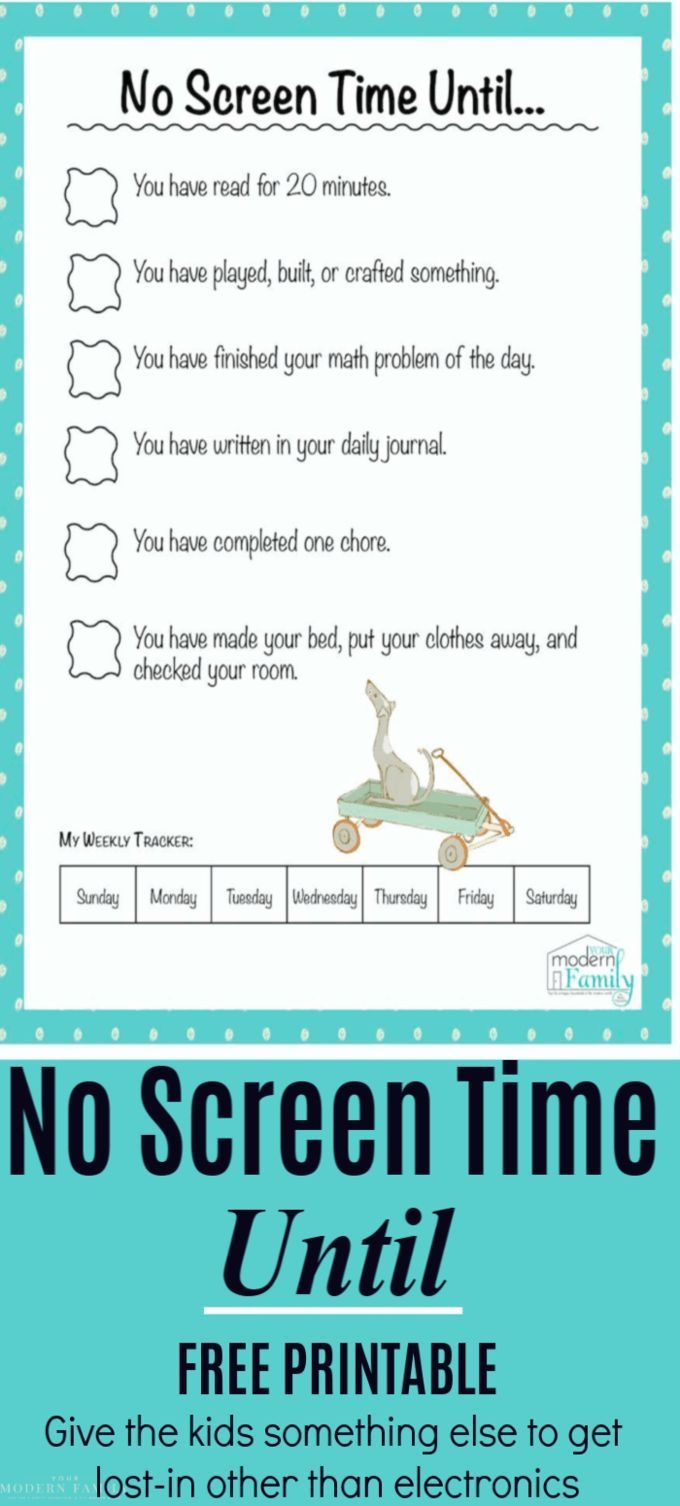
This versatile guide outlines clear, actionable rules for balanced device use at home or in the classroom. Instead of focusing solely on restrictions, the document highlights intentional offline activities, resting the eyes, and respecting device-free zones during meals or bedtime. It serves as a structured conversation starter. Educators often look for printable activities that encourage children to think critically about their habits. By signing the agreement together, adults and children establish mutual expectations for healthy technology consumption.
Key Learning Outcomes
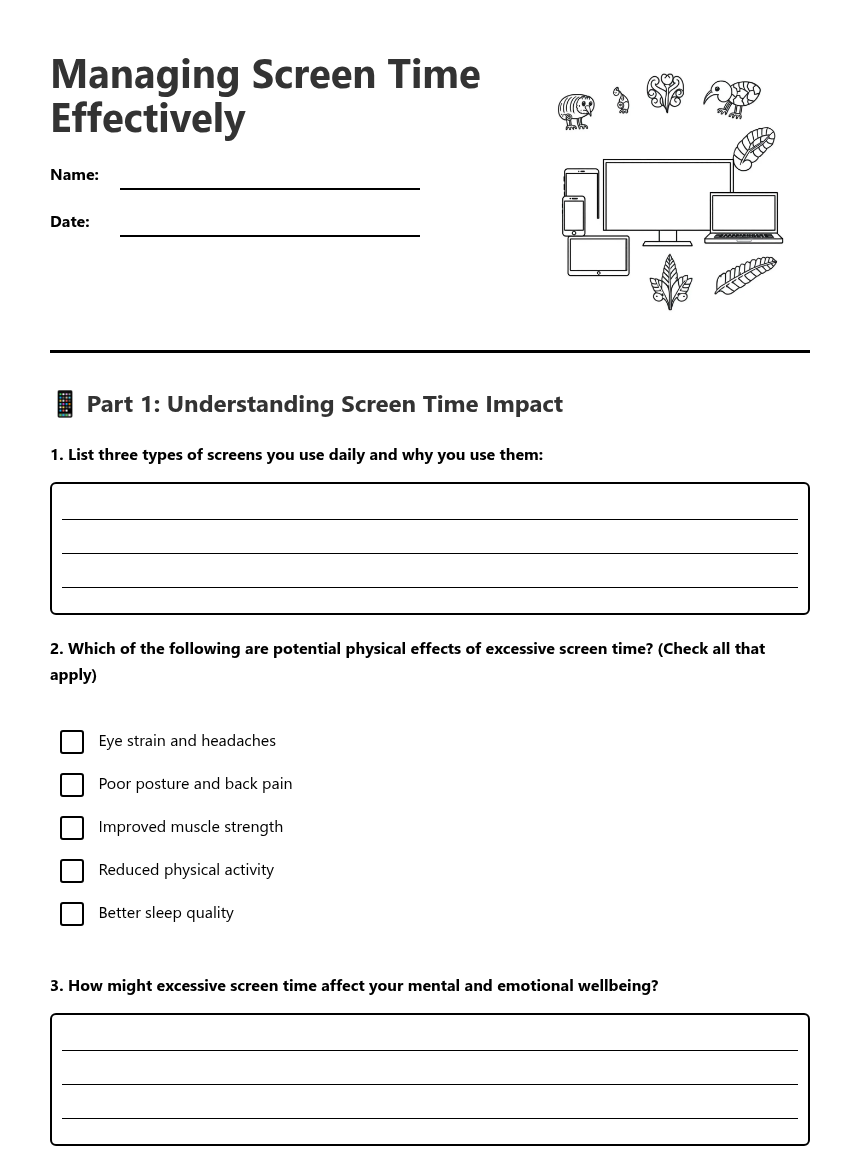
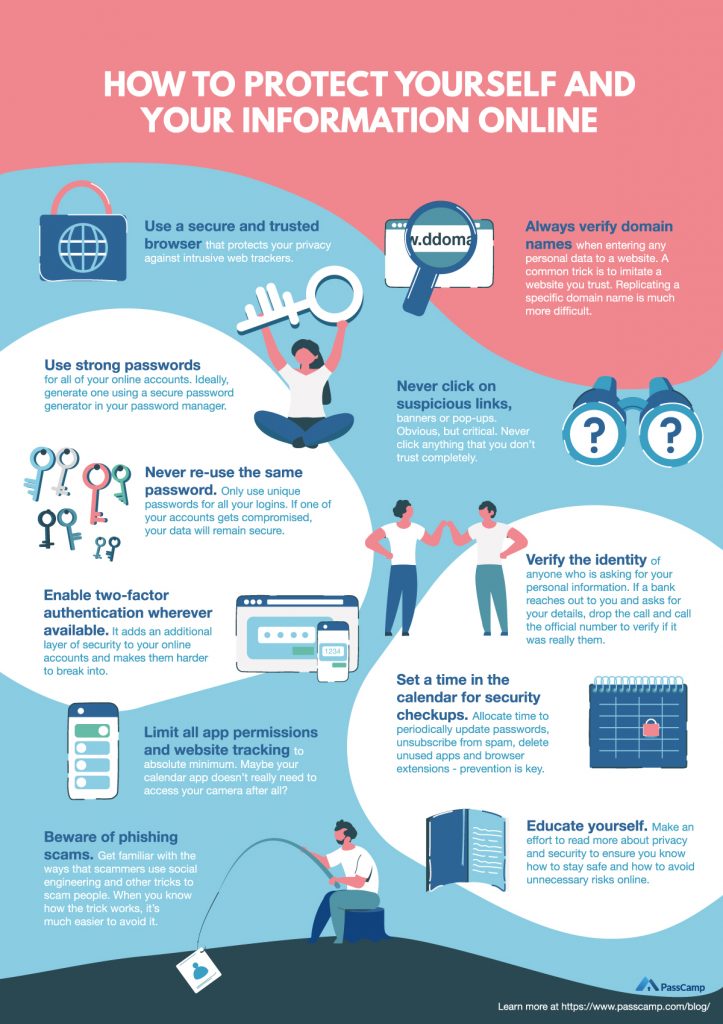
Children develop essential self-regulation skills when they participate in setting their own digital boundaries. According to Common Sense Media, youth spending excessive hours on entertainment media frequently report sleep disruptions and challenges with sustained focus. This printable teaches students to recognize physical cues of fatigue and disconnect before screen fatigue sets in. Additionally, it reinforces foundational digital citizenship habits such as keeping personal information private, maintaining strong passwords, and thinking carefully before sharing anything online. Most importantly, the agreement reinforces the message that children are never in trouble for reporting something uncomfortable to a trusted adult.
How to Use This Printable
Implementation works best when treated as a collaborative workshop rather than an administrative decree. Sitting down at a kitchen table or a classroom desk sets a relaxed tone for the discussion. Adults can read through the sections aloud, inviting children to share their thoughts on which hours feel most difficult to stay offline. It sounds simple, and that is the point. When children help draft their own limits, compliance naturally increases. Teachers frequently integrate these discussions into broader units found across online and digital safety lesson plans, connecting physical health directly with digital well-being.
Practical Tips for Parents and Teachers
Consistency remains the cornerstone of successful habit-building. Displaying the signed agreement on a refrigerator, bulletin board, or near charging stations serves as a helpful visual reminder for everyone in the space. Adults should model balanced device habits, putting phones away during family conversations or instructional time. Reviewing the agreement monthly allows families to adjust time limits as school schedules change or extracurricular activities pick up. Exploring complementary resources such as creative coloring pages can also help younger children process these concepts through visual art.
Age-Appropriate Recommendations
Tailoring the conversation to a child’s developmental stage ensures the message resonates without causing anxiety. For kindergarteners and first graders, keeping rules simple and concrete works best, focusing on turning off screens when asked. Upper elementary students benefit from deeper discussions aligned with the ISTE Standards for Students, which encourage learners to cultivate a positive and safe digital identity. According to Pew Research Center, a vast majority of teenagers and pre-teens have access to smartphones, making early elementary years the ideal window to build foundational routines before peer pressure complicates device usage.
According to Pew Research Center, the vast majority of children access mobile devices regularly before entering middle school, making early habit-building essential for digital well-being. — Pew Research Center
Frequently Asked Questions
How do I download and print the agreement?
Click the download link on this page to save the PDF file to your device, then send it to any standard home or classroom printer.
How does this resource support online safety learning?
It pairs screen-time limits with offline self-regulation practice, teaching children to balance digital media with physical health and safety habits.
What does the American Academy of Pediatrics recommend for screen use?
The American Academy of Pediatrics recommends prioritizing consistent offline activities and adequate sleep over unmonitored digital media consumption.
Explore More Free Kids Online Safety Printables
Building robust digital citizenship is an ongoing journey that benefits from a variety of engaging tools. Educators and families can discover additional resources by browsing specialized collections like educational safety printables designed to support young learners at every developmental stage. Combining structured agreements with interactive discussions empowers children to navigate the digital world safely, confidently, and responsibly.
Developmental Milestone & Activity Table
| Development Stage | Recommended Daily Duration | Primary Learning Objective |
|---|---|---|
| Preschool & Pre-K | 10 – 15 Minutes | Pencil grip development & basic pre-stroke lines |
| Kindergarten | 15 – 20 Minutes | Letter/number formation & spatial line awareness |
| Early Elementary (Grade 1–2) | 20 – 30 Minutes | Fluency, sentence construction & neatness |
Images References