Introduction
Children encounter digital environments long before mastering complex risk assessment. Modern kids navigate shared family tablets, jump into in-game chat features during multiplayer sessions, and explore endless video platforms. Adults often worry about keeping children safe in these spaces. Instead of relying on fear, educators build digital citizenship through deliberate habit formation. The free printable online safety pie chart offered on site_name provides a hands-on way to structure these foundational conversations. Coloring reinforces safety messages while opening up natural channels for dialogue between children and trusted adults. Related guide: Online Cyber Safety Games.
💡 Educational Key Takeaways:
- Core Skill: Structured Online Safety Pie Chart focused on developing pencil grip, stroke control, and early literacy/math confidence.
- Target Scope: Suited for homeschoolers, preschool, kindergarten, and elementary learners.
- Best Recommendation: Practice 10–15 minutes daily with ergonomic writing tools to reinforce muscle memory without hand fatigue.
What This Printable Covers
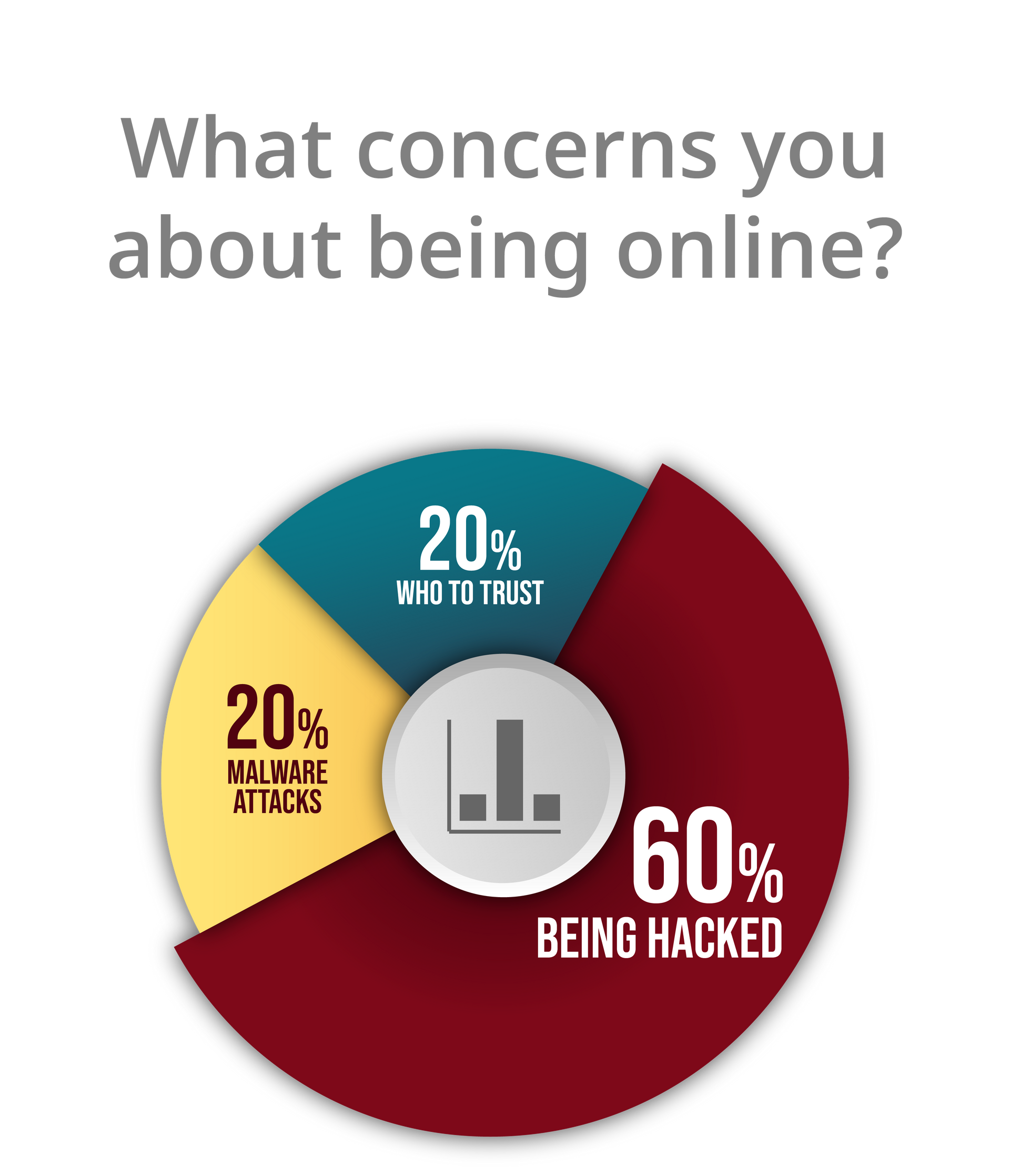
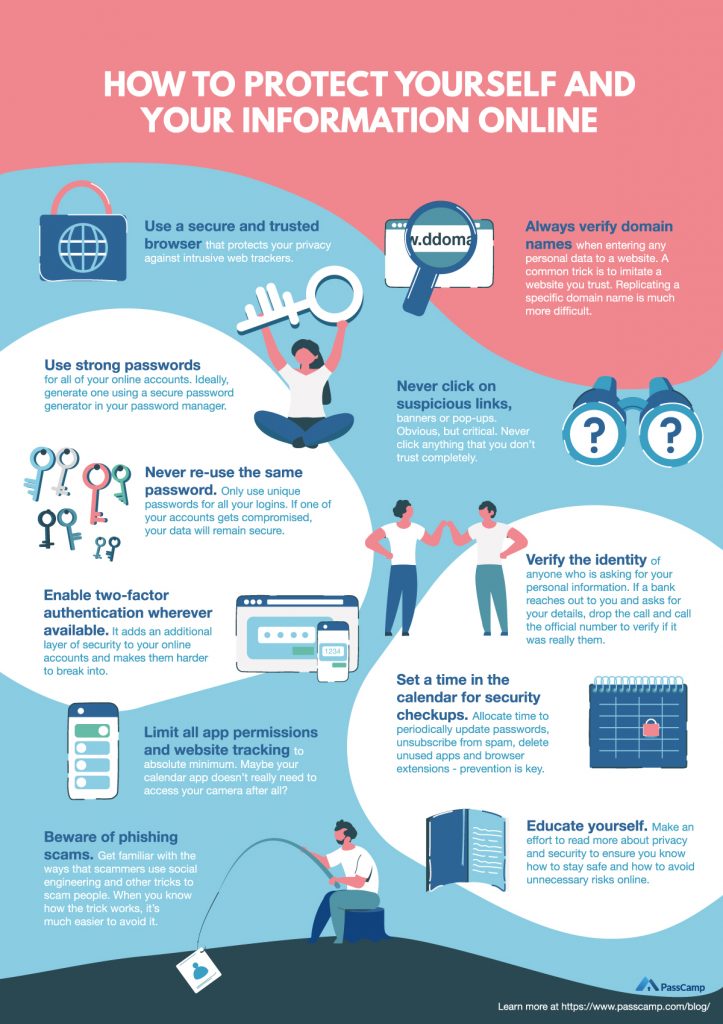
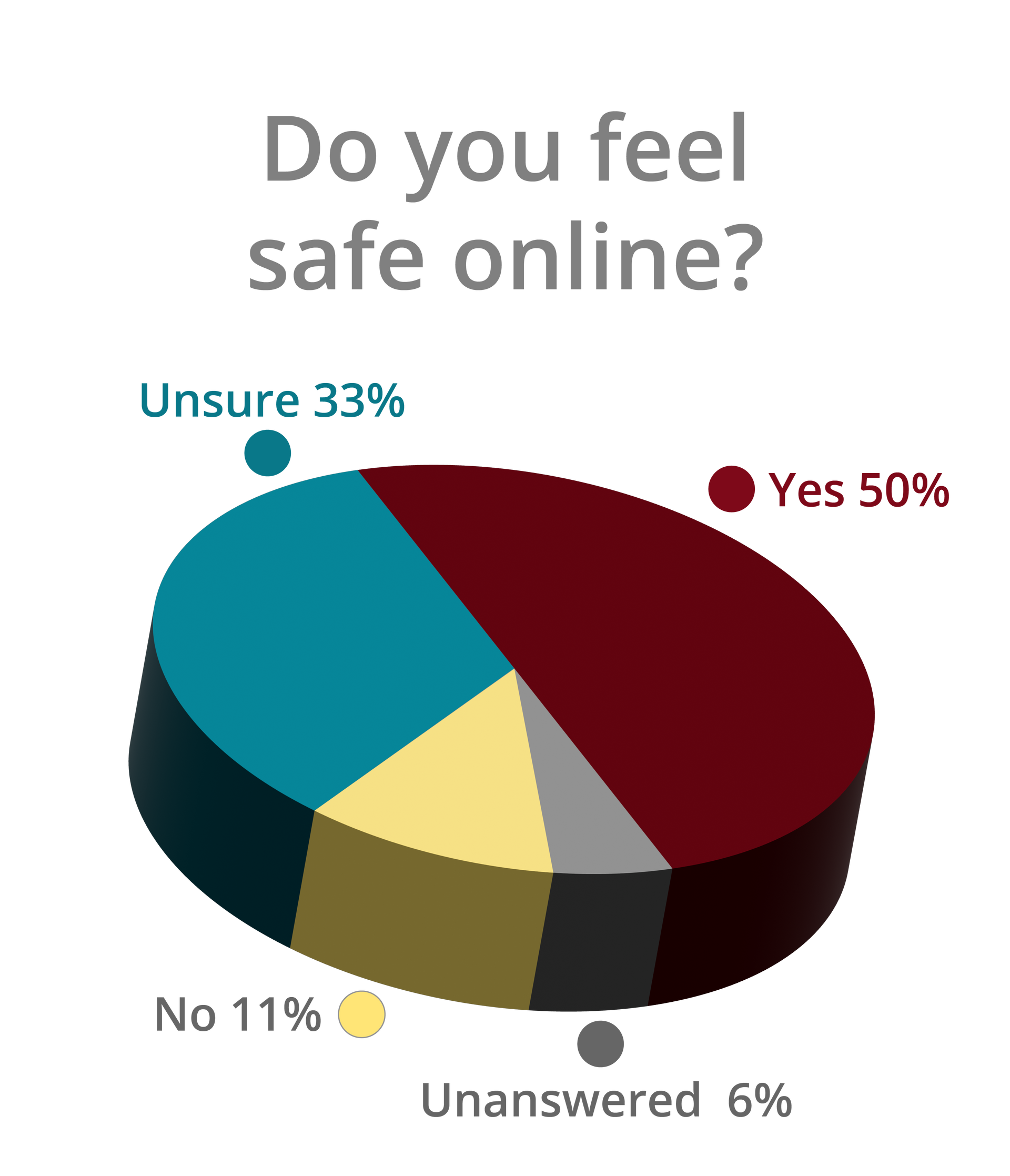
Visual organizers help young learners process abstract concepts by dividing them into manageable pieces. This specific coloring resource breaks digital citizenship into distinct slices, such as keeping personal information private, using strong passwords, thinking before sharing, and reporting uncomfortable interactions. According to Common Sense Media, children engage with digital media at increasingly young ages, making early conceptual foundations essential. It sounds simple, and that’s the point. Young learners grasp rules faster when concepts are color-coded and visually separated. Browsing additional creative safety printables can further support this foundational visual learning.
Key Learning Outcomes
Working through the sections of the pie chart teaches children to recognize the boundaries of their digital footprints. Students learn that home addresses, full names, and school titles stay offline. They also practice identifying reliable adults to approach whenever something online feels confusing or wrong. Crucially, the activity reinforces that children are never in trouble for reporting something uncomfortable. This reassurance builds trust, ensuring kids speak up early rather than hiding mistakes out of fear.
How to Use This Printable
Implementation works best when adults treat the page as a collaborative art project rather than a strict test. Educators can hand out markers or crayons, letting children choose different colors for each slice of the pie. As students color, adults guide the discussion with open-ended prompts about favorite apps and online experiences. A collection of diverse interactive student activities offers supplementary ways to reinforce these exact digital boundaries. Here’s what makes this resource different: it transforms a potentially intimidating lecture into a relaxing, creative session.
Practical Tips for Parents and Teachers
Creating a calm atmosphere ensures children feel comfortable sharing their digital habits without judgment. Sitting side-by-side at a kitchen table or classroom desk invites honest conversation. Adults should listen actively when children describe encountering unexpected pop-ups or strange messages in video game lobbies. Praising transparency strengthens the habit of reporting issues immediately. Exploration of broader guidance on digital wellness helps adults stay prepared for evolving tech trends.
Age-Appropriate Recommendations
Different developmental stages require tailored approaches to digital citizenship. For five-to-eight-year-olds, the focus stays on basic rules like asking permission before downloading games and keeping personal details secret. Older elementary students, aged nine to twelve, can dive deeper into critical thinking, password complexity, and respectful digital communication. Aligning these lessons with the Common Sense Education Digital Citizenship Curriculum ensures kids build progressive competencies. Printables do not guarantee safety on their own, but they actively support habit-building and meaningful dialogue.
According to the Federal Trade Commission, children frequently encounter digital tracking and commercial prompts within gaming environments, underscoring the need for early privacy education. — FTC
Frequently Asked Questions
Answers to common inquiries about accessing and implementing the online safety pie chart help educators and families get started quickly.
According to the Pew Research Center, a vast majority of parents express concern about their young children’s screen time and digital privacy habits. — Pew Research Center
Explore More Free Kids Online Safety Printables
Expanding the digital citizenship toolkit helps reinforce good habits across home and classroom environments. Educators and parents can easily access a wider selection of resources through online safety lesson guides to keep children engaged throughout the school year.
Developmental Milestone & Activity Table
| Development Stage | Recommended Daily Duration | Primary Learning Objective |
|---|---|---|
| Preschool & Pre-K | 10 – 15 Minutes | Pencil grip development & basic pre-stroke lines |
| Kindergarten | 15 – 20 Minutes | Letter/number formation & spatial line awareness |
| Early Elementary (Grade 1–2) | 20 – 30 Minutes | Fluency, sentence construction & neatness |
Images References