Introduction
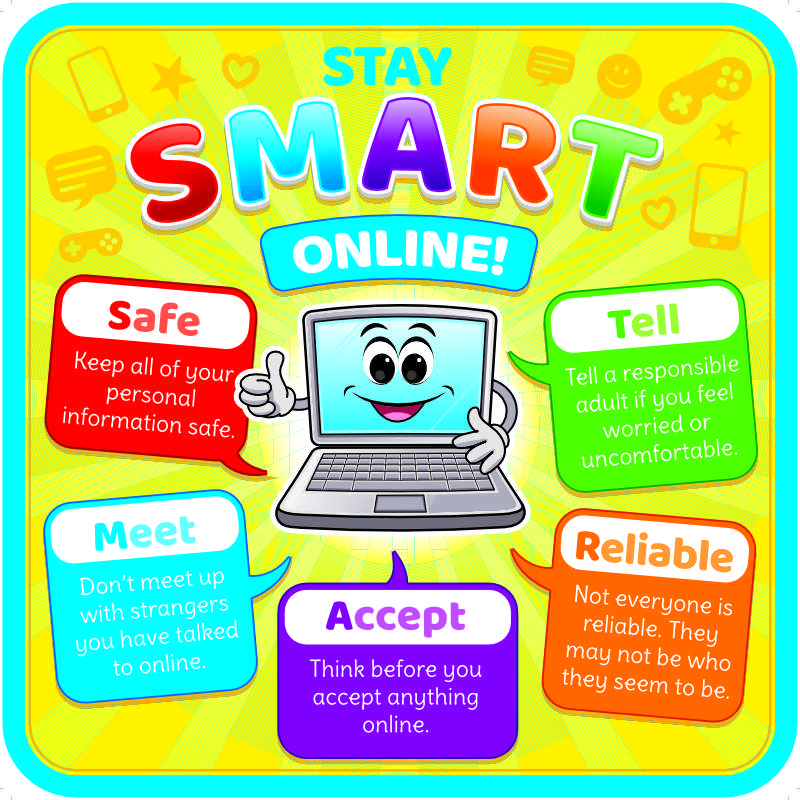
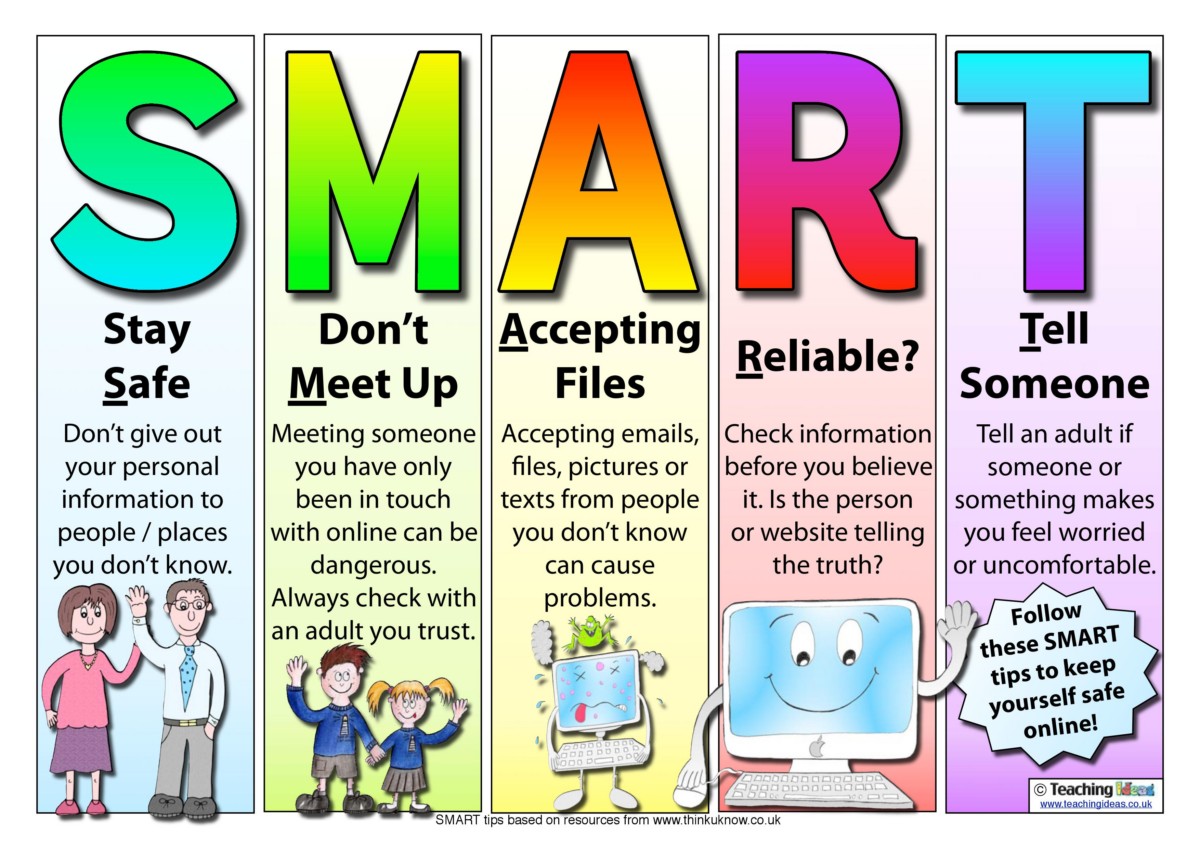
Fifth-grade classrooms and modern living rooms buzz with digital activity long before the school bell rings or homework begins. Ten-year-olds navigate shared household tablets, collaborate on school projects through cloud documents, and chat with peers inside multiplayer video game lobbies. Navigating these spaces requires more than technical filters or parental control software; it demands proactive skill-building. Educators and caregivers often seek reliable tools to anchor these discussions without inducing fear. The free printable safety in internet for grade 5 bridges the gap between passive screen time and active digital literacy, offering a structured approach to critical online habits. It sounds simple, and that’s the point: clear, tactile exercises help pre-teens internalize protective behaviors before challenging situations arise. Related guide: Cctv Introduction Lesson For Grade 4.
💡 Educational Key Takeaways:
- Core Skill: Structured Safety In Internet For Grade 5 focused on developing pencil grip, stroke control, and early literacy/math confidence.
- Target Scope: Suited for homeschoolers, preschool, kindergarten, and elementary learners.
- Best Recommendation: Practice 10–15 minutes daily with ergonomic writing tools to reinforce muscle memory without hand fatigue.
What This Printable Covers
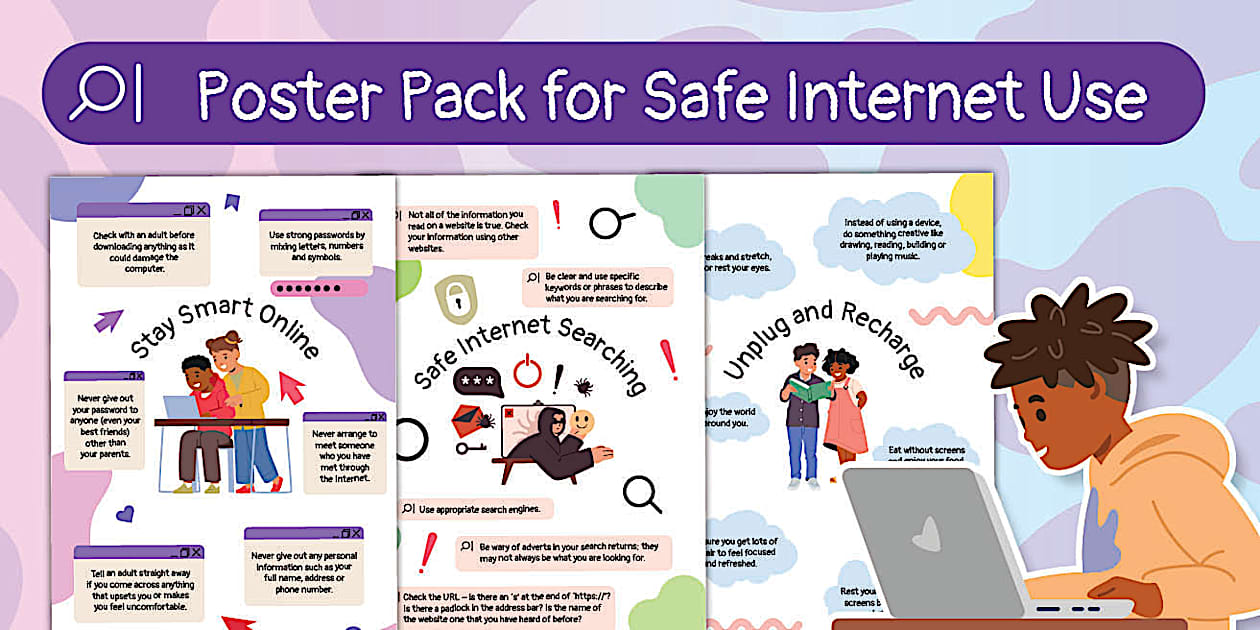
Fifth graders face a rapid expansion of their digital worlds, moving past simple educational apps into open messaging boards, user-generated video platforms, and collaborative gaming environments. According to Common Sense Media, media use among tweens continues to rise steadily, making early and consistent guidance essential. This targeted resource addresses core digital citizenship competencies tailored specifically to the developmental milestone of grade five. Instead of relying on abstract lectures, the material tackles real-world scenarios children encounter daily. It emphasizes keeping personal information private, recognizing the permanence of digital footprints, and understanding the mechanics of strong passwords. Furthermore, the content reinforces the absolute rule that young learners are never in trouble for reporting an uncomfortable interaction or accidental click to a trusted adult.
Key Learning Outcomes
Completing these targeted exercises allows pre-teens to evaluate hypothetical online dilemmas and identify safe resolutions. Here’s what makes this resource different: it shifts the focus away from what children cannot do and centers entirely on empowering them with what they *can* do to protect their personal boundaries. Learners practice pausing before sharing, distinguishing between public and private data, and identifying trusted individuals in their support networks. Through guided reflection, students build confidence in making independent, safe choices when interacting with peers online. Educators can easily pair these exercises with resources found in the broader collection of student activity sheets to reinforce these lessons through repetition and discussion.
How to Use This Printable
Effective digital citizenship education happens best in collaborative environments rather than isolation. Adults can introduce the page as a springboard for open-ended conversation during a classroom morning meeting or a quiet evening at home. Educators often find success by having students complete sections independently before small-group discussions where peers share varying perspectives on online etiquette. Caregivers might sit beside a child at the kitchen table, working through the scenarios together to model critical thinking. Emphasizing curiosity over compliance transforms a standard assignment into a meaningful dialogue about digital well-being. Additional foundational exercises are available within the comprehensive internet and digital safety curriculum library to support ongoing learning.
Practical Tips for Parents and Teachers
Maximizing the impact of any educational printable relies heavily on the tone set by the adult facilitator. Maintaining a calm, empowering demeanor ensures children view safety as an exciting skill to master rather than a restrictive punishment to dread. Asking open-ended questions like “What would you do if a stranger asked for your school name?” encourages children to articulate their reasoning out loud. Celebrating honest disclosures strengthens the vital communication channel between youth and the adults who care for them. For classrooms exploring broader concepts of device management and respectful communication, exploring curated online and digital safety materials provides valuable supplementary context for lesson planning.
Age-Appropriate Recommendations
Ten-year-olds possess the cognitive capacity to grasp abstract concepts like privacy and digital permanence, yet they still require concrete guidance for unexpected online encounters. According to Pew Research Center, a substantial majority of adolescents and older children utilize smartphones and social platforms regularly, emphasizing the need for foundational digital literacy well before middle school begins. Aligning instruction with the Common Sense Education Digital Citizenship Curriculum ensures lessons remain developmentally appropriate, engaging, and directly relevant to current youth trends. Fifth graders respond best to resources that treat them as maturing thinkers capable of managing responsibility with gentle adult oversight.
Substantial growth in tween media consumption highlights the urgent need for structured, early digital citizenship education — Common Sense Media
Frequently Asked Questions
How do I download and print the safety in internet resource?
Simply click the download button on the resource page to save the PDF file to any device, then send it directly to a home or classroom printer.
How does this specific printable support online safety learning?
It transforms abstract digital rules into concrete, interactive scenarios that encourage critical thinking, open discussion, and healthy online habit-building.
What do organizations like the National Center for Missing & Exploited Children recommend for online safety?
According to the National Center for Missing & Exploited Children, adults should maintain open, ongoing dialogues with children about their online activities and ensure kids know they can report discomfort without fear of punishment.
Explore More Free Kids Online Safety Printables
Extending digital citizenship lessons beyond a single activity helps solidify lifelong protective habits in growing children. Educators and caregivers can access a wide variety of supplemental tools, ranging from engaging coloring pages for younger siblings to advanced discussion guides for older students. Building a consistent routine of digital safety conversations ensures pre-teens remain confident, resilient, and prepared for whatever online environments they encounter next.
Developmental Milestone & Activity Table
| Development Stage | Recommended Daily Duration | Primary Learning Objective |
|---|---|---|
| Preschool & Pre-K | 10 – 15 Minutes | Pencil grip development & basic pre-stroke lines |
| Kindergarten | 15 – 20 Minutes | Letter/number formation & spatial line awareness |
| Early Elementary (Grade 1–2) | 20 – 30 Minutes | Fluency, sentence construction & neatness |
Images References