Introduction
Navigating digital spaces often begins long before a child receives a personal device. Young learners frequently encounter online risks in shared family rooms, during cooperative multiplayer gaming sessions, or while exploring video-sharing platforms on household tablets. These early digital interactions require thoughtful guidance rather than outright restriction. Establishing healthy online habits early helps children recognize boundary violations and encourages transparent communication with trusted adults. Educators and caregivers need accessible tools that translate complex concepts into relatable conversations. This realization prompted the creation of {site_name}, a destination dedicated to practical resources that support modern child upbringing. Related guide: Online Cyber Safety Games.
💡 Educational Key Takeaways:
- Core Skill: Structured Cyberbullying Questions And Answers focused on developing pencil grip, stroke control, and early literacy/math confidence.
- Target Scope: Suited for homeschoolers, preschool, kindergarten, and elementary learners.
- Best Recommendation: Practice 10–15 minutes daily with ergonomic writing tools to reinforce muscle memory without hand fatigue.
What This Printable Covers
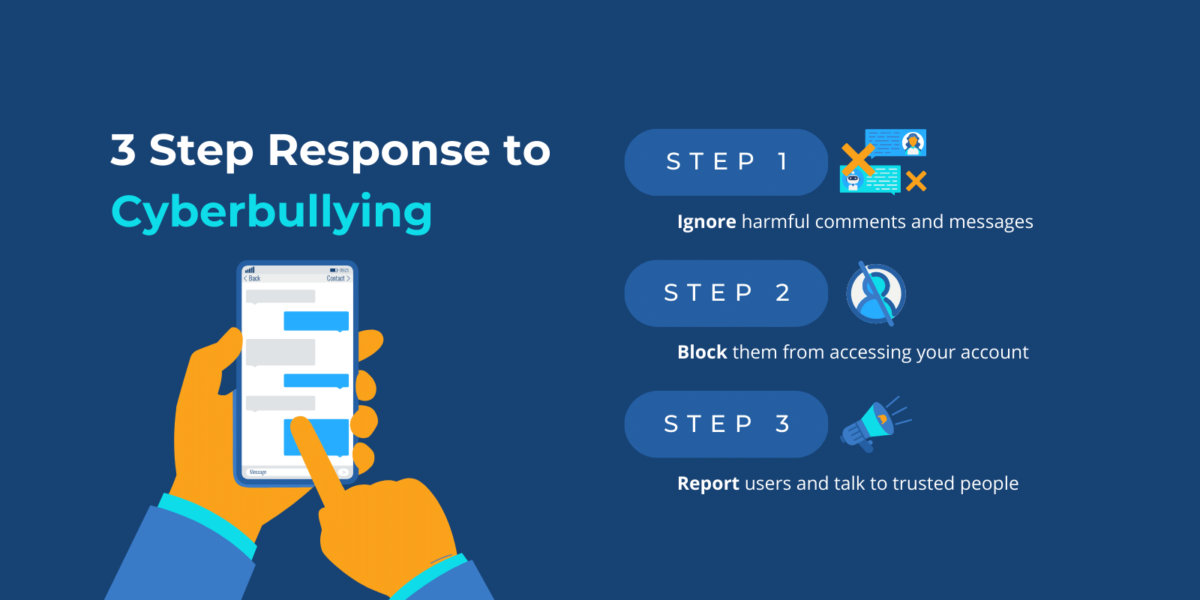
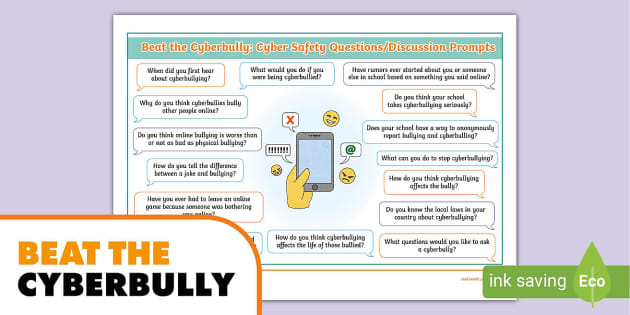
The free printable cyberbullying questions and answers resource bridges the gap between theoretical rules and everyday digital scenarios. It provides structured prompts that unpack difficult social dynamics into manageable discussions for elementary-aged learners. Children often struggle to articulate when a joke crosses the line into hurtful behavior, especially within fast-paced virtual environments. By addressing these nuances explicitly, the worksheet helps learners identify exclusion, unkind messaging, and pressure from peers. It emphasizes fundamental protective habits, including keeping personal information private, applying strong passwords, and pausing before sharing content. Most importantly, the material reinforces the comforting truth that children are never in trouble for reporting something uncomfortable.
Key Learning Outcomes
Working through these guided questions develops specific critical thinking skills regarding online interactions. Learners practice evaluating digital content objectively and recognizing the emotional impact of words on screens. According to Common Sense Media, a vast majority of teens and pre-teens experience some form of digital drama or exclusion, highlighting the urgent need for proactive social-emotional skill building. The activity promotes empathy by asking participants to consider how messages land from different perspectives. It shifts the focus from punitive measures to skill development, framing digital citizenship as an ongoing journey of learning and responsibility.
How to Use This Printable
Classroom teachers, school counselors, and parents can easily integrate these prompts into daily routines or dedicated guidance lessons. The format lends itself well to small group circles, individual reflection time, or family dinner table discussions. It sounds simple, and that is the exact point. Removing the high-pressure environment of an active incident allows children to process digital scenarios calmly. Adults can read a scenario aloud and invite learners to share what they notice, what feels off, and what steps should follow. Exploring a variety of tools within educational printables further reinforces these concepts through consistent practice.
Practical Tips for Parents and Teachers
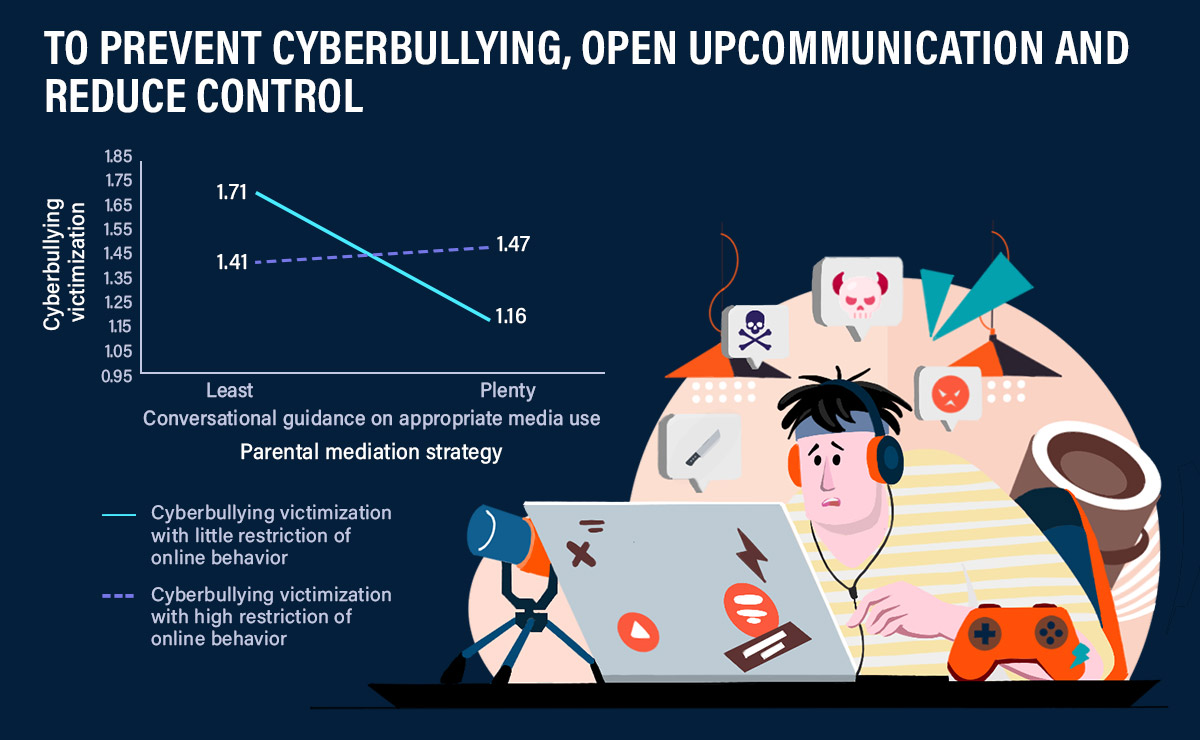
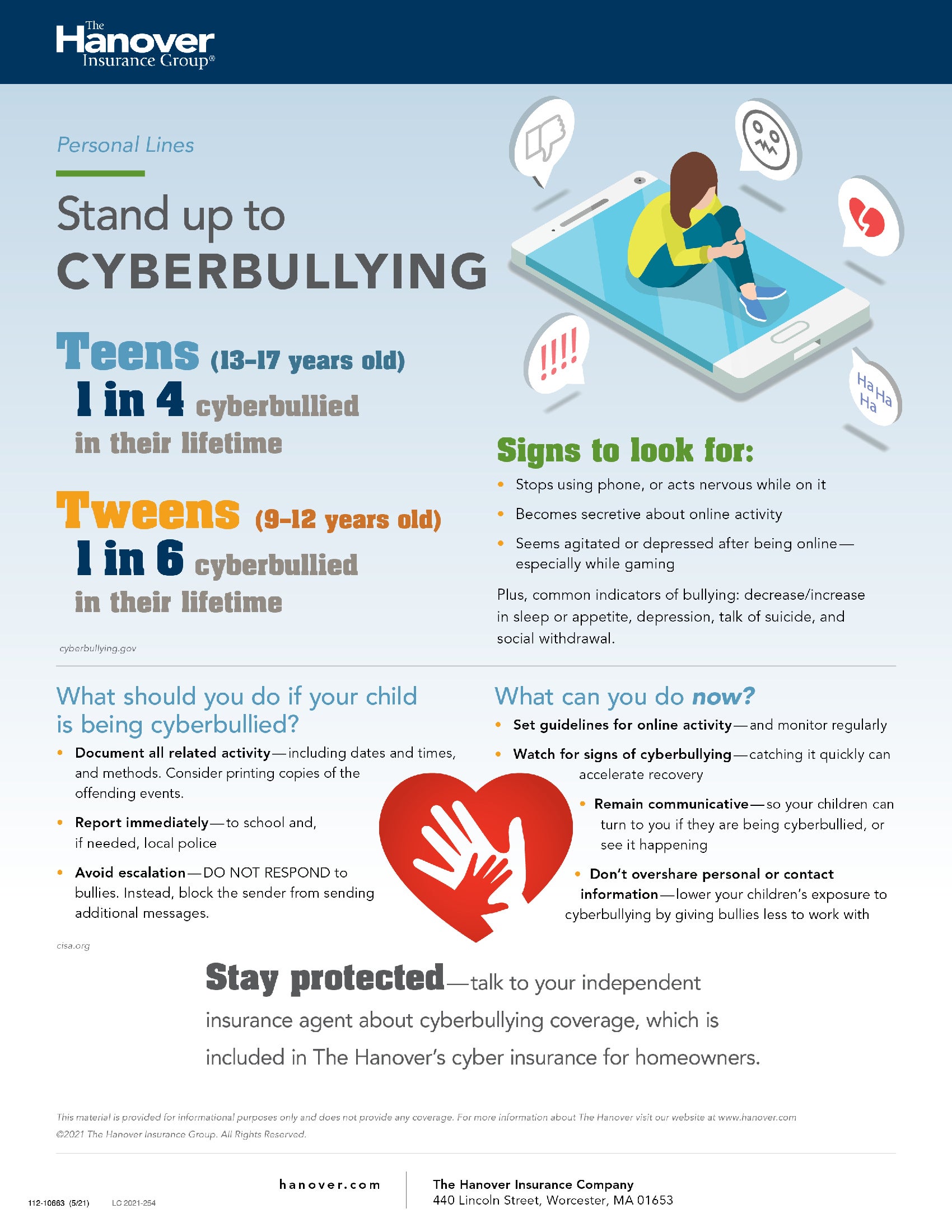
Adults should approach these conversations with curiosity instead of immediate judgment. Children quickly shut down when interrogated about their screen time, making open-ended questioning essential for genuine dialogue. Here’s what makes this resource different: it provides exact phrasing that removes the guesswork from initiating sensitive topics. Caregivers can model vulnerability by sharing a time they felt confused or overwhelmed by an online interaction. Consistent reinforcement transforms abstract digital safety rules into instinctive habits, building a reliable bridge between home guidance and school instruction. Additional strategies are readily available within resources focused on internet and digital safety practices.
Age-Appropriate Recommendations
Tailoring digital citizenship instruction to developmental stages ensures comprehension and retention. Younger elementary students benefit from concrete examples focused on kindness, sharing, and telling an adult immediately when something looks strange. Older elementary learners can handle nuanced discussions about digital footprints, peer pressure, and the permanence of online posts. This incremental approach aligns closely with the Common Sense Education Digital Citizenship Curriculum, which emphasizes age-graded competencies for media literacy. Children gradually assume responsibility as their digital autonomy expands, guided by supportive adults every step of the way.
According to the Pew Research Center, a significant percentage of teens and young adolescents encounter online harassment and mean behavior through shared devices and popular gaming chat features. — Pew Research Center
Frequently Asked Questions
Clear answers regarding resource implementation help educators and families maximize the impact of digital citizenship materials. Accessing reliable guidance empowers adults to address online challenges confidently without causing unnecessary anxiety or fear in young learners.
Explore More Free Kids Online Safety Printables
Expanding a child’s digital literacy toolkit requires continuous reinforcement across multiple formats. Educators and parents can discover additional activities by browsing comprehensive collections dedicated to online and digital safety modules. Complementary resources such as creative coloring pages allow younger children to engage with these vital lessons through art and discussion.
Developmental Milestone & Activity Table
| Development Stage | Recommended Daily Duration | Primary Learning Objective |
|---|---|---|
| Preschool & Pre-K | 10 – 15 Minutes | Pencil grip development & basic pre-stroke lines |
| Kindergarten | 15 – 20 Minutes | Letter/number formation & spatial line awareness |
| Early Elementary (Grade 1–2) | 20 – 30 Minutes | Fluency, sentence construction & neatness |
Images References