Introduction
Elementary school hallways buzz with conversations about favorite video games, shared video platforms, and virtual hangouts long before the final bell rings. Children frequently encounter digital spaces through shared household tablets, sibling gaming consoles, and chat features embedded within popular apps. Navigating these environments requires more than technical restriction. Building resilience means teaching children how to recognize unkind behavior online and respond constructively. Free printable viral cyberbullying awareness materials for elementary school kids provide a tangible entry point into these vital conversations. Educators and families utilize these tools to transform abstract digital concepts into concrete, manageable life skills. Explore more in our Online and Digital Safety category.
💡 Educational Key Takeaways:
- Core Skill: Structured Viral Cyberbullying Awareness Materials For Elementary School Kids focused on developing pencil grip, stroke control, and early literacy/math confidence.
- Target Scope: Suited for homeschoolers, preschool, kindergarten, and elementary learners.
- Best Recommendation: Practice 10–15 minutes daily with ergonomic writing tools to reinforce muscle memory without hand fatigue.
What This Printable Covers
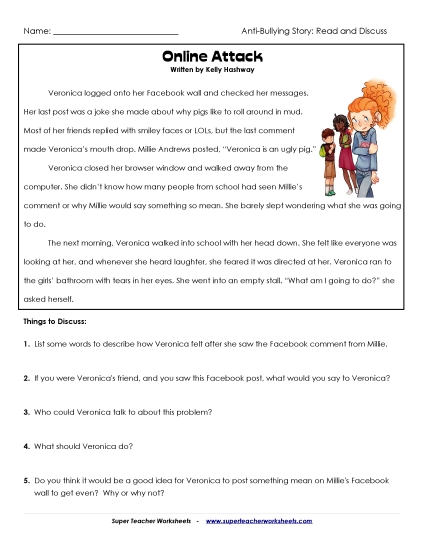
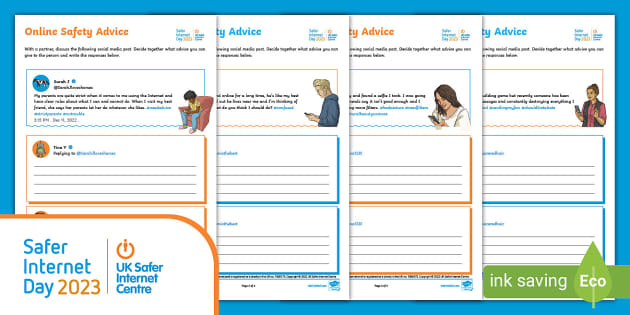
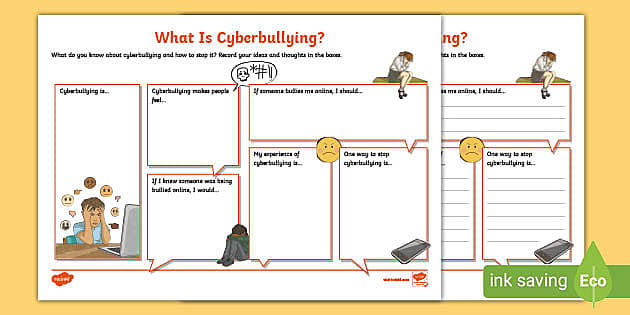
These activity sheets focus directly on recognizing rapid digital spread, identifying unkind online interactions, and practicing positive communication habits. Children often underestimate how quickly a screenshot or a hasty comment can travel across peer networks. The materials break down the mechanics of digital virality using age-appropriate metaphors that resonate with young learners. Emphasis rests firmly on protective habits such as keeping personal information private, thinking carefully before sharing, and utilizing strong passwords. Crucially, the content reinforces the message that children are never in trouble for reporting something uncomfortable to a trusted adult. Related guide: Cctv Introduction Lesson For Grade 4.
Key Learning Outcomes
Working through these printable exercises helps students develop empathy in digital environments where facial expressions and tone of voice are missing. Learners practice identifying the difference between playful banter and targeted harassment that causes emotional distress. According to Common Sense Media, a significant portion of young children experience negative digital interactions much earlier than previous generations, making early literacy essential. Children learn specific steps to take when confronted with mean behavior, including stepping away from the screen, saving evidence through screenshots, and alerting a designated adult immediately. It sounds simple, and that’s the point: clarity removes hesitation during stressful moments.
How to Use This Printable
Classrooms and living rooms transform into safe laboratories for digital decision-making when adults introduce these exercises with curiosity rather than fear. Teachers can integrate the sheets into morning meetings, counseling sessions, or media literacy units. Families benefit from sitting down at the kitchen table to complete the activities together during device-free time. Here’s what makes this resource different: the design encourages active dialogue instead of passive compliance. Coloring reinforces safety messages because the tactile act of coloring calms the nervous system, allowing children to absorb important concepts without feeling interrogated or overwhelmed.
Practical Tips for Parents and Teachers
Guiding children through digital citizenship requires patience, consistency, and open-ended questioning. Adults can spark meaningful dialogue by asking what a particular scenario on the page would feel like in real life. Establishing a predictable routine for discussing online experiences normalizes talking about digital discomfort. According to the Pew Research Center, teens and tweens frequently encounter online drama that begins in casual gaming chats and social platforms. Educators and caregivers should remind children regularly that reporting an uncomfortable situation will never result in the loss of device privileges, keeping lines of communication wide open.
Age-Appropriate Recommendations
Developmental readiness dictates how adults should present these materials to children between ages five and twelve. Kindergarteners and first graders benefit from focusing on basic kindness, sharing rules, and identifying trusted adults in both physical and digital spaces. Older elementary students in fourth through sixth grades can dive deeper into complex scenarios involving group chats, peer pressure, and the permanence of digital footprints. This progressive approach aligns naturally with the Common Sense Education Digital Citizenship Curriculum, which emphasizes age-graded competencies in media balance, privacy, and cybersecurity. No single worksheet guarantees complete safety, but consistent practice builds the critical thinking skills children need as they grow.
Research indicates that young children frequently encounter inappropriate digital content and peer conflict through casual in-game chats and shared family devices. — Common Sense Media
Frequently Asked Questions
Navigating digital safety tools raises practical questions for educators and families alike. The following answers address the most common inquiries regarding access, implementation, and foundational safety standards established by leading child advocacy organizations.
Explore More Free Kids Online Safety Printables
Expanding a child’s digital literacy toolkit involves exploring a variety of complementary subjects, from password security to respectful online communication. Adults can discover additional resources by browsing curated collections of Worksheets designed for diverse learning styles. For artistic learners who process concepts best through visual arts, exploring the library of Coloring Pages offers engaging ways to reinforce protective habits. Comprehensive approaches to safeguarding children also require foundational knowledge found within guides on Internet and Digital Safety. Fostering a secure, confident digital citizen takes time, patience, and a supportive community dedicated to continuous learning.
Developmental Milestone & Activity Table
| Development Stage | Recommended Daily Duration | Primary Learning Objective |
|---|---|---|
| Preschool & Pre-K | 10 – 15 Minutes | Pencil grip development & basic pre-stroke lines |
| Kindergarten | 15 – 20 Minutes | Letter/number formation & spatial line awareness |
| Early Elementary (Grade 1–2) | 20 – 30 Minutes | Fluency, sentence construction & neatness |
Images References