Introduction
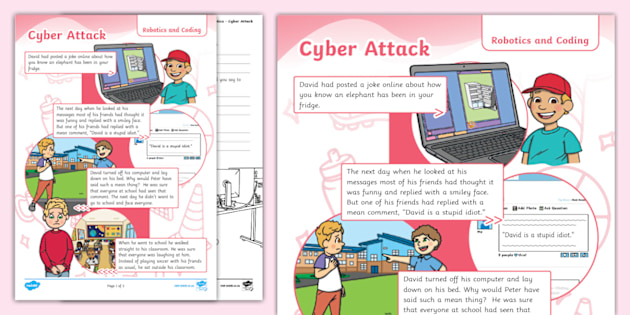
Digital interactions begin long before children reach middle school. Modern kids frequently encounter social friction through shared family tablets, in-game chat features during multiplayer gaming, and comment sections on popular video platforms. Navigating these digital spaces requires intentional guidance rather than fear-based restrictions. Adults often struggle to bridge the gap between technical rules and meaningful social-emotional learning. Fortunately, structured learning tools transform abstract concepts into tangible lessons. A free printable featuring activities for school aged kids on cyberbullying provides a reliable starting point for classrooms, living rooms, and homeschool environments. Educators know that children process complex social dilemmas best when they can see, touch, and discuss them collaboratively. Safety is not an innate instinct; it is a fundamental skill built through repetition, empathy, and open dialogue. By addressing online behavior proactively, adults help students recognize respectful communication long before digital conflicts escalate. Related guide: Cctv Introduction Lesson For Grade 4.
💡 Educational Key Takeaways:
- Core Skill: Structured Activities For School Aged Kids On Cyberbullying focused on developing pencil grip, stroke control, and early literacy/math confidence.
- Target Scope: Suited for homeschoolers, preschool, kindergarten, and elementary learners.
- Best Recommendation: Practice 10–15 minutes daily with ergonomic writing tools to reinforce muscle memory without hand fatigue.
What This Printable Covers
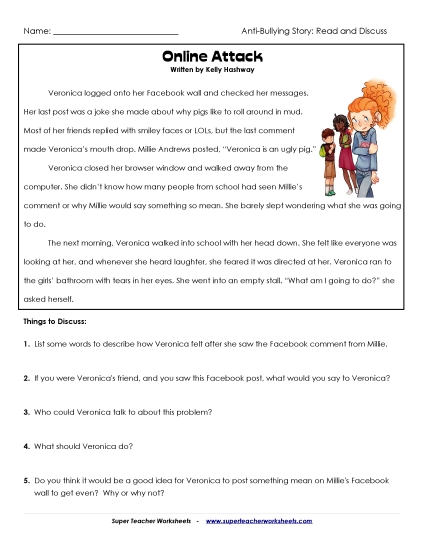
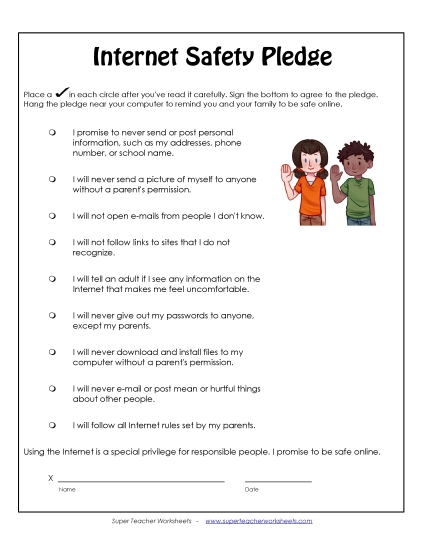
The free printable focuses on foundational protective habits, including keeping personal information private, choosing strong passwords, pausing before sharing, and identifying trusted adults to report uncomfortable moments. Rather than focusing on frightening scenarios, the material highlights positive digital citizenship and everyday kindness. Children frequently experience peer pressure inside digital environments where text-based communication lacks tone of voice and facial expressions. The specific worksheet format guides learners through analyzing hypothetical online scenarios, determining appropriate responses, and practicing assertive communication. It sounds simple, and that is the exact point. By breaking down online interactions into manageable pieces, young learners build the confidence needed to handle digital dilemmas constructively. Furthermore, the activities reinforce the golden rule that children are never in trouble for reporting something uncomfortable to an adult.
Key Learning Outcomes
Working through these exercises helps children build critical social awareness and self-management skills. Students learn to differentiate between playful teasing and harmful exclusion, which often blurs lines in fast-paced digital chats. The resource empowers participants to identify cyberbullying behaviors, understand the impact of hurtful words on screens, and practice positive upstander actions. According to Common Sense Media, a significant percentage of school-aged children experience negative digital interactions, making early resilience training essential for every student. Learners also discover how to preserve digital evidence by taking screenshots instead of retaliating, turning a distressing moment into a teachable habit. These targeted lessons align seamlessly with broader classroom units covering emotional regulation, empathy, and interpersonal conflict resolution.
How to Use This Printable
Implementation requires no advanced technical preparation, making these resources ideal for busy educators and families. Adults can introduce the activity during morning meetings, advisory periods, or evening homework routines. Instead of simply handing the paper to a child, adults should sit alongside the learner to read through the prompts together. Collaborative completion sparks natural conversations about personal digital habits and past online experiences. When children share real-life examples of confusing chat messages or excluded peers, adults can gently steer the discussion toward constructive solutions. Exploring these themes through Worksheets allows educators to assess student understanding objectively while maintaining a supportive, pressure-free atmosphere.
Practical Tips for Parents and Teachers
Maximizing the impact of any educational printable depends heavily on the surrounding conversation. Adults should maintain a calm, empowering tone, framing digital citizenship as an exciting part of growing up responsibly. Listening without immediate judgment ensures children feel secure returning when online challenges arise. Educators recommend pausing periodically during the exercise to ask open-ended questions like what the character in the scenario might feel next. Establishing a predictable routine around digital safety discussions normalizes the topic, removing any stigma or fear of losing device privileges. Exploring additional tools such as Internet and Digital Safety modules expands these foundational lessons into comprehensive cross-curricular units.
Age-Appropriate Recommendations
Tailoring digital citizenship instruction to developmental stages ensures maximum comprehension and engagement. For younger elementary students ages five through eight, activities should center on basic kindness, sharing devices fairly, and involving adults immediately when something feels wrong. Upper elementary students ages nine through twelve benefit from more nuanced scenarios involving group chats, exclusion, and managing digital footprints. These tiered approaches integrate smoothly into the CASEL framework for social and emotional learning, which emphasizes self-awareness, social awareness, and relationship skills across all grade levels. Educators can easily scaffold the difficulty of the prompts to match reading levels and emotional maturity.
According to Pew Research Center, a substantial majority of teens and older children encounter online harassment or mean behavior, highlighting the critical need for proactive social-emotional skill building during early school-age years. — Pew Research Center
Frequently Asked Questions
Finding clear answers helps adults implement digital safety resources effectively across diverse learning environments. The following questions address common inquiries regarding accessibility, learning objectives, and institutional guidance for teaching online citizenship.
Explore More Free Kids Online Safety Printables
Expanding a digital citizenship curriculum requires access to diverse, high-quality supplemental materials. Educators and caregivers can discover additional resources, including creative coloring pages and guided discussion prompts, by browsing the Coloring Pages collection. For broader lessons covering privacy, screen habits, and device care, check out the valuable materials found in Online and Digital Safety. Consistent reinforcement across multiple formats ensures children internalize healthy digital habits that last a lifetime.
Developmental Milestone & Activity Table
| Development Stage | Recommended Daily Duration | Primary Learning Objective |
|---|---|---|
| Preschool & Pre-K | 10 – 15 Minutes | Pencil grip development & basic pre-stroke lines |
| Kindergarten | 15 – 20 Minutes | Letter/number formation & spatial line awareness |
| Early Elementary (Grade 1–2) | 20 – 30 Minutes | Fluency, sentence construction & neatness |
Images References