Introduction
Digital spaces now form a primary playground for modern children. Young learners frequently encounter online risks in unexpected places, such as through shared household tablets, casual in-game chat features during multiplayer gaming sessions, and comment sections on popular video platforms. Navigating these virtual environments requires steady guidance rather than fear-driven restrictions. Building healthy digital habits empowers children to recognize uncomfortable situations and seek help without hesitation. Adults looking for structured ways to guide these vital conversations often turn to {site_name} for reliable support materials. Using targeted discussion prompts transforms abstract online safety concepts into approachable daily habits. Related guide: Cctv Introduction Lesson For Grade 4.
💡 Educational Key Takeaways:
- Core Skill: Structured Questions About Cyberbullying focused on developing pencil grip, stroke control, and early literacy/math confidence.
- Target Scope: Suited for homeschoolers, preschool, kindergarten, and elementary learners.
- Best Recommendation: Practice 10–15 minutes daily with ergonomic writing tools to reinforce muscle memory without hand fatigue.
What This Printable Covers
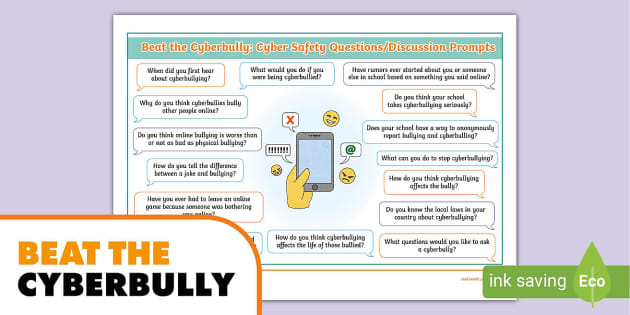
The free printable questions about cyberbullying resource focuses on building critical self-reflection and communication skills. It sounds simple, and that’s the point. Children often freeze when confronted with mean behavior online because they lack the vocabulary to describe what happened. This activity sheet breaks down complex social interactions into manageable scenarios, helping youth identify supportive digital behavior, understand personal boundaries, and practice constructive responses. Here’s what makes this resource different: it shifts the focus away from punitive device restrictions and toward collaborative problem-solving between adults and children.
Key Learning Outcomes
Working through these guided inquiries helps children practice specific digital citizenship skills. Participants learn to distinguish between playful teasing and persistent exclusionary behavior in virtual spaces. The activity reinforces the absolute rule that children are never in trouble for reporting something uncomfortable to a trusted adult. Keeping personal information private, recognizing the permanence of digital footprints, and understanding the impact of written words form the core competencies practiced during this exercise. These printable prompts serve as an accessible entry point for deeper discussions found across broader Internet and Digital Safety initiatives.
How to Use This Printable
Facilitators can integrate this activity into morning meetings, counseling sessions, or evening family discussions. The worksheet format encourages children to articulate their thoughts before entering group dialogues. Educators often pair these questions with role-playing exercises to demonstrate supportive bystander actions. According to Pew Research Center, a significant majority of teens experience some form of online harassment, making early, proactive dialogue essential for elementary and middle school students. Adults should approach the session with curiosity rather than interrogation, allowing children to guide the conversation based on their own digital experiences.
Practical Tips for Parents and Teachers
Creating a calm, non-judgmental atmosphere remains crucial when discussing online interactions. Adults should validate children’s feelings immediately, even if the reported issue appears minor from an adult perspective. Establishing regular check-ins about favorite apps and games normalizes open communication before conflicts arise. Additional classroom materials, such as targeted Worksheets, provide structured ways to reinforce these lessons over multiple sessions. Consistency across home and school environments helps children internalize protective habits and remember whom to approach when digital dilemmas occur.
Age-Appropriate Recommendations
Developmental readiness dictates how adults introduce cyberbullying concepts to youth. Younger elementary students benefit from concrete examples focusing on kindness, sharing, and basic offline-to-online empathy rules aligned with the Common Sense Education Digital Citizenship Curriculum. Older elementary and intermediate students can tackle nuanced topics like digital drama, exclusion, and managing anonymous messaging features. Setting clear boundaries around device usage, maintaining strong passwords, and encouraging critical thinking before sharing content remain universally vital across all age groups.
Majorities of youth encounter online harassment and mean behavior during formative school years — Pew Research Center
Frequently Asked Questions
Clear answers to common questions help educators and families maximize the impact of this educational resource.
Explore More Free Kids Online Safety Printables
Expanding a digital citizenship curriculum requires a diverse toolkit of engaging educational materials. Educators and families can discover additional resources by browsing comprehensive collections of Online and Digital Safety tools. Pairing discussion prompts with creative exercises found in specialized Coloring Pages helps reinforce safety messages for younger learners. Continuous education ensures children remain confident, resilient digital citizens throughout their growing years.
Developmental Milestone & Activity Table
| Development Stage | Recommended Daily Duration | Primary Learning Objective |
|---|---|---|
| Preschool & Pre-K | 10 – 15 Minutes | Pencil grip development & basic pre-stroke lines |
| Kindergarten | 15 – 20 Minutes | Letter/number formation & spatial line awareness |
| Early Elementary (Grade 1–2) | 20 – 30 Minutes | Fluency, sentence construction & neatness |
Images References