Introduction
Navigating the digital landscape with young children often feels like teaching them to swim while standing on the edge of a bustling pier. Kids encounter screens naturally today, whether through shared family tablets at the kitchen table or via in-game chat features embedded in popular gaming platforms. Digital citizenship is no longer an abstract future concept; it forms an active part of daily childhood experiences. Building healthy screen habits begins with accessible, low-pressure conversations. Integrating creative tools into the daily routine transforms abstract rules into memorable concepts. This is where a free printable poem of online safety for {site_name} serves as a valuable bridge between adult expectations and a child’s daily digital world. Safety is a skill to build, never a threat to dread. Related guide: Cctv Introduction Lesson For Grade 4.
💡 Educational Key Takeaways:
- Core Skill: Structured Poem Of Online Safety focused on developing pencil grip, stroke control, and early literacy/math confidence.
- Target Scope: Suited for homeschoolers, preschool, kindergarten, and elementary learners.
- Best Recommendation: Practice 10–15 minutes daily with ergonomic writing tools to reinforce muscle memory without hand fatigue.
What This Printable Covers
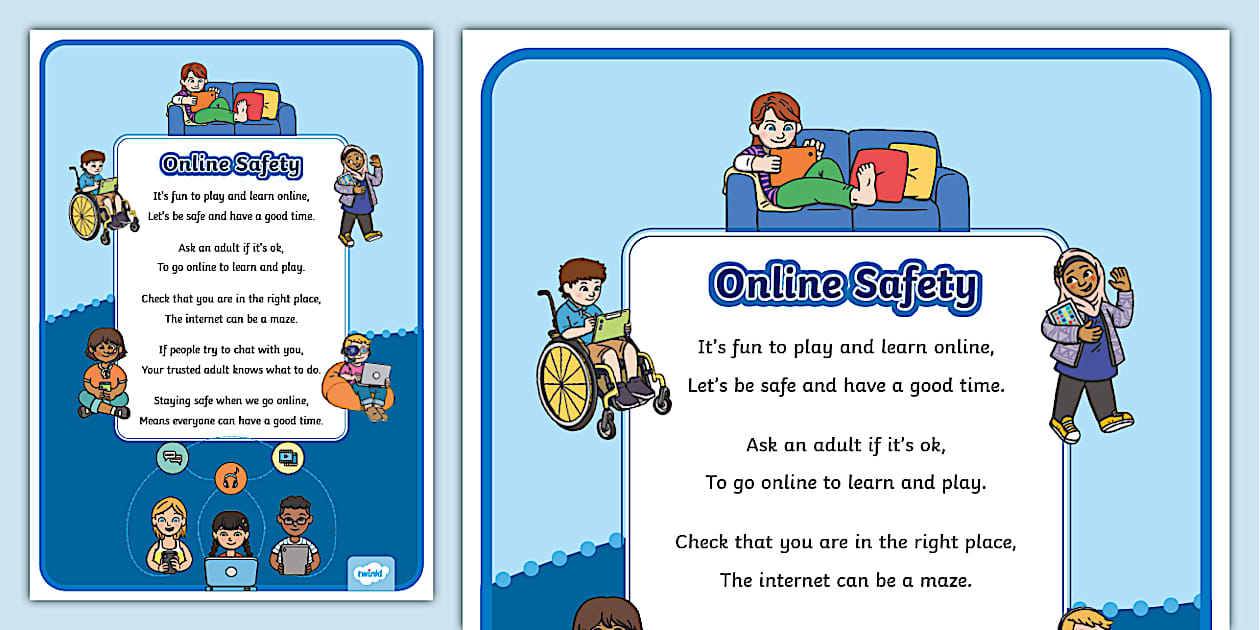
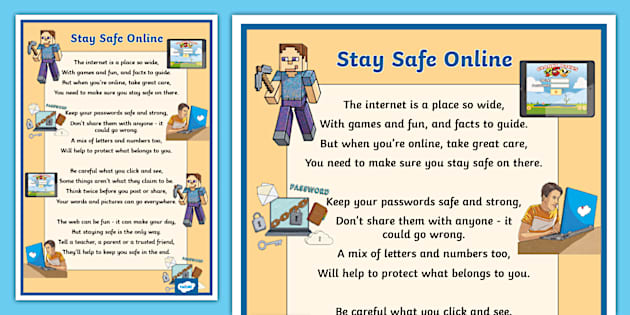
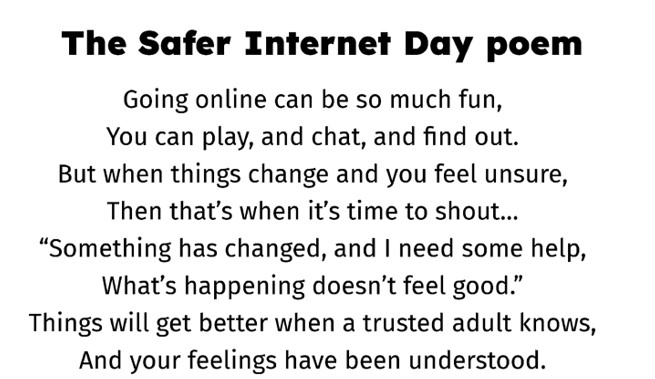
Rhythm and rhyme help young brains lock in information much faster than standard rule lists. The poem format distills essential protective habits into catchy, easily memorizable stanzas. Children learn the importance of keeping personal information private, creating strong passwords, and pausing to think before sharing photos or messages. Instead of relying on fear, the verses emphasize positive agency and smart decision-making. Exploring broader Internet and Digital Safety concepts becomes much easier when children have a foundational rhyme to anchor their understanding. The resource explicitly reinforces the message that children are never in trouble for reporting something uncomfortable to a grown-up.
Key Learning Outcomes
Working through these lyrical lessons helps children identify unexpected pop-ups or strange messages as red flags. According to the Federal Trade Commission, children frequently encounter deceptive digital prompts and targeted ads while exploring online spaces, making foundational awareness crucial. Learners practice recognizing boundaries regarding what constitutes private data, such as home addresses and school names. They also explore the concept of the digital footprint, understanding that words left online linger. Educators can pair these verses with various Worksheets to deepen comprehension and spark classroom discussions about digital empathy and respectful communication.
How to Use This Printable
Bringing rhyming lessons to life requires patience and an inviting atmosphere. Reading the verses aloud during morning meeting or family reading time sets a collaborative tone. Adults can pause between stanzas to ask open-ended questions about what characters in hypothetical scenarios might do. It sounds simple, and that’s the point. Repetition solidifies memory, so reciting the poem weekly helps these safety habits become second nature. When children view safety rules as a catchy tune rather than a strict lecture, resistance melts away, and genuine engagement takes its place.
Practical Tips for Parents and Teachers
Hanging the printed poem near the family computer station or classroom media center provides a helpful visual anchor. Adults should invite children to illustrate their favorite lines from the text, connecting creative expression directly to digital literacy. According to Common Sense Media, family media agreements work best when children participate in drafting and discussing the rules together rather than having restrictions imposed upon them. Establishing an open-door policy ensures children feel confident coming forward whenever something online feels confusing, weird, or upsetting.
Age-Appropriate Recommendations
Tailoring digital citizenship instruction to developmental stages ensures maximum impact. Younger children in early elementary grades benefit from focusing on basic device boundaries and keeping trusted adults informed about screen glitches. Upper elementary students can explore deeper nuances, including digital footprints and respectful online communication, aligning directly with the ISTE Standards for Students regarding digital citizenship. Additional creative resources are readily available within specialized Coloring Pages collections that reinforce these exact themes through art.
Children frequently navigate shared household devices and multiplayer video platforms long before middle school, highlighting the need for early digital safety education. — Pew Research Center
Frequently Asked Questions
Clear guidance helps caregivers maximize the value of educational printables in homes and classrooms. The answers below address common logistical and pedagogical questions regarding digital citizenship tools.
The Federal Trade Commission emphasizes that early education on privacy practices significantly empowers youth to recognize digital manipulation attempts. — Federal Trade Commission
Explore More Free Kids Online Safety Printables
Expanding a digital citizenship library requires diverse materials that keep learners engaged over time. Exploring additional Online and Digital Safety assets ensures children receive a well-rounded foundation in responsible technology use. Consistent, calm conversations build resilient digital citizens prepared for future online adventures.
Developmental Milestone & Activity Table
| Development Stage | Recommended Daily Duration | Primary Learning Objective |
|---|---|---|
| Preschool & Pre-K | 10 – 15 Minutes | Pencil grip development & basic pre-stroke lines |
| Kindergarten | 15 – 20 Minutes | Letter/number formation & spatial line awareness |
| Early Elementary (Grade 1–2) | 20 – 30 Minutes | Fluency, sentence construction & neatness |
Images References