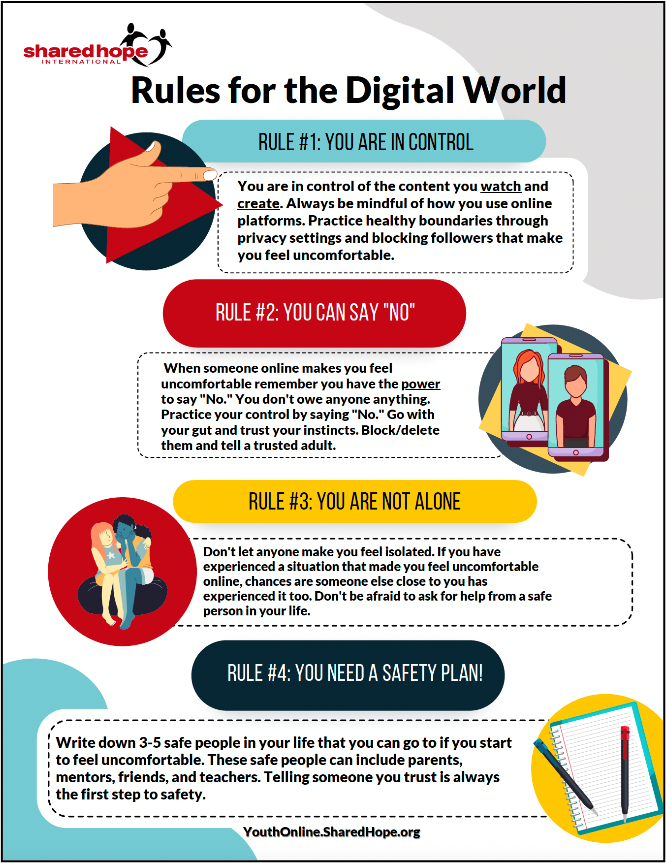
Introduction
Online cyber safety for kids constitutes the systematic practice of protecting students from digital threats, privacy breaches, and inappropriate content through technical controls and informed behavioral habits. According to the Cybersecurity and Infrastructure Security Agency (CISA), maintaining a robust security posture requires proactive risk management and the consistent application of defensive digital hygiene practices across all school-issued and personal devices. Establishing these standards early fosters a secure environment for academic exploration and professional digital citizenship.
Digital Safety Snapshot:
- Core Focus: Mitigation of digital vulnerabilities through device management and behavioral awareness.
- Target Scope: Middle school academic environments, student-led device usage, and instructional technology integration.
- Key Recommendation: Enforce mandatory multi-factor authentication and regular credential rotation for all student accounts.
Core Principles and Detailed Overview
Effective cyber safety relies on the intersection of network security, intentional digital footprint management, and the normalization of secure device maintenance within the classroom. Students must understand that every interaction, post, and file upload contributes to a permanent digital record, necessitating critical evaluation before content creation. Cyberbullying prevention centers on the early detection of digital harassment through school-monitored platforms and the implementation of clear, actionable reporting channels. Device hygiene, including regular software updates and the avoidance of suspicious links, serves as the primary technical defense against malware and unauthorized data access. Maintaining screen balance remains essential to cognitive development, requiring schools to integrate structured offline periods that reinforce healthy technology boundaries.
Key Specifications and Breakdown
| Safety Pillar | Digital Risk Factor | Actionable Protective Habit |
|---|---|---|
| Data Privacy | Identity exposure | Use pseudonyms and privacy settings |
| Cyberbullying | Digital harassment | Document evidence and report immediately |
| Device Hygiene | Malware infection | Execute mandatory OS security updates |
The Principle of Least Privilege: Access to sensitive digital resources and administrative network functions must be restricted to the minimum level necessary for students to perform academic tasks. — Cybersecurity & Infrastructure Security Agency (CISA)
Step-by-Step Practical Application and Guidelines
Implementing robust cyber safety protocols requires a three-tiered approach involving technical configuration, policy enforcement, and continuous education. First, school administrators must ensure that network firewalls and web filters are active, blocking malicious domains and unauthorized peer-to-peer file sharing. Second, educators should integrate Internet and Digital Safety modules into the curriculum, providing students with the skills to identify phishing attempts and social engineering tactics. Third, students must perform routine device audits, purging unnecessary applications and verifying that all privacy permissions remain at the most restrictive level. Consistent adherence to these protocols transforms the classroom into a secure, controlled digital ecosystem.
Common Challenges and How to Avoid Them
Common failures in cyber safety programs often stem from inconsistent policy application and a lack of student accountability regarding device usage. Administrators frequently observe that students bypass security filters by utilizing personal hotspots or unauthorized VPNs, highlighting the need for stricter network monitoring and device management software. Another significant challenge involves the normalization of excessive screen time, which diminishes student focus and increases exposure to online risks. Schools can mitigate these issues by utilizing Worksheets to reinforce safety concepts and by conducting periodic audits of school-issued hardware to ensure compliance with security standards.
💬 Frequently Asked Questions
Explore More Kids Safety and Digital Citizenship Guides on SafeWiredSchools
Developing a comprehensive strategy for online safety is a continuous process that evolves with new digital threats. For additional resources on fostering a secure learning environment, visit the Online and Digital Safety library or browse our collection of Coloring Pages for younger students to begin early digital literacy. Comprehensive guidance on building resilient school networks is available at Safe Wired Schools.
Visual Reference Gallery