Introduction
Digital safety and online etiquette constitute the essential framework for protecting students from cyber threats while fostering respectful, responsible behavior in academic and social digital environments. According to the Cybersecurity and Infrastructure Security Agency (CISA), maintaining strong digital hygiene and practicing proactive cyber awareness are critical components in minimizing exposure to malicious actors and preventing the compromise of sensitive personal data. Implementing these standards within school settings ensures that technology serves as a productive tool rather than a liability for students, educators, and administrators. Resources such as Internet and Digital Safety provide foundational guidance for establishing these necessary boundaries.
Digital Safety Snapshot:
- Core Focus: Establishing rigorous data protection and respectful interpersonal communication standards.
- Target Scope: Middle school academic environments, student device management, and home-school digital cooperation.
- Key Recommendation: Enforce strict device hygiene protocols and permanent digital footprint awareness training.
Core Principles and Detailed Overview
Effective digital safety relies on the intersection of technical device security and the cultivation of a permanent, positive digital footprint. Every interaction, post, or uploaded file contributes to an indelible record that persists long after the initial action, necessitating constant vigilance regarding content quality and privacy settings. Cyberbullying prevention requires the early identification of exclusionary or aggressive digital behaviors, moving beyond reactive measures to proactive education on empathy and conflict resolution. Classroom screen balance serves as a vital safeguard, ensuring that technology usage remains intentional and focused on educational objectives rather than passive consumption. Further details on managing these environments are accessible via Online and Digital Safety.
Key Specifications and Breakdown
| Safety Pillar | Digital Risk Factor | Actionable Protective Habit |
|---|---|---|
| Data Privacy | Identity theft and phishing | Use complex, unique passphrases |
| Cyberbullying | Harassment and social exclusion | Document evidence and report incidents |
| Digital Footprint | Permanent reputation damage | Audit social profiles regularly |
The Principle of Least Privilege: Access to sensitive digital resources must be restricted to the minimum level required for a student to perform specific educational tasks, thereby reducing the surface area for potential security breaches. — Cybersecurity & Infrastructure Security Agency (CISA)
Step-by-Step Practical Application and Guidelines
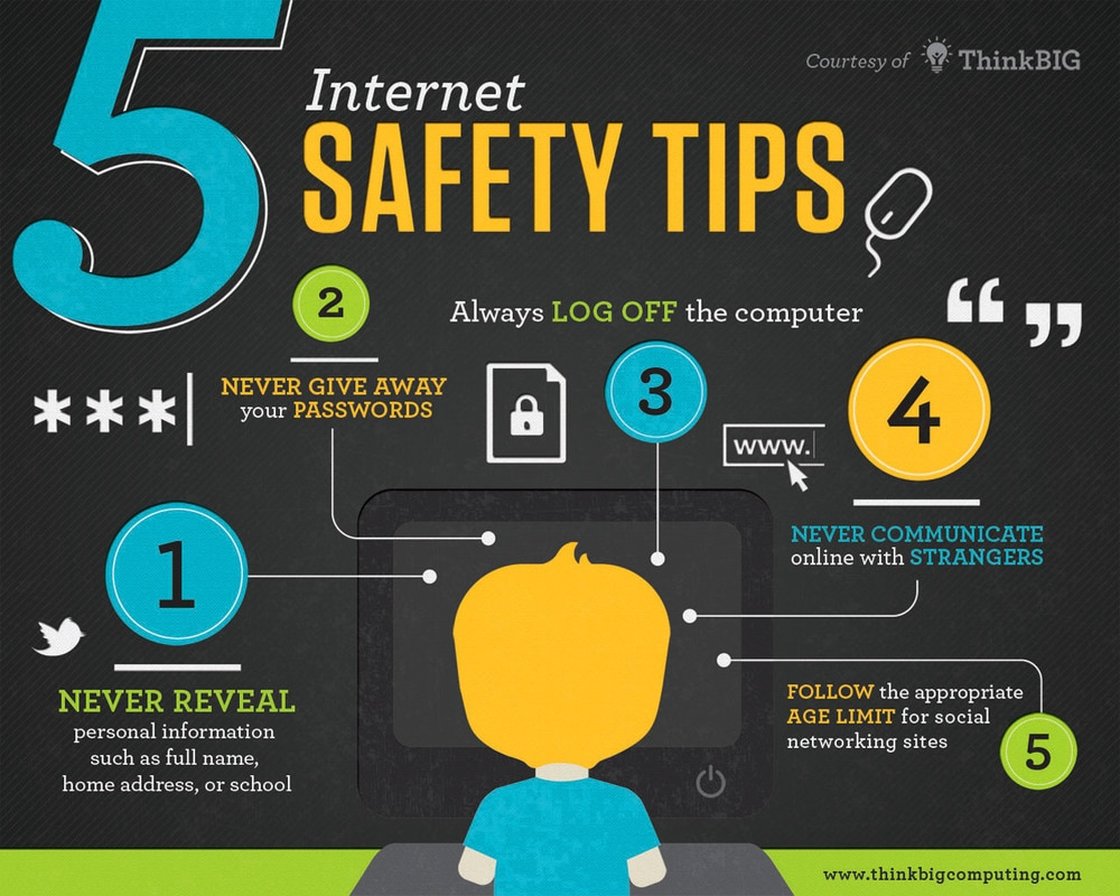
Standardizing device hygiene begins with the consistent application of software updates and the removal of unauthorized applications that bypass school security filters. Administrators must mandate password rotations and discourage the sharing of credentials across any platform, regardless of the perceived safety of the network. Students should be taught to verify the legitimacy of digital sources before downloading files or engaging with external links, effectively neutralizing common malware vectors. Classroom instructors play a pivotal role by modeling healthy screen time limits, ensuring that periods of high-intensity digital work are balanced with offline collaborative activities to prevent cognitive overload and maintain focus.
Common Challenges and How to Avoid Them
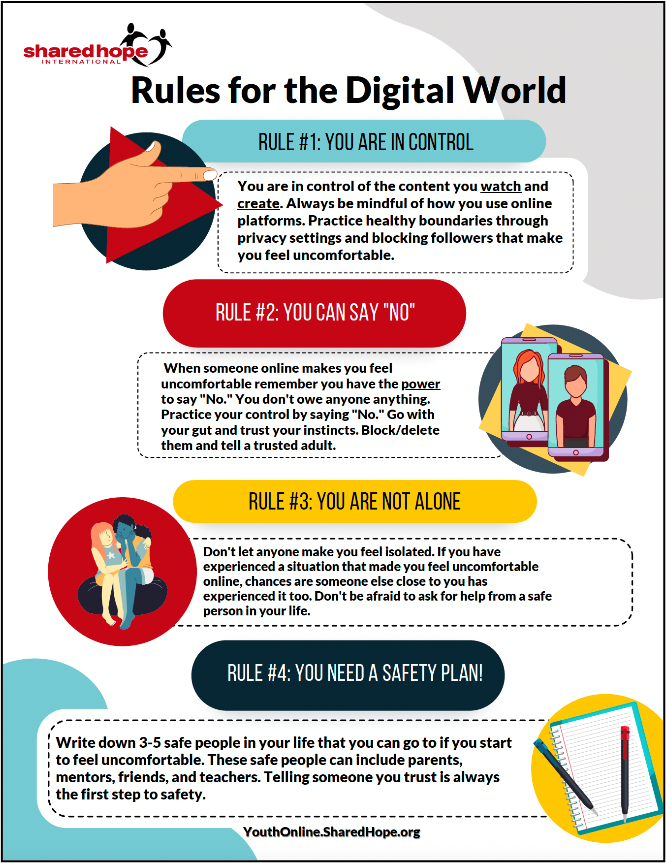
Inconsistent enforcement of digital policies remains the primary barrier to maintaining a secure school environment. When guidelines regarding acceptable use are vague or rarely referenced, students often treat digital platforms as private spaces rather than professional academic environments. Overcoming this requires the integration of practical Worksheets into the curriculum to reinforce concepts of digital citizenship consistently. Furthermore, the failure to address the emotional components of online interactions leads to escalations in cyberbullying; therefore, schools must provide clear, anonymous reporting channels that allow students to address conflicts before they evolve into disruptive or dangerous situations.
💬 Frequently Asked Questions
Explore More Kids Safety and Digital Citizenship Guides on SafeWiredSchools
Comprehensive digital safety requires ongoing engagement from all stakeholders to adapt to changing technological landscapes. Educators and parents are encouraged to utilize resources available at Safe Wired Schools, including specialized Coloring Pages for younger learners and advanced policy templates for school districts, to ensure a robust, protected, and responsible digital culture.
Visual Reference Gallery