Introduction
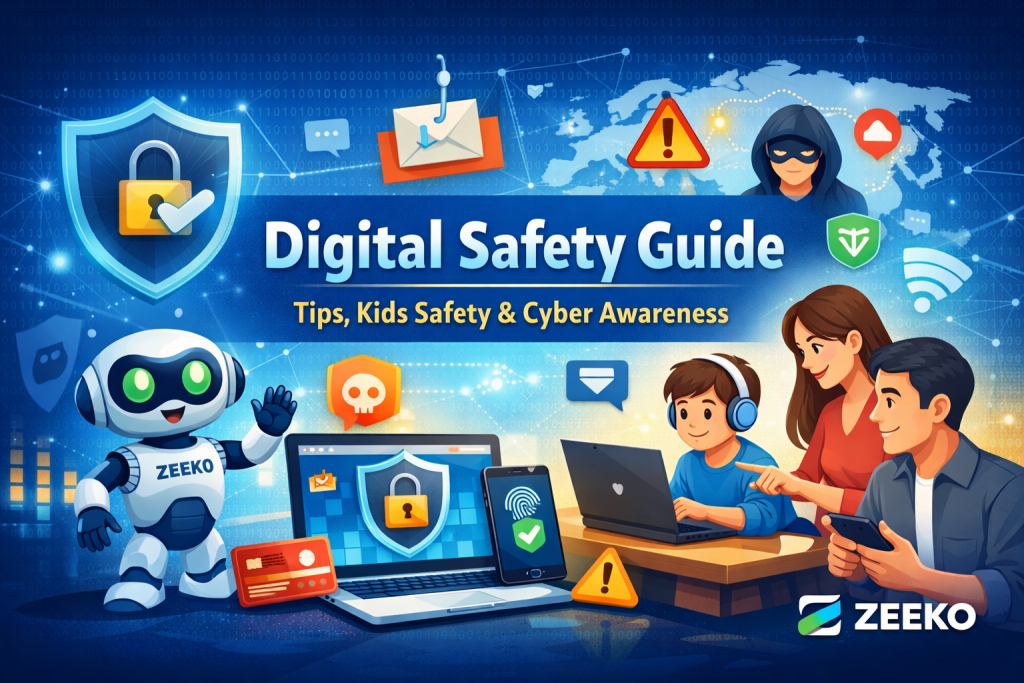
Digital ethics and online safety constitute the framework of responsible digital citizenship, protecting students from cyber threats while fostering empathy, integrity, and accountability in virtual environments. According to the Family Online Safety Institute (FOSI), equipping students with proactive digital safety strategies directly correlates with healthier online boundaries and reduced incidents of digital harassment. Educational institutions, parents, and adolescent learners must collaborate to establish robust safety cultures across all school networks and personal devices. Educators frequently explore the Online and Digital Safety hub for structured curricula designed to reinforce these exact protective measures daily.
Digital Safety Snapshot:
- Core Focus: Integration of ethical technology use, data privacy, and secure device habits in educational settings.
- Target Scope: Middle school students, classroom teachers, school administrators, and concerned parents.
- Key Recommendation: Enforce proactive device hygiene and continuous digital citizenship instruction across school curricula.
Core Principles and Detailed Overview
Digital citizenship extends far beyond basic password protection into the realm of moral accountability, where every online post, comment, and shared media file contributes to a permanent digital footprint. Academic institutions manage this responsibility by implementing comprehensive safety frameworks that address school internet filtering, device hygiene, cyberbullying prevention, and classroom screen balance. When middle school students understand that their online actions carry real-world consequences, behavioral issues decline significantly. Integrating specialized educational materials such as downloadable Worksheets allows instructors to assess student comprehension of these vital ethical concepts regularly.
Key Specifications and Breakdown
| Safety Pillar | Digital Risk Factor | Actionable Protective Habit |
|---|---|---|
| Digital Footprint | Permanent archiving of unwise social posts | Audit privacy settings and restrict public data sharing |
| Cyberbullying | Harassment via anonymous messaging apps | Document harmful communications and report incidents immediately |
| Device Hygiene | Malware infiltration through unverified downloads | Maintain updated operating systems and utilize approved school networks |
Digital safety frameworks succeed when schools combine technical content filters with explicit classroom instruction on moral responsibility and empathy online. — Cybersecurity & Infrastructure Security Agency (CISA)
Step-by-Step Practical Application and Guidelines
Establishing a secure digital environment requires systematic enforcement of school-wide technology policies and open communication channels between adults and students. First, administrators must configure network firewalls to block inappropriate domains while educating students on bypass methods. Second, teachers should weave regular discussions regarding screen balance and digital fatigue into daily schedules, ensuring healthy breaks from monitors. Third, parents must reinforce these lessons at home by monitoring evening device usage and reviewing privacy settings together. Utilizing creative resources like printable Coloring Pages also helps younger students engage with fundamental internet safety rules in an accessible format.
Common Challenges and How to Avoid Them
Over-reliance on automated internet filters often creates a false sense of security, overlooking critical interpersonal issues like subtle cyberbullying and social exclusion. Educators and parents frequently encounter resistance when establishing screen balance limits or restricting unauthorized messaging platforms on student devices. Preventing these pitfalls requires shifting the focus from purely punitive monitoring to continuous dialogue about ethical online choices and peer respect. Furthermore, keeping security protocols updated across all classroom devices prevents technical vulnerabilities that expose school networks to external disruptions.
💬 Frequently Asked Questions
Explore More Kids Safety and Digital Citizenship Guides on SafeWiredSchools
Comprehensive digital citizenship resources ensure that educators, administrators, and parents remain fully equipped to guide adolescents safely through modern technology landscapes. Continuous learning and proactive policy enforcement create resilient school communities where students thrive without compromising their privacy or well-being. Browse additional expert tools and safety frameworks by visiting the complete Internet and Digital Safety archive on Safe Wired Schools today.
Visual Reference Gallery