Introduction
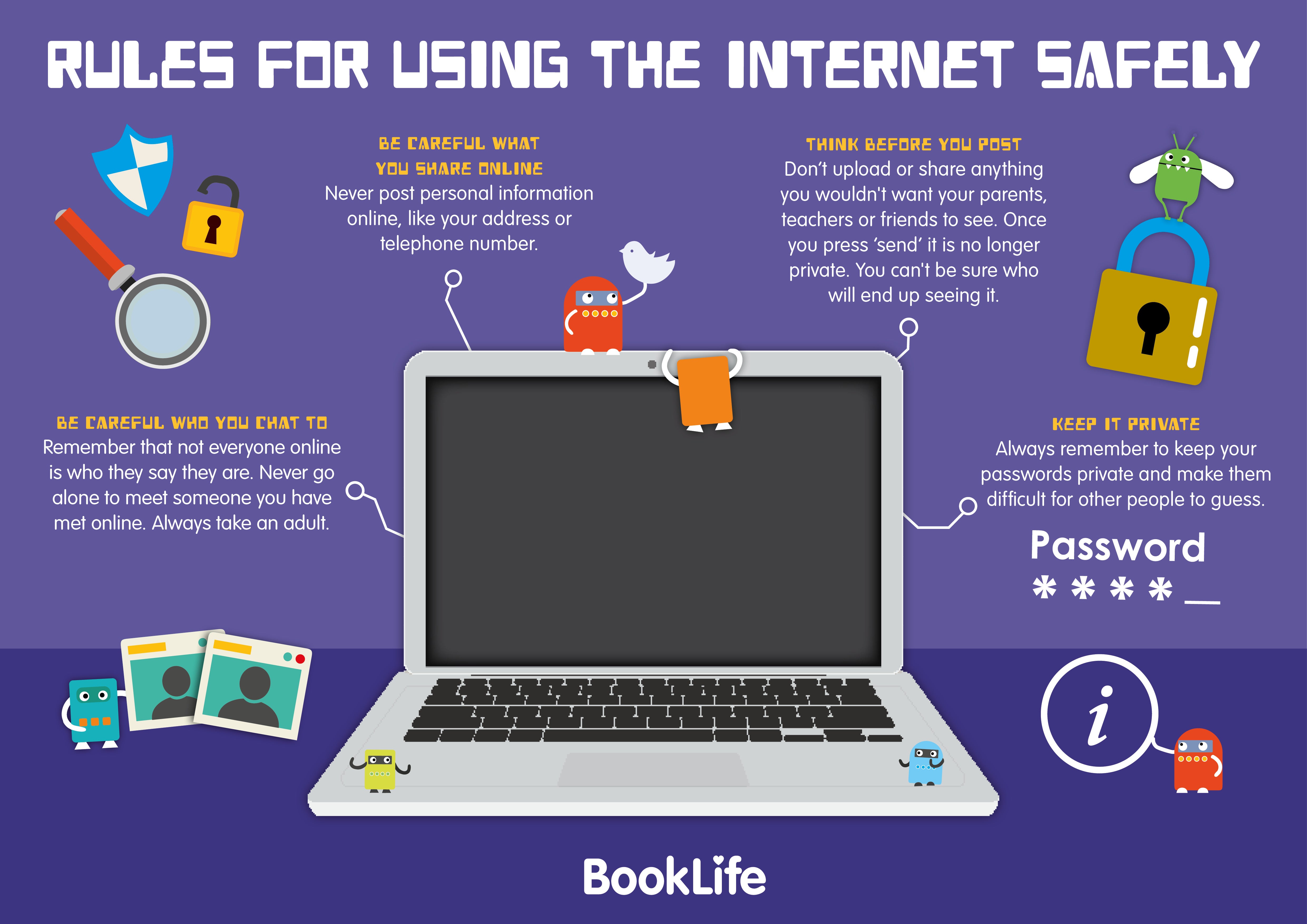
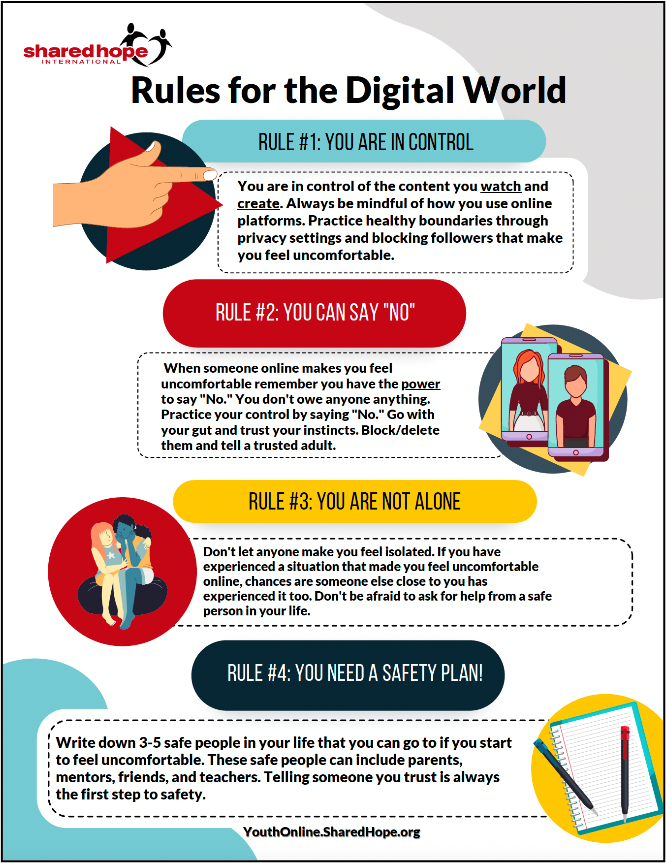
Implementing five essential digital safety rules establishes a secure, resilient online environment for modern students across educational institutions. According to ConnectSafely, proactive digital citizenship education significantly reduces online risks while fostering positive technological engagement among middle school learners and academic staff. Educational stakeholders must enforce structured protocols covering safe browsing, reputation management, anti-harassment policies, device maintenance, and intentional screen balance to protect academic communities from emerging cyber threats.
Digital Safety Snapshot:
- Core Focus: Five foundational rules governing school internet safety, footprint management, and anti-bullying.
- Target Scope: Middle school students, educators, parents, and school system administrators.
- Key Recommendation: Institutionalize mandatory device hygiene and strict privacy settings before deploying classroom technology.
Core Principles and Detailed Overview
Establishing comprehensive digital boundaries requires addressing distinct vectors of vulnerability encountered within school and home networks. The primary framework centers on safe internet navigation, permanent digital footprint awareness, absolute zero-tolerance for cyberbullying, rigorous device hygiene, and balanced classroom screen time allocation. By treating network connectivity as a shared public utility, schools can integrate these protective habits into daily curricula, ensuring every participant understands the tangible consequences of online behavior. Proper foundational training bridges the gap between theoretical policies and daily digital execution, safeguarding young users against data privacy violations and social manipulation.
Key Specifications and Breakdown
| Safety Pillar | Digital Risk Factor | Actionable Protective Habit |
|---|---|---|
| Network Security | Malware infection and phishing exploits | Verify SSL certificates and restrict unauthorized application downloads. |
| Reputation Management | Permanent exposure of personal identifiable data | Maintain strict privacy configurations across all school-issued accounts. |
| Behavioral Integrity | Cyberbullying and peer-to-peer digital harassment | Report malicious communications immediately through official reporting channels. |
Standardized operational security protocols require continuous evaluation of student access privileges and comprehensive threat mitigation training across all educational networks. — Cybersecurity & Infrastructure Security Agency (CISA)
Step-by-Step Practical Application and Guidelines
Executing institutional safety mandates successfully involves a sequential, multi-layered approach to policy deployment and classroom management. First, network administrators must enforce robust firewall restrictions while educators introduce core Internet and Digital Safety principles to incoming student cohorts. Second, students must review their public-facing profiles regularly to scrub potentially harmful identifiers. Third, faculty members should integrate targeted exercises from Worksheets to reinforce behavioral standards without disrupting instruction. Fourth, regular device audits ensure operating systems receive necessary security patches. Finally, maintaining open dialogue between parents and teachers guarantees consistent enforcement of safety protocols across both school and home environments.
Common Challenges and How to Avoid Them
Overlooking subtle policy enforcement gaps frequently leads to unauthorized data sharing and unmonitored peer-to-peer communication channels during school hours. Educators often struggle with maintaining device hygiene amidst rapid hardware turnover, while students frequently underestimate the longevity of their digital footprints. Addressing these pitfalls requires transitioning away from punitive measures toward continuous positive reinforcement of Online and Digital Safety standards. Administrative oversight must remain adaptable, updating filtering software and curriculum frameworks to counter emerging social engineering tactics before exploitation occurs.
💬 Frequently Asked Questions
Explore More Kids Safety and Digital Citizenship Guides on SafeWiredSchools
Equipping educational communities with robust protective strategies remains essential for fostering secure, empowering digital environments. Discover comprehensive pedagogical tools, interactive instructional resources, and foundational safety curricula by visiting the central resource library at Safe Wired Schools today.
Visual Reference Gallery