Introduction
E safety adalah the comprehensive practice of maximizing online security, safeguarding digital footprints, and ensuring responsible internet use in educational and domestic environments. According to the Cybersecurity and Infrastructure Security Agency (CISA), proactive cyber hygiene and structured digital literacy programs are essential for mitigating online risks for young internet users. Educational institutions, instructional staff, and parents utilize this framework to protect middle school students from cyber threats, inappropriate content, and privacy breaches while navigating school-issued devices.
Digital Safety Snapshot:
- Core Focus: E safety adalah the systemic prevention of cyber risks and promotion of responsible digital behavior.
- Target Scope: Middle school students, teachers, school administrators, and parents across digital classrooms.
- Key Recommendation: Implement continuous digital citizenship education paired with strict school device hygiene protocols.
Core Principles and Detailed Overview
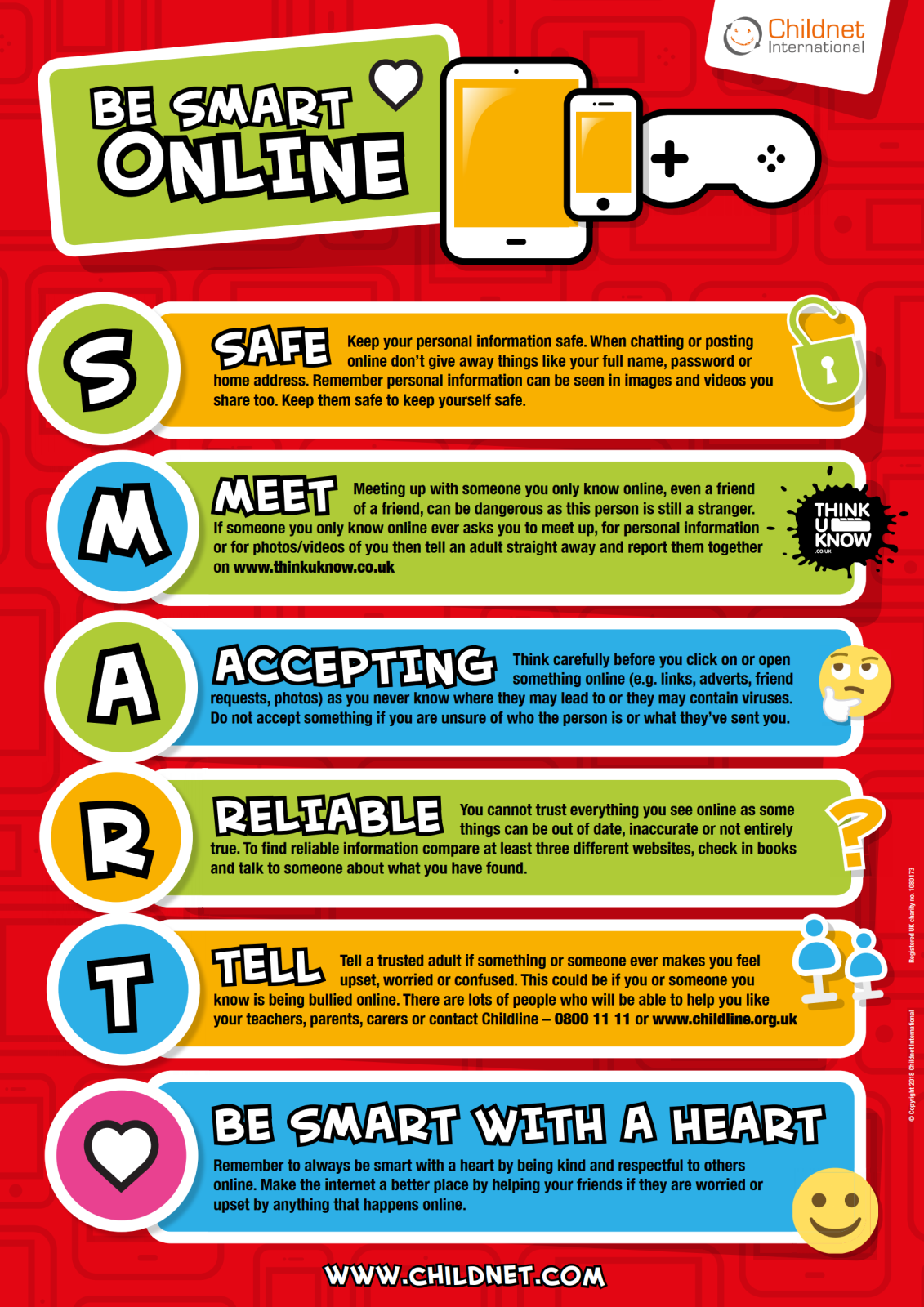
E safety adalah encompasses four primary operational pillars within modern educational settings: digital footprint management, cyberbullying prevention, device hygiene, and classroom screen balance. Managing a digital footprint requires students to understand that online actions leave permanent records visible to future academic institutions and employers. Concurrently, cyberbullying prevention mandates active monitoring, immediate reporting mechanisms, and restorative peer accountability protocols in every classroom. Furthermore, device hygiene incorporates regular software updates, robust password management, and secure browsing habits on all learning hardware. Establishing structured screen balance ensures that academic technology integration enhances cognitive development without causing digital fatigue or behavioral distractions.
Key Specifications and Breakdown
| Safety Pillar | Digital Risk Factor | Actionable Protective Habit |
|---|---|---|
| Digital Footprint | Permanent exposure of personal data | Review privacy settings and avoid sharing location details |
| Cyberbullying | Online harassment and peer exclusion | Document evidence, block malicious accounts, and report to authorities |
| Device Hygiene | Malware infection and unauthorized access | Apply system updates immediately and use unique passphrases |
Comprehensive digital citizenship curricula must integrate device hygiene and privacy protection directly into daily academic routines to build lifelong resilient online habits — ConnectSafely Research
Step-by-Step Practical Application and Guidelines
E safety adalah successfully integrated into schools through a systematic, multi-tiered deployment strategy that aligns administrative policy with student instruction. Initially, school administrators must establish clear Acceptable Use Policies (AUPs) that define authorized network behavior and consequences for policy violations. Next, educators integrate structured digital citizenship modules and Worksheets into standard curricula to reinforce safe search habits, critical source evaluation, and respectful online communication. Parents mirror these standards at home by co-establishing device-free zones and monitoring evening screen time. Finally, technical teams deploy enterprise-grade content filters and enforce strict multi-factor authentication across all student learning management systems.
Common Challenges and How to Avoid Them
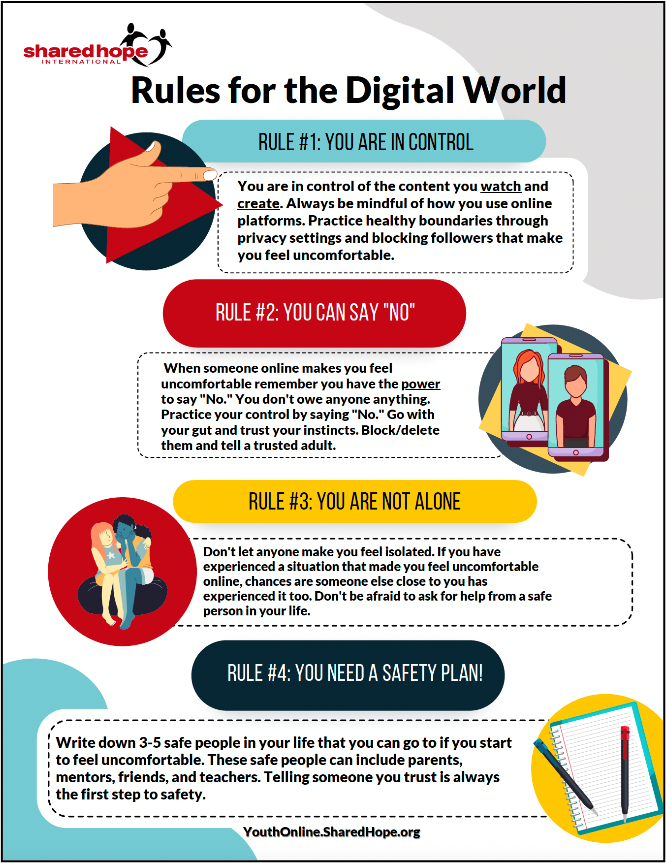
E safety adalah frequently undermined by informal device sharing, unmonitored peer-to-peer messaging applications, and inconsistent enforcement of screen time boundaries between home and school. Educational stakeholders often struggle with students circumventing basic network filters or sharing login credentials with peers, which compromises accountability. To resolve these vulnerabilities, schools implement strict individual login protocols and conduct routine device audits, while parents maintain open communication channels encouraging children to report uncomfortable digital encounters immediately without fear of losing device privileges. Exploring resources such as Online and Digital Safety provides deeper insights into closing security gaps.
💬 Frequently Asked Questions
Explore More Kids Safety and Digital Citizenship Guides on SafeWiredSchools
E safety adalah a continuous journey requiring dedicated tools, reliable resources, and community collaboration to protect developing minds online. Visitors can explore additional educational assets, printable guides, and coloring resources such as Coloring Pages within the comprehensive library available at Safe Wired Schools to support ongoing student digital empowerment.
Visual Reference Gallery