Introduction
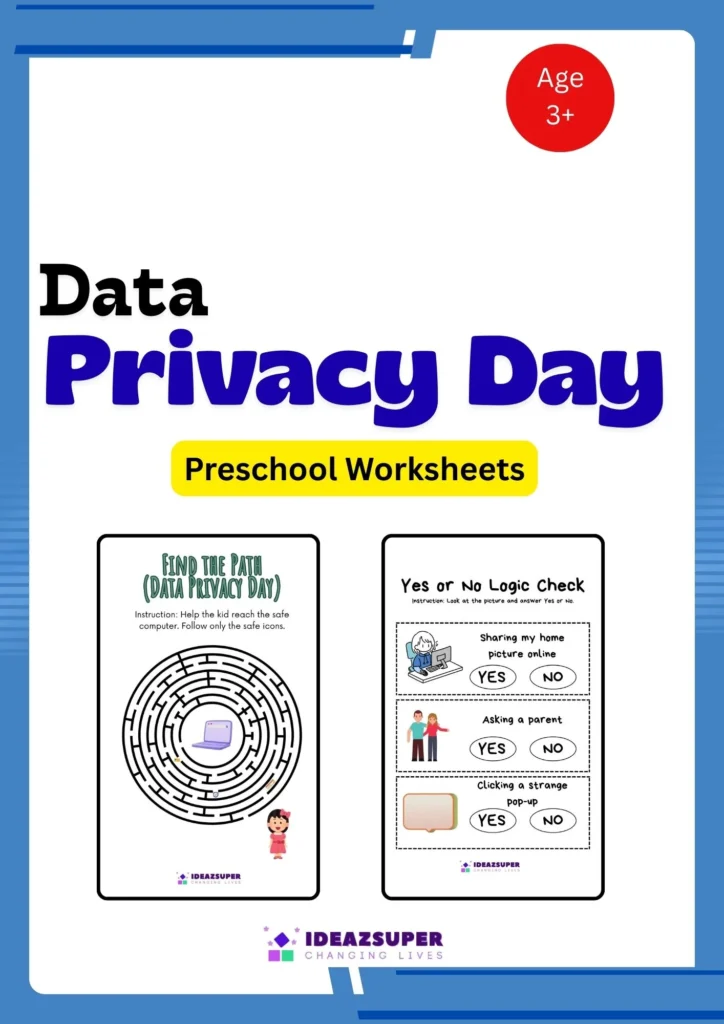
Educators and parents often seek effective, tangible resources to teach crucial digital literacy skills. The “internet safety scenario worksheet for kids” serves as a foundational tool, primarily tailored for Elementary (grades 3-5) and Middle School (grades 6-8) students, though readily adaptable for older elementary and early high school learners. This printable resource reinforces essential internet safety concepts through engaging, hands-on learning experiences. Printable worksheets remain trusted instruments for building digital awareness and fostering responsible online behavior because they offer a structured, screen-free method for processing complex information. These materials provide a concrete medium for reflection and discussion, allowing young learners to internalize best practices away from immediate digital distractions. The act of writing, drawing, or selecting answers on paper enhances comprehension and retention, a method valued by learning specialists for its cognitive benefits.
💡 Educational Key Takeaways:
- Core Skill: Structured Internet Safety Scenario Worksheet For Kids focused on developing pencil grip, stroke control, and early literacy/math confidence.
- Target Scope: Suited for homeschoolers, preschool, kindergarten, and elementary learners.
- Best Recommendation: Practice 10–15 minutes daily with ergonomic writing tools to reinforce muscle memory without hand fatigue.
What This Worksheet Covers
The “internet safety scenario worksheet for kids” addresses critical internet safety topics through practical, relatable situations. The content focuses on recognizing online risks, understanding privacy, and making informed decisions in digital environments. Specific scenarios might involve encountering unfamiliar links, receiving messages from unknown contacts, managing personal information online, or navigating cyberbullying situations. These exercises encourage critical thinking about digital footprints, the importance of strong passwords, and the concept of a trusted adult. The worksheet’s design aligns directly with recognized digital citizenship and child safety education standards, emphasizing proactive strategies for staying safe online. It translates abstract digital rules into concrete, actionable steps, making complex online safety principles accessible to young minds.
Key Learning Outcomes
Completing the “internet safety scenario worksheet for kids” helps develop several vital skills and knowledge areas:
- Enhanced Critical Thinking: Learners analyze online situations to identify potential dangers and appropriate responses.
- Informed Decision-Making: Students practice evaluating choices in hypothetical online scenarios, leading to better real-world judgment.
- Understanding of Privacy: The worksheet reinforces the importance of keeping personal information secure and recognizing what should not be shared online.
- Recognition of Trusted Adults: Children learn to identify whom to approach when encountering uncomfortable or unsafe online content.
- Proactive Safety Strategies: The resource encourages the development of preventative measures, such as creating strong passwords and verifying information sources.
How to Use This Worksheet
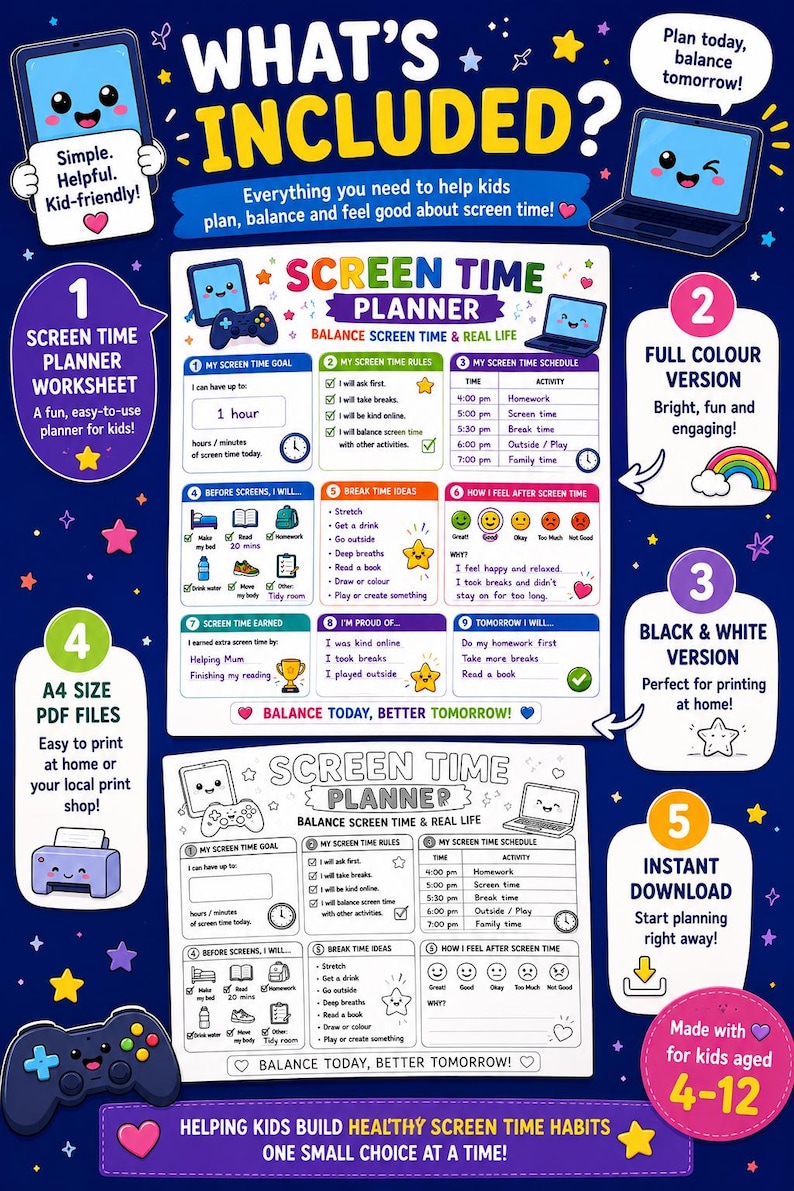
The “internet safety scenario worksheet for kids” offers versatile application in both educational and home settings. The worksheet typically features a mix of activity types, including multiple-choice questions based on scenarios, short-answer reflections, true or false statements, and opportunities for drawing or illustrating safe practices. Instructions are scaffolded progressively, guiding learners through increasing levels of complexity. For instance, simpler scenarios might involve identifying safe websites, while more complex ones could prompt discussions on digital empathy. This resource functions effectively as a standalone activity to spark discussion, an integral part of a broader lesson plan on digital citizenship, or a focused homework assignment designed to reinforce classroom teachings. Its adaptable format supports various teaching methodologies and learning preferences. Browse more guides on Safe Wired Schools.
Practical Tips for Parents and Teachers
- Pre-Activity Discussion: Initiate a brief conversation before starting the worksheet to gauge existing knowledge and introduce key vocabulary. Discuss the general importance of online safety in a non-scary way.
- Facilitate, Don’t Just Dictate: Encourage learners to articulate their reasoning for answers. Prompt deeper thought by asking “why” questions rather than simply confirming correct responses.
- Role-Playing Scenarios: After completing the worksheet, act out one or two scenarios. This kinesthetic approach solidifies understanding and builds confidence in responding safely.
- Create a Family/Classroom Internet Safety Pledge: Extend learning by collaboratively drafting a set of internet safety rules based on the worksheet’s lessons. Display this pledge prominently as a constant reminder.
- Connect to Real-World Examples: Discuss how the scenarios relate to actual online experiences, emphasizing that practicing safe habits builds a secure digital future.
Age-Appropriate Recommendations
Utilizing the “internet safety scenario worksheet for kids” effectively requires consideration of developmental stages:
Ages 6-10 (Early Elementary): For younger elementary learners, the focus should remain on foundational concepts. Vocabulary support is crucial; simplify complex terms and define them clearly. Activities should be paced slowly, allowing ample time for processing each scenario. Parental or teacher involvement should be high, guiding discussions, reading scenarios aloud, and assisting with writing as needed. Emphasize identifying trusted adults and understanding basic privacy (e.g., not sharing home address).
Ages 11-14 (Middle School): Students in this age group can engage with more nuanced scenarios involving social media interactions, cyberbullying, and responsible content creation. Discussions can delve deeper into consequences and ethical considerations. Less direct guidance is typically required, fostering independent thought. The worksheet can serve as a springboard for group discussions or debates, allowing peers to learn from each other’s perspectives. Introduce concepts like digital footprint and verifying online information.
Ages 15-18 (High School Adaptation): While primarily designed for younger learners, the scenarios can be adapted for older students by focusing on critical analysis, media literacy, and the long-term implications of online actions. Discussions might include digital reputation management, advanced privacy settings, and responding to sophisticated online scams. The worksheet can initiate research projects or presentations on specific internet safety topics, promoting self-directed learning and peer education.
Frequently Asked Questions
Q: What specific internet safety topics does this worksheet address? A: The worksheet focuses on critical areas such as recognizing online risks, protecting personal privacy, understanding cyberbullying, and identifying trusted adults to approach with concerns. It aims to build foundational skills for safe digital interactions.
Q: How does this printable resource help children make safer online decisions? A: By presenting hypothetical online situations, the worksheet allows children to practice evaluating choices and consequences in a safe, guided environment. This prepares them to apply safe decision-making processes when encountering real-world online dilemmas.
Q: How can one download or access the free “internet safety scenario worksheet for kids”? A: This free printable resource, along with many others, is readily available for download directly from the SafeWiredSchools.org website. Simply navigate to the worksheets section, locate the specific resource, and print it at home or in the classroom.
Explore More Free Printable Worksheets
A single resource, while valuable, achieves its greatest impact when integrated into a consistent digital safety learning routine. The “internet safety scenario worksheet for kids” serves as an excellent starting point, but comprehensive digital literacy requires ongoing engagement. Educators and parents are invited to explore a full collection of free printable internet safety worksheets, activity sheets, checklists, quizzes, and more at SafeWiredSchools.org Worksheets. This extensive library covers every essential internet safety topic and is thoughtfully designed for every grade level and diverse learning environments, ensuring a continuous and robust educational journey in online safety.
Developmental Milestone & Activity Table
| Development Stage | Recommended Daily Duration | Primary Learning Objective |
|---|---|---|
| Preschool & Pre-K | 10 – 15 Minutes | Pencil grip development & basic pre-stroke lines |
| Kindergarten | 15 – 20 Minutes | Letter/number formation & spatial line awareness |
| Early Elementary (Grade 1–2) | 20 – 30 Minutes | Fluency, sentence construction & neatness |