Introduction
The digital landscape introduces exciting opportunities for learning and connection, yet it also presents essential lessons in safety and responsibility. For elementary students, particularly those in Grade 2, understanding online privacy forms a foundational pillar of digital citizenship. The resource, an online privacy worksheet for grade 2, serves as a vital educational tool. It addresses the specific developmental stage of 7- and 8-year-olds, introducing complex concepts in an accessible, engaging format. This printable resource reinforces critical internet safety concepts through hands-on learning, making abstract ideas tangible for young minds. Educators and parents consistently trust printable worksheets for their proven efficacy in building digital awareness and fostering responsible online behavior. These materials provide a structured approach to learning, allowing for repeated practice and personalized instruction, which is indispensable in developing essential digital literacy skills from an early age.
💡 Educational Key Takeaways:
- Core Skill: Structured Online Privacy Worksheet For Grade 2 focused on developing pencil grip, stroke control, and early literacy/math confidence.
- Target Scope: Suited for homeschoolers, preschool, kindergarten, and elementary learners.
- Best Recommendation: Practice 10–15 minutes daily with ergonomic writing tools to reinforce muscle memory without hand fatigue.
What This Worksheet Covers
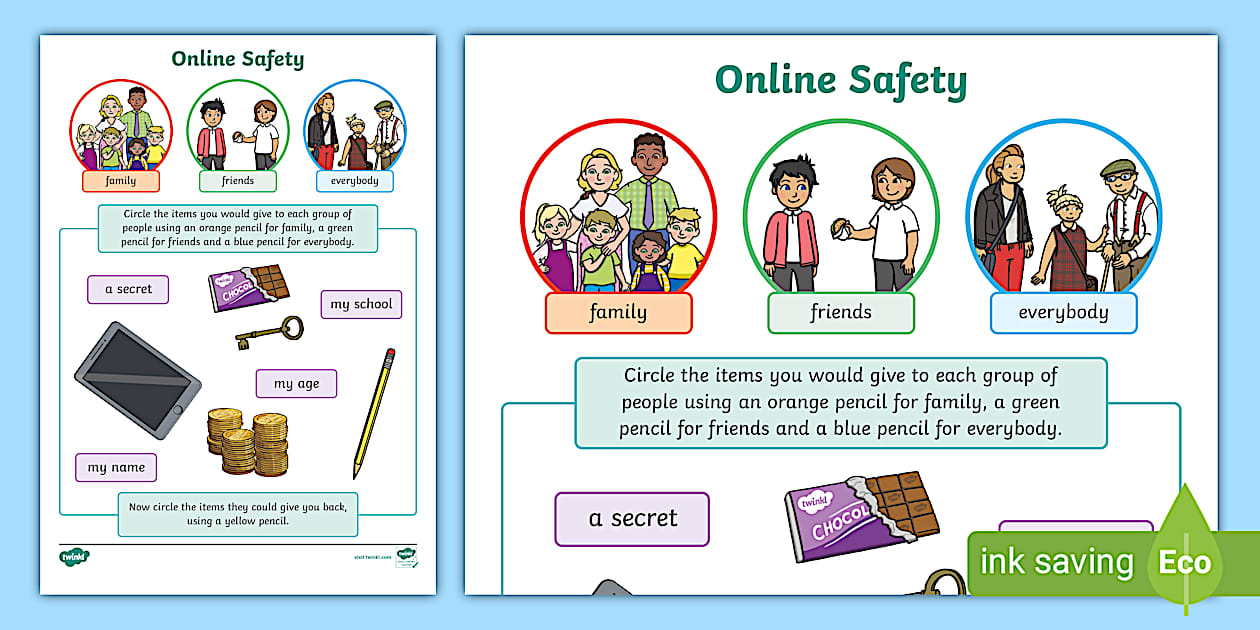
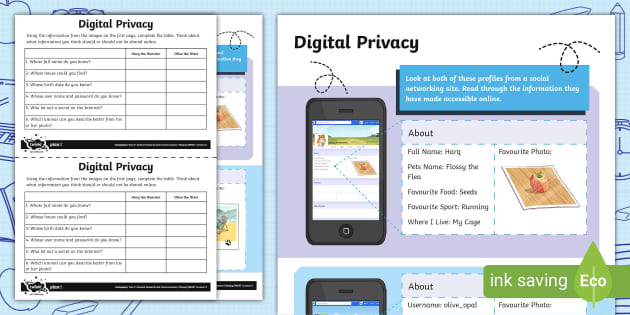
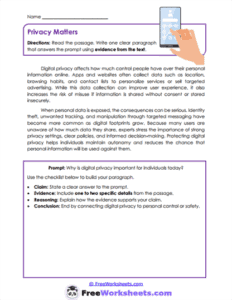
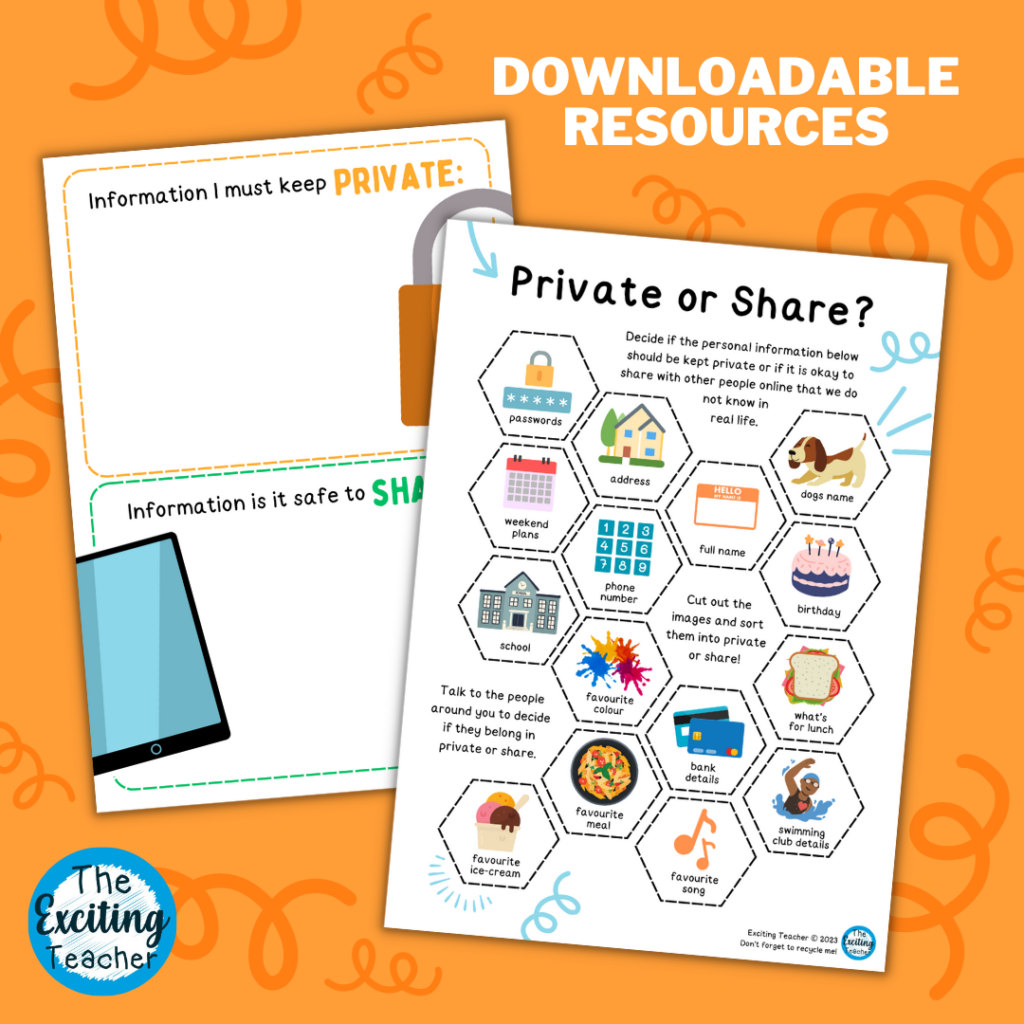
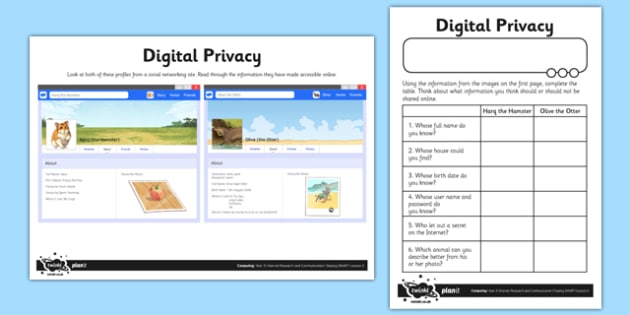
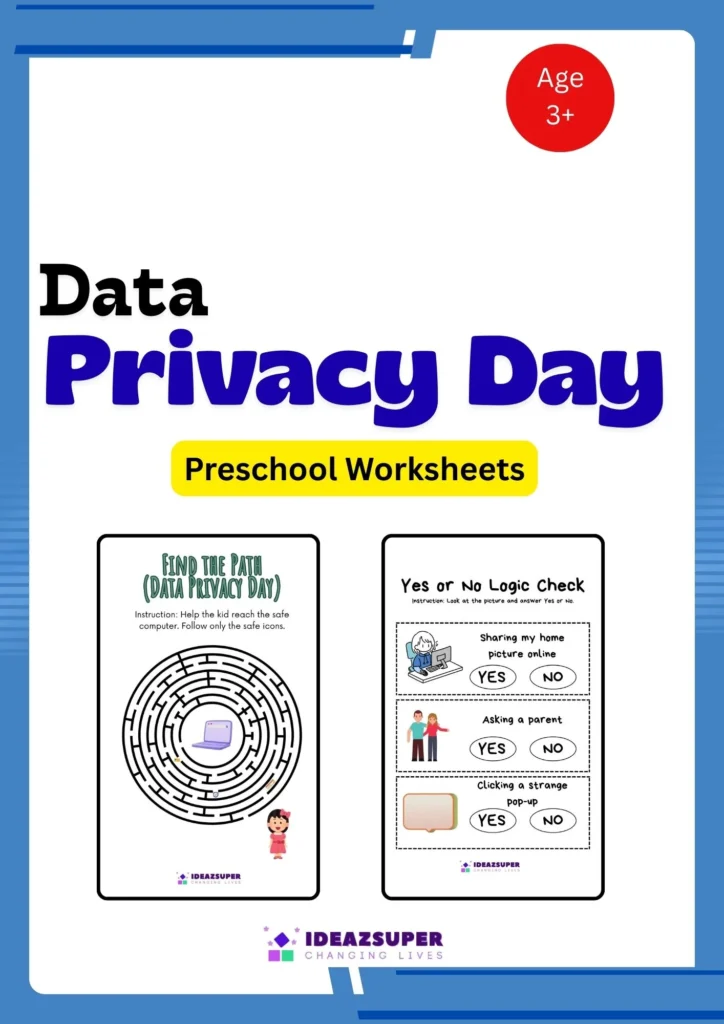
This worksheet directly addresses the fundamental topic of online privacy, tailored specifically for second-grade learners. It introduces concepts such as personal information, the importance of asking permission before sharing, and identifying trusted adults for guidance. The content covers scenarios where children might encounter requests for information online, helping them distinguish between safe and unsafe sharing practices. Key rules emphasized include never sharing names, addresses, phone numbers, or school names with strangers online. The worksheet also touches upon the idea that not everything seen online is true, encouraging a critical approach to digital content. Its design aligns with recognized digital citizenship and child safety education standards, promoting a proactive stance on protecting personal data in an increasingly connected world. The activities within the worksheet facilitate an understanding of what constitutes private information and why its protection is paramount.
Key Learning Outcomes
Completing this online privacy worksheet fosters several crucial skills and knowledge areas for young learners.
- Identify Personal Information: Children learn to recognize data points like their full name, home address, phone number, and school as private information that should not be shared without adult permission.
- Understand Permission Protocols: Students grasp the concept of always asking a trusted adult before sharing any personal details or interacting with unknown individuals online.
- Differentiate Safe from Unsafe Sharing: The worksheet helps learners understand specific situations where sharing information might be safe (e.g., with a parent) versus unsafe (e.g., with an online stranger).
- Recognize Trusted Adults: Participants identify parents, teachers, and other designated caregivers as primary sources of help and guidance for online safety concerns.
- Practice Critical Thinking: Activities encourage children to pause and think before acting online, fostering a habit of caution regarding personal data.
How to Use This Worksheet
The “online privacy worksheet for grade 2” is designed for flexible use in various learning environments, from the classroom to the home. Its format includes a variety of engaging activity types, such as fill-in-the-blank questions to reinforce vocabulary, matching exercises to connect concepts with actions, and true/false statements to test understanding. Simple scenarios are presented, prompting children to identify safe responses, and drawing sections allow for creative expression while solidifying learning. Instructions are clear and scaffolded, progressively building upon previously introduced concepts without overwhelming young learners. This worksheet can be effectively utilized as a standalone activity to introduce or review online privacy, integrated into a broader digital citizenship lesson plan, or assigned as homework to extend learning beyond direct instruction. Its printable nature allows for easy distribution and individual completion, catering to diverse learning paces and styles. Browse more guides on Safe Wired Schools.
Practical Tips for Parents and Teachers
- Pre-Worksheet Discussion: Initiate a brief conversation about what “private” means in everyday life before introducing the online context. Define key terms like “personal information” in simple language.
- Collaborative Completion: Consider working through the first few questions or activities together, especially with younger or less confident learners, to model the thought process.
- Encourage Drawing and Storytelling: If a section involves drawing a safe online scenario or a trusted adult, encourage children to explain their drawings, fostering deeper engagement and communication.
- Role-Play Scenarios: After completing the worksheet, role-play a few situations where an online stranger might ask for information, allowing children to practice their safe responses.
- Display and Review: Post completed worksheets in the classroom or at home as a visual reminder of online privacy rules. Periodically revisit the concepts to reinforce long-term retention.
Age-Appropriate Recommendations
For Grade 2 students (typically ages 7-8), the “online privacy worksheet for grade 2” is optimally suited. At this age, children are developing stronger reading and writing skills, allowing them to engage independently with the worksheet’s text-based activities. The vocabulary used is appropriate for their cognitive stage, focusing on concrete examples of private information and direct safety rules. Pacing should allow for thoughtful completion, with opportunities for questions and discussion throughout. Parental or teacher involvement remains crucial for guiding understanding, clarifying ambiguities, and facilitating deeper conversations beyond the worksheets content. For slightly younger children in Grade 1 (ages 6-7), the worksheet can be adapted by reading questions aloud and providing more direct support with writing, emphasizing the drawing and discussion components. Older students in Grade 3 (ages 8-9) might complete the worksheet more quickly; for them, the activity can serve as a quick review or a springboard for more nuanced discussions about digital footprints and online reputation.
Frequently Asked Questions
Q: How can one access the “online privacy worksheet for grade 2”?
A: The worksheet is available as a free printable download directly from the SafeWiredSchools.org website. Navigate to the worksheets section, locate the resource, and click the download button for instant access.
Q: What specific types of private information are covered in this worksheet?
A: The worksheet focuses on identifying basic personal details such as a child’s full name, home address, phone number, and the name of their school. It emphasizes that sharing these details with strangers online is unsafe.
Q: Is this worksheet suitable for homeschooling environments?
A: Absolutely. The “online privacy worksheet for grade 2” is designed to be highly versatile and can be effectively used by parents in a homeschooling setting. It provides structured content for teaching critical internet safety lessons at home.
Explore More Free Printable Worksheets
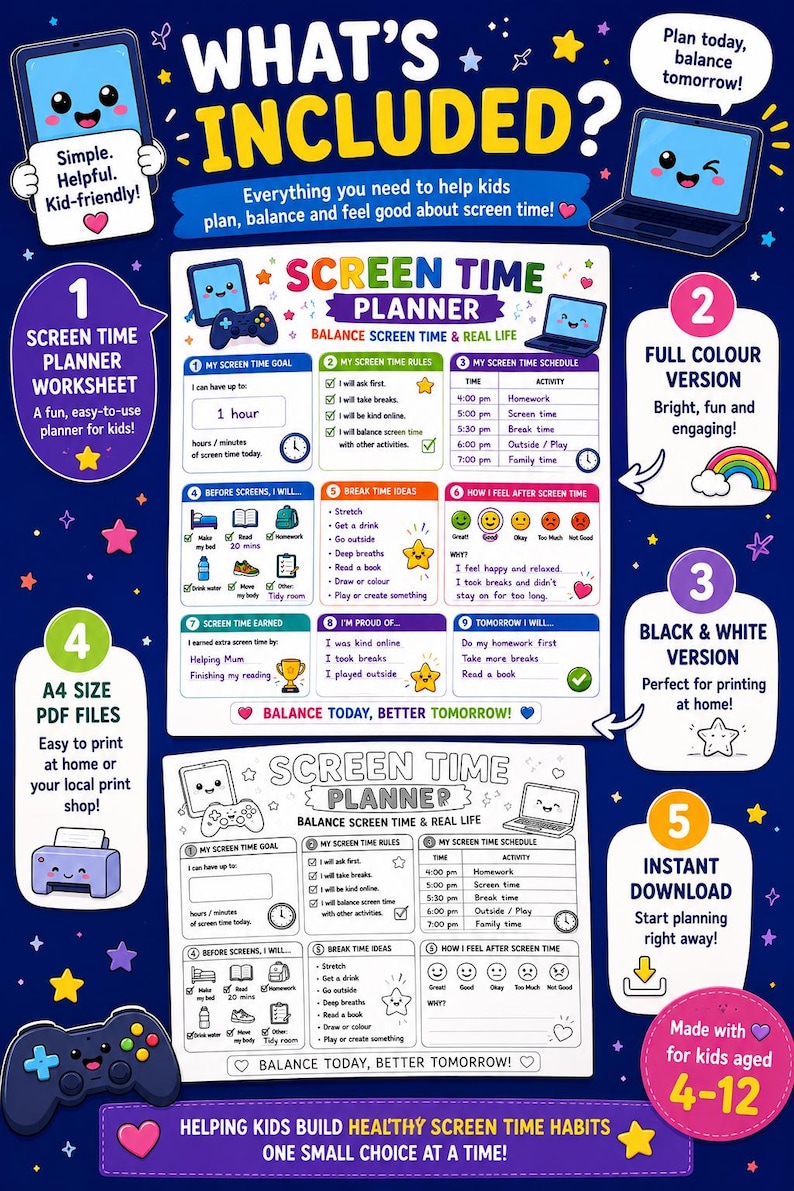
While the “online privacy worksheet for grade 2” offers valuable lessons, consistent learning in digital safety yields the best results. A single worksheet functions most effectively as part of a comprehensive curriculum. Educators and parents are invited to explore a full collection of free printable internet safety worksheets, activity sheets, checklists, quizzes, and more at SafeWiredSchools.org Worksheets. These resources cover every essential internet safety topic, including cyberbullying, screen time management, digital citizenship, and safe online communication. Each resource is designed for various grade levels and learning environments, ensuring that children of all ages can develop the necessary skills for navigating the digital world safely and responsibly.
Developmental Milestone & Activity Table
| Development Stage | Recommended Daily Duration | Primary Learning Objective |
|---|---|---|
| Preschool & Pre-K | 10 – 15 Minutes | Pencil grip development & basic pre-stroke lines |
| Kindergarten | 15 – 20 Minutes | Letter/number formation & spatial line awareness |
| Early Elementary (Grade 1–2) | 20 – 30 Minutes | Fluency, sentence construction & neatness |
Images References