Introduction
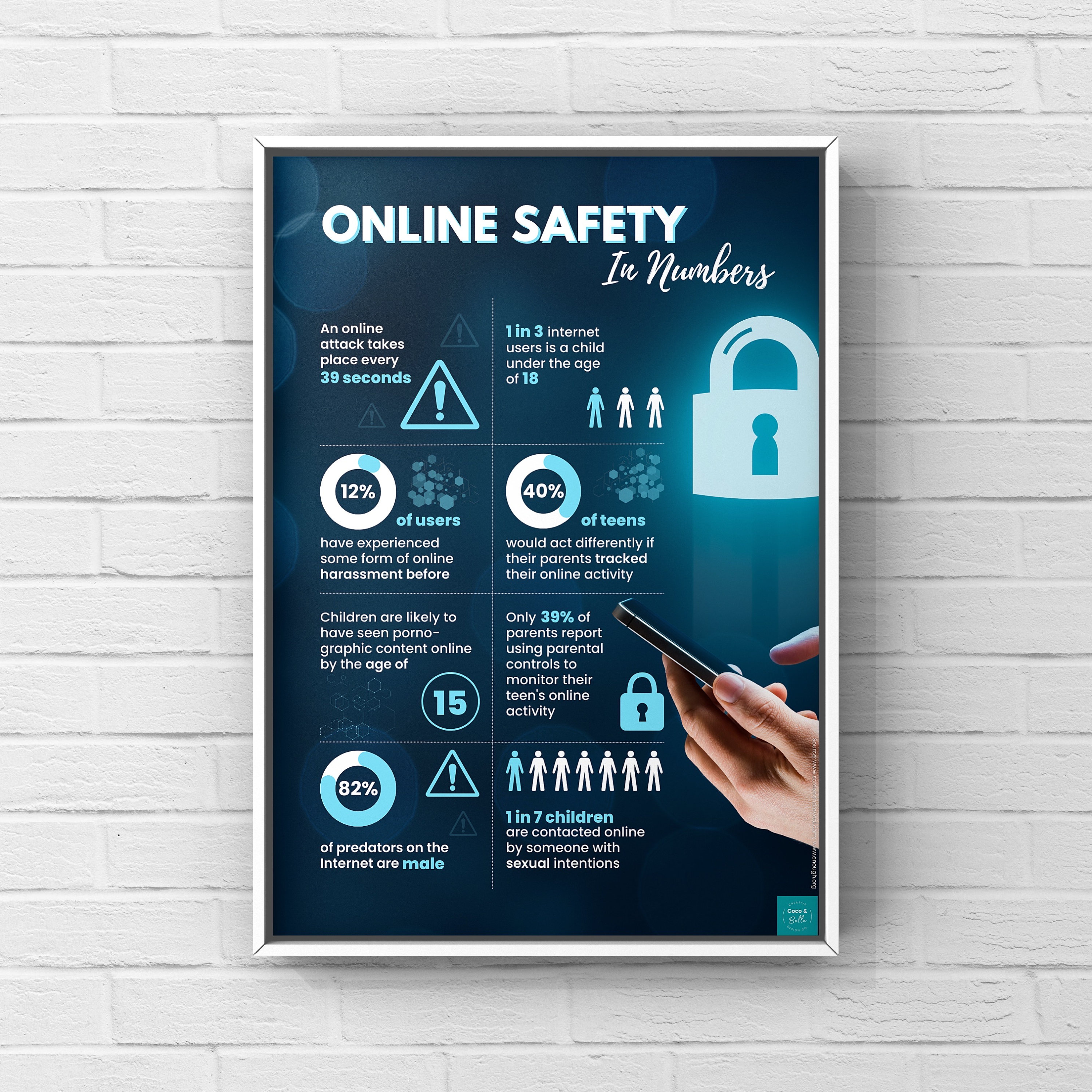
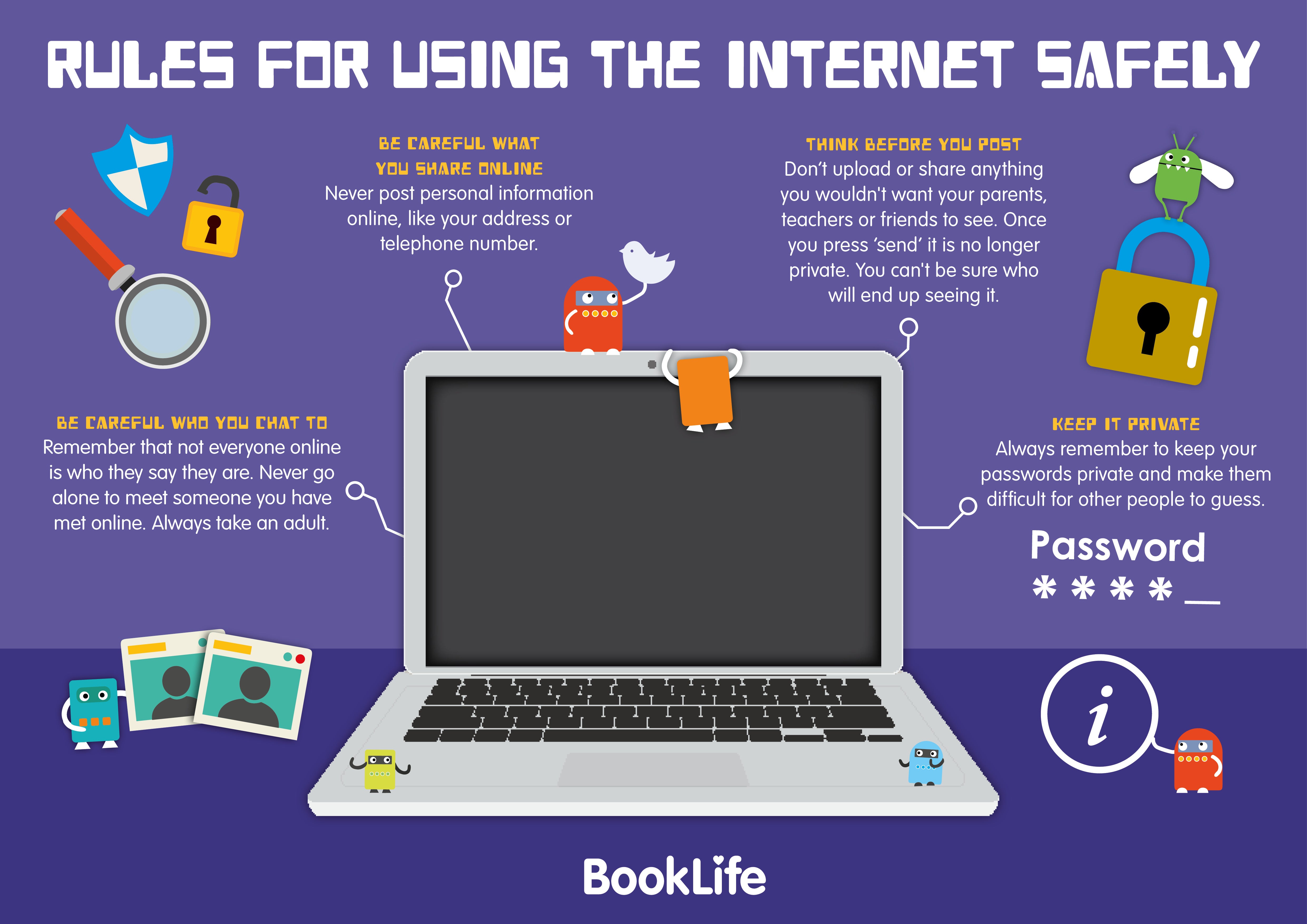
Digital life and online safety encompass the essential policies, digital literacy skills, and technical safeguards required to protect students across modern educational environments. According to the Family Online Safety Institute (FOSI), proactive digital parenting and structured school environments significantly improve adolescent online resilience and reduce exposure to cyber risks. Educational institutions, instructors, and parents share joint responsibility for cultivating positive digital citizens who can navigate virtual spaces safely and responsibly. Exploring specialized resources on Internet and Digital Safety provides foundational knowledge for implementing comprehensive school-wide safety protocols.
Digital Safety Snapshot:
- Core Focus: Implementation of comprehensive cyber hygiene, device management, and digital citizenship in schools.
- Target Scope: Middle school students, educators, and administrative stakeholders within connected learning ecosystems.
- Key Recommendation: Enforce multi-layered device filtering and explicit behavioral boundaries across all educational platforms.
Core Principles and Detailed Overview
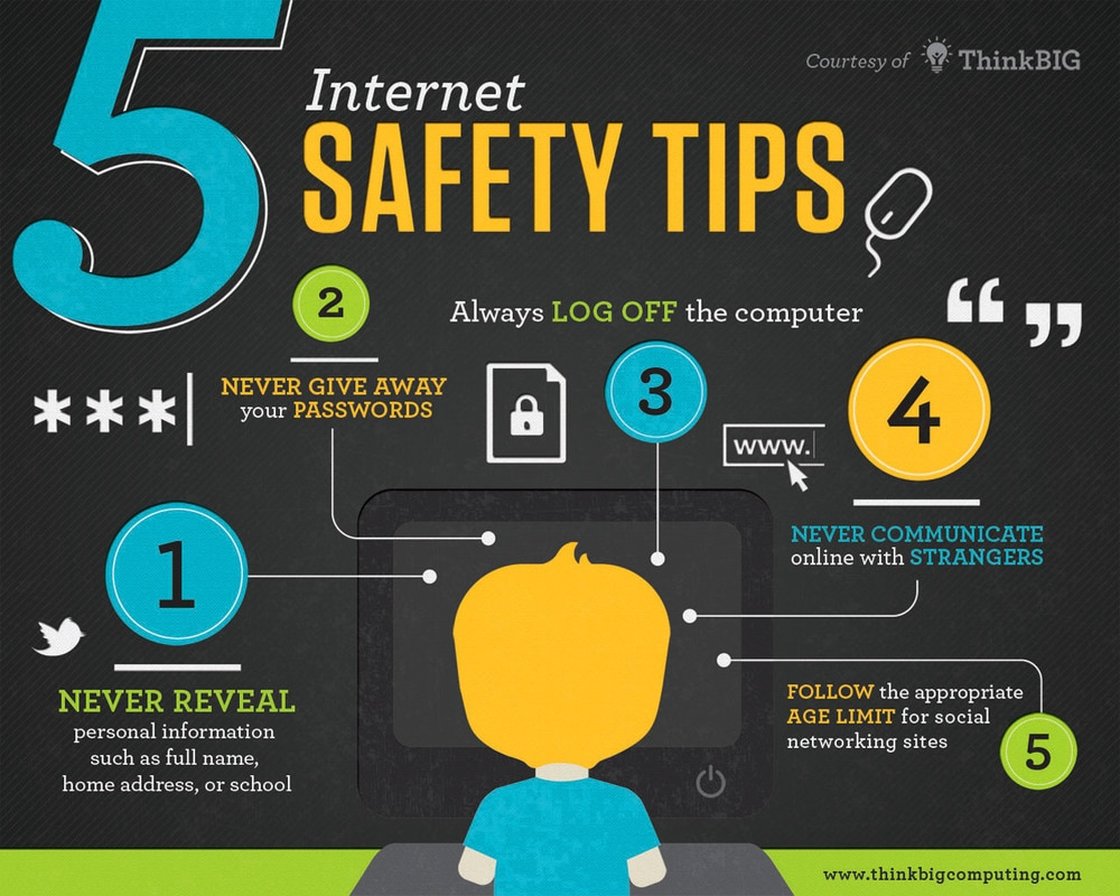
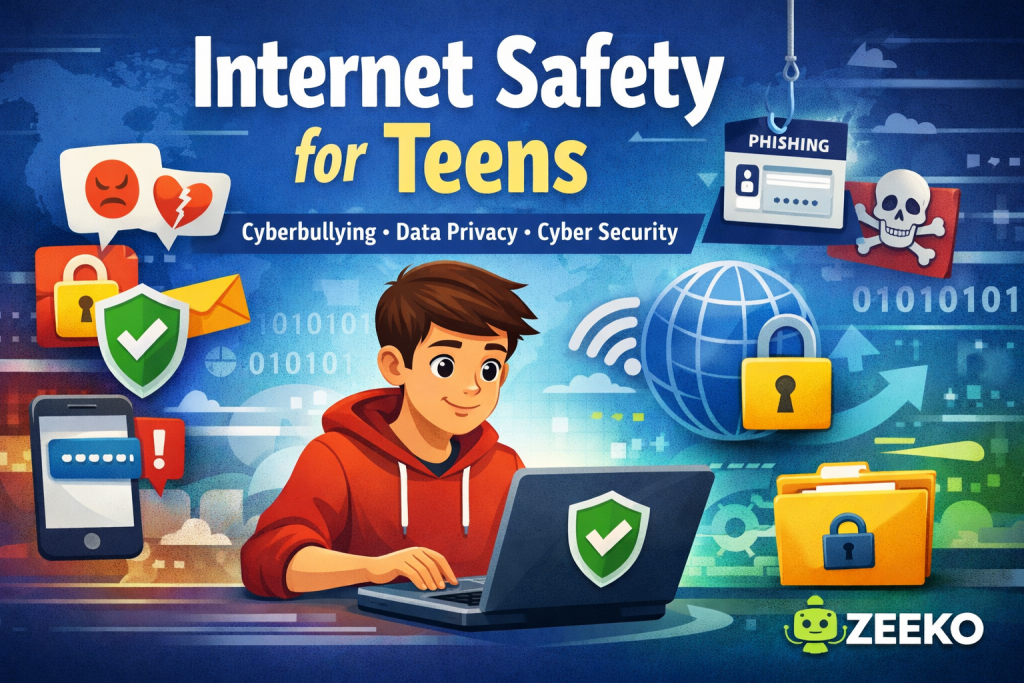
School internet safety requires robust network configurations, proactive monitoring software, and explicit behavioral guidelines that govern student device interaction. The modern digital footprint extends far beyond temporary messaging applications, permanently recording academic research habits, social interactions, and public forum commentary. Administrators must implement structured instructional modules regarding cyberbullying prevention to ensure interpersonal respect translates seamlessly from physical hallways to virtual chat rooms. Furthermore, maintaining device hygiene involves regular operating system updates, secure password management, and strict prohibition of unauthorized file downloads on institutional hardware. Balancing screen time during academic hours requires purposeful pedagogical integration where technology serves as a focused tool rather than a constant distraction.
Key Specifications and Breakdown
| Safety Pillar | Digital Risk Factor | Actionable Protective Habit |
|---|---|---|
| Digital Footprint | Permanent archiving of inappropriate social posts | Conducting routine self-audits and restricting sharing settings |
| Cyberbullying | Anonymous harassment across school messaging apps | Documenting malicious communications and reporting immediately |
| Device Hygiene | Malware infiltration via unsecured network downloads | Applying mandatory system updates and antivirus configurations |
Digital citizenship education must be embedded directly into daily curricula rather than treated as an isolated annual seminar — Cybersecurity & Infrastructure Security Agency (CISA)
Step-by-Step Practical Application and Guidelines
Establishing a secure digital learning culture requires a sequential framework starting with foundational policy adoption followed by continuous network monitoring. Schools begin by drafting explicit acceptable use policies that outline behavioral boundaries for all device users. Next, educational technologists deploy content-filtering firewalls to block malicious domains while permitting authorized educational platforms. Educators then integrate targeted lessons covering privacy settings, respectful communication, and critical evaluation of online sources. Finally, administrators conduct regular policy reviews alongside parents to address emerging digital trends, ensuring institutional guidelines adapt continuously to evolving technological landscapes. For supplementary teaching resources, educators frequently utilize materials found within Online and Digital Safety.
Common Challenges and How to Avoid Them
Over-reliance on unmonitored personal devices frequently compromises network security and distracts students from structured academic objectives. Educational institutions often struggle with shadow IT, where students bypass restrictive firewalls using unauthorized virtual private networks or proxy servers. To counteract these vulnerabilities, schools must enforce strict bring-your-own-device compliance standards and mandate institutional profile installations on all learning hardware. Additionally, mitigating screen fatigue requires intentional breaks where physical textbooks or offline discussions replace continuous display exposure. Teachers and parents must maintain open communication channels to detect early behavioral indicators of online distress before minor digital conflicts escalate into severe disciplinary or safety crises.
💬 Frequently Asked Questions
Explore More Kids Safety and Digital Citizenship Guides on SafeWiredSchools
Promoting a secure, empowering digital experience for adolescents requires ongoing collaboration between educators, parents, and administrative leaders. Comprehensive guidance documents, interactive learning modules, and classroom resources remain accessible through Safe Wired Schools. Stakeholders are encouraged to explore supplementary printable materials via Worksheets to reinforce essential online safety concepts every single day.
Visual Reference Gallery