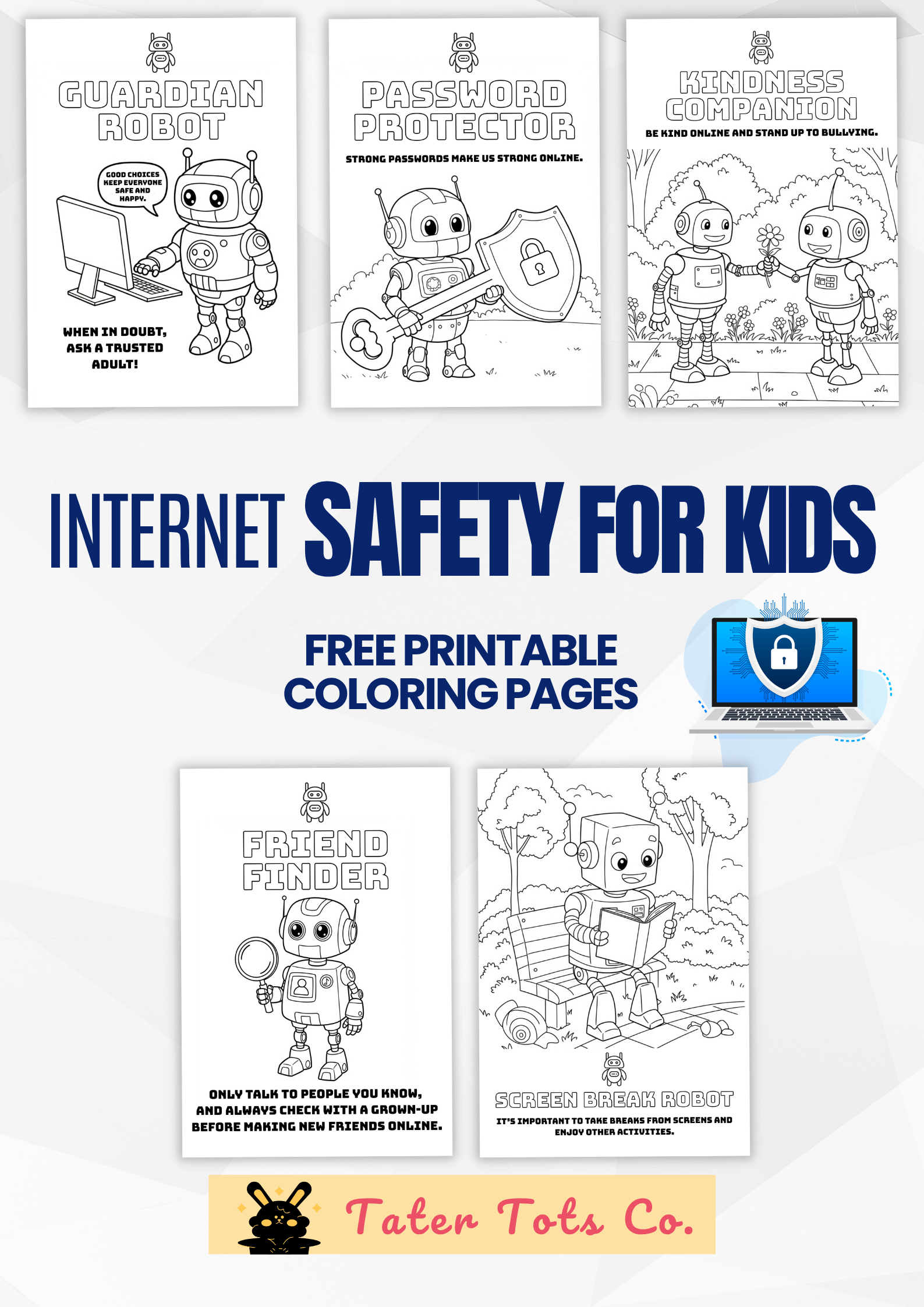
Why Hands-On Safety Tools Matter for Young Digital Citizens
Introducing foundational online boundaries to elementary and early-middle school students requires more than lecturing or handing out dry terms of service agreements. Young learners absorb concepts best when they can actively color, discuss, and personalize their rules of engagement. Utilizing a digital citizenship pledge coloring page kids activity bridges the gap between abstract internet safety theories and tangible everyday choices. Organizations like ConnectSafely and the Family Online Safety Institute (FOSI) emphasize that early intervention shapes healthy device habits long before children encounter complex cyber risks, making tactile classroom exercises an invaluable first line of defense. Related guide: Two Factor Authentication Coloring Page Kids.
💡 Activity Key Takeaways:
- Core Focus: Printable Digital Citizenship Pledge Coloring Page Kids designed for creative expression and fine-motor coordination.
- Target Scope: Ideal for toddlers, preschool, kindergarten, and classroom art activities.
- Best Recommendation: Use standard heavy printer paper (24–28 lb) or cardstock for vibrant results with crayons, colored pencils, or washable markers.
Technical Guardrails Matched with Creative Safety Signposts
Even the most engaging artistic activities cannot replace robust device management and parental controls. Adults must pair creative classroom lessons with concrete technical safeguards across home tablets, school Chromebooks, and messaging applications. The breakdown below highlights common vulnerabilities across typical student environments alongside immediate preventive measures.
| Setting / Context | Common Vulnerability | Practical Safeguard |
|---|---|---|
| Home Devices & Tablets | Unmonitored late-night browsing or unauthorized app store downloads | Enable safe search filters, lock down app store permissions, and establish a central overnight charging station outside bedrooms. |
| School Chromebooks & Portals | Accidental navigation to unvetted external sites or sharing login credentials | Reinforce school network filtering policies and teach students why passwords must never be shared with peers. |
| Social & Gaming Chat Features | Encountering unexpected direct messages or inappropriate user-generated content | Disable open public chat features in favorite games and teach children how to screenshot and report strange interactions immediately. |
Establishing Lasting Routines at Home and in the Classroom
Transforming safety concepts into permanent habits requires consistent reinforcement from both teachers and parents. When educators introduce a digital citizenship pledge coloring page kids lesson, they should send companion guides home so families can continue the conversation. Establish a shame-free reporting workflow where children know they can approach an adult if they stumble upon something upsetting online without fear of losing device privileges. Pair these discussions with practical printable resources found across our Coloring Pages collection and foundational modules in Internet and Digital Safety to keep messages engaging and age-appropriate.
Overcoming Resistance and Managing Common Student Workarounds
Tech-savvy children quickly discover workarounds when they feel over-regulated, whether clearing browser history, bypassing content filters, or using alternate web extensions. Overly strict, punitive bans often backfire, driving kids to hide their digital mistakes out of fear. Instead of relying purely on restrictive blocks, combine technical monitoring with calm, ongoing dialogue. When students understand the reasoning behind privacy settings and data protection—concepts frequently explored in our Online and Digital Safety archives—they are far more likely to cooperate and self-regulate when unsupervised.
Frequently Asked Questions About Creative Safety Lessons
What age group benefits most from a digital citizenship pledge coloring page kids activity?
Children in kindergarten through third grade respond best to tactile, creative exercises that introduce basic concepts like kindness, screen time balance, and password privacy.
How can teachers incorporate these coloring activities into an existing curriculum?
Educators can use these pages during technology orientation week, library media center sessions, or as a calming transitional activity that opens a larger discussion about online kindness.
Should parents require children to sign physical safety pledges?
Yes, signing a family technology agreement gives children a sense of ownership and accountability, making them active participants in their own online safety journey.
Empowering the Next Generation of Safe Internet Users
Building a resilient community of young digital citizens takes coordinated effort, patience, and the right mix of creative and technical tools. By combining interactive lessons with robust safety infrastructure, we empower kids to navigate virtual spaces with confidence and integrity. Discover more expert guides, classroom tools, and family resources by visiting SafeWiredSchools.org.
Printable Coloring Page Previews