Why Visual Learning Fosters Real Digital Awareness
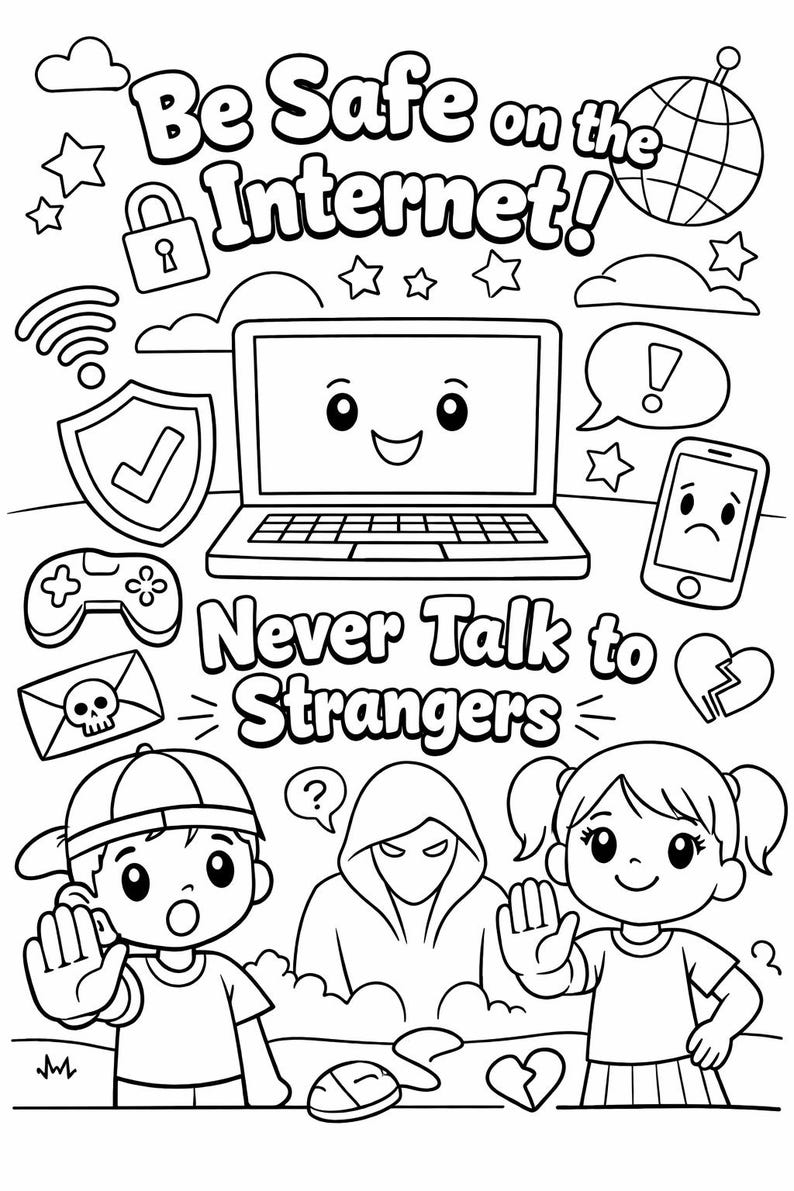
Introducing online safety concepts to early elementary and middle school students requires meeting them at their developmental level. When children sit down with an online safety rules coloring page printable, they are not just filling in shapes; they are actively processing foundational digital habits through creative engagement. Organizations like ConnectSafely and the Family Online Safety Institute emphasize that positive reinforcement and visual cues work far better than intimidating warnings. By turning essential internet rules into a collaborative art activity, parents and educators create a low-pressure environment where kids feel comfortable asking questions about online strangers, private data, and screen time balance.
💡 Activity Key Takeaways:
- Core Focus: Printable Online Safety Rules Coloring Page Printable designed for creative expression and fine-motor coordination.
- Target Scope: Ideal for toddlers, preschool, kindergarten, and classroom art activities.
- Best Recommendation: Use standard heavy printer paper (24–28 lb) or cardstock for vibrant results with crayons, colored pencils, or washable markers.
Children navigate a complex web of devices, ranging from home tablets to school-issued laptops. Recognizing early risk signals helps adults intervene before minor missteps turn into serious privacy breaches. The following breakdown maps common vulnerabilities across various digital contexts to corresponding preventive guardrails inspired by guidance from the Cybersecurity and Infrastructure Security Agency. Related guide: Safe Websites Meaning For Kids.
| Setting / Context | Common Vulnerability | Practical Safeguard |
|---|---|---|
| Home Tablets & Smartphones | Accidental in-app purchases or exposure to unvetted third-party video content through autoplay. | Enable strict app store password requirements, lock down parental controls, and utilize our Internet and Digital Safety guides for setup steps. |
| School Chromebooks & Tablets | Bypassing network filters or sharing school login credentials with peers during collaborative projects. | Establish clear classroom policy communication emphasizing that school accounts remain private, reinforced by regular digital citizenship Worksheets. |
| In-Game Chats & Messaging | Over-sharing personal details like home locations, school names, or age in public chat lobbies. | Review privacy settings together, encouraging children to use pseudonyms and discuss any uncomfortable interactions with a trusted adult. |
Actionable Steps for Integrating Creative Safety Exercises
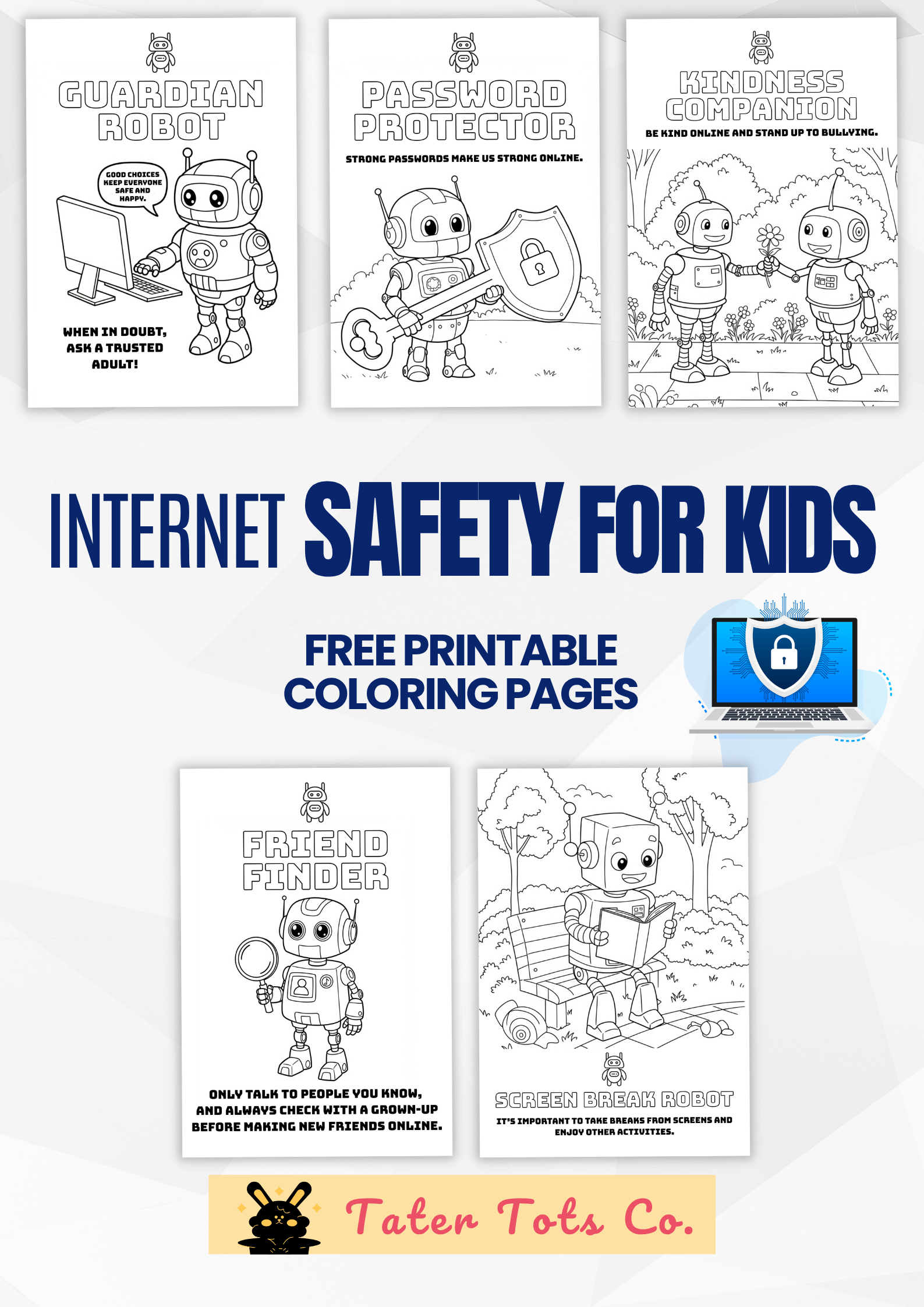
Transforming safety rules into daily habits involves combining hands-on learning with structural household and classroom routines. Start by downloading a dedicated online safety rules coloring page printable to use as a discussion prompt during family dinner or morning advisory periods. Hang the finished artwork near household charging stations or classroom computer carts as a daily visual reminder. Pair these creative sessions with technical safeguards such as centralized charging stations located in common family areas to eliminate late-night unsupervised browsing. Encourage an open-door policy where kids can report accidental exposure to inappropriate content or cyberbullying without fear of losing device privileges. For deeper lesson planning, educators can pair these activities with structured Coloring Pages that reinforce core digital citizenship values.
Overcoming Student Workarounds and Digital Pushback
Overly strict digital bans often backfire by driving student curiosity underground, prompting kids to seek out unmonitored workarounds, peer hotspots, or incognito browsing modes. Instead of relying solely on heavy-handed technical blocks, adults should focus on bridging the gap between technical enforcement and empathetic conversations. When students push back against screen limits or privacy rules, calmly explain the real-world reasoning behind the guidelines, such as identity protection and mental well-being. Using an online safety rules coloring page printable serves as a neutral icebreaker, allowing children to articulate their own thoughts about online etiquette and digital dilemmas without feeling interrogated.
Frequently Asked Questions About Creative Digital Safety
What age group benefits most from an online safety rules coloring page printable?
Children in kindergarten through third grade respond best to coloring pages because visual and tactile learning solidifies abstract digital concepts. However, older elementary students can also benefit by using more detailed sheets as a springboard for discussions about cyberbullying and password strength.
How can teachers incorporate these coloring activities into a busy curriculum?
Educators can integrate these printables into morning meeting routines, library media center orientations, or digital citizenship week modules. They require minimal prep time and double as colorful classroom displays that reinforce school-wide technology agreements.
Are printable coloring sheets enough to keep kids secure online?
Printables are educational entry points, not standalone security solutions. They must be paired with active parental monitoring, reliable device-level network filters, and ongoing, calm conversations about online behavior as children grow older.
Empowering the Next Generation of Digital Citizens
Equipping children with the knowledge to navigate the internet safely requires a balanced blend of open communication, robust technical controls, and creative teaching tools. By turning critical digital boundaries into engaging learning moments, adults build trust and resilience in young internet users. To discover more expert-backed strategies, lesson plans, and classroom tools, visit SafeWiredSchools.org to support your students’ digital journey.
Printable Coloring Page Previews