Why Early Tech Boundaries Begin with Creative Play
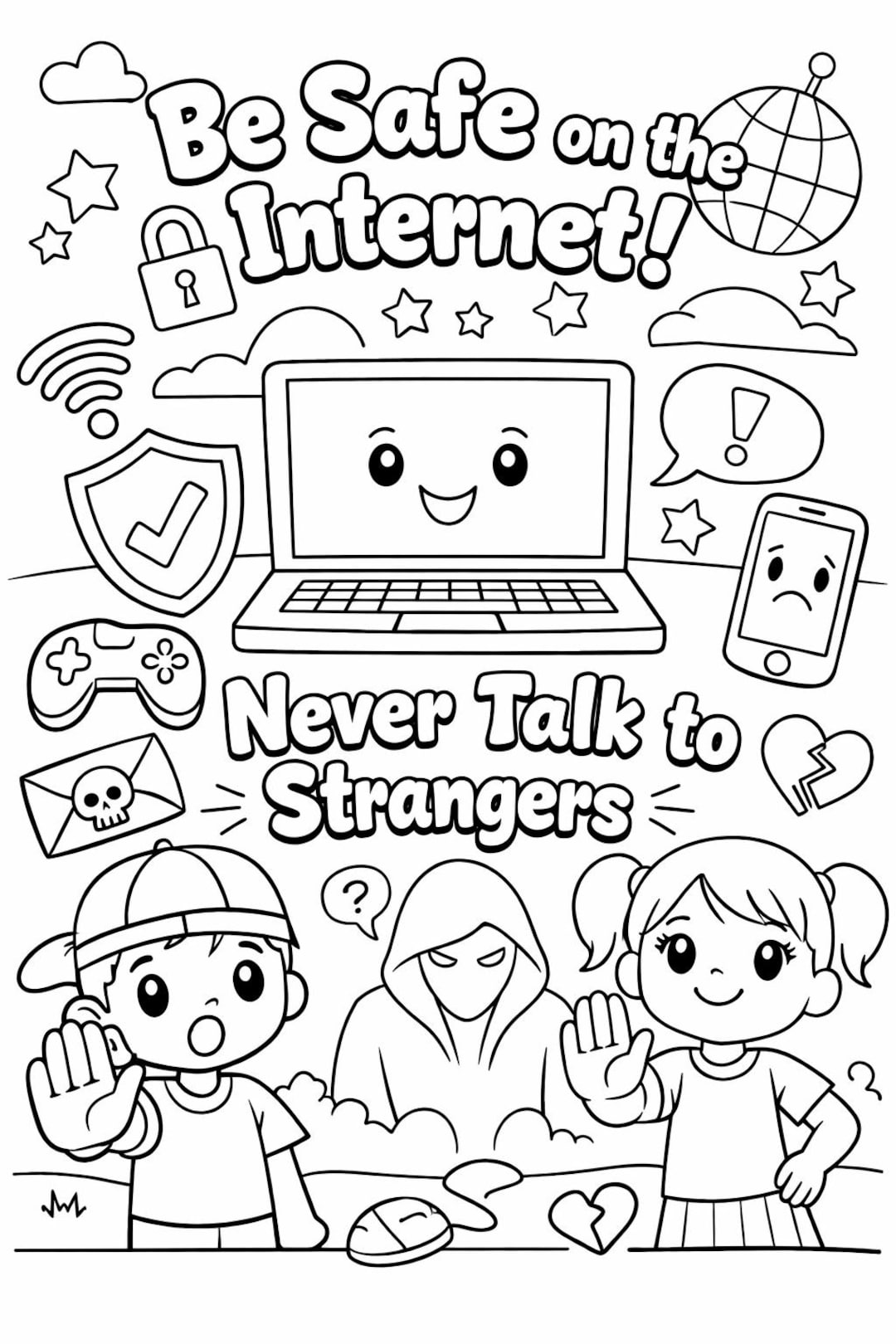
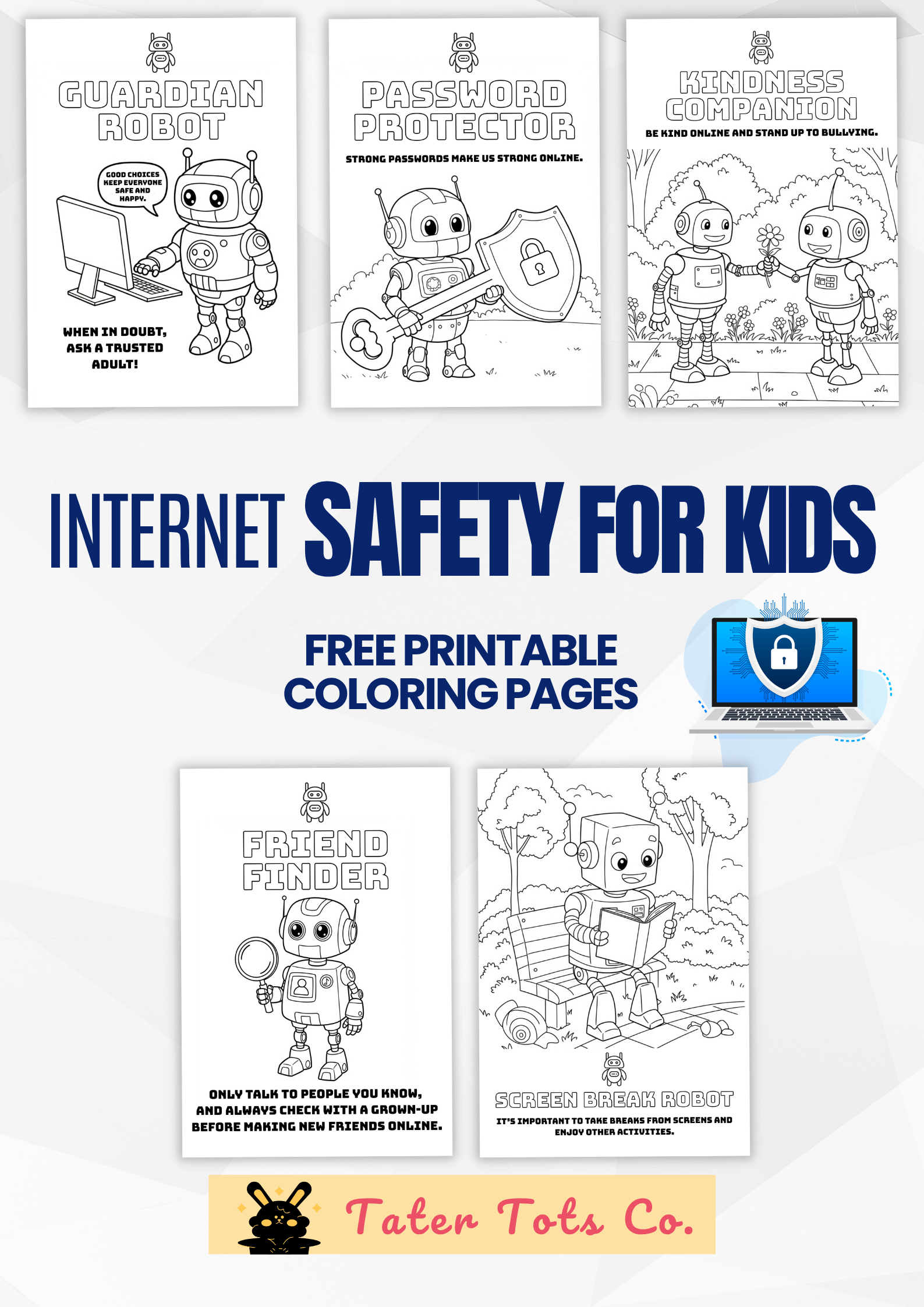
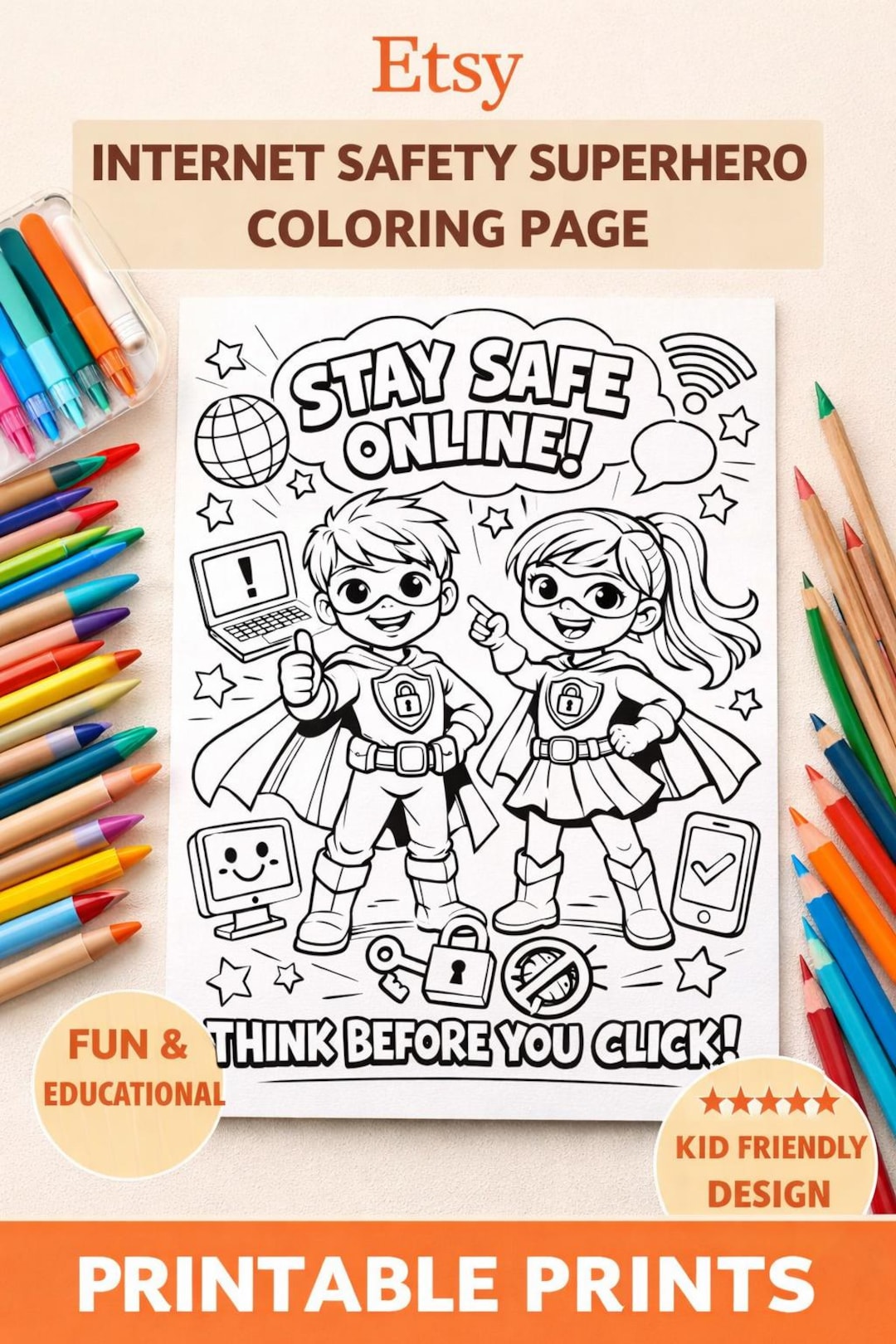
As children begin navigating shared family tablets and school-issued Chromebooks at younger ages, introducing fundamental digital literacy requires approaches that fit their developmental stage. Organizations like ConnectSafely and the Family Online Safety Institute emphasize that early preventive education works best when it is non-threatening, conversational, and accessible. Using internet safety coloring sheets free printable resources allows educators and parents to introduce vital concepts like personal privacy, password security, and kind online behavior without overwhelming young minds. By blending art with foundational rules, children engage their creative focus while absorbing actionable safety habits.
💡 Activity Key Takeaways:
- Core Focus: Printable Internet Safety Coloring Sheets Free Printable designed for creative expression and fine-motor coordination.
- Target Scope: Ideal for toddlers, preschool, kindergarten, and classroom art activities.
- Best Recommendation: Use standard heavy printer paper (24–28 lb) or cardstock for vibrant results with crayons, colored pencils, or washable markers.
Balancing Creativity with Digital Awareness
While offline activities provide a comforting break from screens, they must be paired with clear device guardrails and active supervision. Adults frequently struggle to balance the convenience of modern educational tools with the hidden risks of unsupervised browsing, ad trackers, and premature social media exposure. Understanding the interplay between physical device settings and behavioral guidance helps bridge the gap between home environments and classroom expectations. The following breakdown highlights common digital vulnerabilities across different age groups and outlines practical safeguards to protect young users. Related guide: Please Provide Free 8.5″X11″ Digital Safety Coloring Pages For K-2 Grade.
| Setting / Context | Common Vulnerability | Practical Safeguard |
|---|---|---|
| Home Tablets & Phones | Accidental in-app purchases and exposure to age-inappropriate algorithmic recommendations. | Lock down app store purchasing permissions, enable strict parental controls, and establish shared-space charging zones overnight. |
| School Chromebooks & Tablets | Bypassing web filtering extensions during independent study time or unstructured periods. | Regularly review browser history alongside students, and coordinate with IT staff via our Internet and Digital Safety hub to maintain uniform expectations. |
| In-Game Chats & Messaging | Interacting with unverified strangers or encountering inappropriate peer pressure in multiplayer environments. | Disable direct messaging and voice chat features on open platforms, and reinforce concepts found in interactive Worksheets designed for reflection. |
Establishing Calm Routines at Home and in the Classroom
Effective digital citizenship is built on consistency rather than reactive punishment. Educators and parents can establish collaborative routines by integrating internet safety coloring sheets free printable activities into morning advisory periods or rainy-day crafts. Use these creative sessions to launch calm conversations about what to do if a pop-up window appears or if a peer shares something uncomfortable online. Emphasize that reporting a scary or confusing digital encounter will never result in losing device privileges. Furthermore, pairing these tactile lessons with structured visual guides from our Coloring Pages collection reinforces essential rules like never sharing home addresses, full names, or school locations with online strangers.
Overcoming Student Workarounds and Pushback
Children are naturally curious and often discover creative ways around strict technical blocks, such as using proxy sites or deleting browsing history. When adults react with anger or immediate blanket bans, kids simply learn to hide their digital activities underground. Instead, treat these moments as teachable windows. Pair your technical filters with transparent check-ins that explain *why* certain sites are restricted. When students understand that safety measures exist to protect their privacy and emotional well-being rather than to control them, they are far more likely to approach a trusted adult when something goes wrong online.
Frequently Asked Questions About Creative Digital Safety
At what age should children start learning about digital footprints and online safety?
Basic digital footprint awareness can begin as early as kindergarten or first grade. Simple concepts like keeping personal information private and treating others kindly in virtual spaces lay the groundwork for advanced cybersecurity education later on.
How can teachers use printable activities without taking away from core academic subjects?
Printable safety sheets integrate seamlessly into art classes, morning meetings, or literacy centers. They provide a quiet, focused medium for students to process safety guidelines while practicing fine motor skills.
Are free online printables safe to download from any educational website?
Adults should always download safety resources from trusted, verified organizational domains that prioritize child privacy and do not require unnecessary personal data collection or aggressive pop-up advertisements.
Explore More Digital Citizenship Resources
Empowering the next generation of digital citizens requires ongoing support, up-to-date guidance, and reliable teaching tools. Visit SafeWiredSchools.org to discover a comprehensive library of educator-vetted articles, printable worksheets, and safety strategies designed for modern families and classrooms.
Printable Coloring Page Previews