Introduction
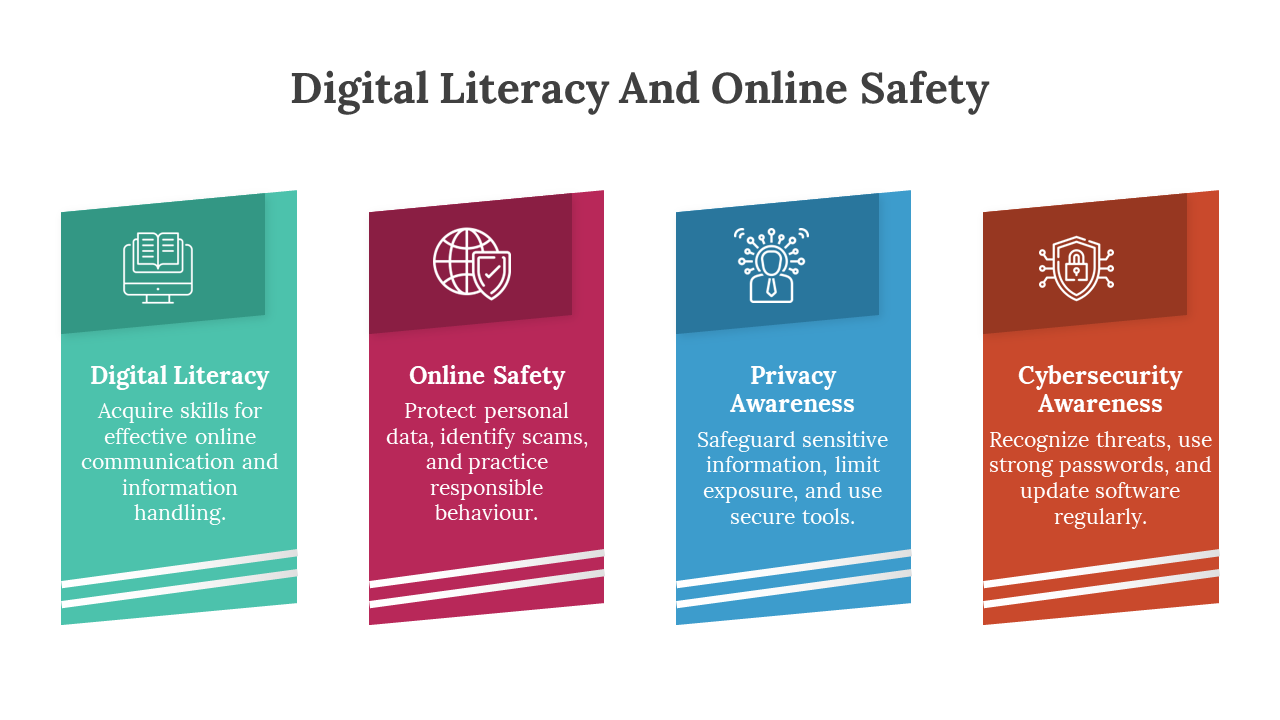
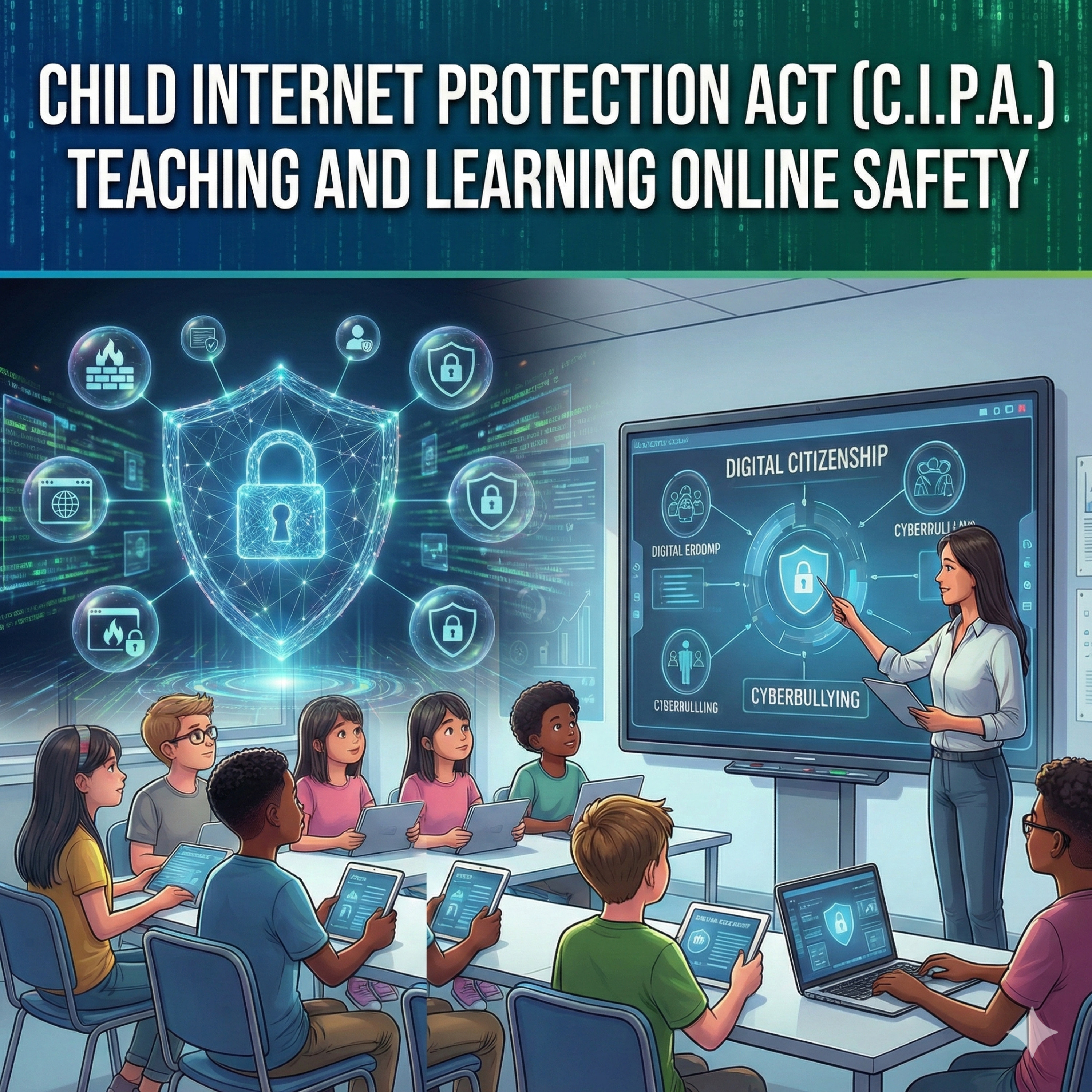
A digital literacy and online safety program provides structured educational frameworks that teach students how to navigate cyberspace securely, ethically, and responsibly. According to the Family Online Safety Institute (FOSI), equipping minors with practical risk-management skills significantly reduces negative online encounters while fostering positive digital citizenship. Educational institutions, parents, and community stakeholders share the critical responsibility of implementing these foundational curricula across modern learning environments. Integrating comprehensive guidance on digital footprints, cyberbullying prevention, device hygiene, and screen balance prepares middle school students for safe, productive engagement with online technology. Exploring comprehensive resources within Internet and Digital Safety helps educators establish reliable safety baselines across every classroom.
Digital Safety Snapshot:
- Core Focus: Systematic instruction in cyber safety, ethical behavior, and responsible technology use for adolescents.
- Target Scope: Middle school classrooms, home learning environments, and administrative infrastructure.
- Key Recommendation: Combine technical firewall safeguards with active student dialogue to build lasting habits.
Core Principles and Detailed Overview
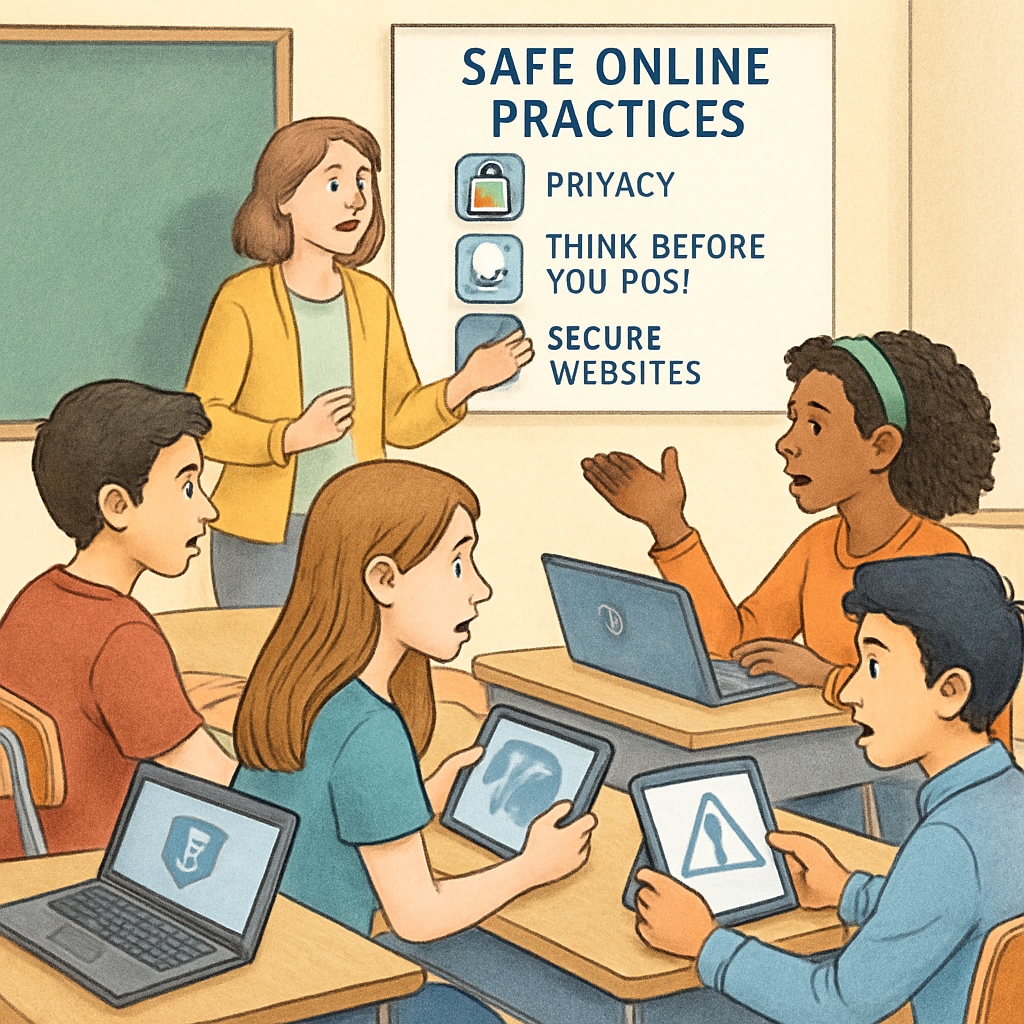
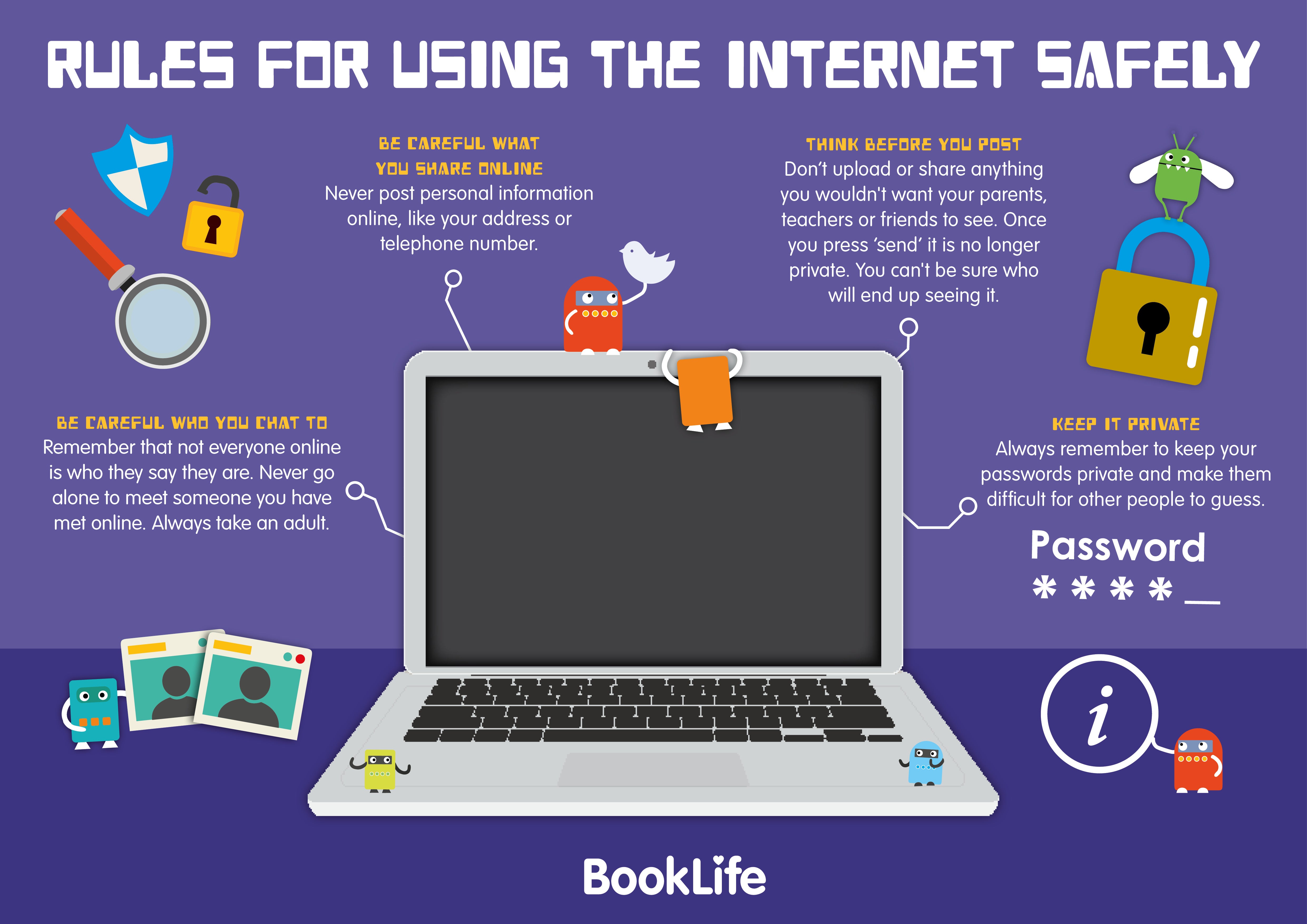
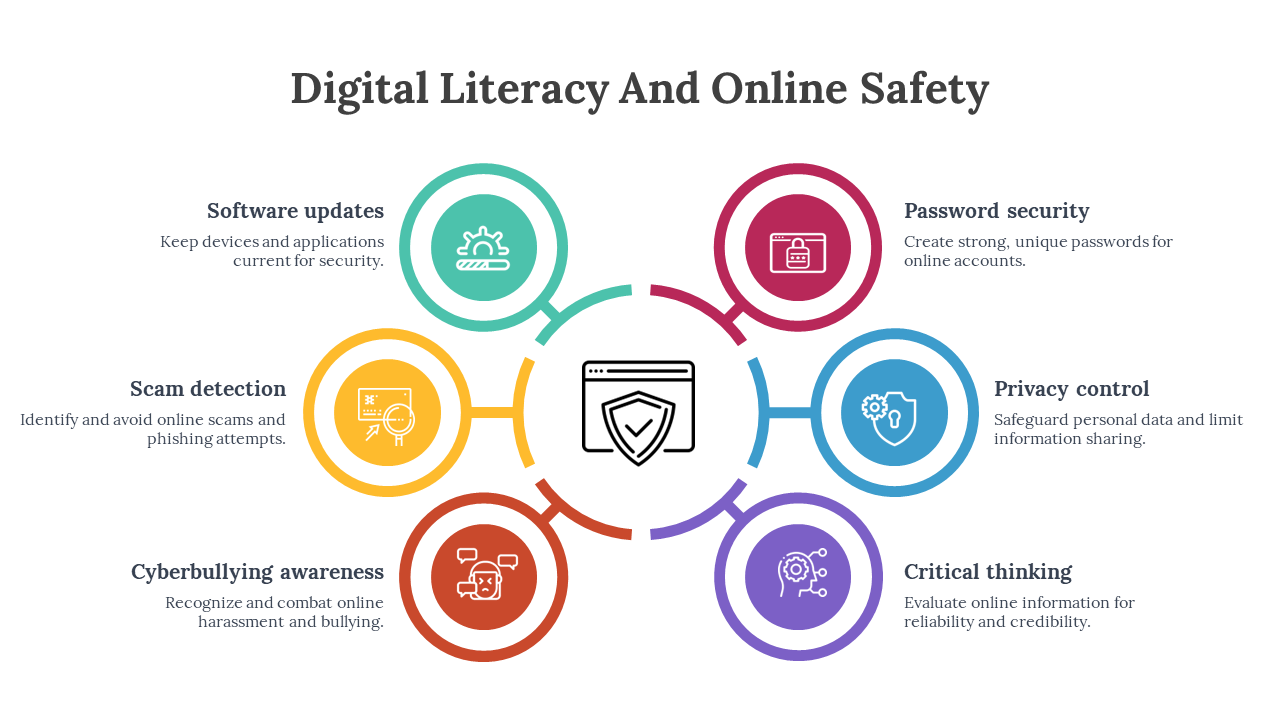
A comprehensive digital literacy and online safety program centers on empowering students to recognize online hazards, protect personal information, and communicate respectfully in virtual spaces. Student digital footprints permanently record every online interaction, making early education on privacy settings and content permanence essential for future academic and professional success. Cyberbullying prevention relies heavily on cultivating empathy, enforcing zero-tolerance school policies, and establishing anonymous reporting mechanisms for targeted individuals. Device hygiene practices—such as recognizing phishing attempts, utilizing strong multi-factor authentication, and maintaining updated operating systems—protect institutional networks and personal hardware from malware infiltration. Additionally, maintaining classroom screen balance ensures that students engage in healthy offline activities, preventing digital fatigue and supporting optimal cognitive development during formative developmental years. Practical classroom implementation often incorporates interactive Worksheets designed to reinforce these critical lessons through guided student exercises.
Key Specifications and Breakdown
| Safety Pillar | Digital Risk Factor | Actionable Protective Habit |
|---|---|---|
| Digital Footprint | Permanent archiving of inappropriate media | Audit privacy settings and pause before posting |
| Cyberbullying | Harassment via messaging and social platforms | Document evidence, block perpetrators, and report incidents |
| Device Hygiene | Malware downloads and credential theft | Update software regularly and avoid unauthorized links |
Proactive digital citizenship instruction combined with technical monitoring significantly mitigates adolescent online vulnerabilities. — Cybersecurity & Infrastructure Security Agency (CISA)
Step-by-Step Practical Application and Guidelines
Implementing an effective digital literacy and online safety program requires a collaborative, phased approach involving educators, parents, and school administrators. First, establish clear, enforceable acceptable use policies that outline behavioral expectations for every school-issued device and network connection. Second, integrate foundational safety modules directly into daily lesson plans, utilizing educational Online and Digital Safety training materials to engage students actively. Third, conduct regular device maintenance audits and schedule recurring workshops focusing on password management and privacy awareness. Fourth, create transparent communication channels where students feel secure reporting suspicious online behavior or cyber harassment without fear of punitive action. Finally, partner with families by sharing educational resources like downloadable Coloring Pages and family discussion guides to ensure consistent safety messaging carries over into the home environment.
Common Challenges and How to Avoid Them
Overcoming student disengagement and rapidly evolving online trends represents the primary hurdle for administrators developing a digital literacy and online safety program. Educators frequently encounter passive resistance when safety curricula rely solely on fear-based messaging rather than empowering, skill-building exercises. To prevent this, schools must adopt dynamic, scenario-based learning models that reflect real-world adolescent digital interactions, such as managing online peer pressure or verifying information credibility. Another common pitfall involves inconsistent policy enforcement across different classrooms, which creates confusion regarding acceptable digital conduct. Establishing school-wide accountability standards and providing ongoing professional development for teachers ensures uniform application of online safety protocols. Furthermore, balancing instructional screen time with mandatory unplugged intervals prevents digital burnout and encourages healthier cognitive habits among middle school students.
💬 Frequently Asked Questions
Explore More Kids Safety and Digital Citizenship Guides on SafeWiredSchools
Empowering the next generation requires continuous access to reliable, expert-backed educational materials for educators, parents, and school administrators alike. Discover comprehensive digital citizenship frameworks, classroom activity packets, and preventative safety strategies by exploring the central library at Safe Wired Schools.
Visual Reference Gallery