Introduction
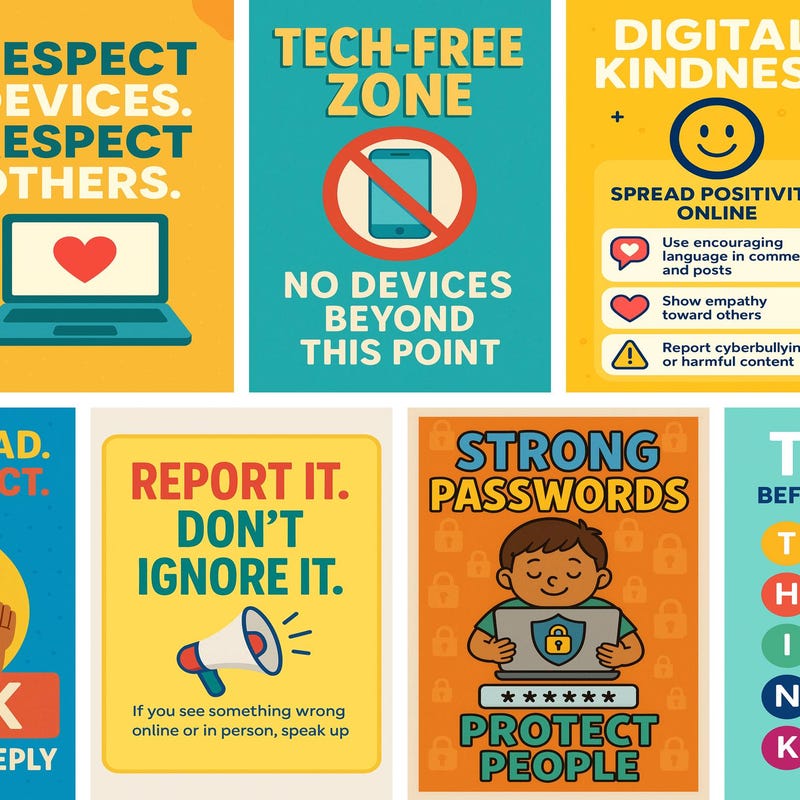
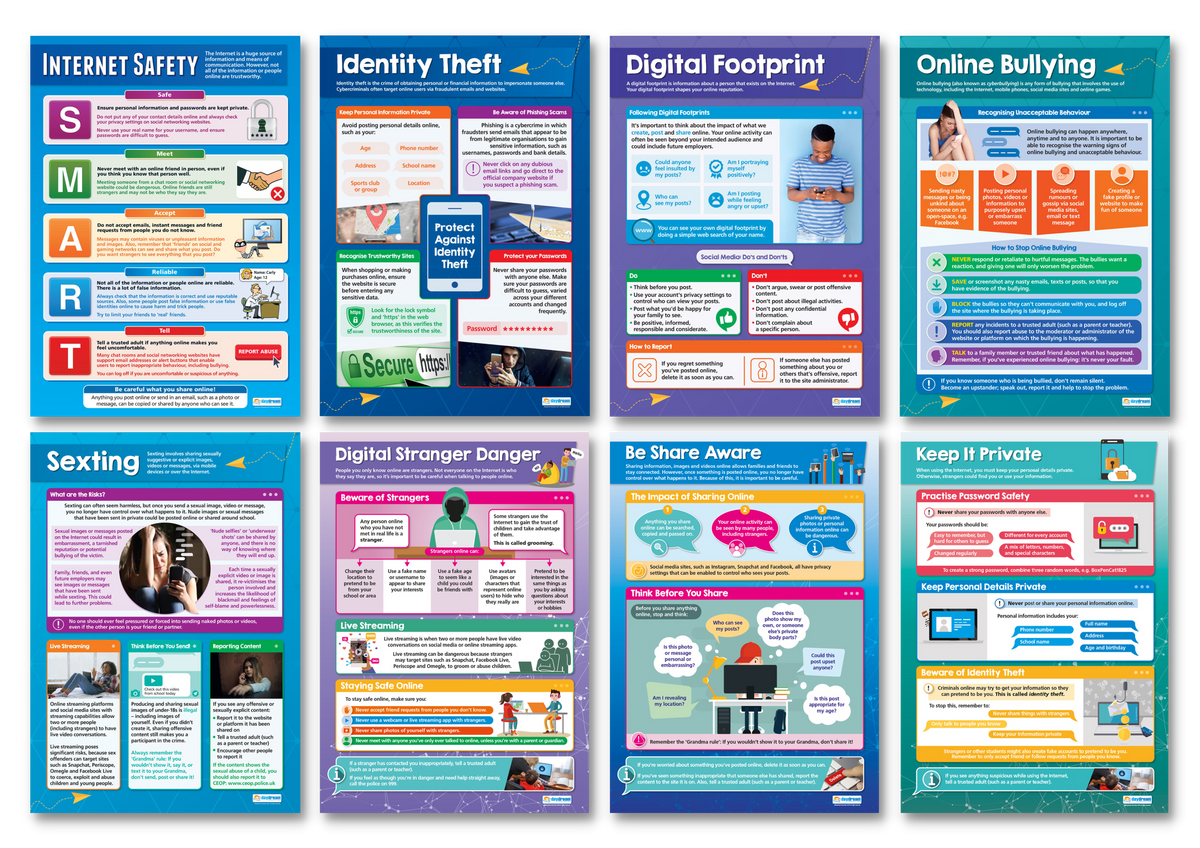
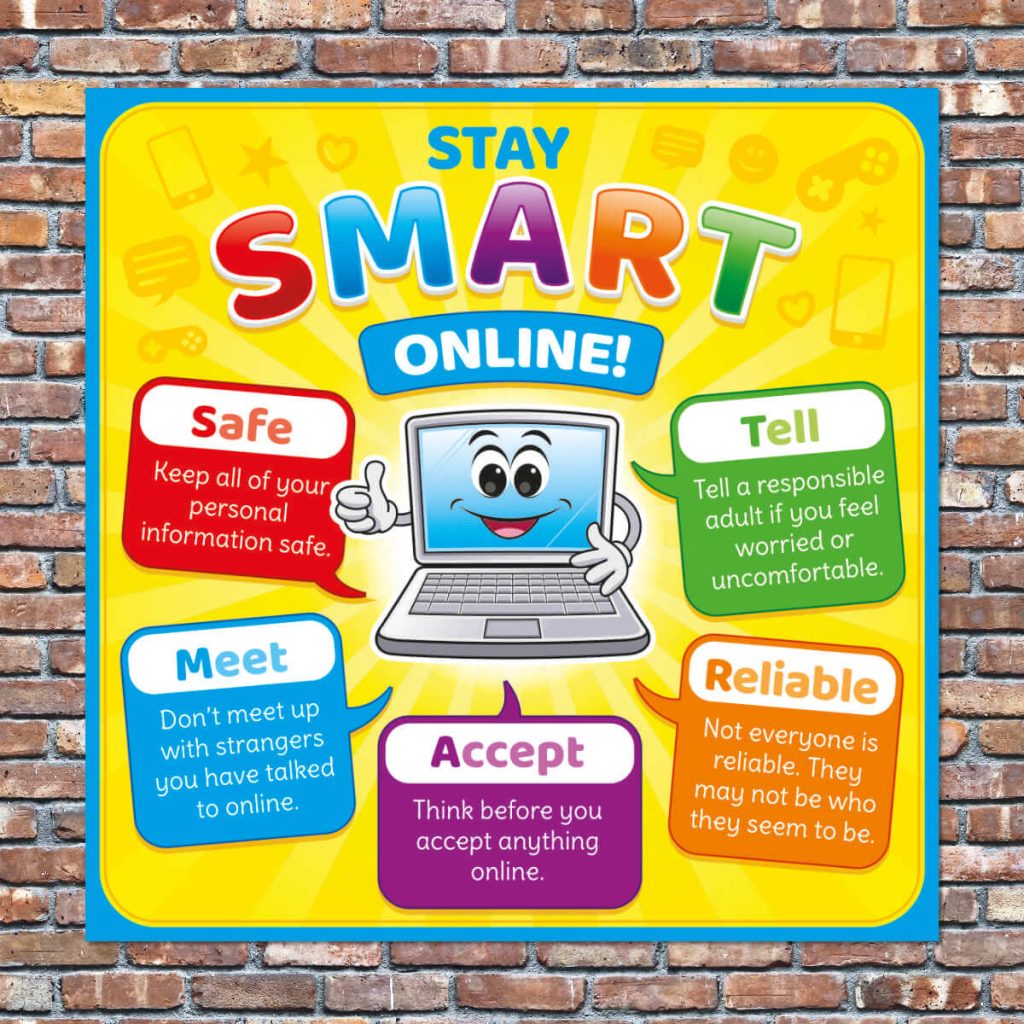
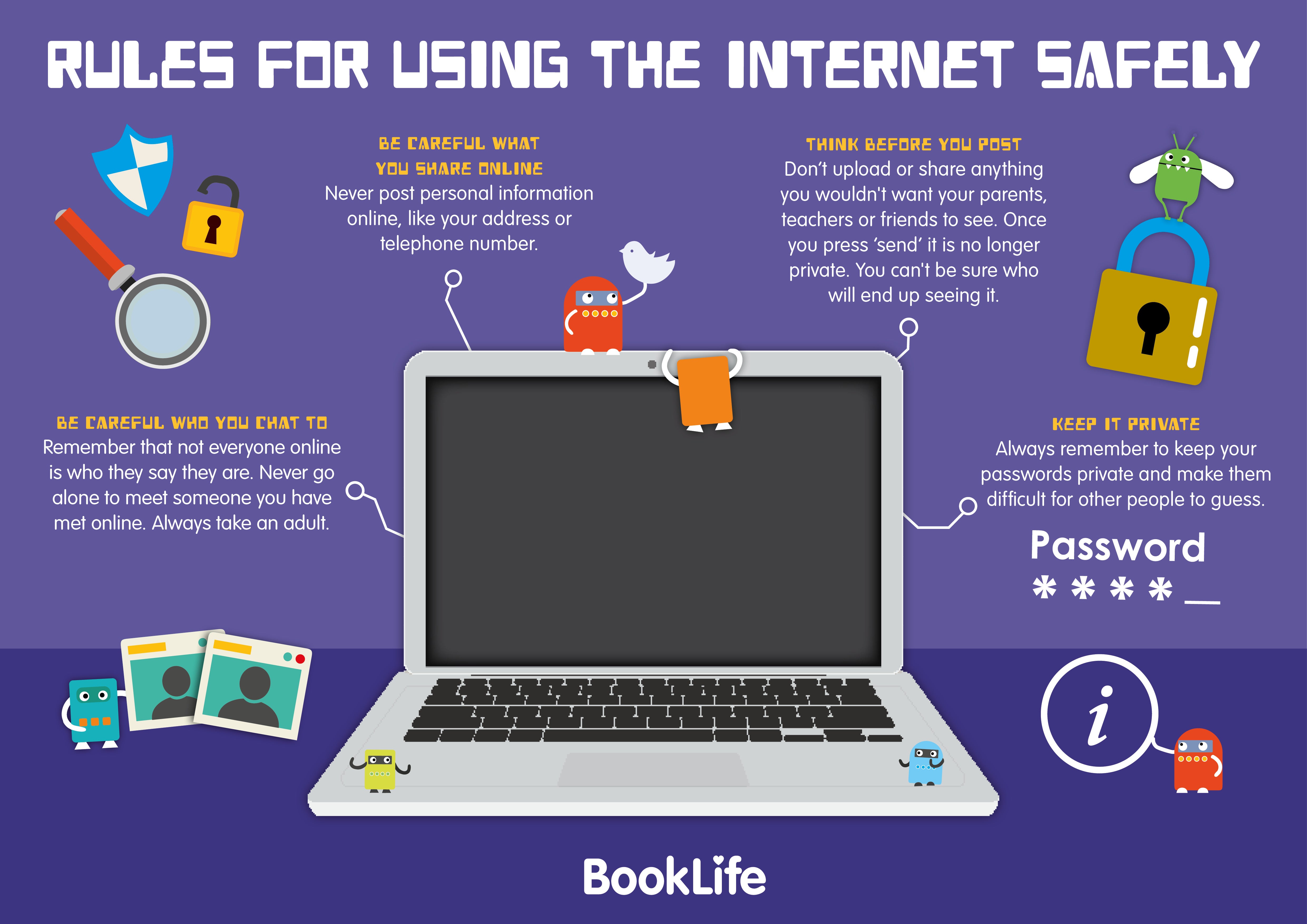
A digital literacy and online safety poster serves as a prominent visual anchor in classrooms and media centers, reinforcing critical cyber safety habits for middle school students, teachers, and administrators. According to ConnectSafely, proactive visual reminders in educational spaces significantly improve adolescent retention of secure browsing practices, password management, and respectful communication. Establishing consistent digital standards across school facilities requires merging authoritative resources like Internet and Digital Safety modules with everyday learning tools. Visual teaching aids bridge the gap between abstract policy guidelines and daily digital actions, cultivating resilient and responsible digital citizens across campus networks.
Digital Safety Snapshot:
- Core Focus: Visual reinforcement of cyber hygiene, digital footprints, and respectful communication via a digital literacy and online safety poster.
- Target Scope: Middle school classrooms, computer labs, and administrative hallways utilized by educators, students, and parents.
- Key Recommendation: Display high-contrast, actionable safety graphics in high-traffic zones to promote continuous mindfulness.
Core Principles and Detailed Overview
Visual communication strategies for internet safety rely on distilling complex cybersecurity frameworks into digestible, memorable takeaways for adolescent learners. A well-designed digital literacy and online safety poster addresses fundamental school-site vulnerabilities, including the permanence of the student digital footprint, the mechanics of cyberbullying prevention, hardware maintenance, and healthy screen-time boundaries. Integrating dynamic educational assets such as targeted Worksheets alongside physical displays transforms passive observation into active digital citizenship engagement. Schools must ensure that posters communicate positive behavioral expectations rather than relying exclusively on restrictive warnings, fostering an environment of trust and technological empowerment.
Key Specifications and Breakdown
| Safety Pillar | Digital Risk Factor | Actionable Protective Habit |
|---|---|---|
| Digital Footprint | Permanent archiving of unwise social posts or forum comments | Pause before posting and evaluate the long-term impact on future academic or professional opportunities. |
| Cyberbullying Prevention | Anonymous harassment, exclusion, or digital intimidation | Document harmful interactions via screenshots and report incidents immediately to trusted educators or administrators. |
| Device Hygiene | Malware infiltration, poor password security, and physical hardware damage | Log out of shared accounts completely, update operating systems regularly, and store devices safely. |
Visual communication aids significantly reinforce cybersecurity awareness and encourage positive reporting behaviors among adolescent students. — Cybersecurity & Infrastructure Security Agency (CISA)
Step-by-Step Practical Application and Guidelines
Implementing visual safety campaigns effectively demands strategic placement, inclusive design, and integration with broader academic curricula. Educational stakeholders should begin by selecting or designing a digital literacy and online safety poster that highlights specific school rules regarding device usage, data privacy, and respectful online dialogue. Next, position these informational displays directly adjacent to student charging stations, computer lab entrances, and library media desks where technology interaction peaks. Supplementing these visual tools with creative assets like Coloring Pages for younger cohorts or interactive discussion prompts ensures that students at varying developmental stages internalize core protective concepts. Finally, review and rotate poster messaging bi-annually to address emerging digital trends, such as safe artificial intelligence utilization and advanced phishing avoidance.
Common Challenges and How to Avoid Them
Ineffective placement, outdated messaging, and text-heavy layouts frequently limit the behavioral impact of physical safety displays in schools. Administrators often make the mistake of placing posters in low-traffic hallways or utilizing overly dense text that adolescent learners ignore. Overcoming these barriers requires employing high-contrast designs, bold iconography, and concise bullet points that convey critical rules at a glance. Educators must also ensure that the content on any digital literacy and online safety poster directly aligns with current school district acceptable use policies, eliminating mixed signals regarding device hygiene and classroom screen balance.
💬 Frequently Asked Questions
Explore More Kids Safety and Digital Citizenship Guides on SafeWiredSchools
Empowering students to navigate the online world responsibly requires a comprehensive, multi-layered approach supported by continuous educational resources. Educators, parents, and school administrators can discover an extensive library of evidence-based safety guides, classroom activities, and administrative frameworks by visiting Safe Wired Schools. Utilizing these specialized tools guarantees that school communities remain equipped to foster safe, literate, and confident digital citizens.
Visual Reference Gallery