Introduction
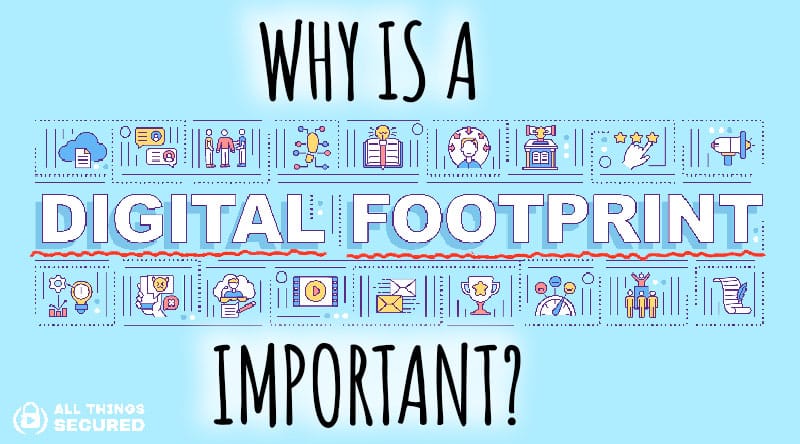
Digital footprints start forming long before children type their first formal essays or send independent emails. Often, a footprint begins in toddlerhood through family photo albums shared online, evolving into gaming tags, avatar creations, and video platform comments by early elementary school. Children navigate shared household tablets, school-issued laptops, and in-game chat features daily, often treating virtual spaces as temporary playgrounds where actions vanish instantly. Teaching young learners that online actions leave lasting traces requires patience, visual learning tools, and non-judgmental guidance. The free printable “why is digital footprint important for kids” provides an approachable starting point for discussing online permanence without instilling fear. Integrating these concepts into daily routines helps students build lifelong protective habits, such as keeping personal information private and pausing before sharing content. Related guide: Teachers Of Grades 9–12 Should Expand Internet Safety Instruction To Include Which Of The Following Topics?.
💡 Educational Key Takeaways:
- Core Skill: Structured Why Is Digital Footprint Important For Kids focused on developing pencil grip, stroke control, and early literacy/math confidence.
- Target Scope: Suited for homeschoolers, preschool, kindergarten, and elementary learners.
- Best Recommendation: Practice 10–15 minutes daily with ergonomic writing tools to reinforce muscle memory without hand fatigue.
What This Printable Covers
Visual worksheets bridge the gap between abstract internet concepts and concrete childhood experiences. This specific printable introduces the metaphor of footprints in sand, translating intangible data trails into something a five-year-old or ten-year-old can easily visualize. Activities within the resource guide learners through distinguishing between temporary interactions and permanent records, such as public comments versus private messages. The exercises emphasize foundational digital citizenship skills, including recognizing what constitutes private information like home addresses, full names, and school locations. Through guided reflection prompts, children explore how choosing strong passwords and thinking critically before posting protects their digital reputations. Educators often pair these exercises with foundational lessons found across various educational printables for students to reinforce comprehension.
Key Learning Outcomes
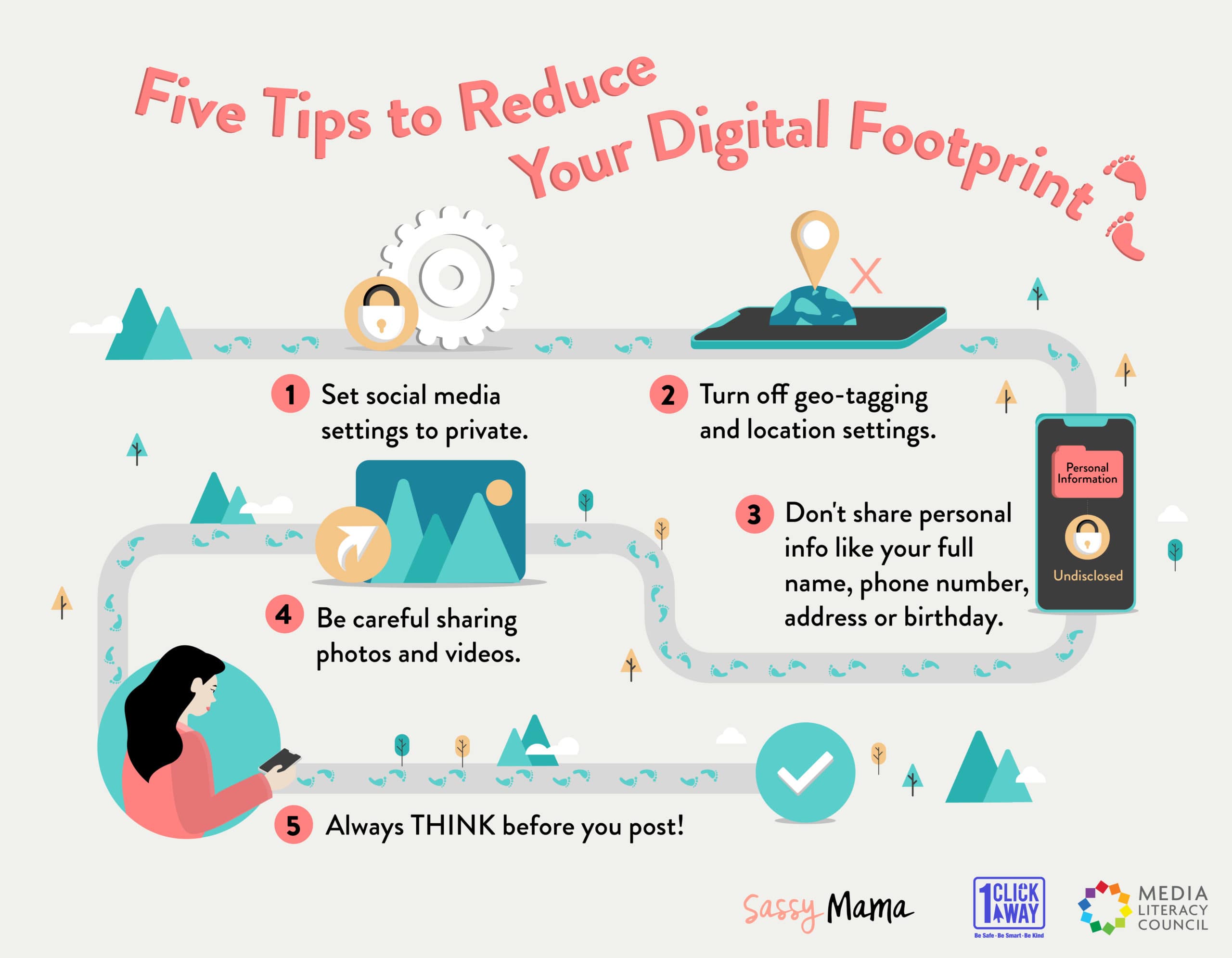
Working through the activity sheet empowers students to identify the permanence of online content. Children learn that deleting a comment or photo does not always erase it completely, mirroring how physical footprints remain behind long after someone walks away. Another vital outcome involves reinforcing the safety net: reinforcing that children are never in trouble for reporting something uncomfortable or confusing online. Recognizing trusted adults at home and school creates a reliable safety buffer when unexpected digital situations arise. These lessons align closely with broader topics covered in comprehensive online and digital safety curricula designed for elementary classrooms.
How to Use This Printable
Flexibility defines the best educational tools, and this resource fits seamlessly into morning meetings, counseling sessions, or kitchen table discussions. Adults can introduce the worksheet by asking open-ended questions about what it means to leave a mark in the real world, then connecting that concept to virtual gaming worlds or shared family devices. Coloring and structured writing prompts slow down the decision-making process, giving developing brains time to process cause and effect. It sounds simple, and that is the exact point. Removing technical jargon lets children focus on core values like kindness, privacy, and mindful sharing. For supplementary activities that build similar habits, exploring trusted internet and digital safety modules provides endless inspiration.
Practical Tips for Parents and Teachers
Fostering a productive conversation requires keeping the tone calm, curious, and empowering rather than punitive. Adults should avoid hovering anxiously over every screen interaction, choosing instead to check in regularly and review the printable together during low-stress moments. Role-playing scenarios printed on the page helps children practice what to do if a peer asks for personal details in an in-game chat. Celebrating thoughtful answers reinforces positive behavior and encourages kids to approach adults proactively whenever online situations feel unclear. Creating an environment where curiosity is welcomed ensures children feel safe asking questions about privacy settings or weird pop-ups without fear of losing device privileges.
Age-Appropriate Recommendations
Tailoring digital citizenship concepts to developmental stages ensures maximum retention and engagement. Kindergarten and first-grade students benefit from drawing pictures of safe versus unsafe sharing choices, focusing heavily on basic personal information boundaries. Upper elementary students aged nine to twelve can analyze fictional digital footprint scenarios, discussing the long-term social impacts of online choices. This progressive approach directly supports the framework outlined in the Common Sense Education Digital Citizenship Curriculum, which emphasizes age-graded competencies in privacy, security, and media balance. According to Common Sense Media, children engage with digital media at increasingly younger ages, making early, structured habit-building essential for long-term online well-being.
Young children frequently encounter digital tracking and interactive environments through shared household devices and popular gaming platforms long before entering middle school. — Pew Research Center
Frequently Asked Questions
Finding clear answers helps adults implement digital safety lessons effectively at home and in the classroom. The frequently asked questions below address common logistics and educational goals associated with the printable resource. Clear guidance ensures smooth integration into existing lesson plans and family routines.
Explore More Free Kids Online Safety Printables
Expanding a child’s digital literacy toolkit requires a variety of engaging formats and consistent reinforcement. Beyond the footprint worksheet, educators and caregivers can access diverse materials that cover password strength, cyber kindness, and device boundaries. Integrating these tools alongside creative resources like coloring pages keeps digital citizenship discussions fresh, accessible, and positive for young learners.
Developmental Milestone & Activity Table
| Development Stage | Recommended Daily Duration | Primary Learning Objective |
|---|---|---|
| Preschool & Pre-K | 10 – 15 Minutes | Pencil grip development & basic pre-stroke lines |
| Kindergarten | 15 – 20 Minutes | Letter/number formation & spatial line awareness |
| Early Elementary (Grade 1–2) | 20 – 30 Minutes | Fluency, sentence construction & neatness |
Images References