Introduction
Early adolescence brings rapid social expansion, shifting how children navigate digital environments. Classrooms and living rooms now serve as launchpads where preteens encounter complex online spaces through shared household tablets, multiplayer gaming chat rooms, and mainstream video platforms. Modern middle schoolers do not experience the internet simply as passive readers; they are active creators, collaborators, and communicators. Guiding this demographic requires structured frameworks that turn abstract rules into tangible competencies. The free printable outlining what topics should be included in an internet safety project for 8th grade provides educators and families with a reliable roadmap for these vital discussions. Safety is built through consistent, empowering skill development rather than fear-based restriction. Exploring the Internet and Digital Safety hub reveals additional strategies tailored for growing minds.
💡 Educational Key Takeaways:
- Core Skill: Structured What Topics Should He Included In An Internet Safety Project For 8Th Grade focused on developing pencil grip, stroke control, and early literacy/math confidence.
- Target Scope: Suited for homeschoolers, preschool, kindergarten, and elementary learners.
- Best Recommendation: Practice 10–15 minutes daily with ergonomic writing tools to reinforce muscle memory without hand fatigue.
What This Printable Covers
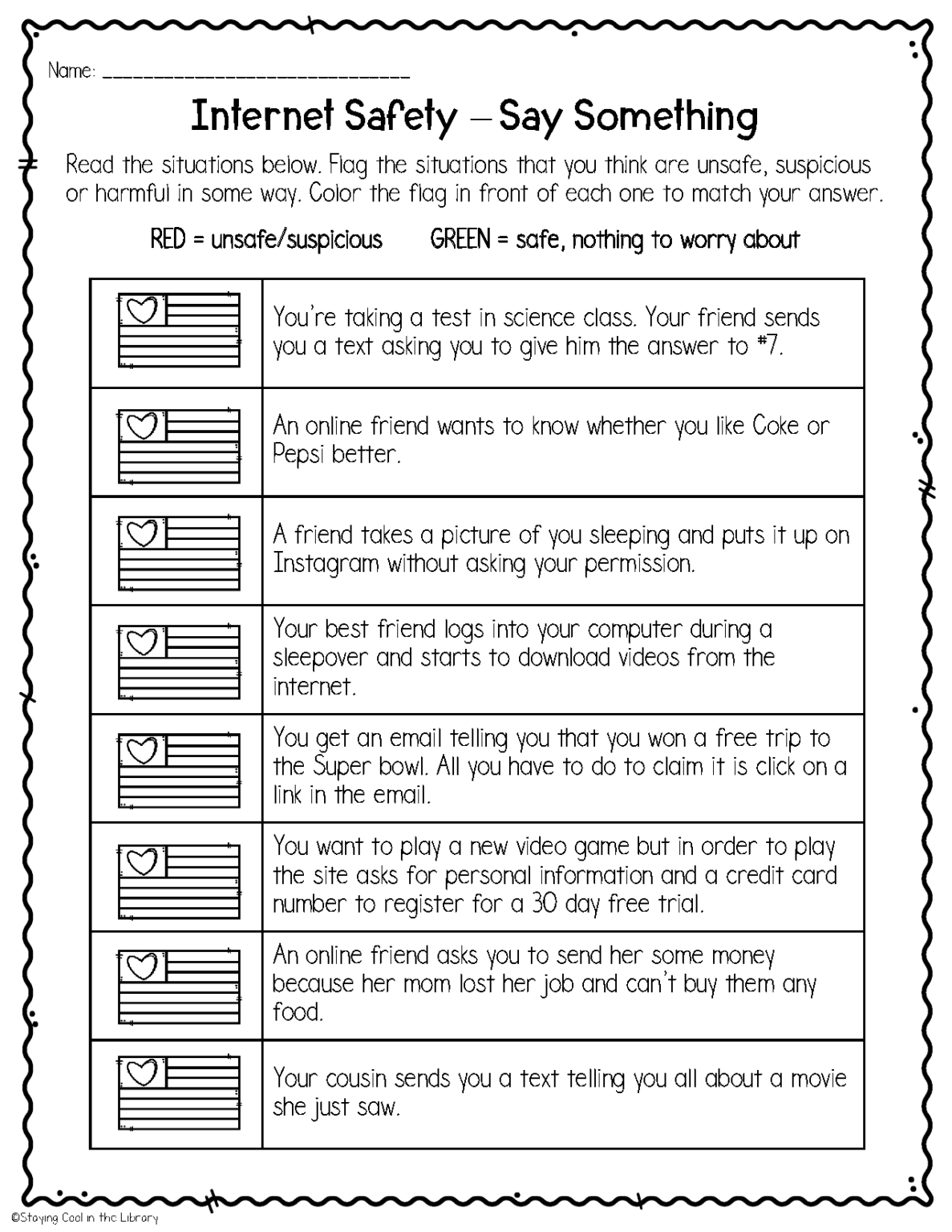
Comprehensive digital citizenship projects demand clear thematic boundaries to prevent cognitive overload. This specific educational worksheet focuses on core protective habits designed for eighth-grade learners, including digital footprint management, password hygiene, privacy settings, and critical evaluation of online sources. According to Pew Research Center, teens navigate complex social dynamics online daily, making structured guidance on peer interactions an absolute necessity. Instead of relying on vague warnings, the material breaks down complex concepts into manageable research prompts and reflective writing tasks. Students investigate how personal information travels across networks, analyze the permanence of uploaded content, and establish protocols for respectful communication. It sounds simple, and that’s the point: clarity removes anxiety.
Key Learning Outcomes
Working through these guided prompts helps preteens recognize the direct consequences of their online choices. Learners articulate strategies for keeping personal data private, designing strong authentication methods, and identifying credible information sources. Another vital outcome involves reinforcing the absolute rule that children are never in trouble for reporting something uncomfortable to a trusted adult. Educators observe that when students practice articulating these boundaries on paper, they respond more confidently during real-time online dilemmas. Mastering these concepts supports deeper engagement found within broader Worksheets designed for upper elementary and middle school classrooms.
How to Use This Printable
Flexibility defines effective instructional design in both traditional classrooms and homeschool environments. Teachers often integrate this activity into media literacy units, computer lab sessions, or advisory periods as a collaborative group research task. Parents can print copies for family tech-planning nights, using the structured questions as conversation starters rather than tests of compliance. Children frequently encounter sudden pop-ups, inappropriate in-game chat messages, or tricky social situations while playing online with peers, making immediate debriefing sessions invaluable. The printable acts as a neutral third party, allowing adults and children to analyze hypothetical scenarios together before real-world stakes arise.
Practical Tips for Parents and Teachers
Facilitating these conversations requires a calm, non-judgmental demeanor that invites honesty from developing minds. Adults should model transparency by discussing their own digital habits, such as managing screen time or evaluating online advertisements. Breaking the project into smaller chunks prevents fatigue and encourages deeper critical thinking about digital citizenship. Celebrating thoughtful answers reinforces positive behavior patterns. For younger siblings or foundational skill practice, supplementing with Coloring Pages bridges the gap between early awareness and advanced middle school projects.
Age-Appropriate Recommendations
Eighth graders require nuanced materials that respect their growing maturity while addressing sophisticated online vulnerabilities. Aligning instruction with the Common Sense Education Digital Citizenship Curriculum ensures developmentally appropriate pacing for ages thirteen and fourteen. At this stage, discussions should move beyond basic sharing rules to explore cyberbullying prevention, intellectual property, and the psychological impact of curated social media feeds. According to Common Sense Media, adolescents spend significant portions of their waking hours engaging with media, highlighting the urgent need for critical thinking frameworks that foster digital resilience.
Adolescents navigate complex digital environments daily, requiring structured guidance on privacy, peer interactions, and critical media evaluation. — Pew Research Center
Frequently Asked Questions
Navigating digital citizenship resources is straightforward when adults have access to direct answers regarding implementation and distribution.
Teens spend hours daily on screens, making robust digital literacy frameworks essential for healthy development. — Common Sense Media
Explore More Free Kids Online Safety Printables
Expanding a digital citizenship curriculum requires access to diverse, high-quality resources that grow alongside children. Educators and caregivers can discover comprehensive lesson plans, interactive challenges, and discussion guides by visiting Online and Digital Safety to find tools tailored for every developmental milestone.
Developmental Milestone & Activity Table
| Development Stage | Recommended Daily Duration | Primary Learning Objective |
|---|---|---|
| Preschool & Pre-K | 10 – 15 Minutes | Pencil grip development & basic pre-stroke lines |
| Kindergarten | 15 – 20 Minutes | Letter/number formation & spatial line awareness |
| Early Elementary (Grade 1–2) | 20 – 30 Minutes | Fluency, sentence construction & neatness |
Images References