Introduction
Protecting young learners in the digital age requires tools that bridge the gap between abstract rules and everyday actions. Children frequently encounter online risks not through sophisticated breaches, but through innocent moments like clicking a pop-up ad on a shared family tablet or chatting with unfamiliar users inside multiplayer video platforms. Adults often struggle to introduce these safety topics without causing unnecessary anxiety or confusion. Coloring provides a low-pressure medium for young minds to process information calmly. Educators and caregivers utilizing resources from SafeWiredSchools Coloring Pages discover that artistic expression acts as a natural gateway to meaningful conversations about technology boundaries. It sounds simple, and that’s the point. Creative focus helps anchor vital habits regarding personal information and trusted communication.
💡 Educational Key Takeaways:
- Core Skill: Structured Sun Safety Colouring Pages focused on developing pencil grip, stroke control, and early literacy/math confidence.
- Target Scope: Suited for homeschoolers, preschool, kindergarten, and elementary learners.
- Best Recommendation: Practice 10–15 minutes daily with ergonomic writing tools to reinforce muscle memory without hand fatigue.
What This Printable Covers
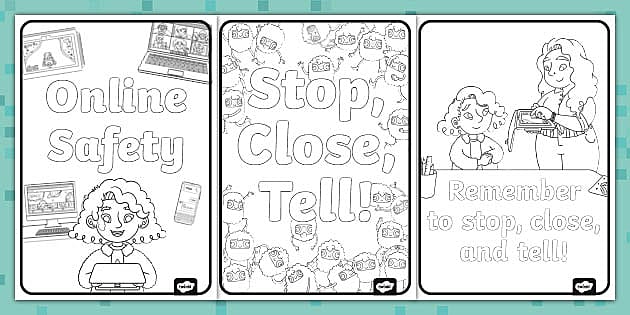
The free printable sun safety colouring pages designed for {site_name} translate essential internet safety concepts into approachable visual metaphors. Sun safety serves as a brilliant parallel for digital well-being. Just as physical skin requires sunscreen, hats, and shade to stay protected from invisible ultraviolet rays, digital footprints require passwords, privacy settings, and thoughtful sharing to stay safe from unseen digital risks. Children color illustrations depicting characters building digital shields, keeping private information under wraps, and consulting adult guides when something feels uncomfortable online. The underlying curriculum emphasizes foundational protective habits: never sharing full names or locations, creating strong passwords, pausing before clicking links, and understanding that reporting an uncomfortable situation never results in getting into trouble. Related guide: Please Provide Free 8.5″X11″ Digital Safety Coloring Pages For K-2 Grade.
Key Learning Outcomes
Engaging with these visual resources strengthens several core digital citizenship competencies. Fine motor engagement during shading frees up cognitive bandwidth, allowing children to absorb messages about digital boundaries without feeling lectured. Young learners recognize the importance of keeping personal data private, identifying trusted adults to turn to when encountering strange messages, and evaluating online content critically. According to Common Sense Media, children today navigate media-rich environments from toddlerhood, making early, positive reinforcement around device boundaries essential for long-term health and safety.
How to Use This Printable
Implementing these pages effectively relies on creating an inviting, conversational atmosphere rather than a formal test. Adults can set out crayons and markers alongside a device or during a quiet afternoon transition, using the artwork as a natural conversation starter. Asking open-ended questions while children color helps connect the visual imagery to real-world scenarios. Inquiries like “What kind of shield is the character building?” or “Who is someone safe you can talk to if a game asks for your real name?” invite natural dialogue. This approach transforms a quiet art activity into a guided exploration of internet wellness, fitting seamlessly alongside broader lessons found within Internet and Digital Safety curriculums.
Practical Tips for Parents and Teachers
Facilitators should anchor the activity around empowerment rather than fear. Emphasize that technology is a wonderful tool for learning and creativity, much like the sunny outdoors is wonderful for play, provided proper precautions are taken. Keep the atmosphere light and positive. Displaying completed artwork on a refrigerator or classroom bulletin board reinforces positive digital citizenship daily. When children see their work valued, the protective habits discussed during the coloring session become part of their everyday vocabulary and behavioral routines.
Age-Appropriate Recommendations
Children aged five through seven benefit most from focusing on basic concepts like keeping personal details private and immediately telling a trusted adult when a screen displays something confusing. Older elementary students aged eight through twelve can engage in deeper discussions regarding digital footprints, respectful communication in in-game chats, and the permanence of shared media. Grounding these lessons in the Common Sense Education Digital Citizenship Curriculum ensures that activities align with developmental milestones, tailoring the complexity of online safety conversations to the exact maturity level of the student group.
According to recent data from the Pew Research Center, a vast majority of parents express concern about their young children’s digital safety and screen exposure, highlighting the urgent need for accessible conversation-starting tools. — Pew Research Center
Frequently Asked Questions
Navigating digital literacy with young learners often brings up practical questions for educators and families. Clear answers help maximize the impact of every educational handout used in homes and classrooms. Exploring additional topics related to Online and Digital Safety provides even greater context for supporting healthy device habits.
Explore More Free Kids Online Safety Printables
Expanding a digital citizenship toolkit requires a variety of creative formats that engage different learning styles. Educators and families can pair artistic activities with structured Worksheets to reinforce critical thinking skills regarding online interactions. Building a consistent routine of open dialogue, creative engagement, and proactive learning ensures that children grow into confident, capable digital citizens.
Developmental Milestone & Activity Table
| Development Stage | Recommended Daily Duration | Primary Learning Objective |
|---|---|---|
| Preschool & Pre-K | 10 – 15 Minutes | Pencil grip development & basic pre-stroke lines |
| Kindergarten | 15 – 20 Minutes | Letter/number formation & spatial line awareness |
| Early Elementary (Grade 1–2) | 20 – 30 Minutes | Fluency, sentence construction & neatness |
Images References