Why Teaching Young Learners Where They Live Must Remain Private Online
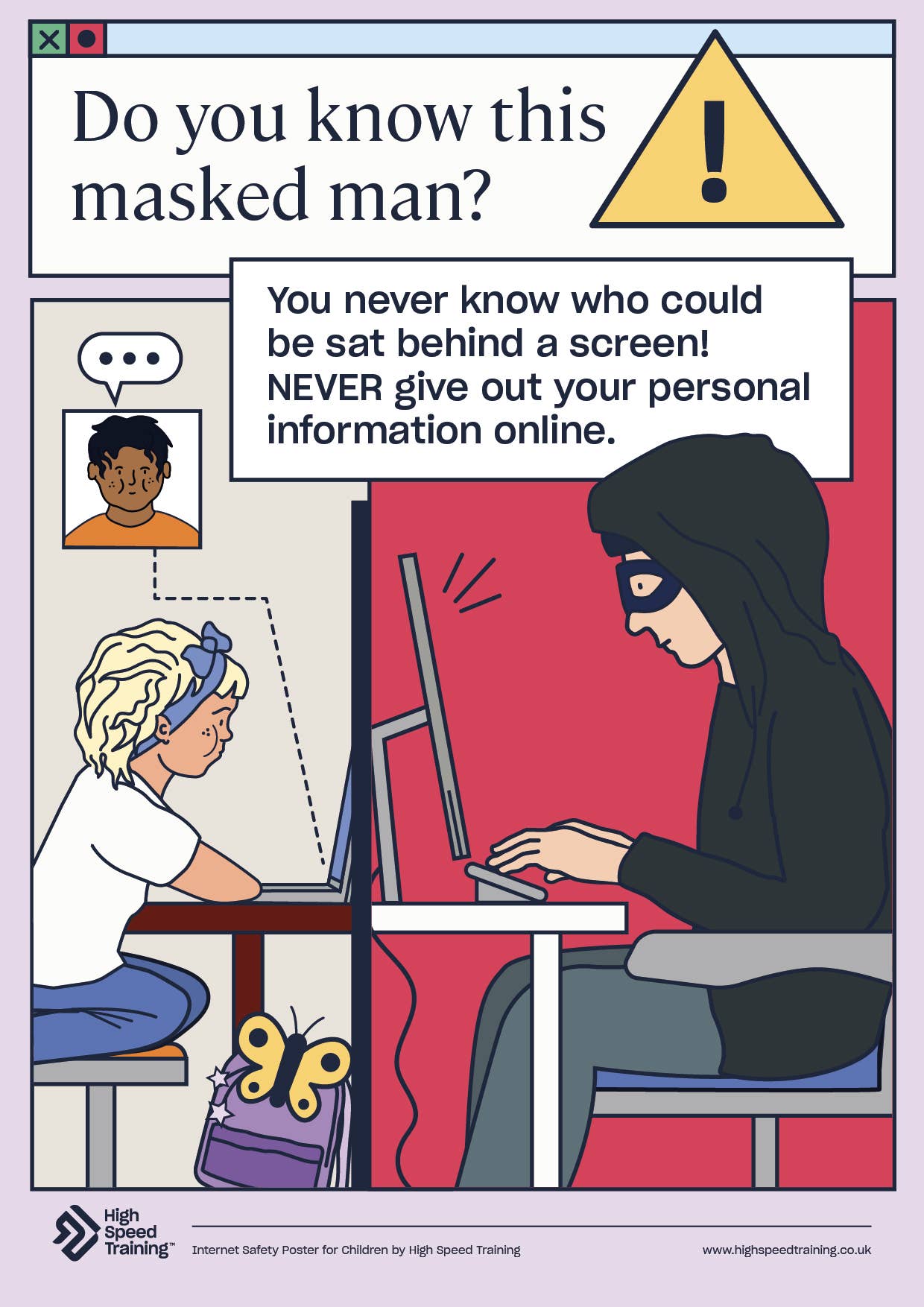
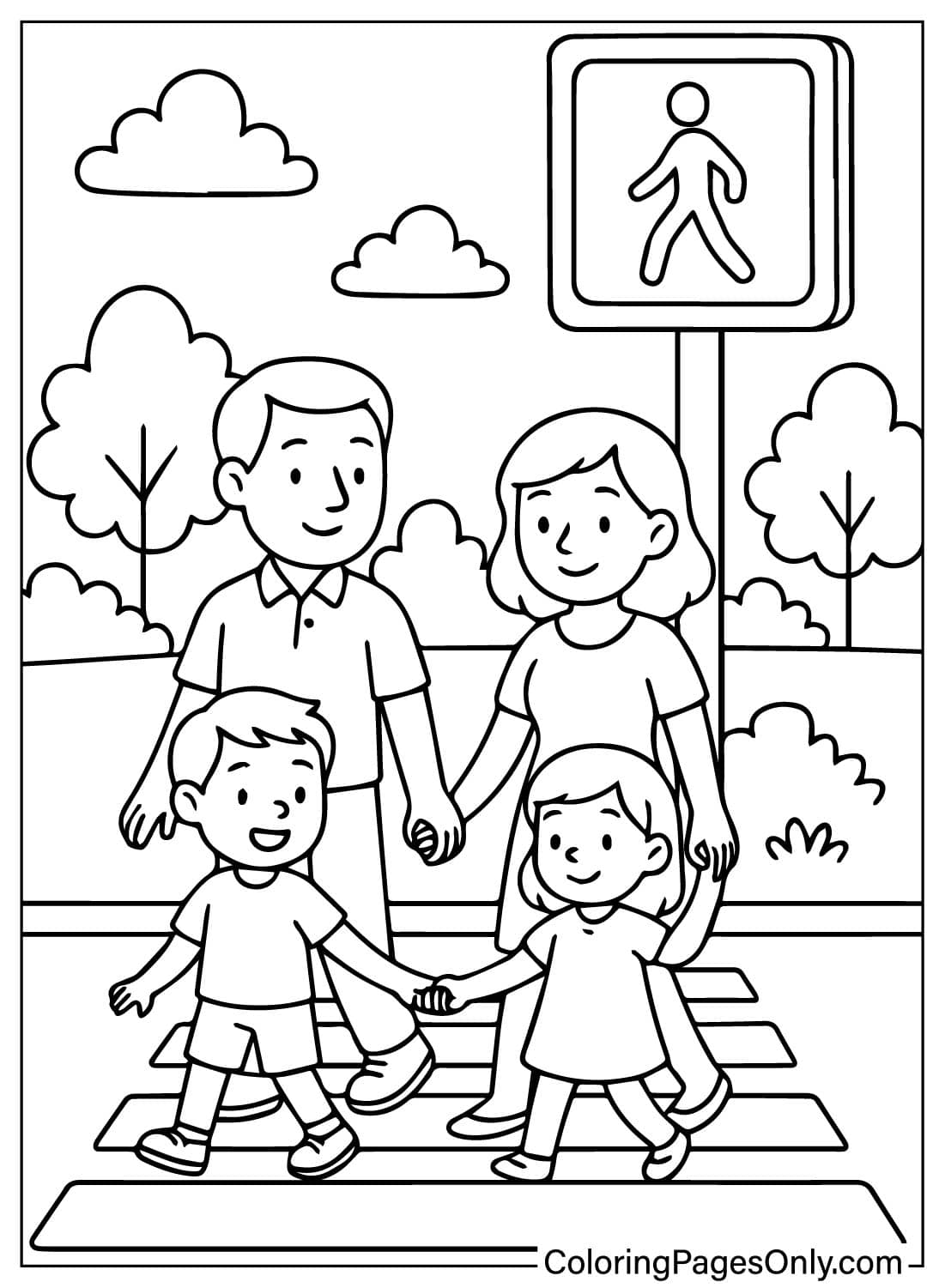
In today’s interconnected classrooms and living rooms, children frequently encounter digital environments long before they fully grasp the physical boundaries of the real world. According to youth privacy guidance from organizations like ConnectSafely and the Cybersecurity and Infrastructure Security Agency, establishing fundamental digital footprints early is vital. When children engage with creative activities such as coloring pictures of we should not tell a person online our address on internet safety, educators and parents have a unique opportunity to blend artistic expression with critical privacy lessons. Young learners often share personal details innocently in gaming chats, drawing apps, or virtual classrooms without realizing that a home location acts as a key identifier. By proactively discussing why personal data stays private, adults protect kids from unwarranted data collection, unwanted contact, and physical safety risks.
💡 Activity Key Takeaways:
- Core Focus: Printable Coloring Pictures Of We Should Not Tell A Person Online Our Address On Internet Safety designed for creative expression and fine-motor coordination.
- Target Scope: Ideal for toddlers, preschool, kindergarten, and classroom art activities.
- Best Recommendation: Use standard heavy printer paper (24–28 lb) or cardstock for vibrant results with crayons, colored pencils, or washable markers.
Digital Guardrails and Risk Signals for Kids’ Creative Platforms
Creative apps, coloring software, and digital drawing boards frequently feature community sharing galleries where children might inadvertently upload metadata, background photos, or written text revealing their location. Educators and parents must look beyond basic screen time limits and monitor how children interact with multiplayer or collaborative art tools. To help families and school staff assess these vulnerabilities, the structured overview below highlights common tech risks alongside immediate, actionable safeguards. Related guide: Two Factor Authentication Coloring Page Kids.
| Setting / Context | Common Vulnerability | Practical Safeguard |
|---|---|---|
| Home Tablets & Art Apps | Apps saving device geolocation automatically into shared community art files or public profile creations. | Disable location permissions globally in device settings and restrict profile creation to adult-only accounts. |
| School Chromebooks & Browsers | Students typing home addresses into online form fields, chat boxes, or interactive drawing game comments. | Rely on managed district filters and guide students through safe Internet and Digital Safety habits before granting app access. |
| Multiplayer Creative Spaces | Peer-to-peer chat windows where well-meaning children swap personal details, school names, or neighborhood landmarks. | Turn off open text chat features entirely in multiplayer games and utilize curated resources like Coloring Pages that reinforce offline safety visually. |
Actionable Routines for Families and Classrooms to Build Safe Habits
Translating digital privacy concepts into daily routines requires consistency across both school and home environments. Educators can incorporate interactive Worksheets that prompt students to identify private versus public information in a fun, pressure-free format. Adults should establish centralized, public charging zones at home to keep screens out of unsupervised bedrooms, ensuring web activity remains visible. Furthermore, establishing a blame-free reporting workflow is essential: children must know they can approach an adult immediately if someone online asks where they live, without fear of losing device privileges. Pairing these physical safeguards with calm, repetitive messaging helps internalize rules naturally.
Children naturally test boundaries, and strict, unexplained bans on digital art or communication apps often drive them to use hidden workarounds or alternate devices. Instead of inducing fear through extreme warnings about strangers, adults should frame privacy rules around personal empowerment and bodily autonomy. If a child expresses frustration about not being able to share their favorite digital artwork on an open global gallery, redirect their enthusiasm toward private family sharing or secure school portfolios. Fostering a continuous, open dialogue guarantees that students feel supported and confident when managing unexpected online interactions.
Frequently Asked Questions About Youth Privacy and Location Safety
At what age should children begin learning about online address privacy?
Children can grasp basic privacy concepts as early as preschool, long before they use independent social media accounts. Introducing foundational rules during creative activities ensures privacy becomes second nature by the time they access collaborative school platforms.
Remain calm and avoid yelling, as panic causes children to hide future mistakes. Immediately delete the exposed information where possible, block the user or report the account profile, and review privacy settings together to prevent recurrence.
How can teachers reinforce these safety lessons during busy instructional days?
Teachers can seamlessly integrate digital citizenship into art, writing, or computer science blocks using short, scenario-based discussions and visual reminders. Consistency across the school day reinforces the critical message that personal details never belong on the internet.
Explore More Resources on Student Digital Citizenship
Keeping children safe in an increasingly connected world requires ongoing education, collaborative community guardrails, and practical tools tailored to every developmental stage. Visit SafeWiredSchools.org to discover additional expert-backed guides, printable activities, and strategies designed to empower parents, teachers, and school administrators.
Printable Coloring Page Previews