Introduction
Sun safety colouring in sheets available on {site_name} offer educators and caregivers a gentle entry point into digital well-being discussions. Children often encounter online spaces the same way they step onto a bright playground—without thinking about protection until discomfort sets in. Daily routines in elementary classrooms and family living rooms show that children frequently navigate shared family devices, chat features embedded in casual video games, and automated video platforms long before they fully grasp the permanence of a digital footprint. Fostering safe habits requires moving away from fear-based warnings and toward approachable, confidence-building tools. Creative activities bridge this gap by transforming abstract rules into tangible concepts, allowing adults to guide young minds toward responsible technology use without causing anxiety. Related guide: Two Factor Authentication Coloring Page Kids.
💡 Educational Key Takeaways:
- Core Skill: Structured Sun Safety Colouring In Sheets focused on developing pencil grip, stroke control, and early literacy/math confidence.
- Target Scope: Suited for homeschoolers, preschool, kindergarten, and elementary learners.
- Best Recommendation: Practice 10–15 minutes daily with ergonomic writing tools to reinforce muscle memory without hand fatigue.
What This Printable Covers
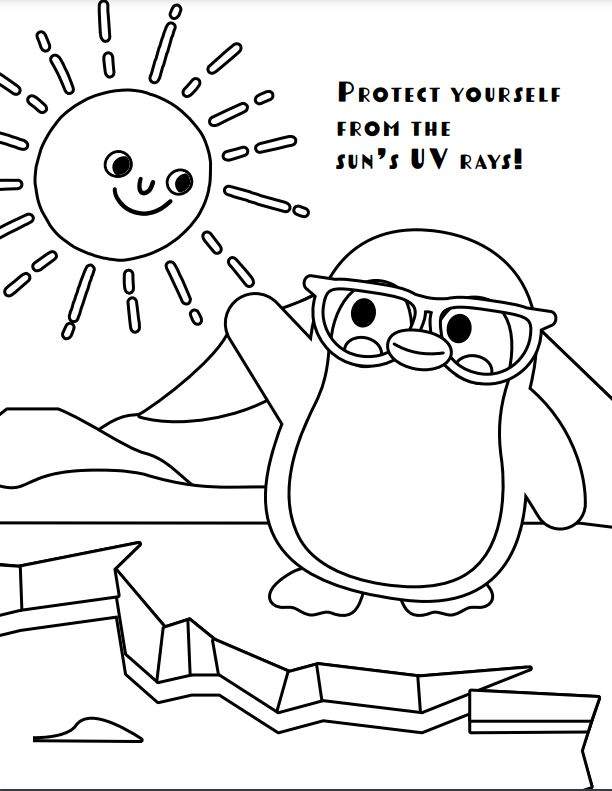
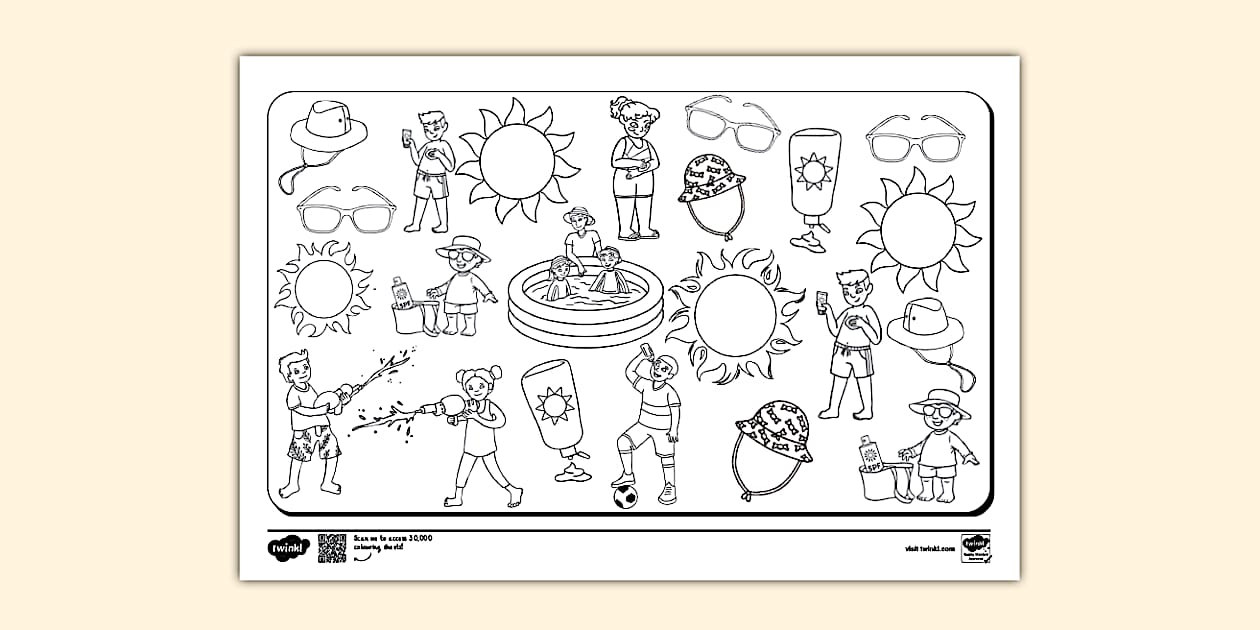
The free printable sun safety colouring in sheets use the metaphor of outdoor protection to explain online boundaries. Just as sunscreen guards the skin against harsh rays, smart digital habits protect personal information from unintended exposure. Each sheet features relatable scenes that prompt children to think critically about keeping private details secret, recognizing screen time limits, and seeking a trusted adult when encountering something confusing online. Coloring reinforces safety messages organically, as the repetitive hand movement creates a calm mental space where children feel comfortable asking questions. It sounds simple, and that’s the point. When hands are busy with crayons, heavy conversations about digital citizenship become natural extensions of an ordinary afternoon activity rather than intimidating lectures.
Key Learning Outcomes
Working through these pages helps children practice specific protective skills that translate directly into safer online interactions. According to the Federal Trade Commission, children frequently share more personal data than intended when navigating interactive digital environments because privacy settings remain confusing to young minds. The colouring pages specifically target the habit of pausing before sharing, reinforcing the rule that full names, locations, and school names stay private. Furthermore, the activity emphasizes the vital lesson that children are never in trouble for reporting an uncomfortable online encounter to a parent, teacher, or counselor. Establishing this open communication channel remains one of the strongest protective measures available to educators and families.
How to Use This Printable
Integrating these pages into a routine works best when adults sit alongside children to color and chat. Classrooms can use the sheets during morning meeting transitions, while homeschoolers and parents can introduce them during quiet afternoon hours. Here’s what makes this resource different: it relies on visual association rather than rigid warnings, helping young learners internalize safety steps intuitively. As children shade in hats and sunglasses representing digital shields, adults can ask open-ended questions like, “What is one thing we keep private on the computer just like we keep our skin safe from sunburn?” This approach anchors abstract internet guidelines into concrete physical experiences, supporting broader lessons found across various Worksheets designed for elementary learners.
Practical Tips for Parents and Teachers
Maximizing the impact of the colouring activity involves keeping the tone empowering rather than restrictive. Adults should avoid framing digital tools as inherently dangerous, focusing instead on building healthy boundaries and strong passwords as superpowers for online explorers. When a child finishes coloring, display the completed artwork on a refrigerator or classroom bulletin board as a gentle daily reminder of digital wellness. Educators looking for more ways to weave these themes into daily routines will find additional guidance through curated Internet and Digital Safety resources, ensuring that safety concepts receive consistent, positive reinforcement across different subjects.
Age-Appropriate Recommendations
Children between ages five and twelve process digital safety concepts differently depending on their developmental stage. Younger elementary students respond best to simple metaphors like the sun protection parallel, while older children require deeper discussions about digital footprints and respectful communication. Aligning these conversations with established frameworks, such as the Common Sense Education Digital Citizenship Curriculum, ensures that expectations match cognitive readiness. According to Common Sense Media, youth spend significant portions of their daily schedules interacting with media-rich platforms, making early, age-targeted habit-building essential for long-term online resilience. Children learn to manage online risks step by step, using structured support that expands alongside their growing independence.
Young people spend hours daily with screen media, making foundational digital habits essential for early learners. — Common Sense Media
Frequently Asked Questions
Clear answers help educators and families implement digital citizenship tools effectively. To discover further creative projects that build healthy habits, browse the complete collection of Coloring Pages available on the platform. Comprehensive strategies for safeguarding young internet users are also detailed within the Online and Digital Safety archives, providing continuous support for classrooms and homes alike.
Digital literacy programs significantly reduce online vulnerabilities when introduced during early elementary school years. — National Center for Missing & Exploited Children
Explore More Free Kids Online Safety Printables
Building a well-rounded toolkit for digital citizenship requires a variety of engaging, accessible materials. Beyond sun safety concepts, educators and families can access a wide array of complimentary printables designed to reinforce password strength, respectful communication, and balanced screen routines. Consistent reinforcement through creative tasks helps children remember vital rules without feeling overwhelmed. Explore the full library today to find the right materials for every classroom, counseling session, or living room discussion.
Developmental Milestone & Activity Table
| Development Stage | Recommended Daily Duration | Primary Learning Objective |
|---|---|---|
| Preschool & Pre-K | 10 – 15 Minutes | Pencil grip development & basic pre-stroke lines |
| Kindergarten | 15 – 20 Minutes | Letter/number formation & spatial line awareness |
| Early Elementary (Grade 1–2) | 20 – 30 Minutes | Fluency, sentence construction & neatness |
Images References