Introduction
Teaching young children about digital safety often feels like an uphill climb, especially when educators and caregivers must compete with fast-paced apps and glowing screens. Children rarely encounter online risks through dramatic breaches; instead, vulnerabilities quietly emerge during casual moments like shared family tablet use, unmonitored in-game chat lobbies, or endless autoplay video platforms. Navigating these modern challenges requires a shift from fear-based warnings to joyful, confidence-building skill acquisition. That is where a thoughtful sun safety coloring page printable for kids comes into play, offering a creative bridge between tangible habits and abstract concepts. It sounds simple, and that is the point. Coloring reinforces safety messages while keeping young minds relaxed and open to conversation. Related guide: Please Provide Free 8.5″X11″ Digital Safety Coloring Pages For K-2 Grade.
💡 Activity Key Takeaways:
- Core Focus: Printable Sun Safety Coloring Page Printable For Kids designed for creative expression and fine-motor coordination.
- Target Scope: Ideal for toddlers, preschool, kindergarten, and classroom art activities.
- Best Recommendation: Use standard heavy printer paper (24–28 lb) or cardstock for vibrant results with crayons, colored pencils, or washable markers.
What This Printable Covers
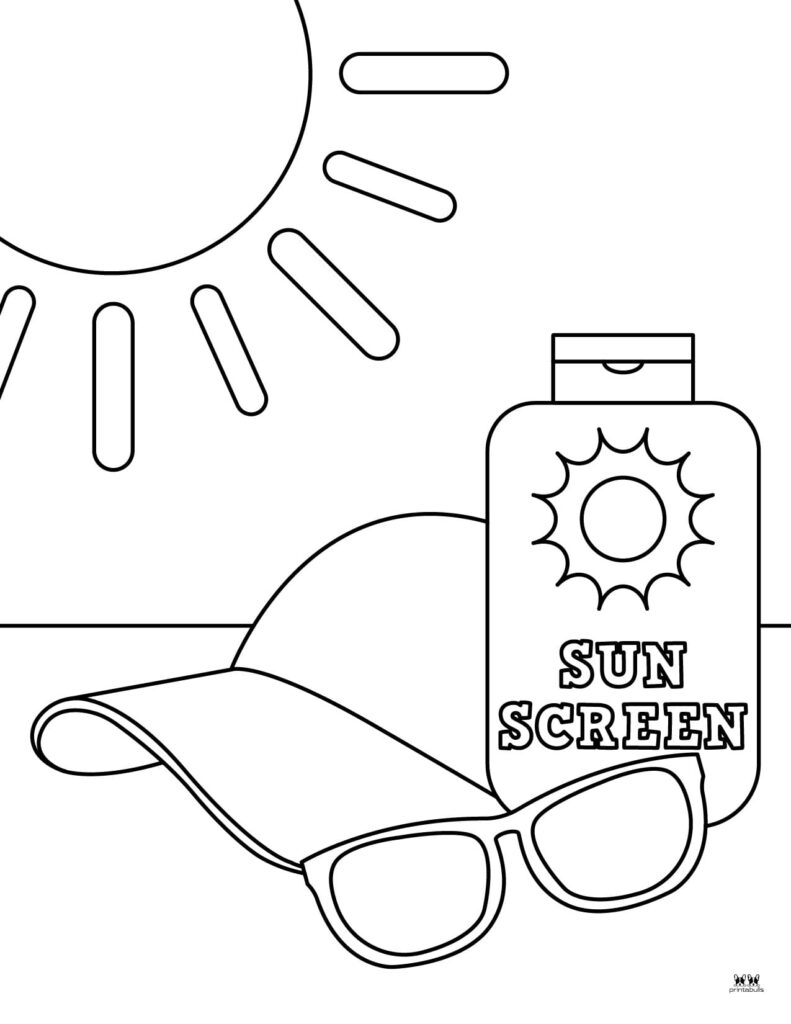
Visual learning tools work wonders for elementary-aged learners who process concrete images far better than abstract lectures about cybersecurity. This specific resource uses cheerful imagery—such as sunscreen bottles, sunglasses, and protective hats—as an accessible metaphor for digital boundaries. Children naturally understand that putting on a hat prevents a sunburn before heading outside. Translating that logic to the digital realm helps students grasp why protective measures matter. Exploring a variety of creative exercises can be found within the broader collection of Coloring Pages, which are designed to make complex ideas digestible for early learners.
Key Learning Outcomes
Every stroke of a crayon deepens cognitive connections, making safety protocols feel second nature rather than a set of rigid rules. When children shade in these themed sheets, facilitators can seamlessly introduce foundational habits like keeping personal information private and thinking before sharing. According to Common Sense Media, young children spend significant daily hours engaging with media, making early digital literacy habits essential for long-term well-being. Furthermore, children absorb the vital lesson that they are never in trouble for reporting something uncomfortable, establishing an open line of communication with trusted adults.
How to Use This Printable
Facilitating this activity is straightforward and requires no advanced preparation beyond a box of crayons and a printer. Sitting down at a kitchen table or classroom desk alongside the child transforms a routine coloring exercise into a powerful mentoring session. As pencils move across the paper, adults can ask open-ended questions about favorite online games or video channels. These discussions allow caregivers to observe how children navigate shared devices and in-game chat features in real-time. For additional resources that tackle these digital environments, educators often utilize specialized Worksheets designed for classroom engagement.
Practical Tips for Parents and Teachers
Patience remains the most effective tool when introducing digital citizenship concepts to children ages five through twelve. Here is what makes this resource different: it anchors safety conversations in a low-stakes, artistic activity rather than a stern lecture. Adults should encourage children to talk about their favorite online spaces while they color, noting any red flags or uncomfortable interactions without judgment. Emphasizing strong passwords and the importance of telling a trusted adult when something feels off creates a sturdy safety net. Integrating these lessons into everyday routines ensures children view digital safety as a normal, manageable part of life.
Age-Appropriate Recommendations
Tailoring digital literacy discussions to a child’s developmental stage prevents unnecessary anxiety while building essential capabilities. According to Pew Research Center, a vast majority of young children have access to mobile devices, highlighting the need for age-specific guidance starting in early elementary school. Utilizing the Common Sense Education Digital Citizenship Curriculum framework helps educators structure lessons around media balance, privacy, and respectful online communication. Kindergarteners benefit from basic concepts like asking permission before downloading apps, while upper-elementary students can dive deeper into critical thinking, digital footprints, and recognizing manipulative online behavior.
Pew Research Center reports that the vast majority of young children interact with mobile touchscreens daily, underscoring the necessity of early digital citizenship education. — Pew Research Center
Frequently Asked Questions
Finding clear answers helps parents and teachers maximize the educational impact of these free printable tools. The curated questions below address downloading, pedagogical value, and organizational standards for digital literacy.
Explore More Free Kids Online Safety Printables
Expanding a child’s digital literacy toolkit requires a variety of engaging activities that grow alongside their developing minds. Transitioning from basic artistic exercises to structured discussions prepares students to handle nuanced online interactions with confidence and poise. Explore the comprehensive collection of Internet and Digital Safety materials to find more creative ways to teach essential protective habits. For additional classroom strategies focused on holistic digital well-being, browse the curated Online and Digital Safety archives.
Key Specifications & Age-Group Overview
| Age / Grade Group | Target Skill Focus | Recommended Medium |
|---|---|---|
| Toddlers (Ages 2–4) | Hand-eye coordination & broad motor grasp | Jumbo crayons & washable finger paints |
| Early Elementary (Ages 5–7) | Line boundaries & fine pencil control | Standard colored pencils & fine-tip markers |
| Intermediate (Ages 8+) | Color blending, shading & artistic patience | Watercolor pencils, gel pens & dual-brush markers |
Images References