Introduction
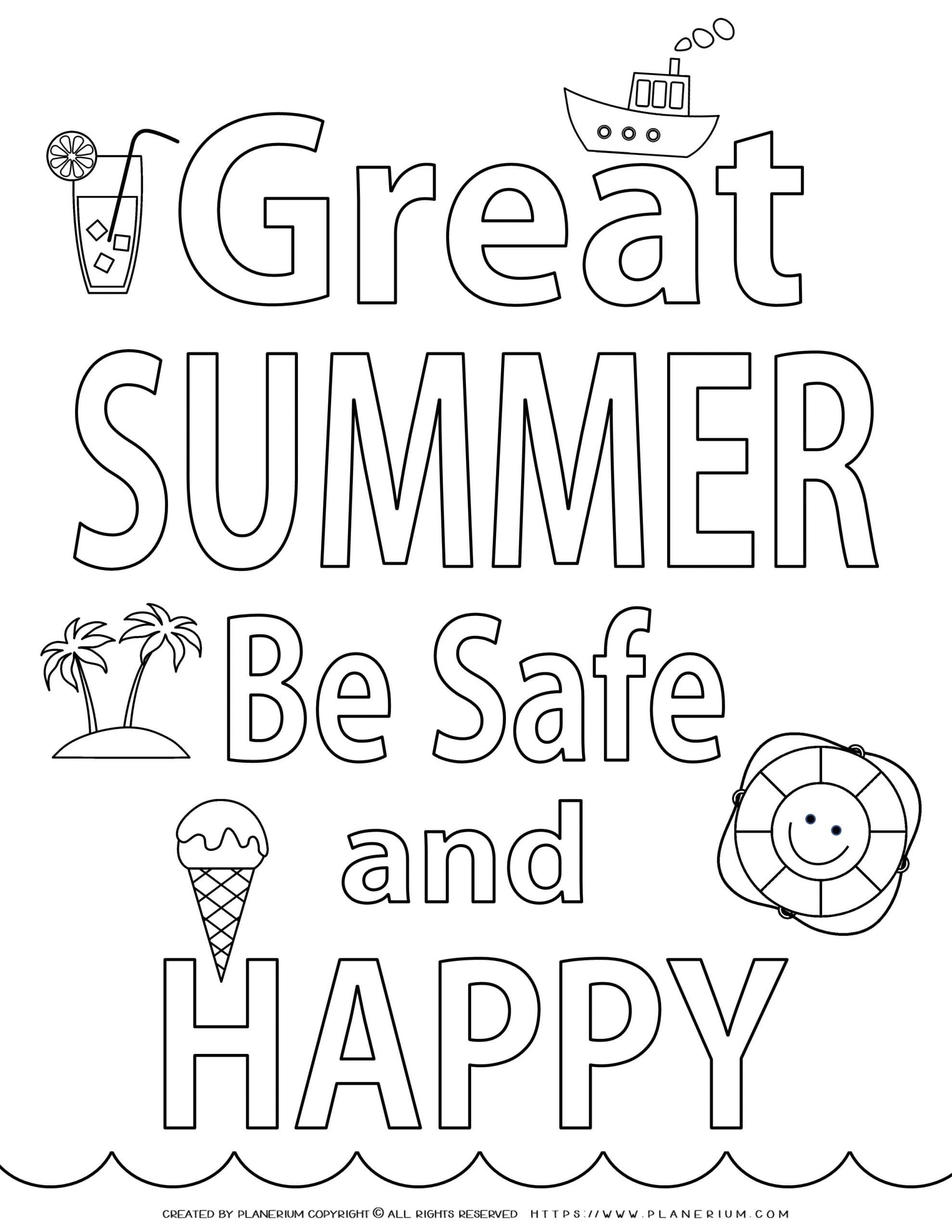
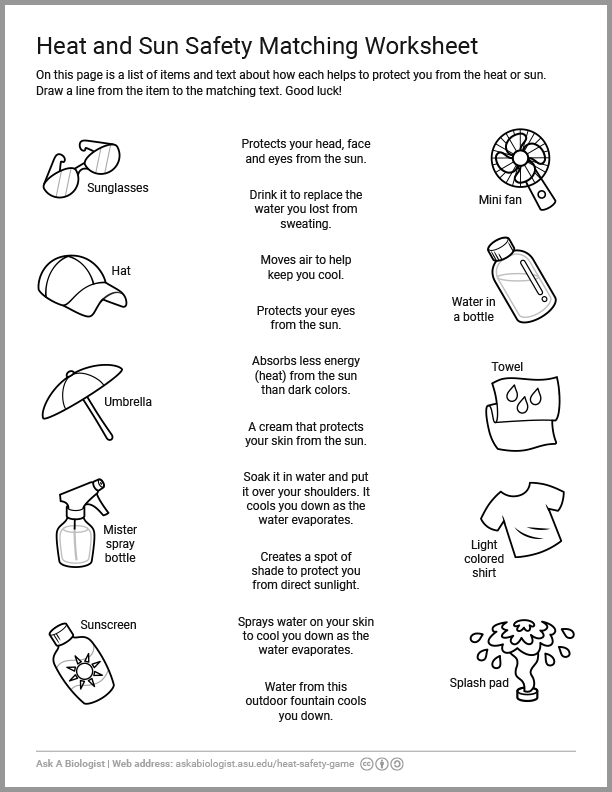
Summer break brings a shift in daily routines, often leading to increased screen time through shared household tablets, casual in-game chat features, and video streaming platforms. Children frequently navigate these digital spaces independently while exploring games or catching up with school friends online. Helping young minds build healthy digital habits does not require complicated lectures or fearful warnings. Instead, early childhood educators and parents find success by introducing foundational protective habits through creative media. The free safe summer coloring page available on {site_name} serves as a gentle bridge between playful art activities and essential online safety discussions. Coloring reinforces safety messages organically, giving young learners the mental space to absorb rules about privacy and kindness without feeling overwhelmed or anxious. Related guide: Safe Websites Meaning For Kids.
💡 Activity Key Takeaways:
- Core Focus: Printable Safe Summer Coloring Page designed for creative expression and fine-motor coordination.
- Target Scope: Ideal for toddlers, preschool, kindergarten, and classroom art activities.
- Best Recommendation: Use standard heavy printer paper (24–28 lb) or cardstock for vibrant results with crayons, colored pencils, or washable markers.
What This Printable Covers
Visual learning tools work wonders for elementary-aged children who are still developing abstract reasoning skills. This specific coloring resource focuses on everyday digital citizenship concepts tailored for ages five through twelve. Children color scenes that illustrate smart choices, such as keeping personal details private, creating strong passwords with the help of a grown-up, and pausing to think before sharing a photo or message. It sounds simple, and that’s the point. By transforming abstract digital boundaries into recognizable drawings, adults can guide children toward recognizing safe behaviors in their own daily screen use. The activity emphasizes proactive habits rather than restrictions, framing safety as a tool for a fun and positive online experience.
Key Learning Outcomes
Working through creative downloadable safety illustrations helps children internalize specific protective measures they can apply immediately. Young learners practice identifying trusted adults to turn to when something online feels confusing or uncomfortable. A core message embedded in the artwork reminds students that they are never in trouble for reporting a strange pop-up, a mean message, or an accidental click. Additionally, learners explore the importance of keeping real-world details like home addresses, full names, and school names off public platforms. These foundational lessons support broader discussions found within comprehensive internet and digital safety curriculums used in modern classrooms.
How to Use This Printable
Classrooms, homeschool spaces, and counseling offices benefit from integrating creative art tasks into morning meetings or advisory periods. Educators can distribute the sheets ahead of long breaks to spark proactive conversations about screen time expectations at home. Parents find that sitting down with crayons at the kitchen table creates a relaxed environment where children feel safe asking questions about their favorite apps and games. Open-ended dialogue flows naturally while coloring characters navigate online choices together. This resource does not guarantee protection against every digital risk, but it acts as a valuable conversational catalyst for building lifelong critical thinking skills.
Practical Tips for Parents and Teachers
Maximizing the educational value of an art activity involves asking thoughtful, non-judgmental questions while children color. Adults can point to specific elements on the page and ask what the character should do next if a stranger sends a message in a game. Establishing a calm tone ensures that children view digital safety as an empowering skill rather than a punishment. Educators can pair these visual sheets with related student activity pages to reinforce concepts across different learning formats. Keeping the conversation ongoing throughout the summer months helps maintain awareness as children transition between different digital environments.
Age-Appropriate Recommendations
Tailoring digital citizenship instruction to match developmental stages ensures that children absorb concepts effectively without unnecessary fear. For younger elementary students ages five to eight, discussions should center on basic rules like asking a grown-up before downloading a new game and never sharing a home address. Older elementary students ages nine to twelve can explore more nuanced topics, including digital footprint awareness, respectful communication in multi-player chat rooms, and recognizing trustworthy sources. According to the Common Sense Education Digital Citizenship Curriculum framework, elementary learners benefit most from scaffolded lessons that emphasize empathy, self-management, and positive community contribution both online and offline.
Young children frequently encounter digital environments through shared family devices and interactive gaming platforms where peer communication is active. — Pew Research Center
Frequently Asked Questions
Addressing common inquiries helps educators and families implement digital citizenship tools smoothly. Clear answers provide guidance on accessing materials, facilitating meaningful discussions, and understanding broader research findings related to children and technology use.
Major safety organizations emphasize that open communication between children and trusted adults remains the most effective deterrent to online risks. — National Center for Missing & Exploited Children
Explore More Free Kids Online Safety Printables
Expanding a digital citizenship library ensures that children receive consistent, engaging reinforcement throughout the entire year. Adults can discover additional resources focusing on password strength, device boundaries, and respectful communication by browsing specialized online and digital safety collections designed specifically for elementary learners. Combining colorful handouts with guided discussions empowers the next generation to navigate digital spaces with confidence, resilience, and smart habits.
Key Specifications & Age-Group Overview
| Age / Grade Group | Target Skill Focus | Recommended Medium |
|---|---|---|
| Toddlers (Ages 2–4) | Hand-eye coordination & broad motor grasp | Jumbo crayons & washable finger paints |
| Early Elementary (Ages 5–7) | Line boundaries & fine pencil control | Standard colored pencils & fine-tip markers |
| Intermediate (Ages 8+) | Color blending, shading & artistic patience | Watercolor pencils, gel pens & dual-brush markers |
Images References