Introduction
Digital safety education often starts with intimidating lectures, yet young children learn best through creative, hands-on experiences. Children navigate tablets, shared family laptops, and in-game chat features long before they fully grasp the permanence of the digital world. Educators and parents continuously search for approachable methods to introduce critical protective habits without inducing fear. Coloring serves as a familiar, low-pressure medium that allows young minds to process abstract concepts safely. Creative expression anchors important lessons in memory while keeping the atmosphere relaxed and collaborative. Integrating a sun safety color page from {site_name} provides an engaging entry point for discussing boundary-setting, personal privacy, and trusted communication channels. Related guide: Safe Websites Meaning For Kids.
💡 Activity Key Takeaways:
- Core Focus: Printable Sun Safety Color Page designed for creative expression and fine-motor coordination.
- Target Scope: Ideal for toddlers, preschool, kindergarten, and classroom art activities.
- Best Recommendation: Use standard heavy printer paper (24–28 lb) or cardstock for vibrant results with crayons, colored pencils, or washable markers.
What This Printable Covers
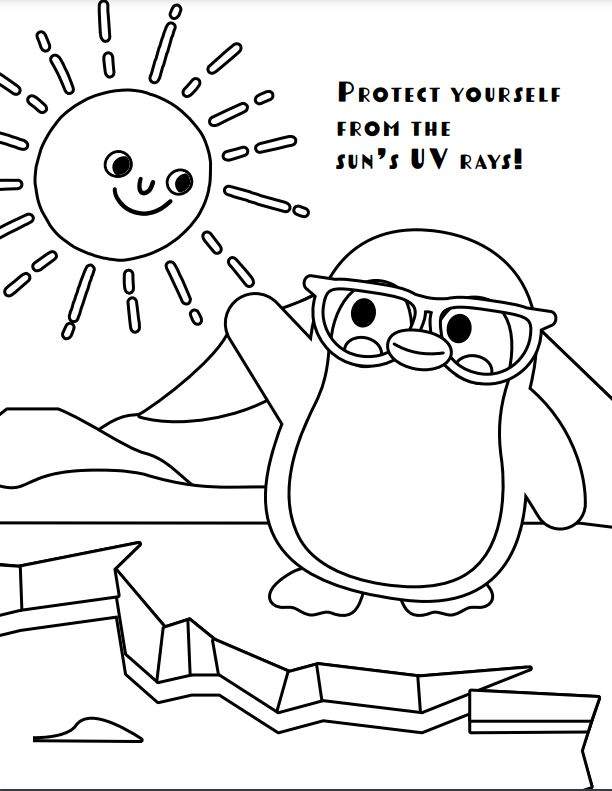
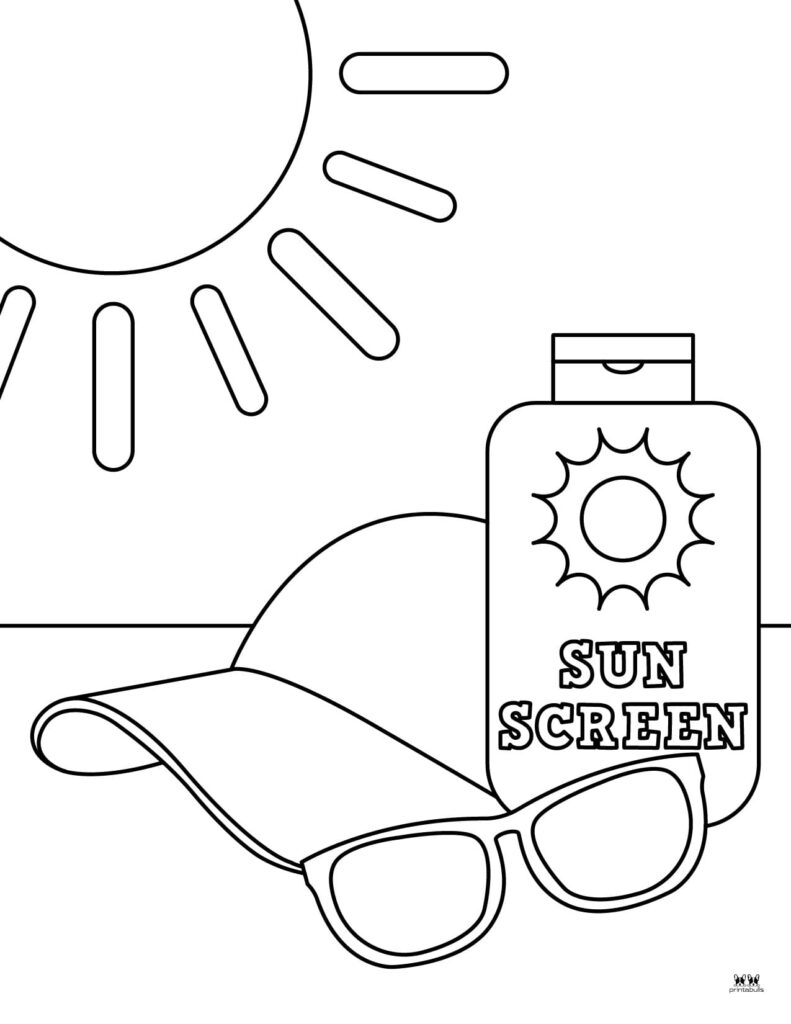
The printable utilizes bright, warm sun motifs as an intentional metaphor for digital warmth, visibility, and smart protection. Just as sunscreen shields skin from harsh ultraviolet rays, strong boundaries shield personal information from unwanted exposure online. Children often encounter risks during unstructured screen time, such as clicking pop-up prompts in video platforms or sharing details in multiplayer lobbies. This coloring activity features visual cues prompting discussions about keeping full names, locations, and passwords private. Every stroke of a crayon reinforces the core message that protective habits are normal parts of navigating modern spaces. It sounds simple, and that’s the point: foundational rules must remain accessible for minds still developing abstract reasoning skills.
Key Learning Outcomes
Working through the artwork helps children identify who qualifies as a trusted adult when something online feels uncomfortable. According to the National Center for Missing & Exploited Children, open dialogue between youth and supportive caregivers remains one of the strongest buffers against online exploitation. Participants practice recognizing red flags, such as requests for secret messages or personal details from unknown digital contacts. The activity emphasizes that young users are never in trouble for reporting strange interactions. Building this trust early ensures children seek help immediately rather than hiding mistakes out of fear.
How to Use This Printable
Facilitators can introduce the activity during morning meetings, art centers, or quiet afternoon sessions at home. Distributing crayons or markers alongside the printout invites children to ask questions naturally while their hands remain busy. Here’s what makes this resource different: it shifts the dynamic from a stern warning to an exploratory art session. Adults can ask open-ended questions about the imagery, connecting the idea of wearing sunglasses to the practice of filtering what gets shared publicly. Exploring broader digital literacy concepts becomes seamless when paired with creative Coloring Pages designed specifically for early learners.
Practical Tips for Parents and Teachers
Keeping the conversation positive prevents anxiety while establishing firm safety expectations. Adults should sit alongside the child, coloring concurrently to model engagement and reduce any sense of interrogation. Educators often pair these activities with structured Worksheets to deepen comprehension around password strength and device etiquette. Transforming safety rules into routine habits takes consistent reinforcement across multiple environments, bridging the gap between classroom guidelines and home device usage.
Age-Appropriate Recommendations
Children aged five through seven require concrete visual metaphors, making the sun motif ideal for teaching basic boundaries like keeping private information private. Older elementary students aged eight through twelve can expand on the imagery, discussing digital footprints, peer pressure in chat rooms, and respectful online communication. Aligning these lessons with the Common Sense Education Digital Citizenship Curriculum provides a structured pathway for media literacy development. According to Common Sense Media, children today absorb digital media at unprecedented rates, making early and consistent guidance essential for healthy technology habits.
Youth spend hours interacting with digital media daily, highlighting the need for proactive safety education — Common Sense Media
Frequently Asked Questions
Clear answers help adults implement these resources effectively in classrooms and living rooms alike. The following section addresses common logistical and pedagogical inquiries regarding the printable material.
Open communication with trusted adults significantly reduces online vulnerability — National Center for Missing & Exploited Children
Explore More Free Kids Online Safety Printables
Expanding a digital citizenship curriculum requires a diverse toolkit of engaging, age-appropriate materials. Educators and families can discover additional resources focusing on device etiquette, password security, and respectful communication by browsing the curated collection of Internet and Digital Safety tools. Pairing creative activities with comprehensive guidance ensures children build lasting protective instincts. Explore further materials dedicated to Online and Digital Safety to keep building a safer, more confident digital generation.
Key Specifications & Age-Group Overview
| Age / Grade Group | Target Skill Focus | Recommended Medium |
|---|---|---|
| Toddlers (Ages 2–4) | Hand-eye coordination & broad motor grasp | Jumbo crayons & washable finger paints |
| Early Elementary (Ages 5–7) | Line boundaries & fine pencil control | Standard colored pencils & fine-tip markers |
| Intermediate (Ages 8+) | Color blending, shading & artistic patience | Watercolor pencils, gel pens & dual-brush markers |
Images References