Introduction
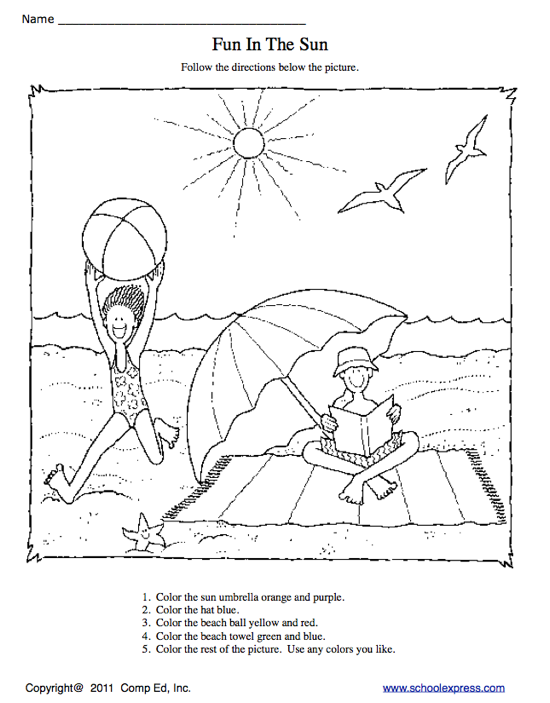
Digital literacy begins long before a child navigates open platforms alone, often starting on shared family tablets or during casual sessions in digital gaming lobbies. Adults frequently search for approachable methods to introduce screen safety without inducing fear or anxiety. Integrating creative arts into technology education offers a welcoming entry point for young learners. The free printable sun sfety colouring sheet for {site_name} bridges the gap between creative expression and vital internet habits. Coloring reinforces safety messages organically, keeping hands busy while minds absorb crucial lessons about protecting personal boundaries in digital spaces. Related guide: Please Provide Free 8.5″X11″ Digital Safety Coloring Pages For K-2 Grade.
💡 Educational Key Takeaways:
- Core Skill: Structured Sun Sfety Colouring Sheet focused on developing pencil grip, stroke control, and early literacy/math confidence.
- Target Scope: Suited for homeschoolers, preschool, kindergarten, and elementary learners.
- Best Recommendation: Practice 10–15 minutes daily with ergonomic writing tools to reinforce muscle memory without hand fatigue.
What This Printable Covers
Visual metaphors resonate deeply with young minds, translating abstract internet rules into tangible concepts. This resource uses bright imagery and friendly motifs to remind children about keeping personal information private, such as full names, locations, and school names. Rather than focusing on threats, the design highlights positive actions like pausing before clicking, maintaining strong passwords, and recognizing trusted adults to approach when something feels confusing. Coloring actively engages cognitive processing, allowing children to internalize these protective habits while relaxing over crayons or markers.
Key Learning Outcomes
Working through this creative activity prompts meaningful discussions about online interactions. According to Common Sense Media, young children frequently encounter digital media through shared household devices and video platforms well before formal instruction begins. Children learn to identify uncomfortable moments and practice the fundamental rule that reporting a strange online encounter never results in getting into trouble. Educators and parents can use these artistic sessions to build resilience and teach proactive problem-solving for everyday digital environments.
How to Use This Printable
Implementation works best in relaxed settings where children feel comfortable asking questions and sharing observations. Adults can print multiple copies for a classroom center, a homeschool morning basket, or a quiet kitchen table activity on a rainy afternoon. As crayons move across the paper, natural conversation flows regarding safe gaming habits and secret passwords. Additional lessons and resources are available within the broader library of Internet and Digital Safety tools designed for early childhood educators.
Practical Tips for Parents and Teachers
Guidance succeeds when adults maintain a calm, empowering tone that frames safety as a lifelong skill rather than a restriction. Asking open-ended questions about the coloring sheet helps gauge a child’s current understanding of in-game chat and sharing boundaries. It sounds simple, and that is the point: breaking complex digital concepts into manageable, creative steps empowers children to speak up immediately whenever a digital interaction feels confusing or overwhelming.
Age-Appropriate Recommendations
Tailoring digital citizenship instruction to developmental stages ensures messages resonate effectively without overwhelming young learners. For children ages five through eight, focus remains on foundational habits like physical device sharing and basic privacy rules. Older elementary students, ages nine to twelve, benefit from discussions regarding peer communication in gaming lobbies and critical thinking about online content. The Common Sense Education Digital Citizenship Curriculum provides structured frameworks that align seamlessly with these hands-on creative activities, supporting educators in fostering responsible technology use across diverse learning environments.
Young children frequently access digital content and interactive games via shared household devices and popular video platforms, making early foundational guidance essential. — Common Sense Media
Frequently Asked Questions
Accessing educational materials should be straightforward for busy educators and caregivers. Downloading the printable requires only a standard PDF reader and a regular printer. For supplementary resources that reinforce these concepts, explore the collection of Worksheets or browse various Coloring Pages tailored for elementary learners.
Explore More Free Kids Online Safety Printables
Continuing digital citizenship education requires a steady supply of fresh, engaging materials. Caregivers and teachers can discover additional resources by visiting the specialized guides found under Online and Digital Safety. Consistent, gentle reinforcement transforms digital awareness into second nature for growing children.
Developmental Milestone & Activity Table
| Development Stage | Recommended Daily Duration | Primary Learning Objective |
|---|---|---|
| Preschool & Pre-K | 10 – 15 Minutes | Pencil grip development & basic pre-stroke lines |
| Kindergarten | 15 – 20 Minutes | Letter/number formation & spatial line awareness |
| Early Elementary (Grade 1–2) | 20 – 30 Minutes | Fluency, sentence construction & neatness |
Images References